Reading view

A curious crossover: The Toyota C-HR review

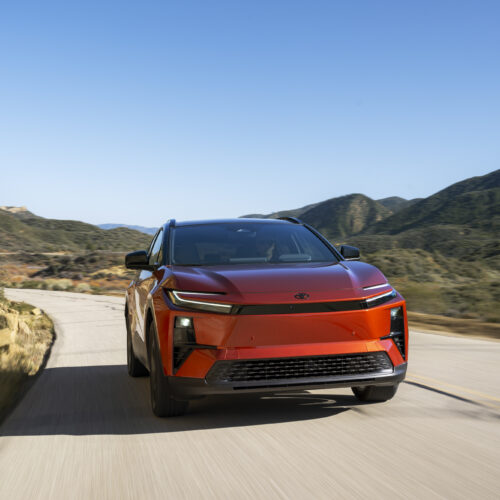
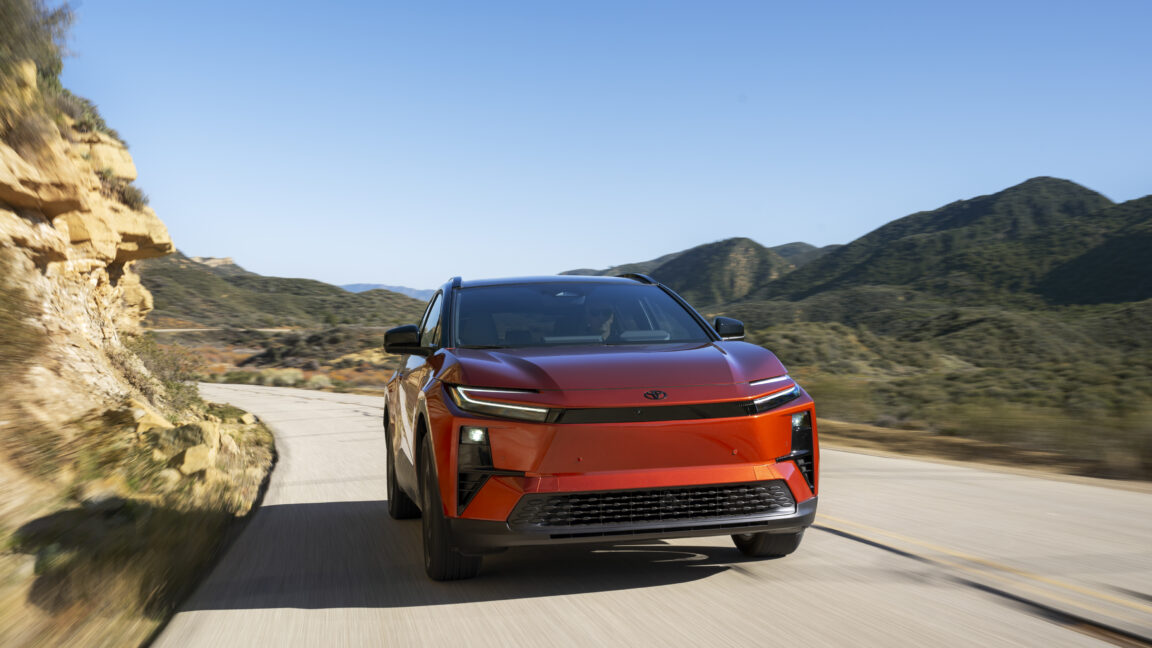
After a slower start than its major rivals, Toyota has been making up for it with a flurry of new electric vehicles for the North American market. Its first attempt, the bZ4x, was an also-ran, but a new battery pack, more efficient motors, and a NACS charging port transformed the face-lifted bZ into an EV I happily recommend. Then, earlier this year, it followed up with some bZ-related variants. For those who miss the vibe of a station wagon, there is the bZ Woodland, and an all-electric Highlander is nearing the showroom, too. But today's focus is the C-HR, and I'm still not entirely sure what to make of it.

It's the smallest of the bunch; at 177.9 inches (4,519 mm) long it's some 6.7 inches (170 mm) shorter than the bZ. But it's still as wide and only a little more than an inch less tall. So if you're put off by the bZ's size and are looking for something diminutive—and based on reader feedback, there are many of you out there—this small SUV will probably still fail to pass muster.

It's not any cheaper than the bZ until you consider that the C-HR is only available with one choice of powertrain: a twin-motor AWD setup with a combined 338 hp (252 kW) powered by a 74.7 kWh battery pack. That same arrangement, with a 223 hp (167 kW), 198 lb-ft (268 Nm) front motor and 118 hp (88 kW), 125 lb-ft (169 Nm) rear unit, costs almost $3,000 more in a bZ than the $37,000 starting price of the C-HR.
Read full article

Comments

© Toyota

  •  

Lucid lays off 1,500 workers in second big cut of the year

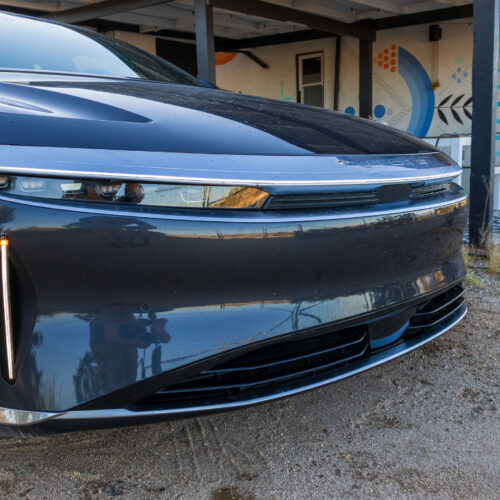
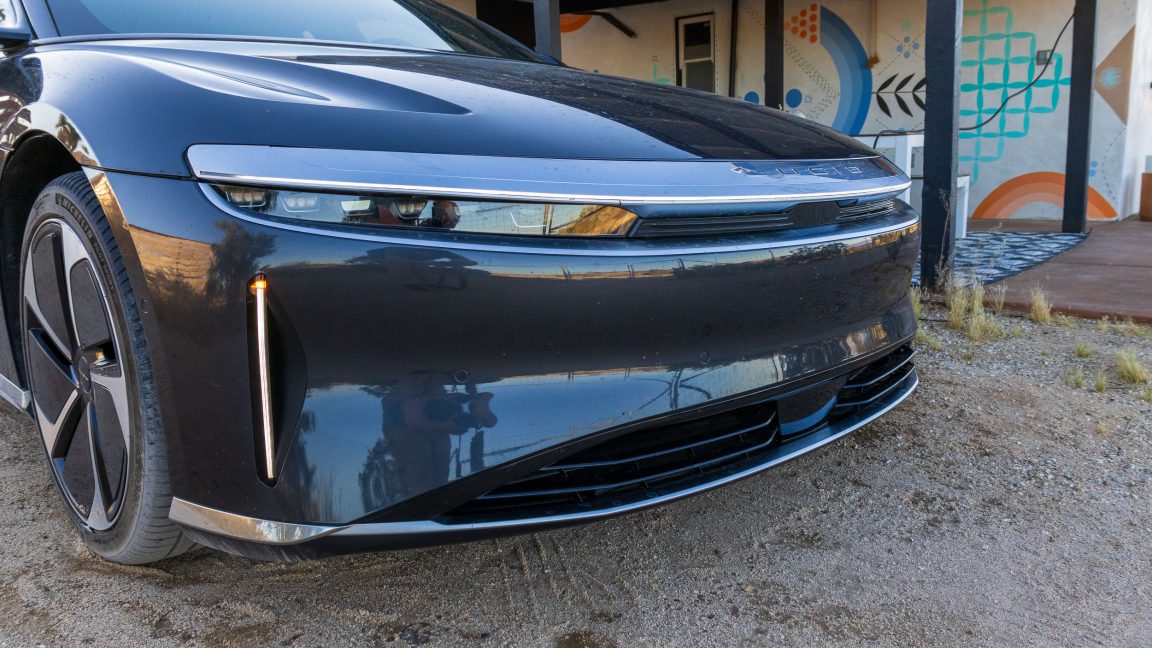
Just three months ago, Lucid Motors showed off a new midsize electric vehicle platform that it said would give rise to a number of new vehicles in the coming years. The Saudi-backed startup is now selling its Gravity SUV alongside the ever-improved Air sedan and plans to reach profitability with smaller and cheaper models sold in higher volumes. But things are far from rosy at Lucid; today, the automaker is laying off approximately 1,500 workers—18 percent of its workforce.

These aren't the first layoffs of the year, either; In February, Lucid let go of 12 percent of its workforce.

In a filing with the Securities and Exchange Commission, Lucid wrote that the layoffs were "designed to advance the Company’s path toward profitability and positive cash flow generation by streamlining its organizational structure, optimizing operating expenses, and aligning production plans with anticipated demand."

Read full article

Comments

© Evan Williams

  •  

The Slate Truck's price may have leaked, starts at $24,950

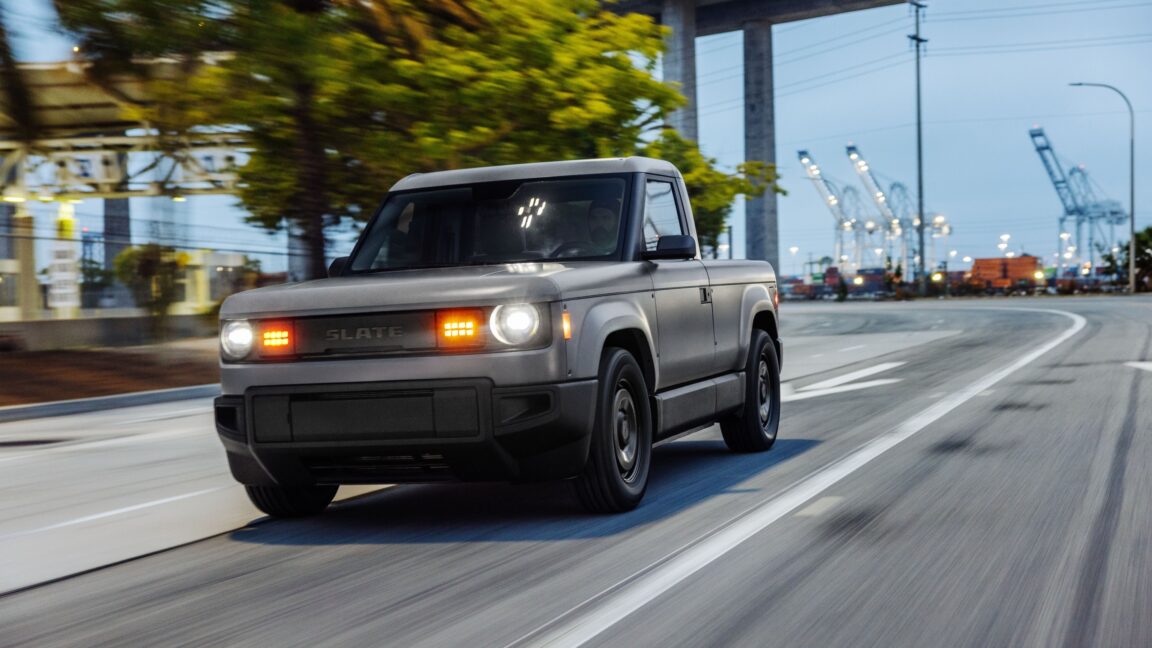
One of the most hotly anticipated electric vehicles makes its formal debut next week. It's the Blank Slate, a refreshingly simple pickup truck EV designed by Slate Auto, which is trying to take some of the soaring cost out of a new car with a back-to-basics approach that means even electric windows are an optional extra. Of course, a crucial aspect of this pared-back approach is pricing.

Plenty of people are attracted to the idea of a truck with a compact footprint, no infotainment system or embedded modem, and the option to upconvert it later into an SUV or fastback. In the abstract, at least, people aren't going to jump at the prospect of a truck with 150 miles (241 km) of range if it costs too much.

When Slate broke cover in 2025, it was targeting a price of around $20,000, assuming the $7,500 IRS clean vehicle tax credit would remain in effect, but it was abolished later that year.

Read full article

Comments

© Slate Auto

  •  

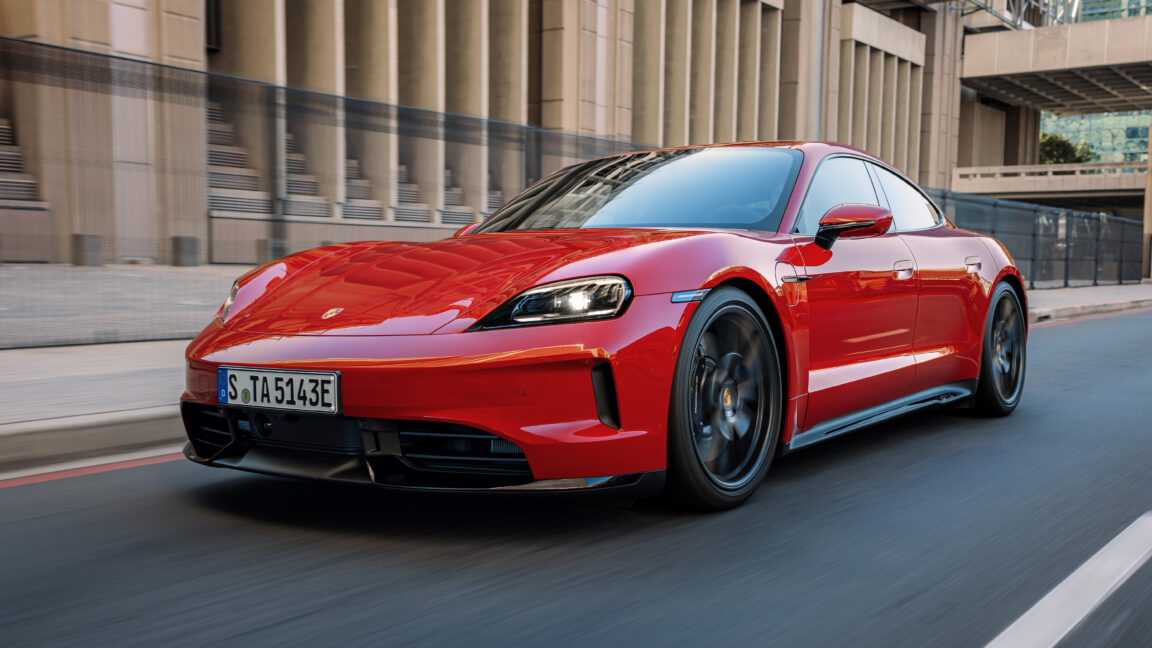
Native NACS ports, infotainment upgrade for MY27 Porsche Taycan

Has the allure of the Porsche Taycan waned? The four-door electric sedan that thinks it's a GT sold well for the first few years after its introduction in 2020, but sales began to slip even before the brand added the smaller, more affordable Macan SUV to its electric lineup. The EV underwent its midlife refresh a couple of years ago, but it seems Stuttgart wasn't done yet; Porsche has some more tweaks for model year 2027, at least for the US market.

For one thing, the 105 kWh performance battery is standard across the Taycan range now—which starts at $111,900—and can charge at up to 320 kW with an 800 V DC fast charger.

And as long as you're not ordering the stripped-out Turbo GT with the Weissach Pack, there's a new plug for that—the CCS1 port that usually lives on the passenger side has been replaced by a NACS port. So no adapter is needed to charge at any of those thousands of Tesla superchargers, but only a small percentage of them operate at sufficient voltage to charge near the Taycan's limit. But IONNA has native NACS chargers capable of 400 kW, and Porsche will provide a CCS1 adapter to use with Electrify America and other 800 V chargers.

Read full article

Comments

© Porsche

  •  

Mobileye is entering the US robotaxi market with standalone service

The driving technology company Mobileye plans to launch a robotaxi service in an as-yet-unnamed US city in 2027, it said earlier today. The service will be vertically integrated, using Mobileye's Moovit mobility platform to interact with customers booking rides, coordinate drivers, and so on. The Israeli company, which was bought by Intel in 2017 before going public again in 2022, says it will start with around 100 robotaxis early next year.

"Mobileye has spent more than two decades building the technologies required for autonomous driving," said Amnon Shashua, founder and CEO of Mobileye. "Today we are taking the next step: combining those technologies with operational ownership to create a financially and geographically scalable robotaxi business designed from the ground up for global deployment."

The company first rose to prominence in the mid-2010s, when Tesla began using Mobileye's advanced driving assistance systems (ADAS) as part of Autopilot. That relationship lasted until 2016, when Mobileye dropped Tesla as a customer after being alarmed that a driver assistance system was being sold to end users as driverless technology. Since then, Mobileye has continued to work with other partners on ADAS and autonomous vehicles.

Read full article

Comments

© Getty Images

  •  

F1 in Spain: An old-fashioned strategy fight can still be thrilling

Formula 1 raced in Spain this past weekend. The Barcelona-Catalunya circuit is one of F1's purpose-built race tracks, with a number of fast corners and a track surface that's more abrasive than usual. That means downforce is the name of the game. Catalunya has always required good aerodynamics, but it's doubly important now. The more speed you can carry through a corner, the less energy you have to add on the following straight, and energy management is now as important in F1 as it is at Le Mans or in Formula E or even IndyCar. And the more downforce you have, the less the car slides, and the less the car slides, the less the tires get eaten up.

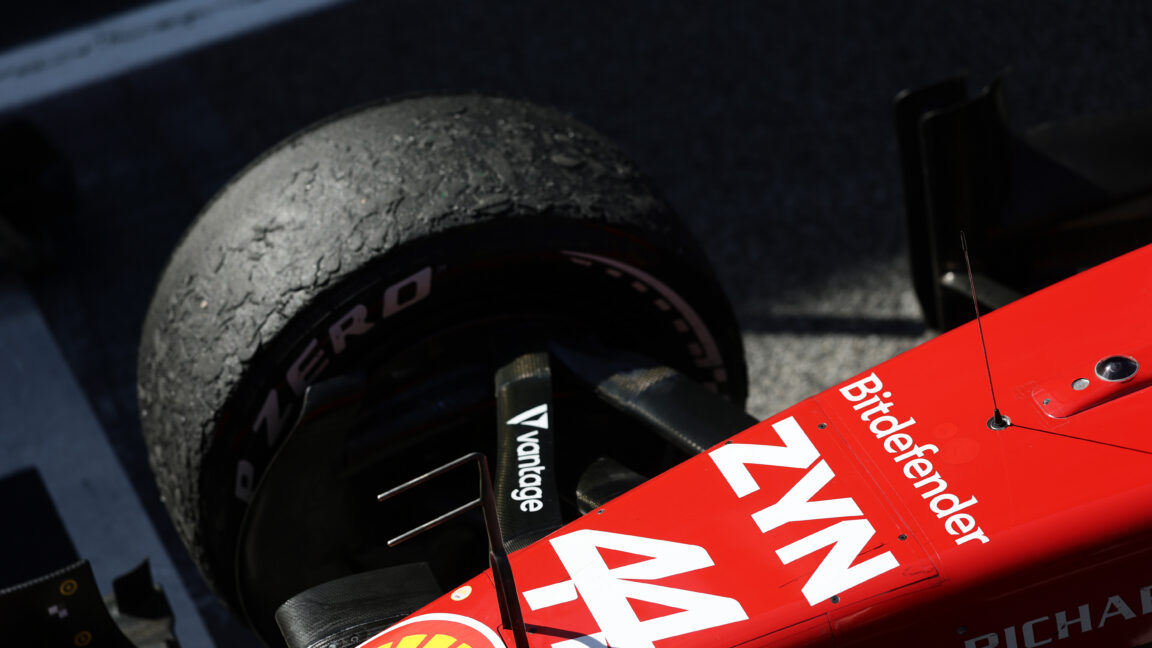
It's the tire wear that suggested the strategies. So far, all the races this season have been one-stop affairs as drivers make their required change from one tire compound to another. But 66 laps of Catalunya would require at least three sets of Pirelli tires to get to the end. Maybe even four. As the tires wear, they become slower, to the tune of 0.2–0.3 seconds per lap. And one way to exploit that is with an "undercut"—pit early, change onto fresh rubber, and make use of the tire offset against your rivals to put in fast laps while they're losing time. Do it right, and when they make their next pit stop, you should be in front.

Splitting the race into four stints means one more pit stop, and it costs about 22 seconds to drive through the pit lane, stop in the box, and then exit the pit lane again, assuming a tire change in less than three seconds. But since each set of tires is needed for fewer laps, they can be worked hard enough to offset that 22-second pit stop and more.

Read full article

Comments

© Mark Thompson/Getty Images

  •  

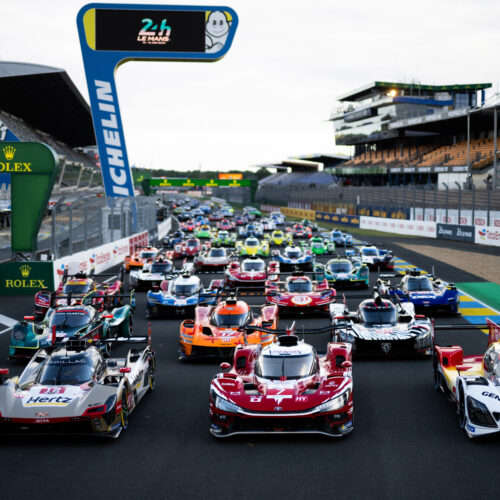
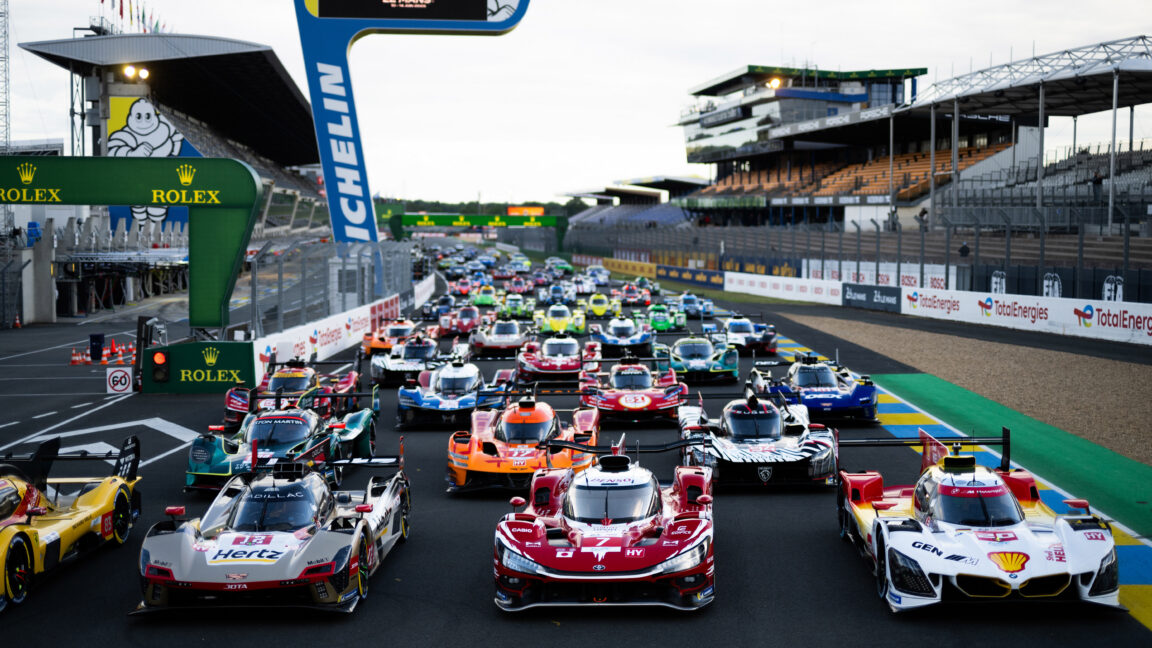
The biggest race in the world? The 24 Hours of Le Mans is this weekend.

One of motorsport's three biggest races takes place this weekend in France. It is the annual 24 Hours of Le Mans, an endurance race that, together with the Indianapolis 500 and the Monaco Grand Prix, make up the 'triple crown,' an unofficial achievement that only the late Graham Hill can claim to have won. This year, 62 different cars take the start, racing on a mix of permanent race track but also public roads that for the rest of the year are how locals get to the supermarket or the local McDos.

It's not the oldest race in the world, but it's up there—it was first held in 1923, and this year will be the 94th running. It was started as a way to give the automotive industry a grueling test for their new machinery and has remained the area of motorsport with the most road relevance. Disc brakes crossed over from aerospace to road cars at Le Mans, and better brakes continue to be tested there today, but it's also where companies like Porsche and Audi and Toyota proved new hybrid technology, brake-by-wire systems, direct-injection engines, and advanced headlights, to name but a few.

This year, the 62 cars are split across three different classes, each crewed by three drivers who take shifts at the wheel. Some of the drivers are pros—among the world's very best. But plenty are amateurs; in the past, lots of dentists, oddly enough. But with the cost of racing these days, it's the tech bros. The Ruby on Rails creator, the co-founder of GitHub, and the co-founder of Crowdstrike are all racing in the LMP2 class. And Valve's Gabe Newell owns the Aston Martin team that is competing in both Hypercar—with the outrageous-looking and -sounding Valkyrie—as well as in LMGT3, where his son Gray will be one of the drivers.

Read full article

Comments

© James Moy Photography/Getty Images

  •  

F1 teams spend millions on their simulators—what makes them different?

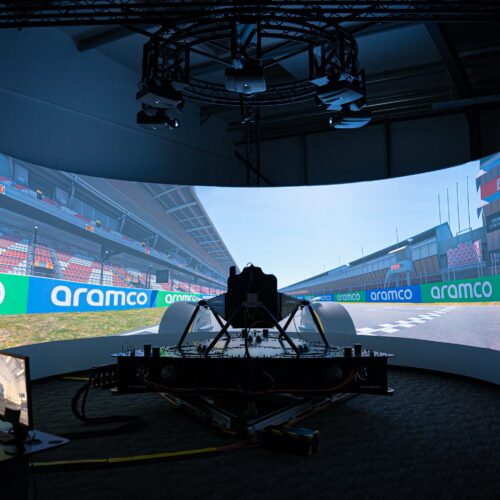
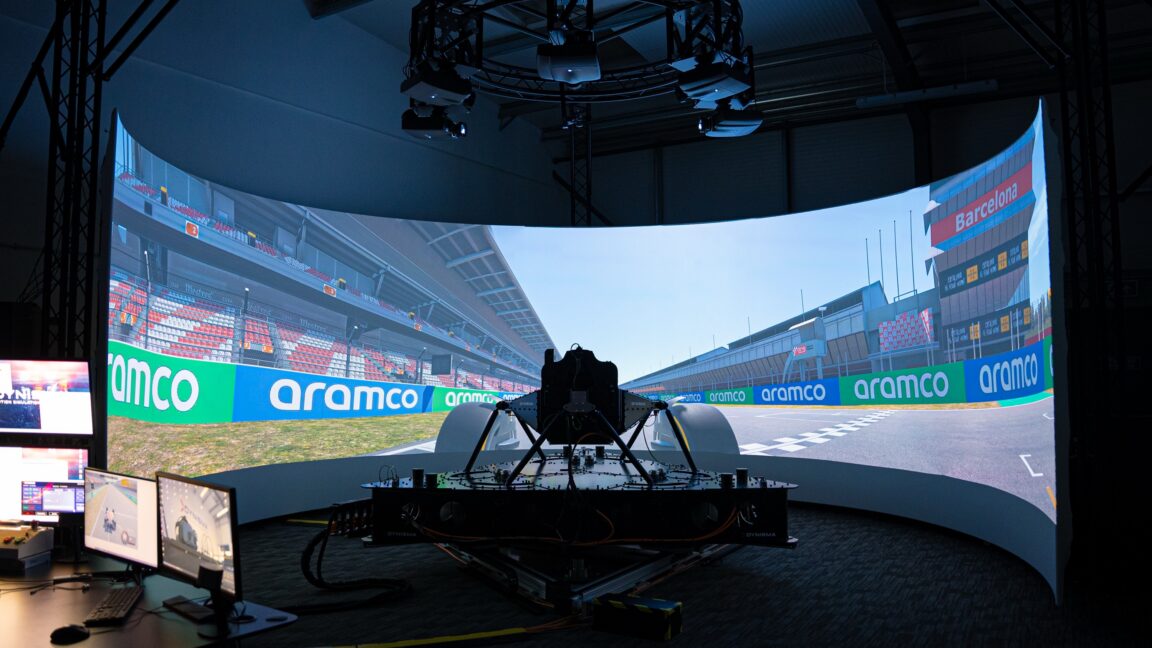
Among the ways Formula 1 has changed in the 21st century has been its adoption of driver-in-the-loop simulators. It all started in the early 2000s, probably at McLaren, maybe at Toyota or Ferrari; F1 teams are notoriously secretive about their performance advantages. Along the years, they've gotten more and more capable, but so too have high-end consumer sims like the multi-axis setups that cost tens of thousands of dollars. What is it that makes the multimillion-dollar simulators used in F1 that much more expensive, and that much better for the job?

For one thing, latency.

"There's this intimate link between the inputs that [a driver] provides to the car, the way the car responds, and then the driver immediately feels that and reacts to it. So this is a very dynamic closed loop involving the driver and the car," explained Ash Warne, founder and CTO of Dynisma Motion Generators, a UK-based simulator company that supplies Ferrari, Alpine, and soon Cadillac with DiL simulators that can cost as much as $10 million.

Read full article

Comments

© Dynisma

  •  

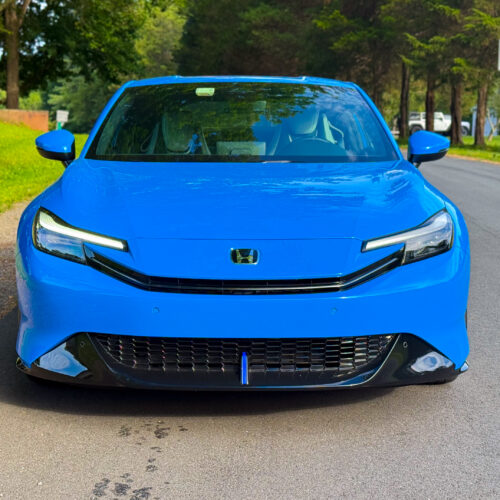
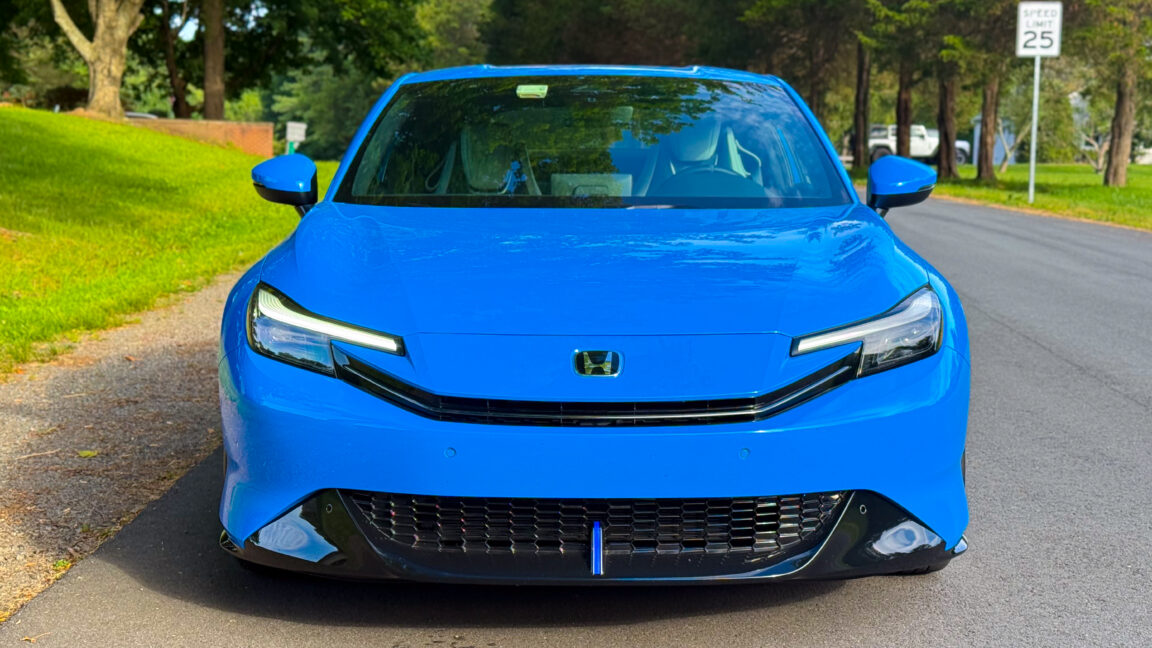
The 2026 Honda Prelude review: Didn't expect such a head-turner

You can tell Honda was trying to manage expectations when it emailed me to stress that "the Prelude is not a sports car." And I can understand why. On paper, the specs make the sleek coupe—technically a three-door hatch—seem underwhelming. Especially if you start comparing it to alternatives.

A Mazda MX-5 or Subaru BRZ weighs hundreds of pounds less, and the Subaru packs more power than the Prelude's 200 hp (149 kW). A Volkswagen Golf GTI weighs about the same as the Prelude at 3,261 lbs (1,479 kg), but it delivers 20 percent more power and offers rear seats that actually accommodate adults. But after a week with the bright blue Prelude, it's hard to care about the specs. This might be one of the best cars we'll drive all year.

Then again, looking back across the previous five generations, the Prelude was never really a sports car. It has always been a technology showcase for Honda, introducing features like fuel injection, four-wheel steering, variable valve timing, and active torque transfer. For the sixth-generation Prelude, the headline feature is Honda's S+ shift, which adds some sporty character to the OEM's four-cylinder hybrid.

Read full article

Comments

© Jonathan Gitlin

  •  

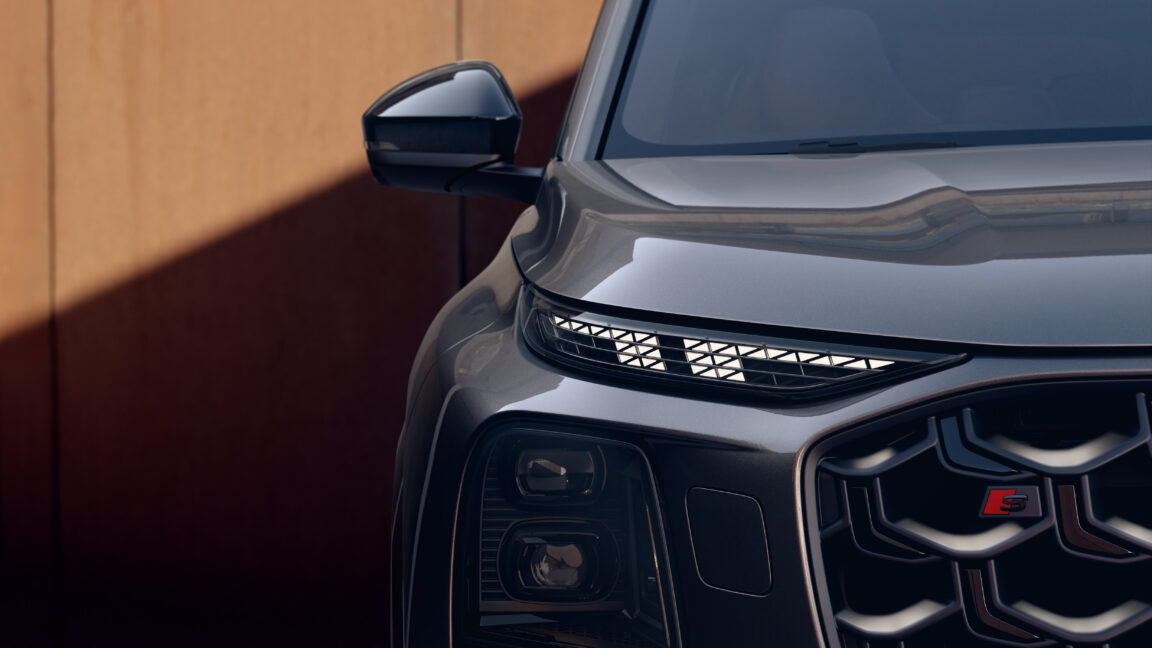
Here's Audi's next Q7 SUV and US-only SQ7, now with an RS V8

MUNICH, GERMANY—Audi is having a bit of an SUV renaissance lately. Over the past 18 months, it has brought out a new electric Q6 and replaced the midsize Q5, and later this summer we'll get to see the Q9, a full-size leviathan with the Escalade in its sights. But today it's the turn of an all-new version of the Q7, and the North America-only SQ7, both of which go on sale later this year for model year 2027.

The standard Q7 will come to the US with a twin-turbo 2.9 L V6 that generates 429 hp (320 kW) and 442 lb-ft (600 Nm). Meanwhile, the SQ7 borrows the 591 hp (441 kW), 590 lb-ft (800 Nm) V8 as found under the hood of the RS7. But there's no plug-in hybrid version slated as far as we know.

Both models use an eight-speed automatic transmission (ZF's very capable 8HP) and all-wheel drive. Audi says these are the quickest-accelerating Q7 and SQ7s it has made, and it also says they should be much better to drive, too. Standard Q7s will ride on steel springs or can option the adaptive air suspension that's standard on the SQ7—this gets an optional third mode that lowers the car by more than an inch (30 mm).

Read full article

Comments

© Audi

  •  

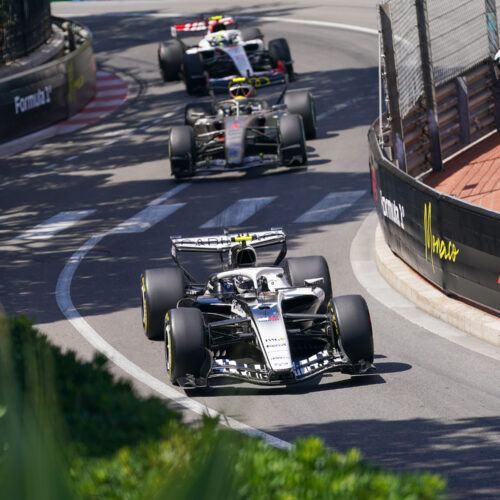
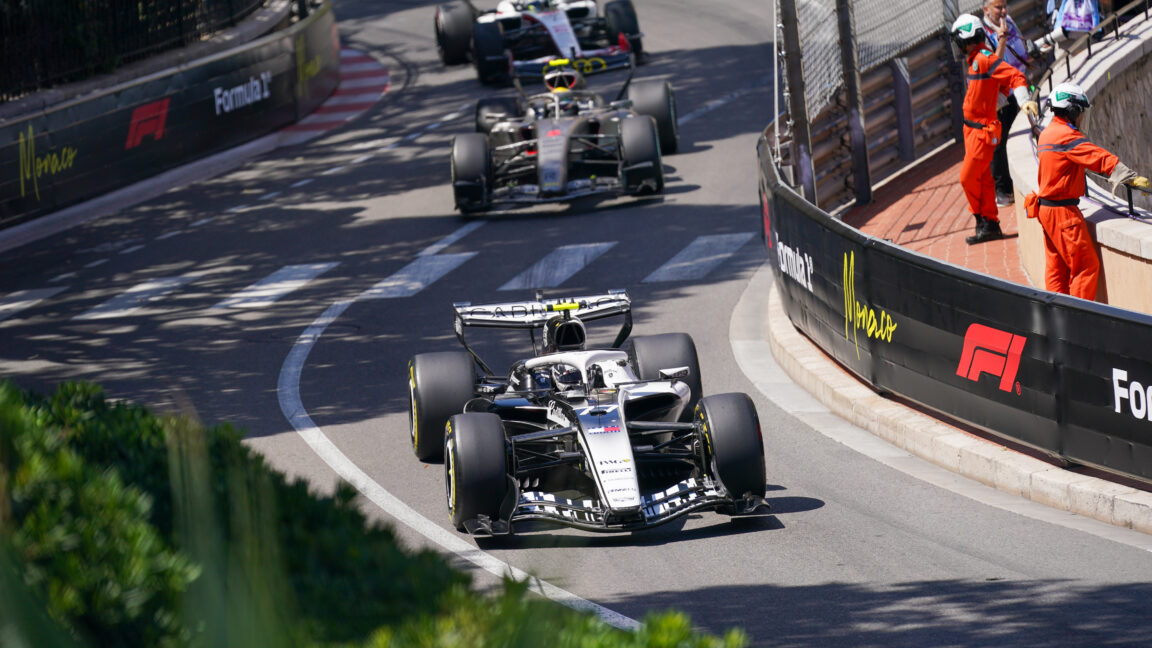
F1 in Monaco: Finally, the cars were flat-out in qualifying

Formula 1 held its annual race on the streets of Monte Carlo this past weekend. The event predates the sport—the first Monaco Grand Prix was held in 1929 on a layout that isn't too different from the one used today.

Over the years, the buildings have changed, crash barriers appeared, the swimming pool section grew, and the cars eventually got too big and fast to race each other properly on the tight confines of a circuit that one world champion described as "riding a bicycle in your living room." But nestled by the Mediterranean, surrounded by super yachts, F1's least-good race is also its most famous and glamorous. After their home Grands Prix, it's the one many drivers most want to win.

Overtaking here is virtually impossible; to see race cars do that around the principality, you'll want to tune into Formula E's visits there. So qualifying on Saturday, which sets the grid order for Sunday's race, was more important than usual. Everyone expected pole to go to one of the two Ferraris. And for the first time this season, the cars raced completely flat-out; with no long straights and plenty of braking zones, the cars were not energy-limited for once this season.

Read full article

Comments

© Alessio Morgese/NurPhoto via Getty Images

  •  

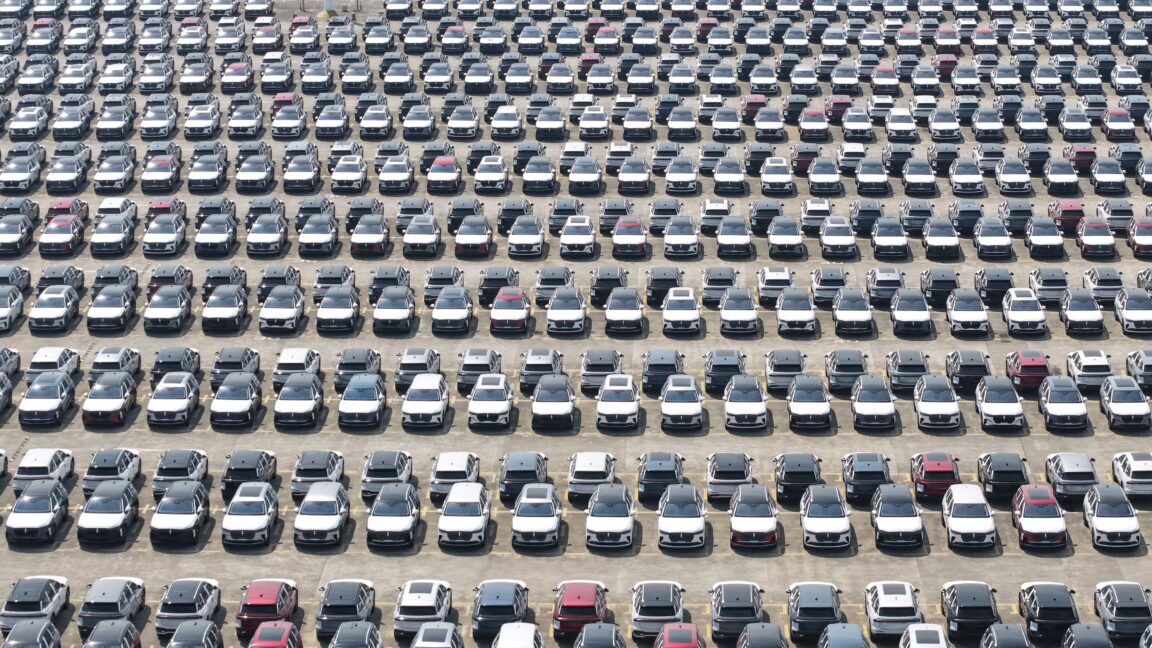
Michigan politicians want to ban Chinese-badged cars from even visiting the US

It's an election year, and that means politicians are putting in extra work to pander to special interest groups they think will help them cross the finish line. If you're looking to be elected in Michigan, there aren't many interests more special than the automotive industry, and a good way to get the industry on your side is by going after the thing it fears the most: China.

Now, if a pair of lawmakers get their way, Chinese-badged vehicles wouldn't just be restricted from sale or import in the US, they'd also be banned from entering the country, even for a simple day trip from Canada or Mexico.

Moves to protect the US auto industry are nothing new, and they're popular across party lines. Former President Biden added an additional 100 percent import tariff on all Chinese-made cars during his term and then had the Department of Commerce draw up new rules—later implemented by the Trump administration—that banned the import of connected cars manufactured by companies owned by or with links to the Chinese government, starting in 2027.

Read full article

Comments

© Costfoto/NurPhoto via Getty Images

  •  
❌