❌

Reading view

The Pixel 11's "glow" feature is actually called HiLightβ€”here's what it does

Google will reveal the Pixel 11 series later this month, but leaks and teasers so far have painted a picture of phones that have barely changed since last year. One notable exception seems to be the illuminated dot from some of the teasers. This has been rumored as "Pixel Glow," but a new leak all but confirms a different (and less interesting) name. Say hello to HiLight.

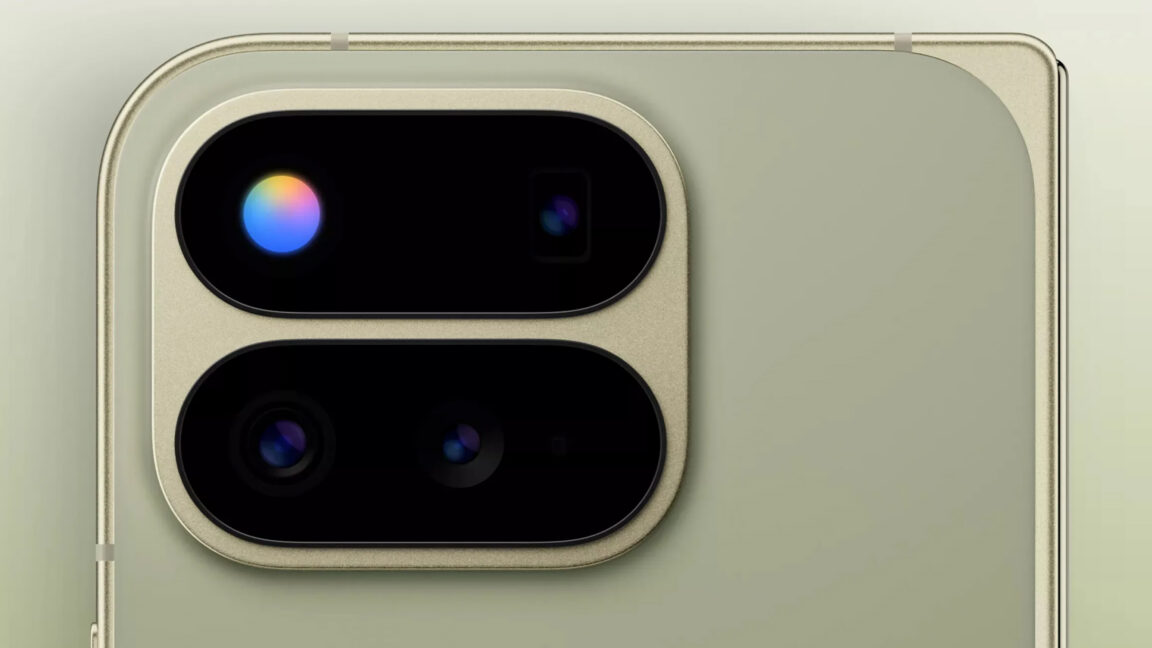
A post on Bluesky by WinFuture's Roland Quandt shows the new LED inside the camera module of the Pixel 11 Pro Fold. We can see the actual body of the device rather than a shadowy outline as in Google's teasers, and it does look a bit different than the previous Pixel Fold.

The camera bump on the Pixel 11 Pro Fold is smaller, with no separate section for the flash off to the right. It appears that HiLight is the flash. Presumably, it still works as a flashlight and camera flash, but it can also produce a range of colors.
Read full article

Comments

Β© Google

  •  

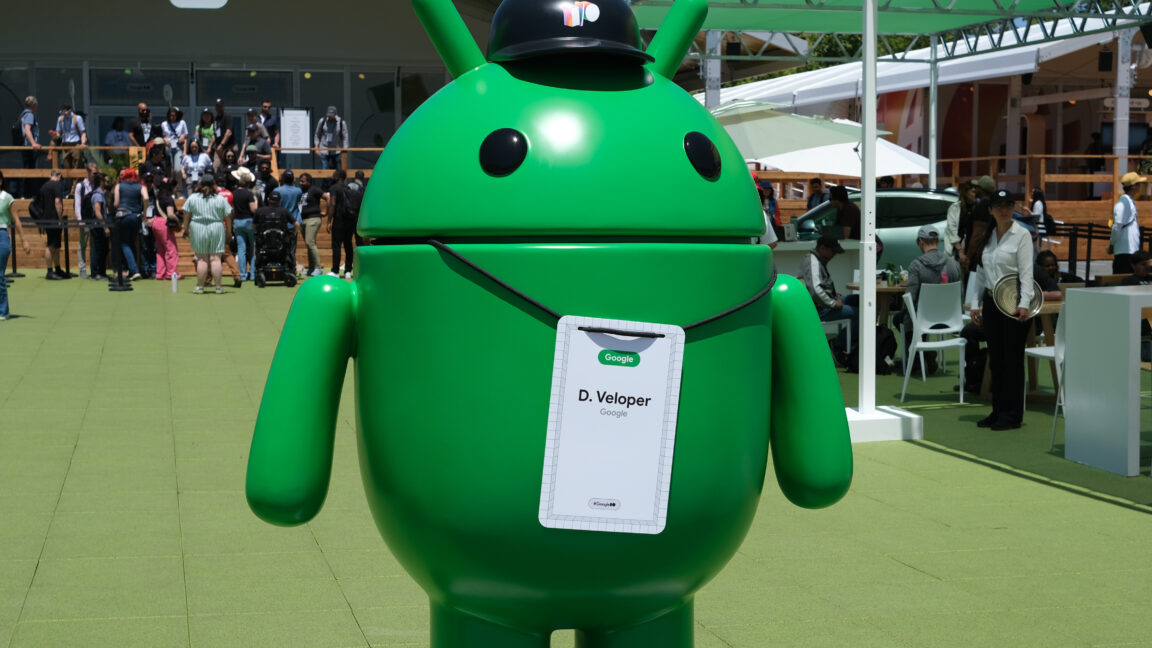
Google plans to exempt sanctioned nations from Android developer verification

We are a month away from the initial rollout of Google's Android developer verification system, which requires developers outside the Play Store to verify their identities, just like it does for devs publishing on its platform. The company contends this policy does not impinge on the platform's open nature. Still, the restrictions will be a big change, and there are still some unanswered questions. An issue that has come up repeatedly in the run-up to verification is what will happen to devs who can't verify because of where they live. It turns out that Google has a cryptic answer for that buried in an FAQ.

Developer verification will soon block the installation of apps from unverified developers on any Android device running Google services, which is functionally all Android phones outside Russia and China. Developers who want to keep releasing software, even if it's not in the Play Store, have to provide Google with their ID and pay a small fee.

But what if you're an Android developer living in a sanctioned nation? Currently, the US sanction list includes Iran, Cuba, North Korea, and occupied areas of Ukraine. Given the current uncertain state of US foreign policy, that list could change in the future. Google doing any business with developers in those places is a thorny issue, and it seems like the company has decided to just leave them hanging.

Read full article

Comments

Β© Ryan Whitwam

  •  
❌