❌

Reading view

Things are finally looking up for NASA's first missions to Venus in a generation

Most planetary scientists will tell you the heyday of Venus exploration was more than a generation ago. That is about to change.

Two NASA missions are on track to launch to Venus in the early 2030s. The first, known as the Deep Atmosphere Venus Investigation of Noble gases, Chemistry, and Imaging (DAVINCI), is now scheduled for launch in December 2030, a year earlier than previously planned. DAVINCI will send a parachute-assisted descent probe through the atmosphere of Venus, returning the first direct images of the planet's surface since 1982. A second mission, Venus Emissivity, Radio science, InSAR, Topography, And Spectroscopy (VERITAS), will follow with a launch in November 2032 to map the Venusian surface by radar from orbit.

The European Space Agency is building another orbiter, Envision, for launch to Venus in 2032. The Venus armada might get started as soon as next year, when Rocket Lab aims to launch a privately funded probe to search for signs of organic material in the planet's clouds.


Read full article

Comments

Β© NASA/Mike Guinto

  •  

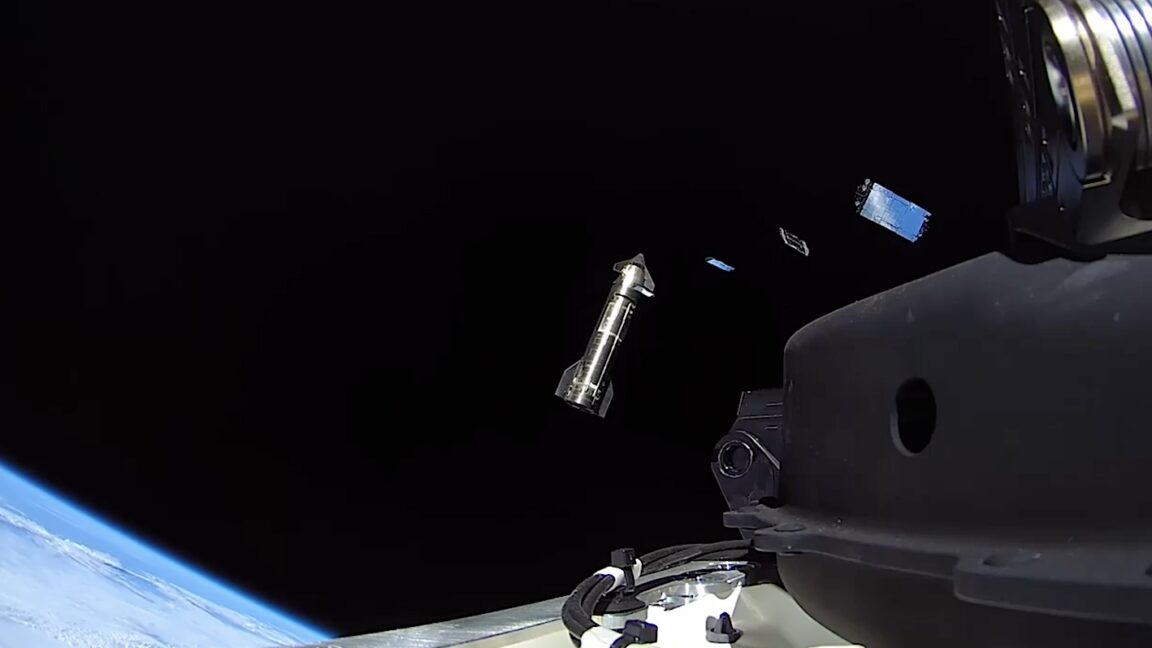
SpaceX calls for better coordination in orbit after near-misses with Starlink

Space has plenty of room for more megaconstellations, but only if all operators are willing to share information about where their satellites are and where they're going, a top executive at SpaceX and its AI subsidiary said this week.

Michael Nicolls, SpaceX's vice president for Starlink and president of Elon Musk's artificial intelligence company, xAI, used a presentation Tuesday at the International Astronautical Congress in Turkey as a clarion call for improved data-sharing among satellite operators.

SpaceX's Starlink constellation now has more than 11,000 satellites, about two-thirds of all active spacecraft in low-Earth orbit. Radars and telescopes routinely track thousands more pieces of space junk.

Read full article

Comments

Β© SpaceX

  •  

If you're looking, here's a "good deal" for NASA and the European Space Agency

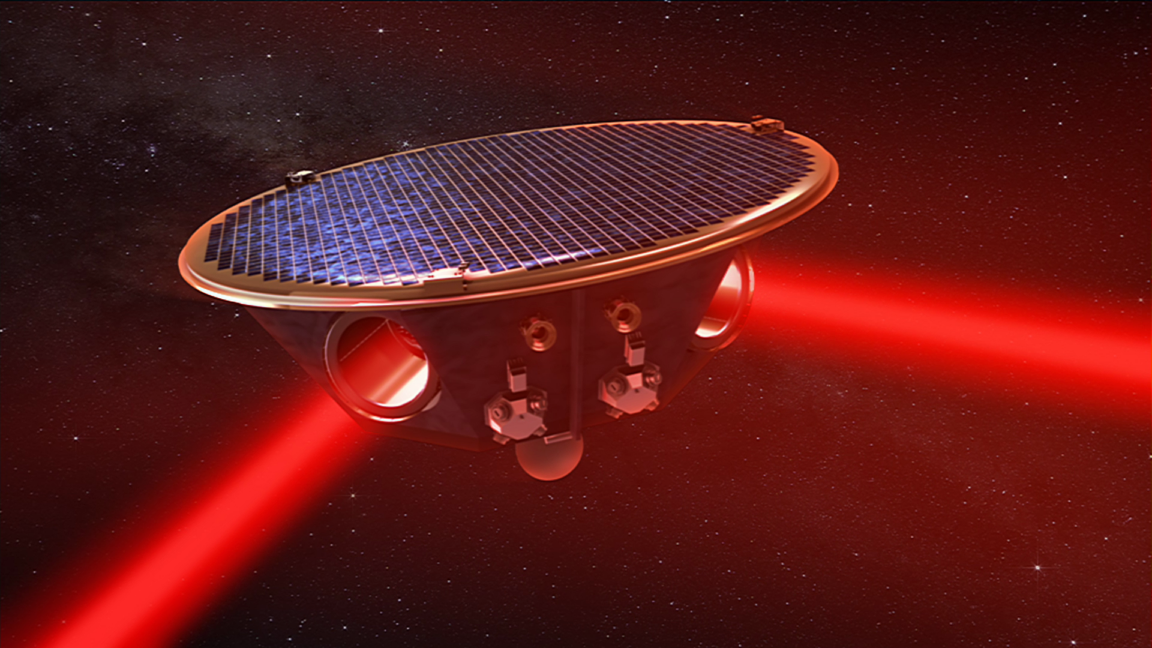
It's no surprise that NASA's new tack toward foreign partnershipsβ€”good deals only, pleaseβ€”is challenging preconceived notions of international cooperation in space.

Without a massive budget hike, the US space agency's emphasis on building a Moon Base and winning a competition for lunar real estate and resources with China will inevitably leave lesser priorities behind.

Gone is the Lunar Gateway, a space station that was to be assembled in orbit around the Moon. For the United States, Gateway was an unnecessary distraction and expense as NASA goes all-in on placing a surface station near the Moon's south pole.

Read full article

Comments

Β© AEI/MM/Exozet

  •  
❌