❌

Reading view

NASA updates lander plans for Moon landings, finally solves long-festering Orion issue

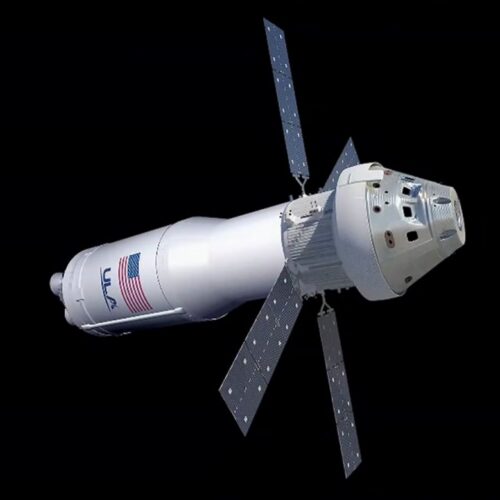
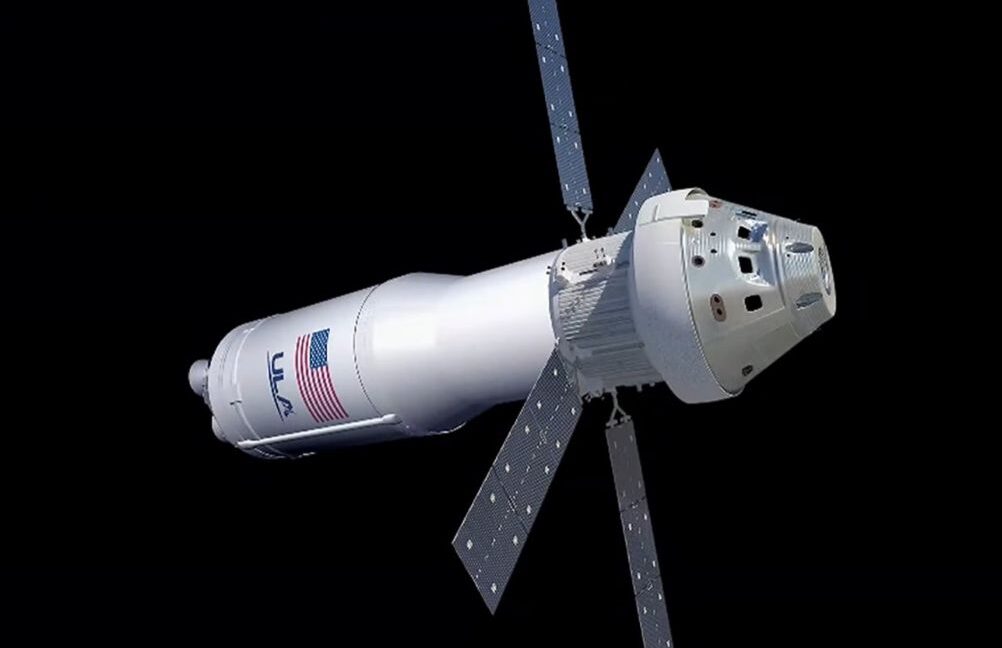
During a lengthy news conference on Friday, NASA provided a detailed overview of how it plans to return astronauts to the lunar surface as soon as 2028 as part of its Artemis Program.

Although much of the information behind these plans has been previously reported at Ars Technica and elsewhere, this marked the first time NASA has laid them out in detail and acknowledged some substantial changes in the architecture.

Most notably, for SpaceX's Starship vehicle, the revised plan calls for the Orion spacecraft to dock with the Starship lunar lander in high-Earth orbit before transiting to the Moon. And for Blue Origin, the mission architecture includes four launches of the New Glenn rocket, but no spacecraft-to-spacecraft refuelings. Additionally, the Blue Origin plans allows for the possibility of its Blue Moon lander rendezvousing with Orion in low-Lunar orbit.
Read full article

Comments

Β© NASA

  •  

Rocket Report: SpaceX says no thanks to military launches; Spanish rocket nearly ready

Welcome to Edition 9.16 of the Rocket Report! Lots of SpaceX-related news this week including a couple of Thursday shockers. In one story, the company told the US Space Force thanks, but no thanks after being offered three military launch contracts. Then, on the civil space side of things, SpaceX's Starship may required up to 22 refuelings to support a lunar landing, a NASA safety panel said.

As always, we welcome reader submissions, and if you don't want to miss an issue, please subscribe using the box below (the form will not appear on AMP-enabled versions of the site). Each report will include information on small-, medium-, and heavy-lift rockets as well as a quick look ahead at the next three launches on the calendar.

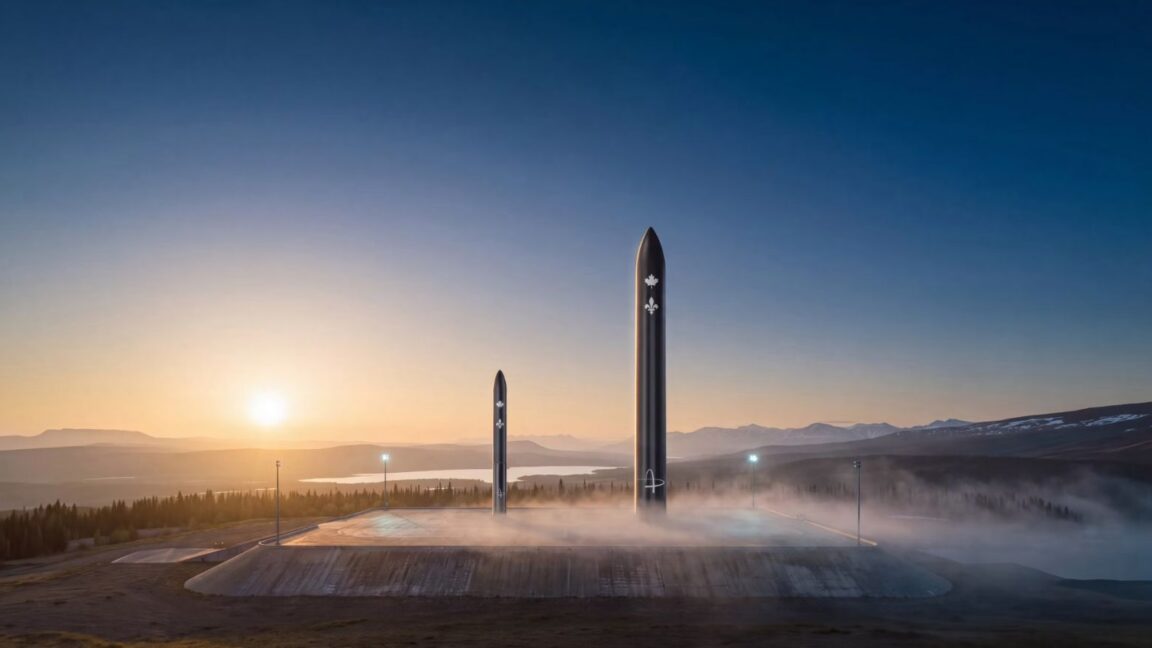
Miura 5 getting closer to launch. PLD Space says its Miura 5 rocket, due to undertake its inaugural launch next year, is nearing final integration, Aviation Week reports. The rocket is one of three Miura 5s the company has already manufactured, with the other two designed to qualify key system elements, CEO RaΓΊl Torres said in an October 19 program update. PLD Space now targets a first flight of the small-lift vehicle before mid-2027.

Read full article

Comments

Β© Reaction Dynamics

  •  

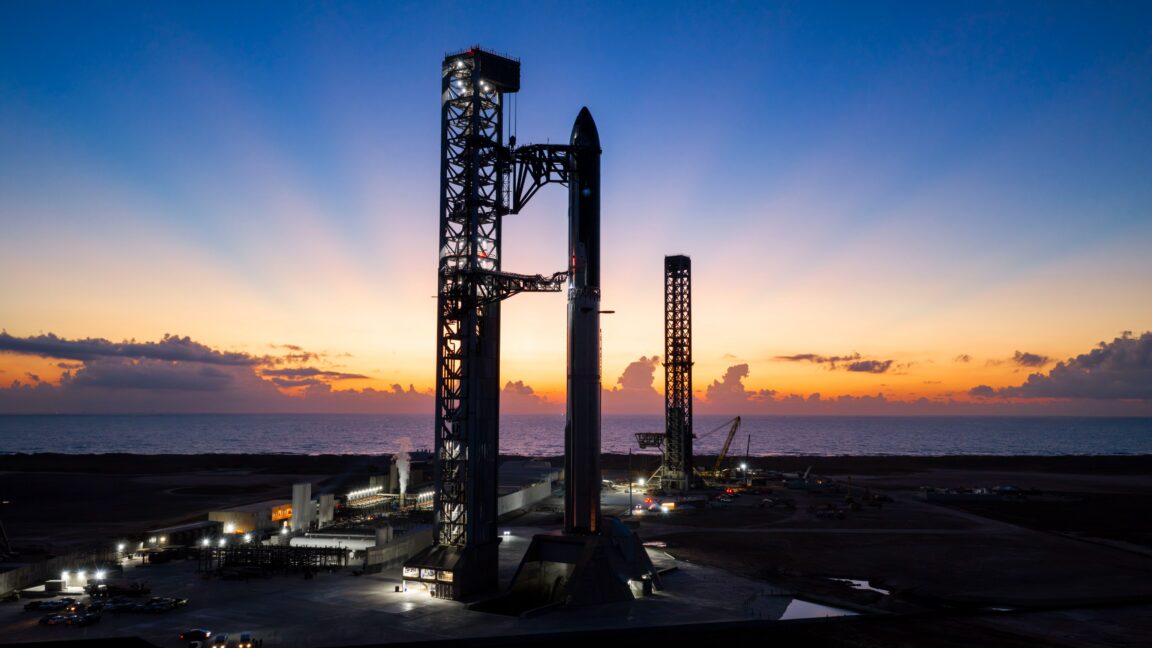
Latest estimate for Starship launches required to support a Moon landing? 22.

NASA does not have, nor want, nuclear weapons. But when it comes to a particular metric that is part of the Artemis Program to land people on the Moon, NASA guards a particular number like it is trying to prevent outsiders from cracking nuclear codes.

I am speaking of the number of Starship launches required to fuel a Starship-based lunar lander in low-Earth orbit such that it can fly out to the Moon, land there, and return to lunar orbit.

This number has been a moving target over the years. The general response from NASA has typically been, 'We don't know for sure, so we're not going to say.' In 2023, for example, the then-director of NASA's Human Landing System, Lisa Watson-Morgan, told Ars, "We have a general idea, but I’m reluctant to say exactly what that is."

Read full article

Comments

Β© SpaceX

  •  
❌