Reading view

Heart protection from COVID shots remains amid updates, study finds

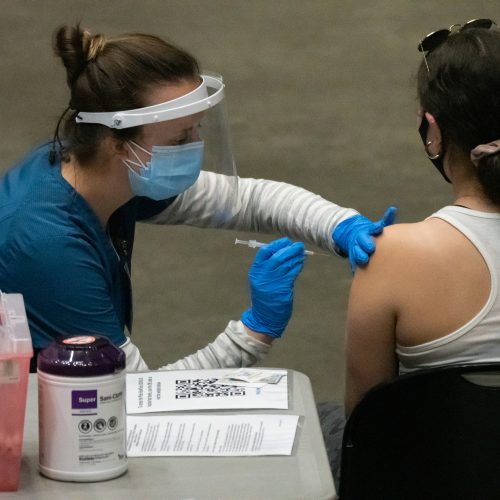
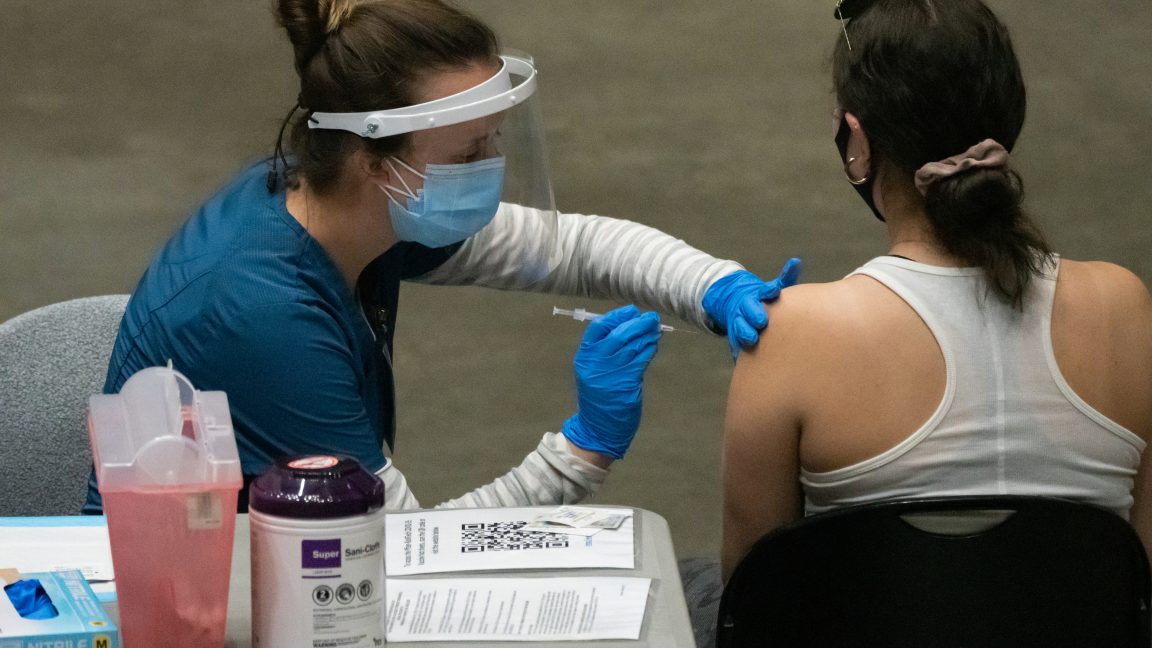
Although most Americans have eschewed seasonal COVID-19 vaccines, the updated shots continue to show significant protection against cardiovascular disease, especially for those over age 75 and those with underlying medical conditions. That's according to a new study that pulled data from more than 1 million patients in a US Department of Veterans Affairs (VA) health system.

The finding builds on previous data showing that the vaccines significantly lower the risk of COVID-19-associated cardiovascular risks, particularly heart attacks and strokes. But it wasn't a given that the benefit would hold up over time—as the virus evolved, the vaccines were updated, population-level immunity increased from previous infection and vaccination, and risk of severe outcomes fell.

The new study, published in JAMA Internal Medicine, found that the 2024–2025 COVID-19 vaccine continued to protect against COVID-19-associated "major adverse cardiovascular events" (MACE), which include cardiovascular death, heart attack, stroke, and hospitalization for heart failure.
Read full article

Comments

© Getty | Bloomberg

  •  

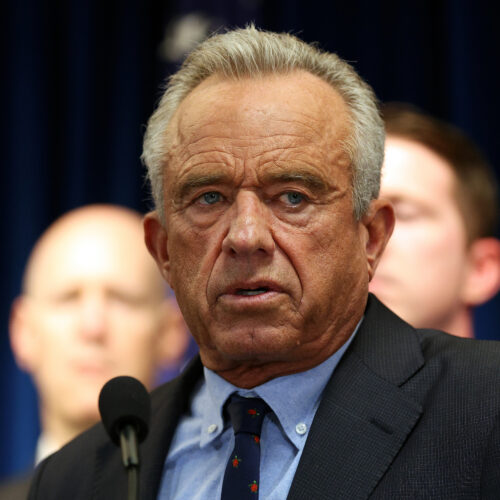
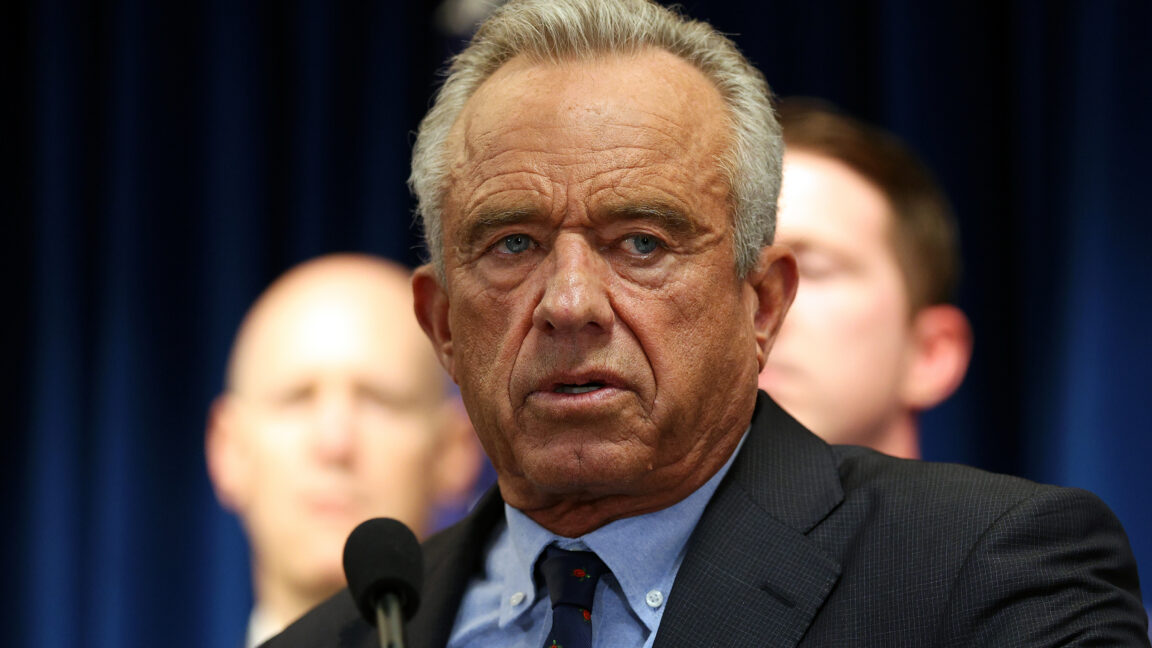
RFK Jr. melts down over NYT report, admits he blacklists reporters

Anti-vaccine Health Secretary Robert F. Kennedy Jr. posted a long, enraged social media response to a New York Times article reporting that health department insiders think Kennedy is disengaged from the work of his sprawling agency. His response, however, seems to back the Times' claim.

The report, published Sunday, June 7, relied on accounts from a dozen people who have had direct contact with Kennedy during his time as health secretary. Collectively, the sources indicate that Kennedy has little interest in the details of the health department's work and little direct interaction with career staff. Kennedy misses critical, regularly scheduled meetings with agency leaders, is sometimes "checked out" in the meetings he attends, and has been out of the loop on key decisions, such as the firing of Tracy Beth Høeg, a political appointee elevated to top drug regulator at the Food and Drug Administration. In his stead, Kennedy often refers people to his protective, longtime assistant, Stefanie Spear, who colleagues say has slowed department operations and fueled some significant leadership departures.

On Wednesday night, Kennedy responded to the report with an 871-word diatribe on social media against the reporter, veteran journalist Sheryl Gay Stolberg, and the Times. His key argument was that much of the story could be refuted by a look at his jam-packed public calendar.

Read full article

Comments

© Getty | David Berding

  •  

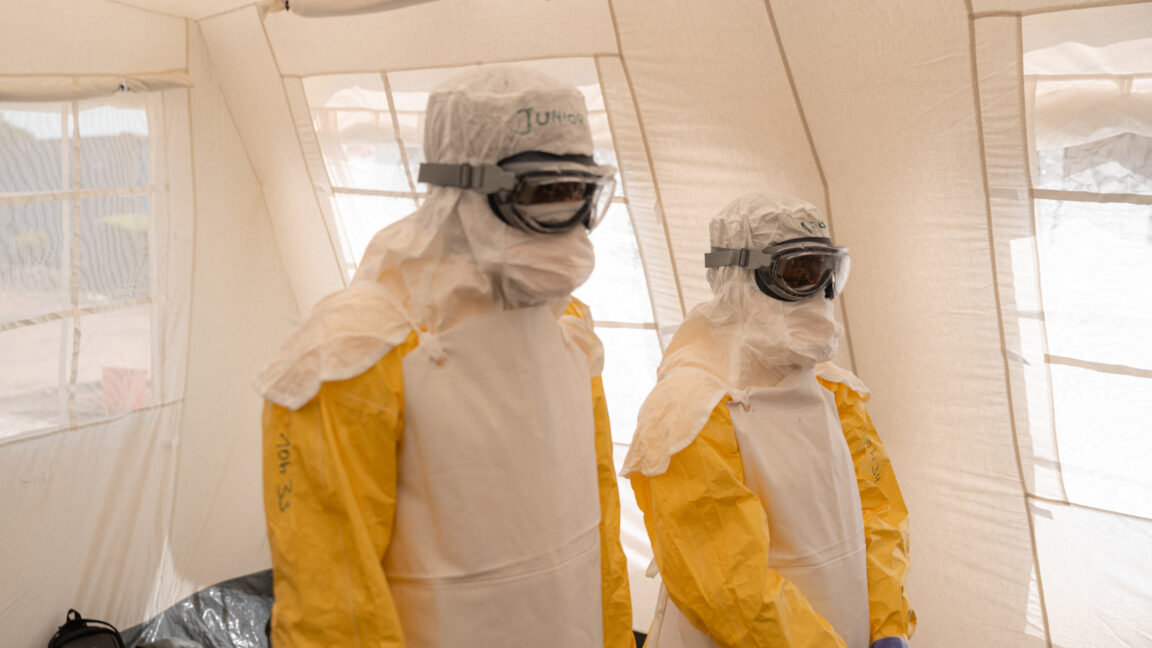
Ebola cases in DRC rise to 676 as Kenya protests erupt over US plans

Nearly a month into the Ebola outbreak in the Democratic Republic of the Congo, cases continue to rise as officials are still trailing the virus in their response efforts.

As of Thursday, June 11, the DRC has reported 676 confirmed cases, 136 deaths, and 119 suspected cases. Uganda is reporting 19 confirmed cases and two deaths.

The outbreak, caused by the Bundibugyo strain of Ebolavirus, is already the third largest Ebola outbreak on record. But health experts fear that it could grow much larger and had been quietly spreading for months before the outbreak was declared on May 15.

Read full article

Comments

© Getty | Jospin Mwisha

  •  

Diabetes org apologizes for ejecting scientists over criticism of Trump

Amid intense backlash, the head of the American Diabetes Association posted a video Wednesday apologizing for the organization's decision on Friday to forcefully remove five leading diabetes scientists from the association's annual meeting.

The scientists were ejected for handing out copies of an April editorial—published in the ADA's own journal Diabetes Care—that sharply criticizes the Trump administration for the damage and destruction it's wreaking on biomedical research. The five scientists included Steven Kahn, professor of medicine at the University of Washington, who is the editor-in-chief of Diabetes Care and a co-author of the editorial. It also included former ADA President Desmond Schatz of the University of Florida.

The scientists were distributing the editorial outside the conference's opening speech, which was originally scheduled to be given by Jay Bhattacharya, head of the National Institutes of Health under Trump. Bhattacharya canceled at the last minute, and senior NIH official Rick Woychik took his place.

Read full article

Comments

© Screenshot/MedPage Today

  •  

OB-GYNs release their own vaccine schedule, rejecting RFK Jr.'s meddling

For the first time, the American College of Obstetricians & Gynecologists (ACOG) has released its own recommendations for maternal vaccination, providing formal guidance that diverges from that of the Centers for Disease Control and Prevention amid unprecedented policy changes and meddling from anti-vaccine Health Secretary Robert F. Kennedy Jr.

ACOG President Camille Clare blamed "changing national recommendations coupled with rampant vaccine misinformation" for the confusion among patients and health care professionals about vaccines during pregnancy.

"It is incredibly important for the public to have access to reliable, evidence-based information on maternal immunizations from a trusted source. ACOG is proud to be that source," Clare said in a statement.

Read full article

Comments

© Getty | NataliaDeriabina

  •  

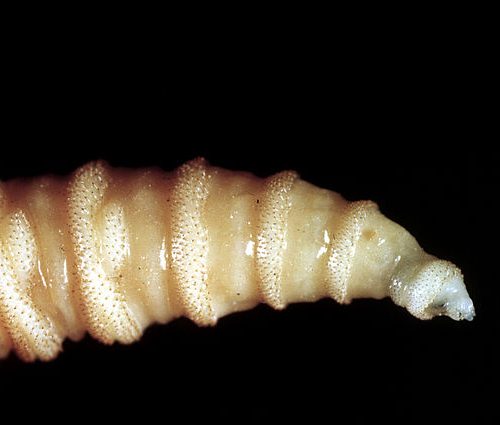
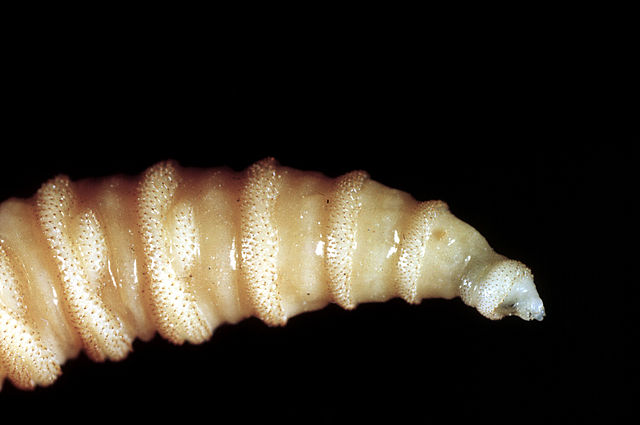
Screwworms in US: Human risk is low—but they can burrow through your skull

Ravenous, flesh-eating flies have busted through containment barriers and have now reemerged in the US. On Monday and Tuesday, the US Department of Agriculture reported three new cases, bringing the tally to five.

One of the cases is in a dog, though it's unclear where it became infected; the dog lives in New Mexico, had its infection reported in Texas, and may have recently traveled to Mexico, where the flies are also spreading. But the other four US cases were all in Texas—and all in calves—two in Zavala County and two in La Salle County.

Almost all the attention over screwworm's resurgence has focused on the threat to livestock, like the calves and, in turn, the financial risk to the cattle industry. The fly's voracious, screw-shaped larvae can fell cattle if given the chance, and preventing infestations requires intense vigilance. The USDA has estimated that if the flies stage a comeback rivaling isolated outbreaks of the past, they could cost Texas producers $732 million per year and the Texas economy $1.8 billion.

Read full article

Comments

© CSIRO

  •  

Baby botulism outbreak: FDA still doesn't know cause—or how to prevent it

The Food and Drug Administration this week posted what critics call an "underwhelming" epilogue to the devastating outbreak of botulism in babies, which was linked to spore-contaminated formula made by ByHeart. Despite clear tracking of the contamination, the regulator still doesn't know how the bacteria arrived in the formula—or how to prevent it from happening again.

"The FDA's investigation into the root cause is ongoing with a focus on ingredients," the agency reported.

In the void, three companies at the center of the investigation are left pointing fingers at each other, with none publicly taking responsibility for the contamination.

Read full article

Comments

© ByHeart

  •  
❌