❌

Reading view

Ice sheet expansion may have started 2,000 years ago, but we canceled that

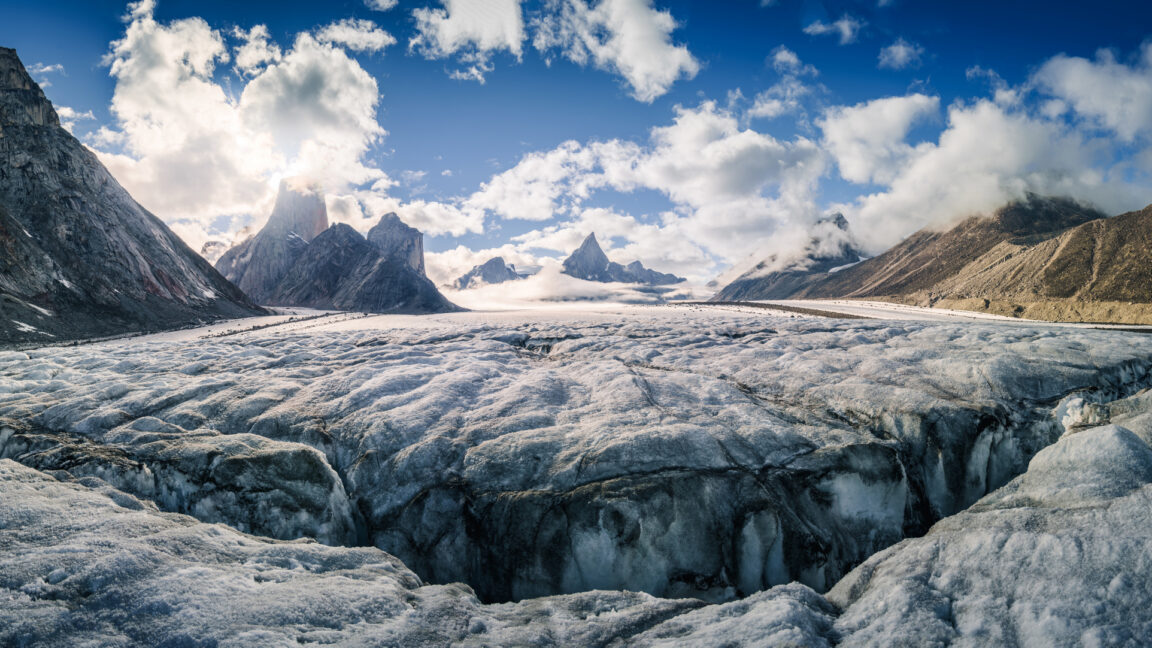
Barnes Ice Cap sits on the central plateau of Baffin Island, in the Canadian Arctic. It is the last surviving fragment of the Laurentide Ice Sheet, the largest of the Pleistocene ice sheets, which at its peak buried most of Canada under two miles of ice and locked away around 80 meters of sea level. That remnant has now yielded direct physical evidence that ice sheets might have reversed their retreat and started to grow again thousands of years ago.

In a recent Science study, researchers show that the Laurentide reached its smallest size about 3,600 years ago, then started re-expanding roughly 2,000 years ago, which the team interprets as the opening move of the next glaciation. Apparently, this brand-new ice age was on its way until about 1960, when human-caused climate warming reversed it.

Frozen to the bed

“Barnes is the last remaining piece of one of the domes of the Laurentide Ice Sheet,” says Nicolás Young, a geologist at Columbia University's Lamont-Doherty Earth Observatory and lead author of the study. As that enormous dome thinned through the Holocene, its margin withdrew up onto Baffin Island, and what's left today is the deflated core of something that was once two miles thick. The reason Barnes can testify about its own history, Young explains, comes down to the temperature at its base.
Read full article

Comments

© Posnov

  •  

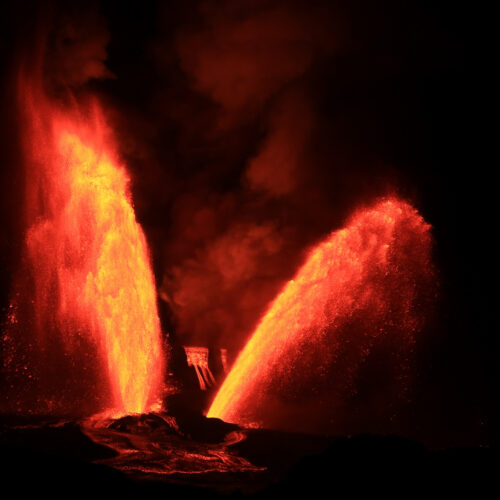
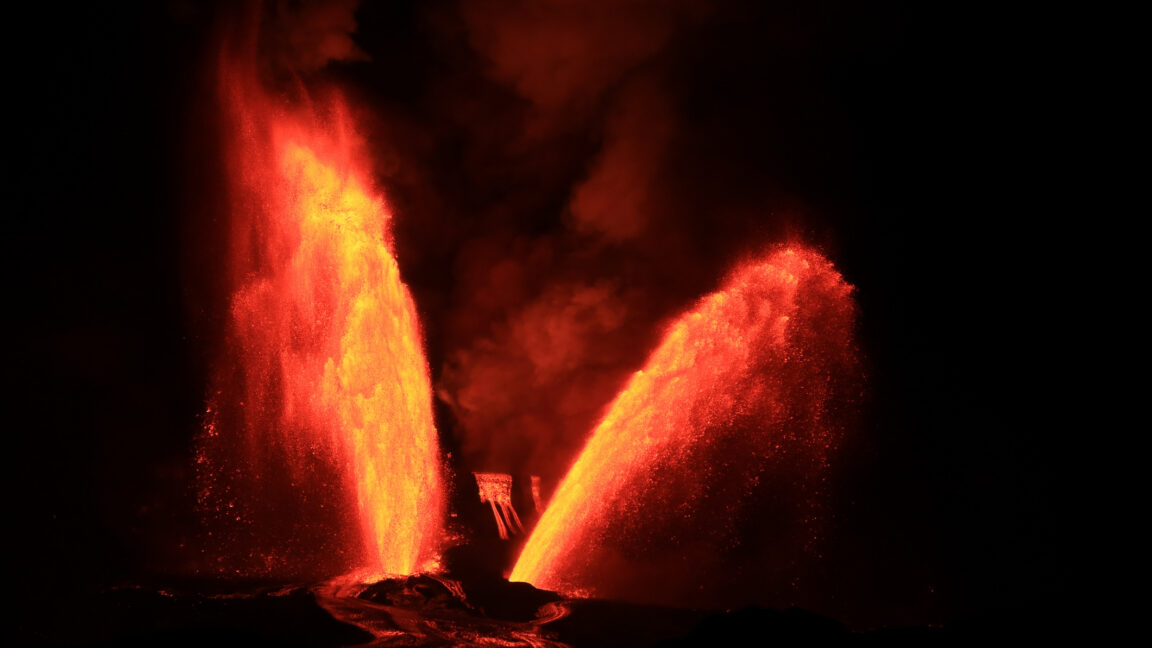
What's been driving Hawaii's lava fountains?

In most cases, hotspot-driven volcanism is relatively sedate, with lava flowing down mountainsides slowly enough that people can walk out of its way. But in a number of locations—Mount Etna, Hawaii, Iceland—lava gets expelled in dramatic fountains that can reach several hundred meters in height.

Right now, we're not sure what powers them. However, thanks to a recent set of eruptions at the Kilauea volcano, we have some of the best documentation yet of erupting lava fountains. In a recent edition of Science, researchers from the US Geological Survey describe what we've seen and compare it with what we might expect based on our best ideas about what powers these fountains of molten rock.

Years of fountains

With three active volcanic regions that engage in fountaining, there has been a steady flow of dramatic videos of red-hot molten rock spouting from the Earth. But Kilauea has had only three fountaining episodes since 1823, even though it's the youngest and most active volcano in Hawaii. That activity has led to intensive study, and we have a good idea of the volcano's structure. Previous work has identified a couple of lava residues within a few kilometers of the surface, and the volcano had 35 separate data-gathering stations set up on Kilauea, including "seismic, infrasound, geodetic, gas, and visual and thermal cameras."

Read full article

Comments

© Mike Lyvers

  •  
❌