❌

Reading view

Ice sheet expansion may have started 2,000 years ago, but we canceled that

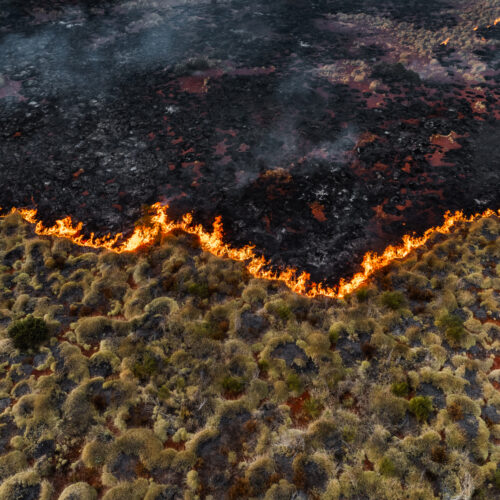
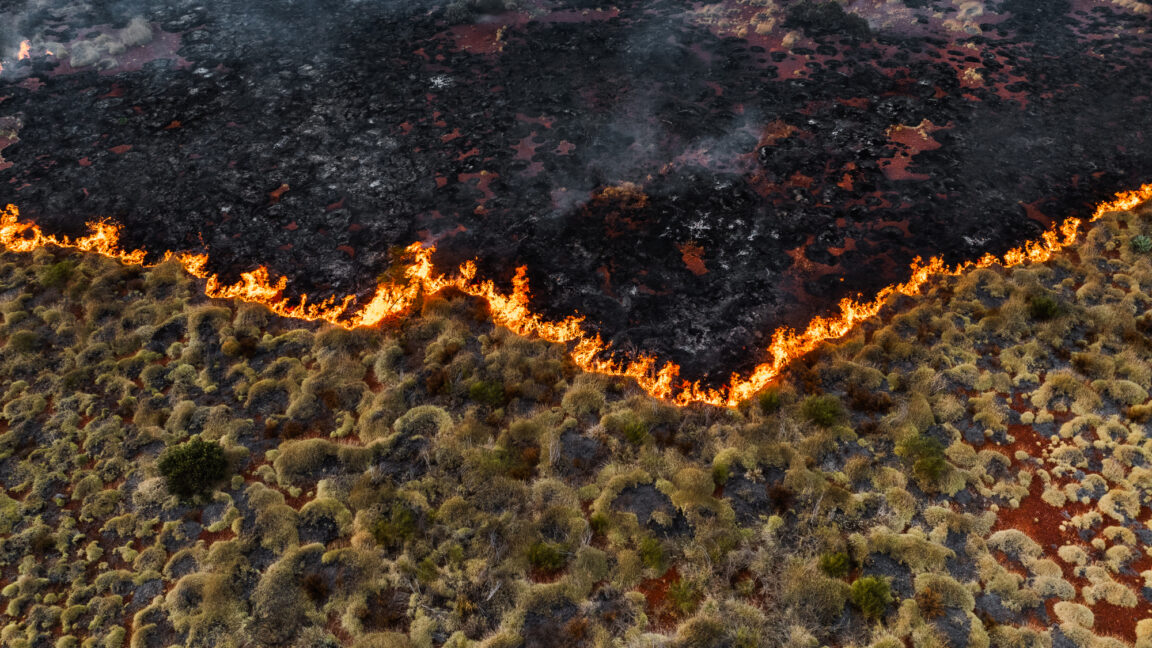
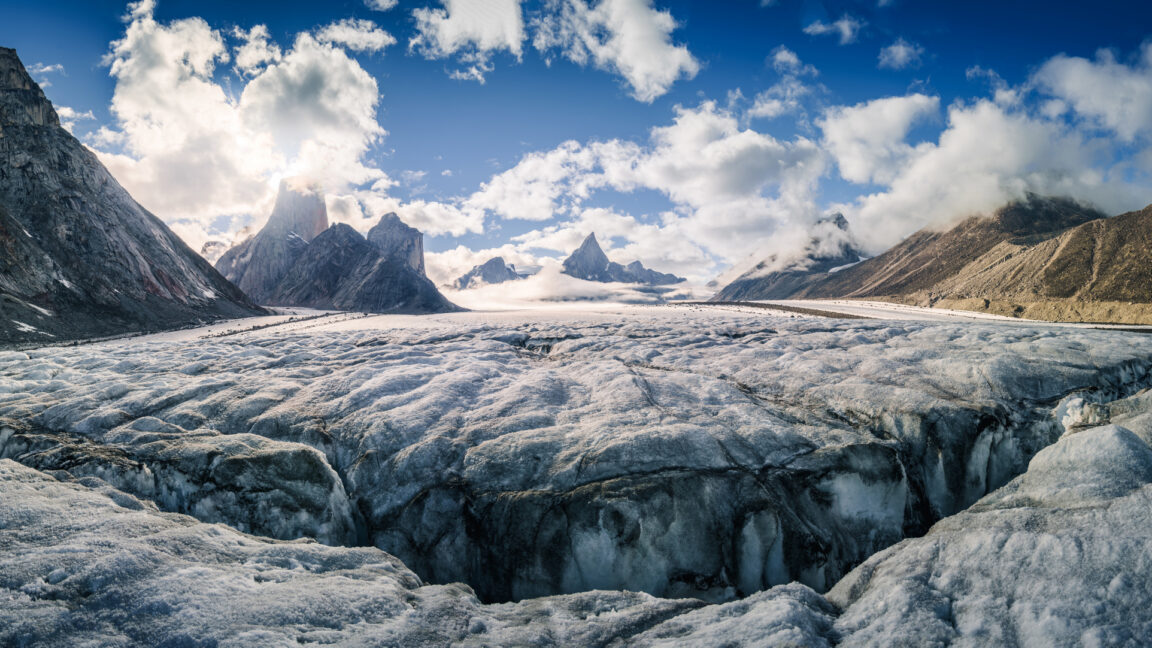
Barnes Ice Cap sits on the central plateau of Baffin Island, in the Canadian Arctic. It is the last surviving fragment of the Laurentide Ice Sheet, the largest of the Pleistocene ice sheets, which at its peak buried most of Canada under two miles of ice and locked away around 80 meters of sea level. That remnant has now yielded direct physical evidence that ice sheets might have reversed their retreat and started to grow again thousands of years ago.

In a recent Science study, researchers show that the Laurentide reached its smallest size about 3,600 years ago, then started re-expanding roughly 2,000 years ago, which the team interprets as the opening move of the next glaciation. Apparently, this brand-new ice age was on its way until about 1960, when human-caused climate warming reversed it.

Frozen to the bed

“Barnes is the last remaining piece of one of the domes of the Laurentide Ice Sheet,” says Nicolás Young, a geologist at Columbia University's Lamont-Doherty Earth Observatory and lead author of the study. As that enormous dome thinned through the Holocene, its margin withdrew up onto Baffin Island, and what's left today is the deflated core of something that was once two miles thick. The reason Barnes can testify about its own history, Young explains, comes down to the temperature at its base.
Read full article

Comments

© Posnov

  •  

UN says we're going to blow past 1.5º warming, offers a "now what?" answer

In 2015, all but two countries agreed to make an effort to keep global temperatures from reaching 1.5° C above pre-industrial readings. Since then, most of the world has largely treated what they signed on to as aspirational, and one of the largest emitters (the US) has alternately withdrawn and recommitted to the agreement. Meanwhile, the planet has responded as expected to steadily rising carbon emissions and appears to be practically at the 1.5° limit.

On Wednesday, for the first time, the United Nations Environmental Programme (UNEP) acknowledged that reality and conceded that the goal of keeping warming below 1.5° was no longer a viable one. Instead, its new goalposts focus on keeping both how long we exceed that limit and how much we exceed it by, at a minimum. Doing that will require both dramatic emissions cuts now and the removal of hundreds of gigatonnes of carbon dioxide from the atmosphere before the century is out.

Bowing to the inevitable

Depending on which baseline you use to establish pre-industrial temperatures, as well as which reconstruction of global temperatures you rely on, the world has either gotten very close to, or already exceeded, the 1.5° milestone. The current El Niño event, which appears exceptionally strong, will almost certainly mean that we've gone over it no matter which records you choose.

Read full article

Comments

© Abstract Aerial Art

  •  

Rewilding could help vulnerable islands keep pace with rising seas

Coral-fringed tropical atolls are among the landforms most threatened by global warming, but many have a potential superpower: Healthy ecosystems may help them keep pace with rising seas.

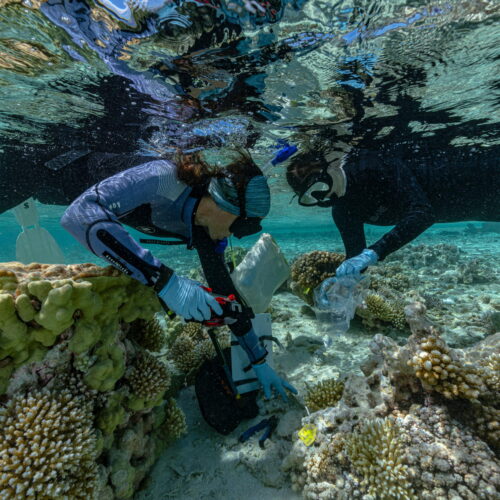
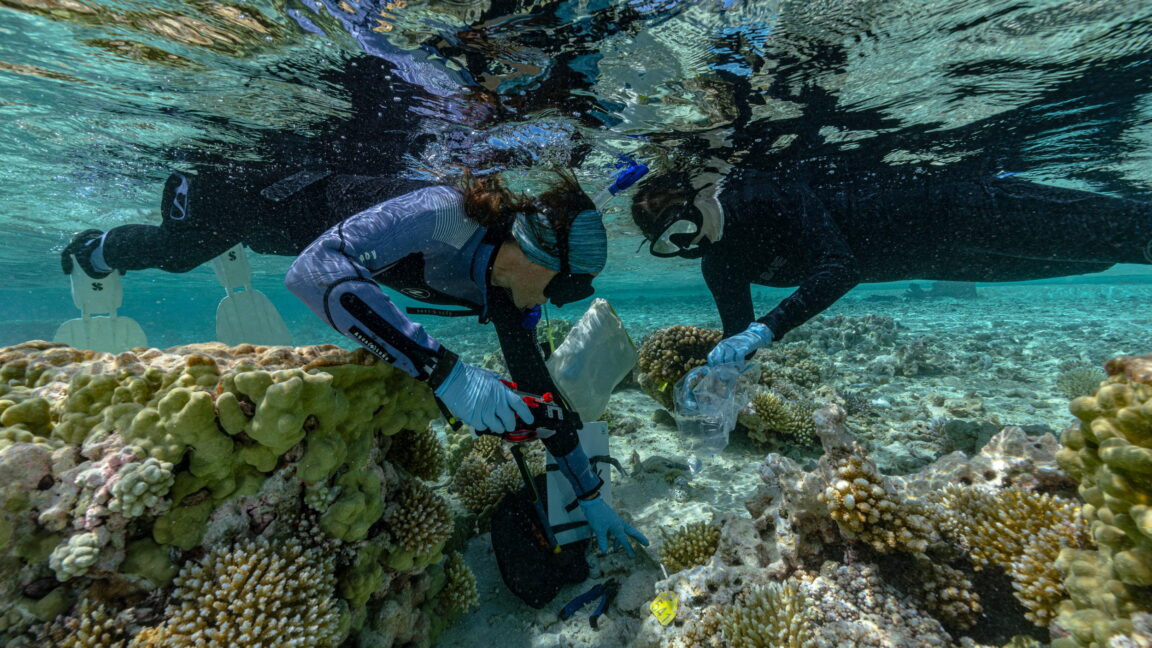
Atoll islands with native vegetation and thriving seabird populations are “naturally active systems that can change and adapt to their environmental conditions if they are allowed to do so,” said Nick Graham, a marine ecologist at Lancaster University in the United Kingdom, who led an international team of scientists that studied island resilience across 28 atoll islands in the Pacific and Indian oceans.

Their paper, published Wednesday in Science Advances, shows that restoring atoll ecosystems reinforces their growth. Seabirds ferry nutrients from the open ocean and deposit them on the atolls as guano that nurtures land plants, marine life and coral growth. This provides more material for reef building, as parrotfish and other reef feeders turn dead coral into sand to maintain beaches, while native plants with extensive root networks stabilize sediments.

Read full article

Comments

© Alexis Rosenfeld/Getty Images

  •  

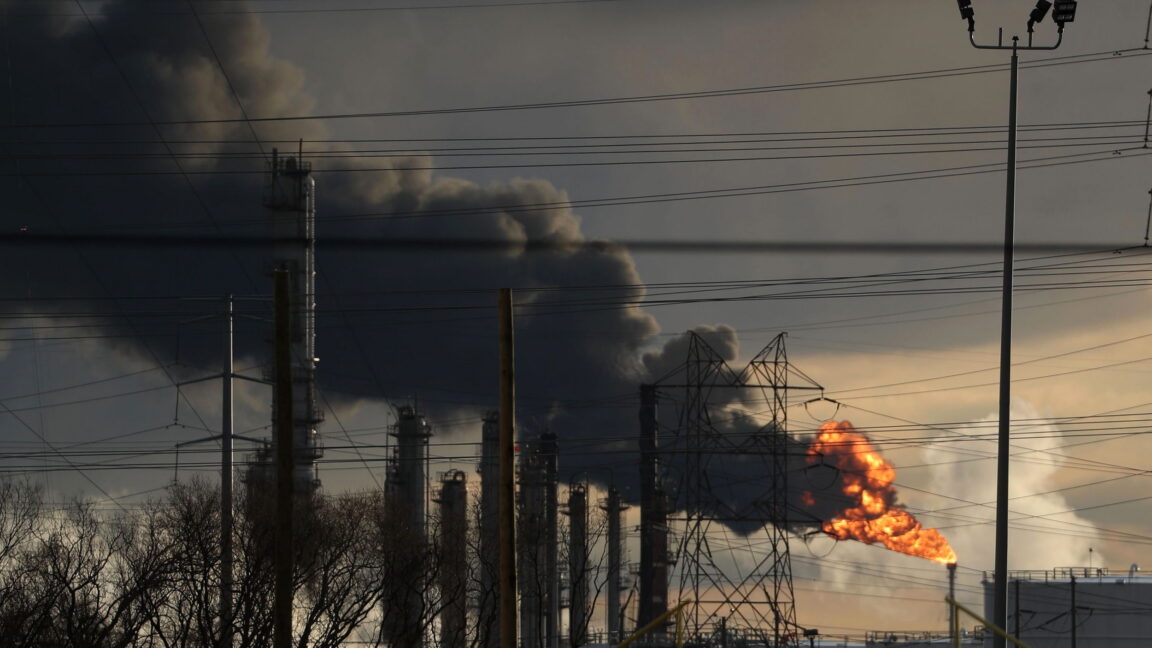
Internal files add to evidence of an ExxonMobil climate deception campaign

If there was a year the world began waking up to climate change, it might have been 1988. That June, the NASA climatologist James Hansen testified to Congress that the climate was warming and would continue to do so as long as humans pumped fossil fuel pollution into the atmosphere. Months later, the United Nations established the Intergovernmental Panel on Climate Change.

And, just weeks before the UN vote, Frank Sprow of Exxon’s corporate research department warned his colleagues in an internal memo, “If a worldwide consensus emerges that action is needed to mitigate against Greenhouse gas effects, substantial negative impacts on Exxon could occur.”

Sprow’s memo is part of a batch of previously undisclosed documents released earlier this year without fanfare as part of an ongoing lawsuit Massachusetts filed against ExxonMobil in 2019. While the memo was quoted in a 2023 article by The Wall Street Journal, it has not been published in full. Several other documents included in the filings are being reported on here for the first time, including more recent statements from Exxon scientists challenging the company’s climate-solution claims about its work on biofuels and carbon capture and storage.

Read full article

Comments

© Jason Fochtman/Houston Chronicle via Getty

  •  
❌