Reading view

SpaceX’s orbital data centers would create a new category of e-waste

Elon Musk’s talk about maintaining a million-strong AI data center satellite megaconstellation may not exactly be practical or economical, but it might be unique. It’s about the closest we’ve come to confronting a scheme that would export a considerable amount of valuable materials into space. Humans aren’t doing a great job of material sustainability, but normally we’re talking about stuff escaping a recycling pipeline rather than escaping Earth’s gravitational pull.

The commercial space sector likes talking about the allure of mining asteroids for precious metals to bring back to Earth. Under what circumstances are we going to be willing to do that in reverse? Starlink alone has doubled the mass of objects in low-Earth orbit, and this orbital data center constellation would dwarf that—and dispose of at least some satellites by pushing them away from Earth.

Given the roughly five-year expected lifetime for data center GPUs, about 200,000 of the 1 million proposed SpaceX AI1 satellites would be decommissioned each year. Based on their May 29 FCC filing, about 40,000 would definitely deorbit and burn up in the atmosphere. (Those materials would largely be dispersed throughout the atmosphere, turning a resource into a diffuse contaminant that slowly settles over the globe. One related issue: the aluminum would cause an unknown amount of ozone depletion over a period of decades.) Some or all of the remaining 160,000 satellites would be moved outward into a distant “disposal” orbit, instead. Either way, they're lost from a "material life cycle" point of view.


Read full article

Comments

© Aurich Lawson | Getty Images

  •  

PBS station fears losing 50TB of data after being ghosted by cloud storage provider

After its cloud storage provider went defunct, a PBS affiliate decided to sue a data center provider to regain access to 50TB of TV shows, videos, and other data dating back 70 years.

As reported this week by Current, a trade newspaper covering public broadcasting, St. Louis affiliate Nine PBS filed a lawsuit against Iron Mountain Data Centers on July 28, seeking access to the data. In the litigation filed in Denver District Court, Nine PBS says that its cloud storage provider, Open Source Storage (OSS), used one of Iron Mountain’s Denver data centers to store the channel’s data. However, OSS is being unresponsive, and Nine PBS says Iron Mountain has refused to release its data.

The data in question includes the station’s coverage of the COVID-19 pandemic, East St. Louis’ history, The Great Flood of 1993, and over 11,000 files, The Denver Post reported in July. The lawsuit claims that “most” of the data is “unique and irreplaceable,” according to the Post.

Read full article

Comments

© Getty

  •  

Amazon backs power plant that may become top source of US climate pollution

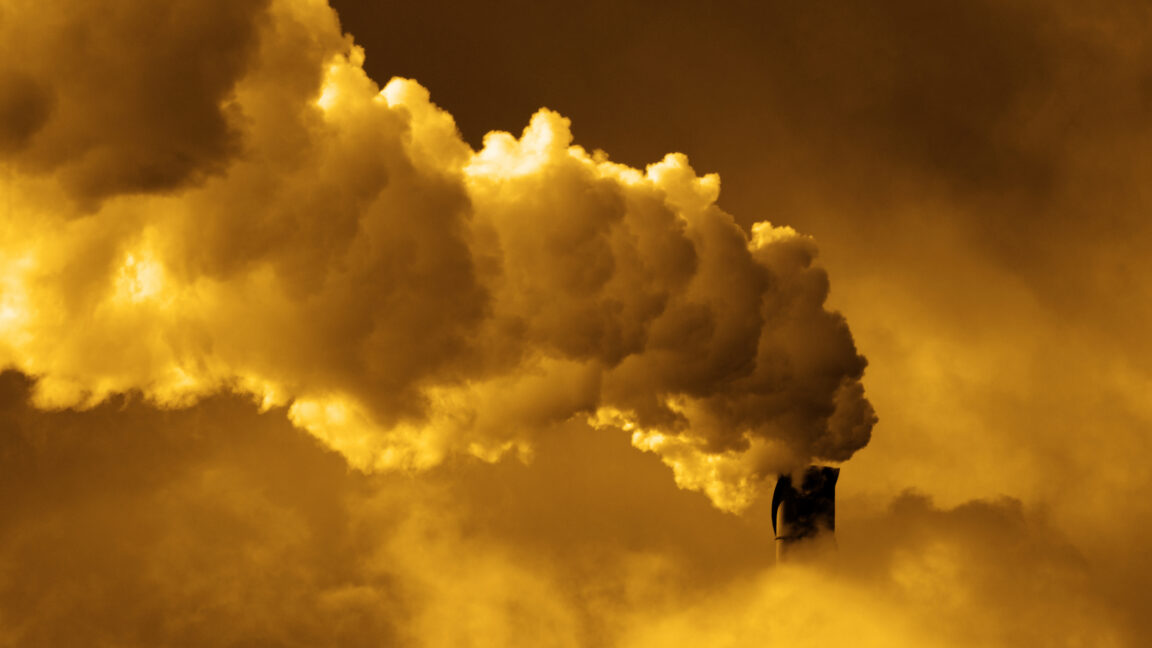
Amazon’s artificial intelligence ambitions will soon be partly fueled by a natural gas-burning power plant in Texas that “could become the largest single source of climate pollution in the United States,” The New York Times reported.

These gas-burning plants are increasingly lumped into data center projects. They produce harmful pollutants, which can accelerate climate change impacts and harm public health—contributing to conditions like asthma, heart disease, lung cancer, and strokes. Some communities are demanding more stringent environmental reviews, but the Trump administration favors fast-tracking that can include skipping the permitting process entirely.

Since Elon Musk’s xAI controversially began relying on gas turbines last spring to power its biggest AI data center, Colossus, there has been public backlash to off-the-grid data centers like the one Amazon is building.

Read full article

Comments

© eric1513 | iStock / Getty Images Plus

  •  
❌