Reading view

Several things I like about macOS 27 Golden Gate that have nothing to do with AI

Apple Intelligence and Siri AI have sucked most of the oxygen out of the room at Apple's Worldwide Developers Conference this year—understandable, maybe, given that the AI-powered Siri delays are all anyone has wanted to ask any Apple executive about for the last two years.

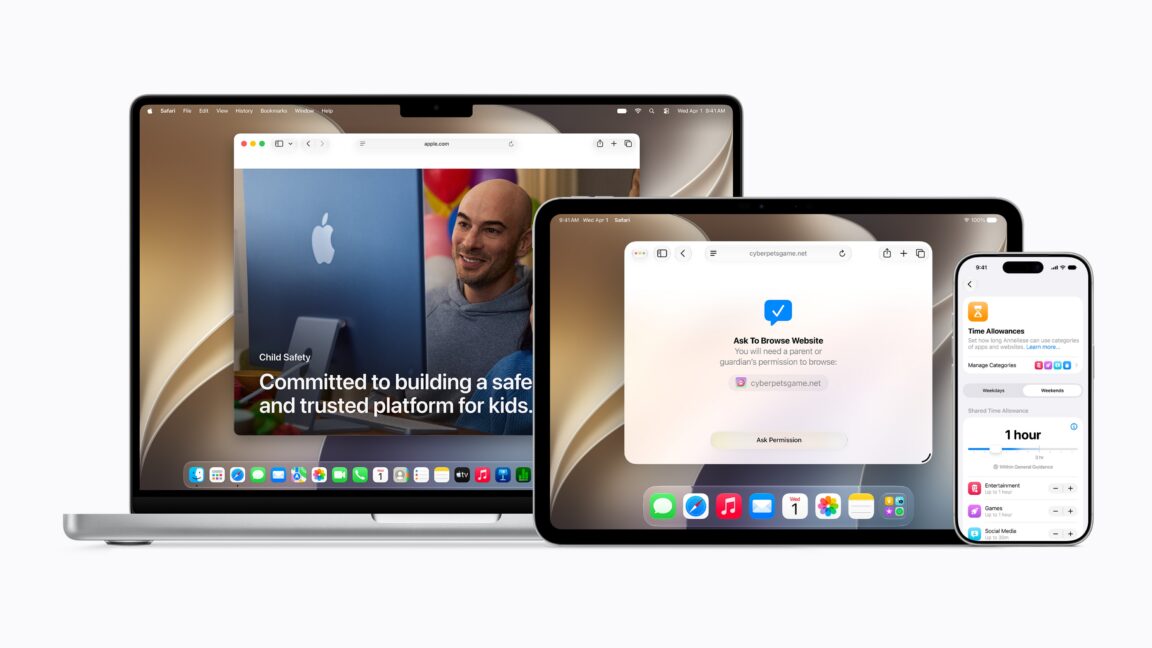
But Apple Intelligence is just one of the three big focus areas Apple outlined during its keynote this week. The second is new parental controls—overdue, but promising-looking, as the parent of a 6-year-old with an iPad that I only begrudgingly connect to the Internet. And the third is "platform improvements," a catch-all for a wide range of fit-and-finish changes aimed at boosting responsiveness and addressing common user complaints.

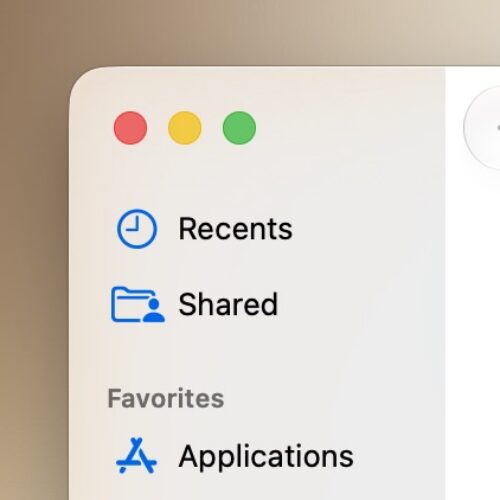
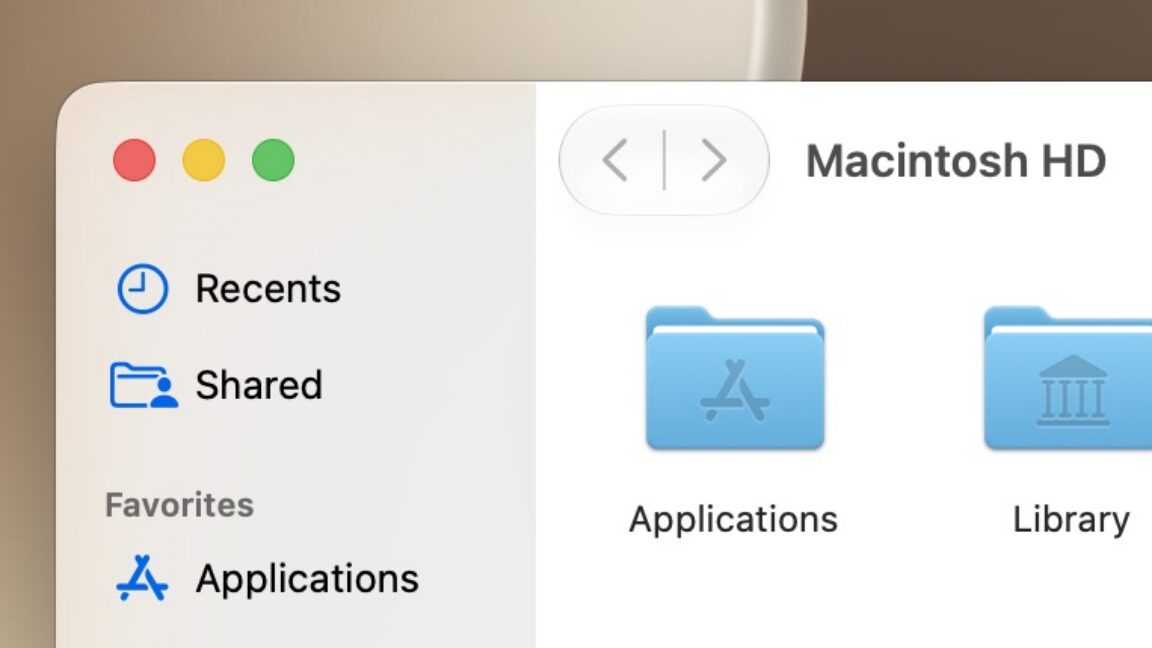
I have the first beta of macOS 27 Golden Gate running on an M1 MacBook Air—the oldest, slowest hardware Apple supports now that Intel compatibility is out the window. With some help from Apple's densely packed wall-of-features slide, here are a few things from the "platform improvements" column I like the most, plus one item I'd still like to see.
Read full article

Comments

© Andrew Cunningham

  •  

macOS 27 requires Apple Silicon, as Apple draws down the Intel Mac era

As Apple announced last year, this year's macOS release will end support for Intel Macs. The macOS 27 Golden Gate release will require a Mac with an Apple Silicon chip inside, including the original M1 that launched in the MacBook Air, MacBook Pro, and Mac mini back in late 2020.

Intel Macs running macOS 26 Tahoe can expect security and Safari patches for about two more years after the release of macOS 27 Golden Gate. Macs running macOS 15 Sequoia will receive one more year of updates. Apple Silicon Macs will still be able to run Intel Mac apps via the Rosetta 2 compatibility layer in macOS 27, but future releases will begin to limit the technology (Apple has said it will mainly be used to support older games that still use Intel code).

This change has been a long time coming, and every new macOS release has left a longer and longer list of Intel Macs behind. But many Mac owners who purchased late-model Intel machines in 2019 and 2020 could still run the latest version of the operating system, and third-party utilities like the OpenCore Legacy Patcher helped more adventurous Mac owners use their unsupported hardware a bit longer.

Read full article

Comments

© Apple

  •  
❌