Reading view

Polymarket's viral videos showed people winning big, but the bets were fake

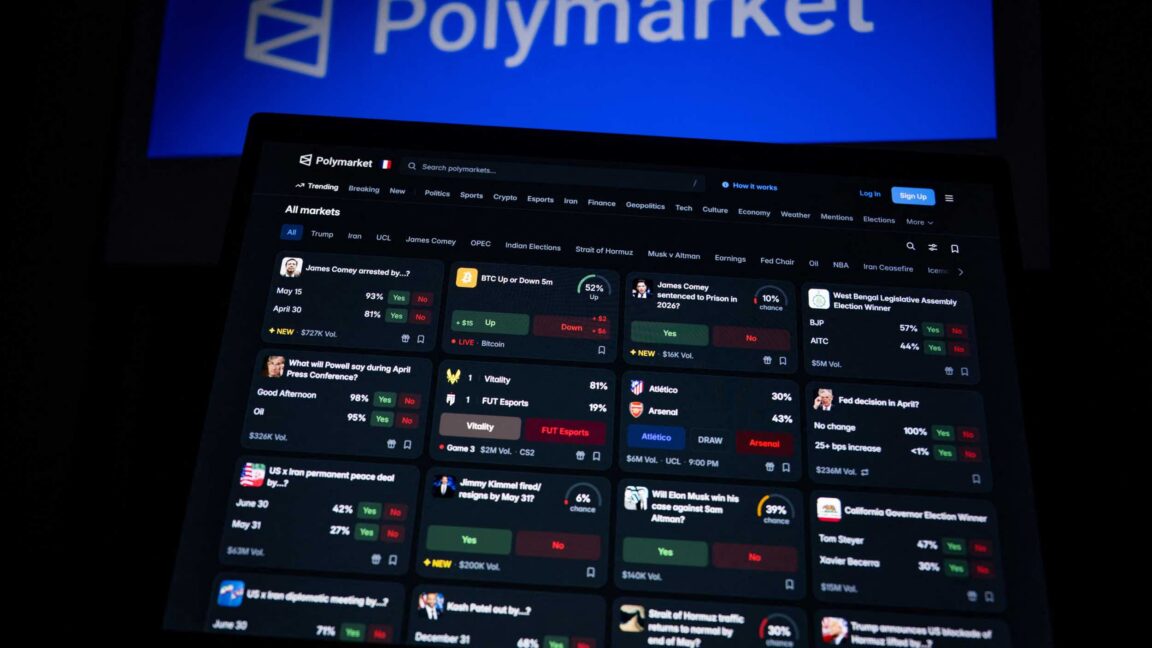
Polymarket paid dozens of social media users to film themselves making fake bets for a promotion that aimed to convince people they can strike it rich on the prediction market, according to a Wall Street Journal investigation published on Saturday.

"In its push to draw users to its unregulated platform, Polymarket has flooded social media with videos like [George] Makihara’s, which appear genuine at first glance," the article said. "In reality, Polymarket built near-perfect copies of its website, then instructed creators to make simulated trades on those dummy sites and hide that they were being paid by Polymarket."

Makihara, a college student, posted a video in January "that showed him winning $100,000 on a wager that President Trump would publicly say the word 'McDonald's' that month." But trade data showed that no one on Polymarket won such a bet in January, according to the Journal. This was one of 145 bets that Makihara appeared to place on Polymarket between January and May, but all of those bets were fake, the article said.

Read full article

Comments

© Getty Images | AFP/Martin Lelievre

  •  

Valve kills its retail gift card program due to scammers

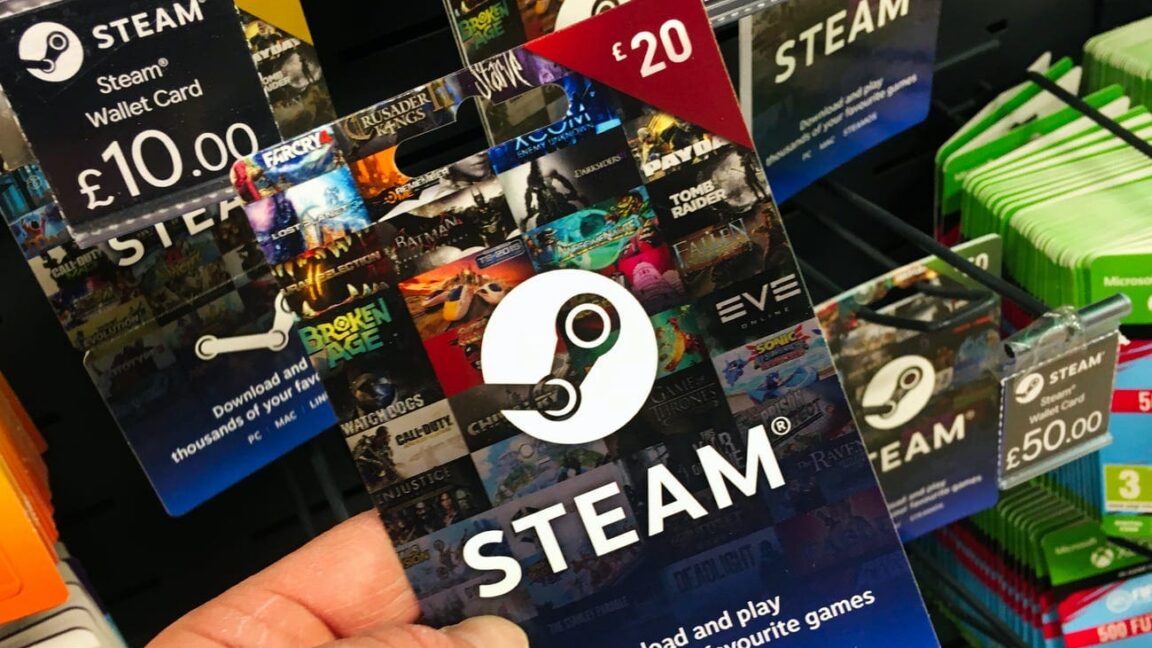
For years, Valve's physical Steam gift cards have been the closest you could come to buying a Steam game at a brick-and-mortar store. Now, Valve says it is phasing out the production of new retail gift cards, citing a losing battle against scammers exploiting the hard-to-track payment method.

PC Guide was among the first to note the end of Valve's retail gift card program, which was quietly announced in a recent update to a Steam support page. Since launching the retail cards in 2012, Valve says it has been fighting a constant battle with scammers, who instruct victims to purchase gift cards and share the pertinent details and security PIN. Those scammers can then resell the gift card details at a discount on gray-market sites to effectively launder the funds, creating an anonymous and hard-to-trace form of payment.

Valve says it has made various moves to slow scammers, including placing limits on redemption and availability and adding a prominent warning on the cards themselves: "Never share a pin via email, social media or over the phone."

Read full article

Comments

© Prestmit

  •  

S&P 500 rejects SpaceX, also blocking entry for OpenAI and Anthropic

SpaceX has requested unusually swift entry into several leading stock market indexes as a condition of its historic stock market debut. But the S&P 500 stock market index representing many of the largest profitable US companies has surprised market analysts by refusing to bend the rules for Elon Musk’s space and AI company.

The June 4 decision by S&P Dow Jones Indices—the company that creates and manages stock market indexes such as the S&P 500—means that SpaceX will not gain accelerated access to potentially billions more dollars through passive investment funds that automatically purchase shares of S&P 500 companies. Modifying the rules in response to SpaceX's request could have also allowed leading AI companies such as OpenAI and Anthropic to gain entry not long after their own expected initial public offerings (IPOs). That possibility has now been shuttered.

The news will likely come as a relief to people concerned about passive investor money and people’s retirement savings plans having greater exposure to the market risks associated with SpaceX’s big bet on AI and speculative orbital data center plans. AI companies are generally facing more challenges in funding and building expensive AI data centers, even as they shift more of the subsidized costs of running AI services onto shocked customers through usage-based pricing.

Read full article

Comments

© Michael Yanow/NurPhoto via Getty Images

  •  
❌