❌

Reading view

Electric or gas? BMW goes both ways with new 2027 X5 and iX5.

When we first drove BMW’s first Neue Klasse model, the iX3, it quickly revealed that BMW knows how to make a good electric vehicle. A clean-sheet design, it featured the automaker’s sixth-generation electric powertrain, a completely reimagined dashboard, and powerful computers to run the whole show. Now, much of that technology is being ported over to the larger X5 line.

But BMW knows not all its customers are ready to go electric, especially in the US, so it’s sticking with its powertrain-agnostic CLAR platform, as used in cars as diverse as the large 7 Series and the new gasoline 3 Series. Which means in addition to the all-electric iX5, there are also mild hybrid and plug-in hybrid X5s available, and in time, even a hydrogen-powered option. For now, as I’ll explain, I think the EV is the pick of the bunch.


A BMW iX5 drives on the road.
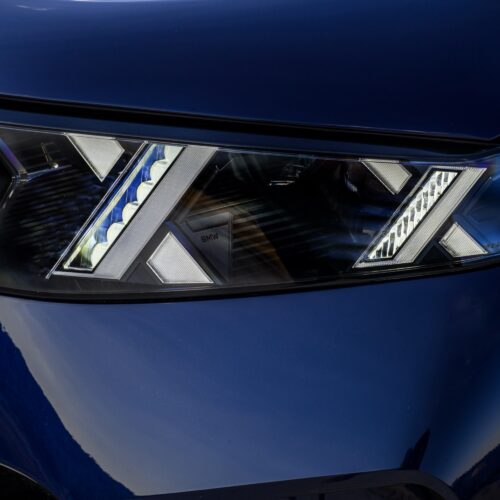
Get used to it, because this is what BMW SUV kidney grilles look like from now on. Credit: BMW
A BMW iX5 drives away from the camera
If you looked very carefully you'd see this was an iX5 because there's no exhausts. Of course, reading the badge is probably easier. Credit: BMW

Pick your power

The most conventional option is the X5 40 xDrive, powered by a 3.0 L turbocharged inline six-cylinder engine that generates 394 hp (294 kW) and 428 lb-ft (580 Nm). The 48 V mild hybrid system can contribute a decent slug of torque (148 lb-ft/200 Nm) if necessary, and the engine operates under the Miller cycle for better efficiency, as well as featuring the usual BMW engine technology, like variable valve timing. Expect around 26 mpg (9 L/100 km) from this powertrain and a full-to-empty range of 569 miles (915 km).

Read full article

Comments

Β© BMW

  •  

Googlebook review: Android on a laptop is still Android

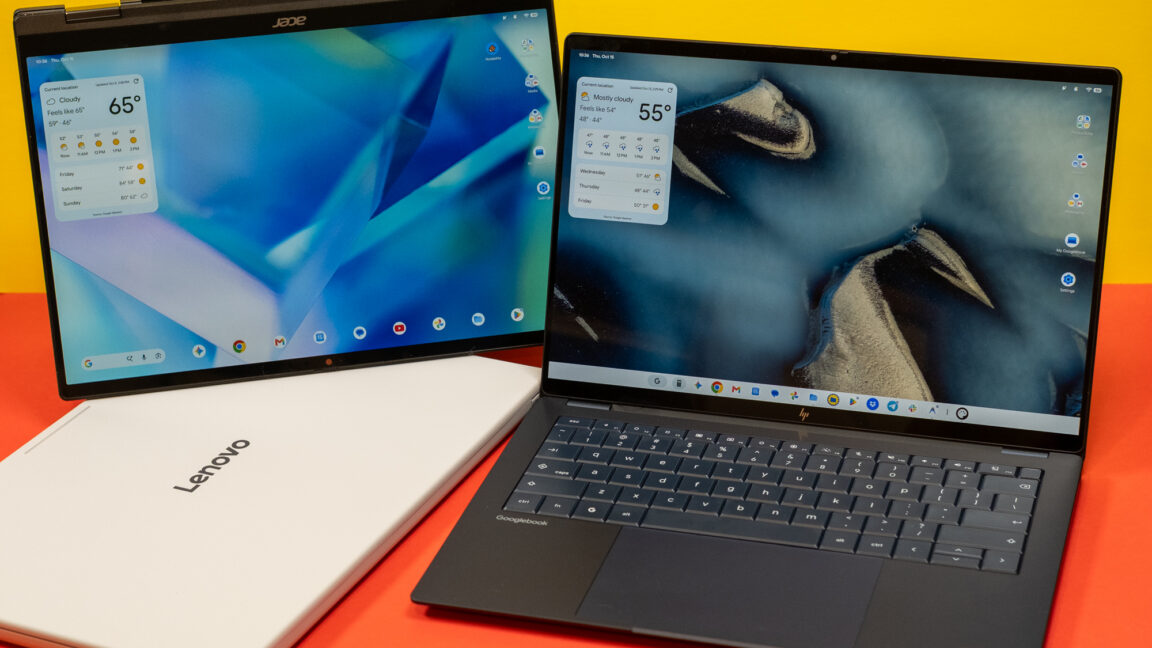
Android was designed for phones, but that hasn't stopped Google from trying to adapt the OS and its apps to larger machines over the years. Googlebooks are just the latest attempt after tablets, Chromebooks, and foldables induced little change in how people interact with Android software. These new Android-powered laptops are designed to pick up where the web-focused ChromeOS left off, offering premium hardware and native support for Android apps.

Google sees Googlebooks as an alternative to Windows and macOS, but these platforms are entrenched with decades of software and UI conventions that keep users locked in. Googlebooks have to offer something very special to steal users away from either of the dominant operating systems.

For devoted Android phone users, there are some cool things in Googlebook OS, but the Android roots of these machines are impossible to miss. Sometimes it feels like using a Chromebook, and sometimes it feels like using a giant phone. It almost never feels like using a premium laptop, and that's the problem.

Read full article

Comments

Β© Ryan Whitwam

  •  

AI coding agents generate more code, but not more software

Anyone who has even tangentially associated with computer programming knows that modern AI coding assistants and agents can be incredibly efficient at generating huge amounts of functional code. But coders making use of those tools also know better than to trust the accuracy of that code, meaning substantial effort needs to be spent reviewing any AI-generated output.

A recent study of actual coding practices across hundreds of firms finds that human code review forms a significant "bottleneck" for the overall efficiency of AI coding tools, resulting in "little evidence that firms increase software output or reduce employment" by using them. Any efficiency increased during the actual coding phase, the study authors find, is "absorbed by downstream constraints in the production process"; as "the code review process significantly increases in length, pull requests are more likely to require revisions, and reviewers leave more comments."

Cut once, measure twice

To come to these conclusions, Harvard University researchers Fiona Chen and James Stratton made use of aggregated analytics data from Jellyfish, which measures the granular output of engineering teams. That data encompasses 300 million individual "work events" (e.g., commits and pull requests) and issue management software data across more than 700,000 employees at over 700 relevant software development firms from 2021 through March of 2026.

Read full article

Comments

Β© Getty Images

  •  
❌