Reading view

Europe cancels planned upgrades for Ariane 6 rocket

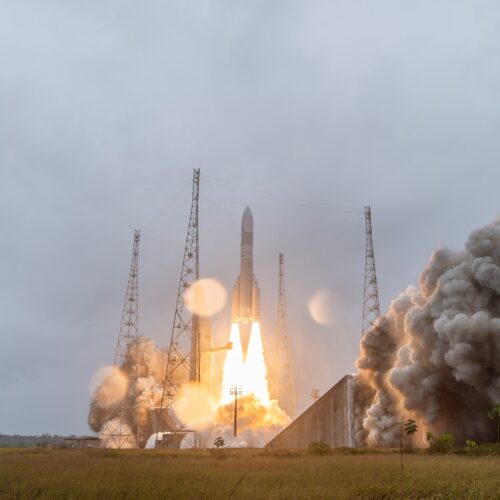
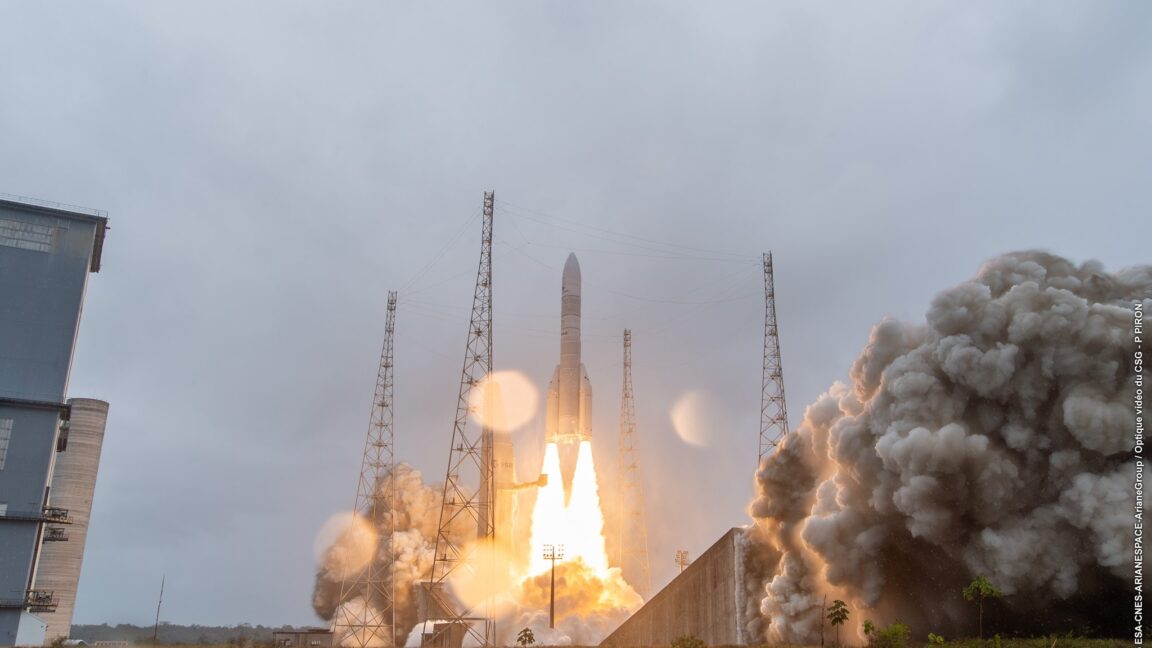
In the two years since it made a largely successful debut, Europe's Ariane 6 rocket has launched eight missions, all of which reached orbit safely.

The large, expendable rocket has a capacity of more than 20 metric tons to low-Earth orbit. And to the credit of European rocket scientists and planners, the Ariane 6 has had a substantially smoother rollout than comparable vehicles in the United States—Blue Origin's New Glenn and United Launch Alliance's Vulcan rockets—both of which have had significant growing pains.

However, even though the Ariane 6 rocket has had a successful debut, its future is clouded by high costs.
Read full article

Comments

© ESA-CNES-Arianespace-P. Piron

  •  

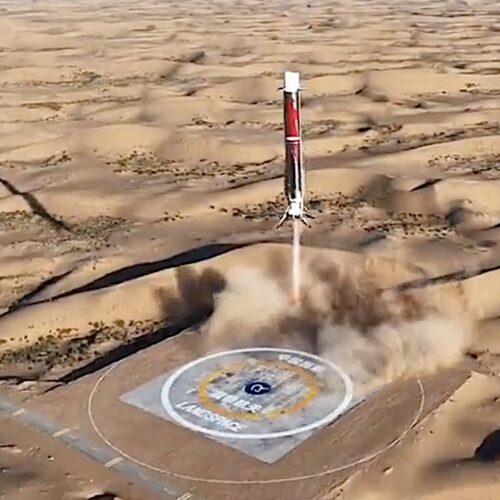
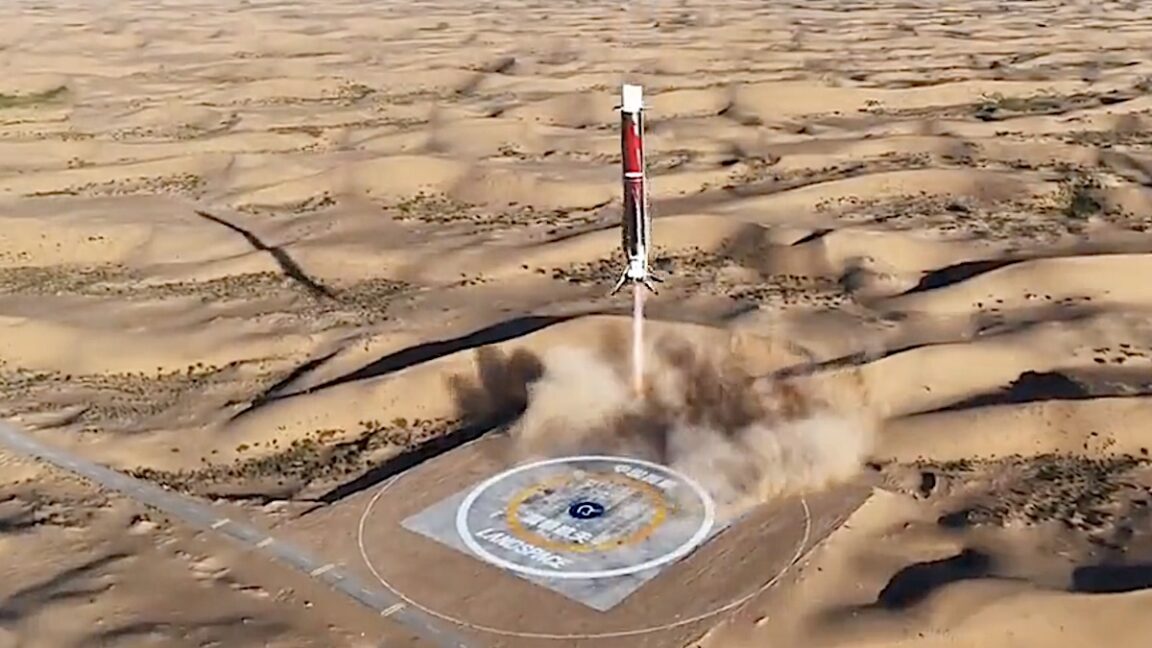
The floodgates are open after another Chinese company lands a reusable rocket

It has been a little more than a month since China recovered an orbital-class rocket booster for the first time. A second launch operator accomplished a similar feat Tuesday in another sign of China's growing launch capability.

It took 10 years for a second US launch company, Blue Origin, to propulsively land an orbital-class booster after SpaceX did it with the Falcon 9 rocket in 2015. SpaceX has since added a second reusable rocket to its fleet with Starship and its Super Heavy booster. Perhaps a third American company will join SpaceX and Blue Origin's club in 2027. Rocket Lab, Stoke Space, Relativity Space, and Firefly Aerospace—working in partnership with Northrop Grumman—are working on reusable rockets that could make their first flights in the next couple of years.

A similar number of launch companies are working on reusable rockets in China. Some of them operate under the auspices of the sprawling state-owned China Aerospace Science and Technology Corporation (CASC). Others are more commercial in nature, driven by capital investment from private industry.

Read full article

Comments

© LandSpace

  •  
❌