Website admins, brace yourselves. Fixes for what are believed to be uncommonly severe vulnerabilities are scheduled to drop in a little more than 12 hours for PHP, a programming language that powers websites and Web applications everywhere.
PHP maintainers said Monday that they planned to release patches for two vulnerabilities, both with severity ratings of 9.2 out of a possible 10.
Waiting for PHP2Shell
“All PHP users are encouraged to prepare now so they can upgrade as soon as the release is available,” the advisory stated. “We reserve the right to release earlier should details of either vulnerability become public, or should evidence of active exploitation appear in the wild.”
Recently fixed vulnerabilities in the Plex Media Server are under active exploitation in attacks that, when successful, install malware, including cryptominers and residential proxy apps, a researcher said.
Plex fixed four vulnerabilities at the start of last month. Three weeks later, published CVE designations revealed five vulnerabilities, with one of them carrying a severity rating of 8.6 out of 10. A researcher last week revealed an exploit that chained four of them together to achieve remote code execution of the device running a vulnerable Plex version. The researcher named the chain "Plex2Shell."
Complex exploit chain
The new details allowed a separate researcher to create a honeypot that could track attempts in the wild to exploit the vulnerability chain. Within a day, the researcher began seeing active scanning of the simulated Plex server and eventually successful attempts to infect devices. So far, successful attacks are installing two payloads. One is a cryptominer, which uses the device to mine cryptocurrency and deposit it into a wallet controlled by the attacker. The other payload is residential proxy software, which allows people to anonymize their Internet activity (much of it illegal) by connecting to the infected box and then using it to send the user’s traffic to a final destination.
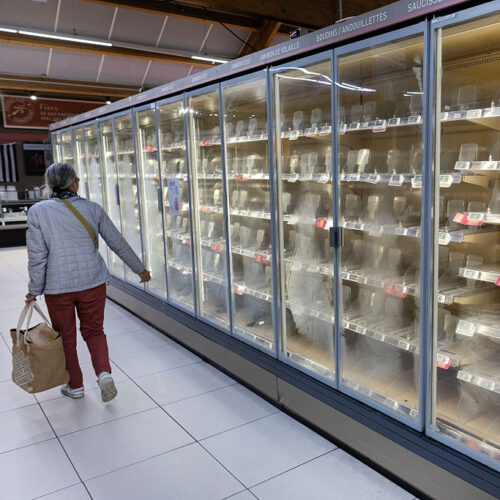
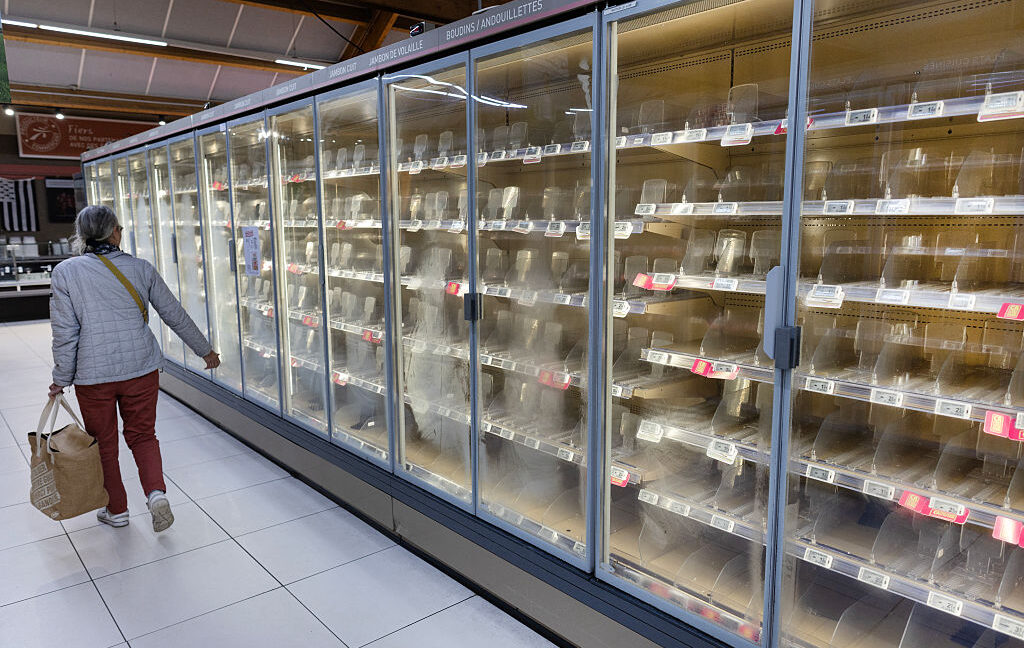
Earlier this week, a mass hack of refrigeration systems at an estimated 700 supermarkets throughout France caused them to suddenly malfunction, causing spoilage of untold tons of perishables and, in some cases, fires. As is now the norm, basic cybersecurity would have prevented it.
French authorities say the systems, made up of entire fleets of refrigerators and freezers throughout a store, were hacked. More specifically, Internet-connected controllers that allow technicians to remotely administer the store-wide systems were compromised. The unknown attackers responsible then activated defrosters long enough for the fridges to reach temperatures as high as 50° Celsius (122° Fahrenheit). By the time the mass compromise was discovered, food was spoiled, and in some cases their electrical systems caught fire.
The hacks that didn't have to happen
Multiple security advisories and public research reports show that all three of the controller models reportedly hacked in the incident—sold by Danfoss of Denmark and Dixell and its parent company Copeland in the US—contained critical vulnerabilities that allow attackers to remotely log in to the devices with the same system rights as administrators. Until recently, Danfoss controllers, for instance, used a credential that changes each day. The password is generated by the publicly available firmware based on the date. A hacker who takes the time to analyze the code can do the same thing on any device that hasn’t received a recent update. Daily passwords are identical across models located in hundreds or thousands of stores.

 Login
Login