Reading view

macOS 27 requires Apple Silicon, as Apple draws down the Intel Mac era

As Apple announced last year, this year's macOS release will end support for Intel Macs. The macOS 27 Golden Gate release will require a Mac with an Apple Silicon chip inside, including the original M1 that launched in the MacBook Air, MacBook Pro, and Mac mini back in late 2020.

Intel Macs running macOS 26 Tahoe can expect security and Safari patches for about two more years after the release of macOS 27 Golden Gate. Macs running macOS 15 Sequoia will receive one more year of updates. Apple Silicon Macs will still be able to run Intel Mac apps via the Rosetta 2 compatibility layer in macOS 27, but future releases will begin to limit the technology (Apple has said it will mainly be used to support older games that still use Intel code).

This change has been a long time coming, and every new macOS release has left a longer and longer list of Intel Macs behind. But many Mac owners who purchased late-model Intel machines in 2019 and 2020 could still run the latest version of the operating system, and third-party utilities like the OpenCore Legacy Patcher helped more adventurous Mac owners use their unsupported hardware a bit longer.


Read full article

Comments

© Apple

  •  

iOS 27 and iPadOS 27 don't drop support for any iPhones—and just a few iPads

If you're using older iPhone or iPad hardware and you're hoping to keep running Apple's latest operating systems, this year's releases bring mostly good news. The iOS 27 update will run on all iPhones that can run iOS 26, all the way back to the iPhone 11 and second-generation iPhone SE. The iPadOS 27 update is slightly less generous, dropping support for the 3rd-generation iPad Air, 8th-generation iPad, and 5th-generation iPad mini (all of these devices used an older A12 Bionic chip; supported devices now use an A13 or better).

Apple says owners of older devices should see performance improvements in iOS 27, thanks in part to an updated CPU scheduler. This scheduler was apparently already included with newer iPhones but has been ported back to older devices with this release.

Apple's iOS 27 compatibility list. Credit: Apple
Apple's iPadOS 27 compatibility list. Credit: Apple

But many of the new features Apple mentioned require support for Apple Intelligence, which remains confined to newer devices with at least 8GB of RAM. Apple Intelligence still requires an iPhone 15 Pro or newer, an iPhone 16 or newer, or an iPhone Air. On the iPad, support requires an iPad Air or iPad Pro with an M1 or newer.

Read full article

Comments

© Apple

  •  

Meta alleges NSO violated spyware injunction with new WhatsApp attacks

Meta today accused spyware maker NSO Group of violating a court order that barred it from targeting users of WhatsApp.

"WhatsApp caught and disrupted spear phishing attempts linked to NSO, a spyware firm blacklisted by the US government," WhatsApp owner Meta said in an announcement. Meta said it is asking a court "to hold NSO in contempt for violating a permanent injunction that barred them from ever targeting WhatsApp and its users."

NSO is an Israeli company that developed the Pegasus spyware. The US government added NSO to the Entity List in 2021, saying it “developed and supplied spyware to foreign governments that used this tool to maliciously target government officials, journalists, businesspeople, activists, academics, and embassy workers.”

Read full article

Comments

© Getty Images | stockcam

  •  

The fastest humans in the galaxy just got a spiffy patch to prove it

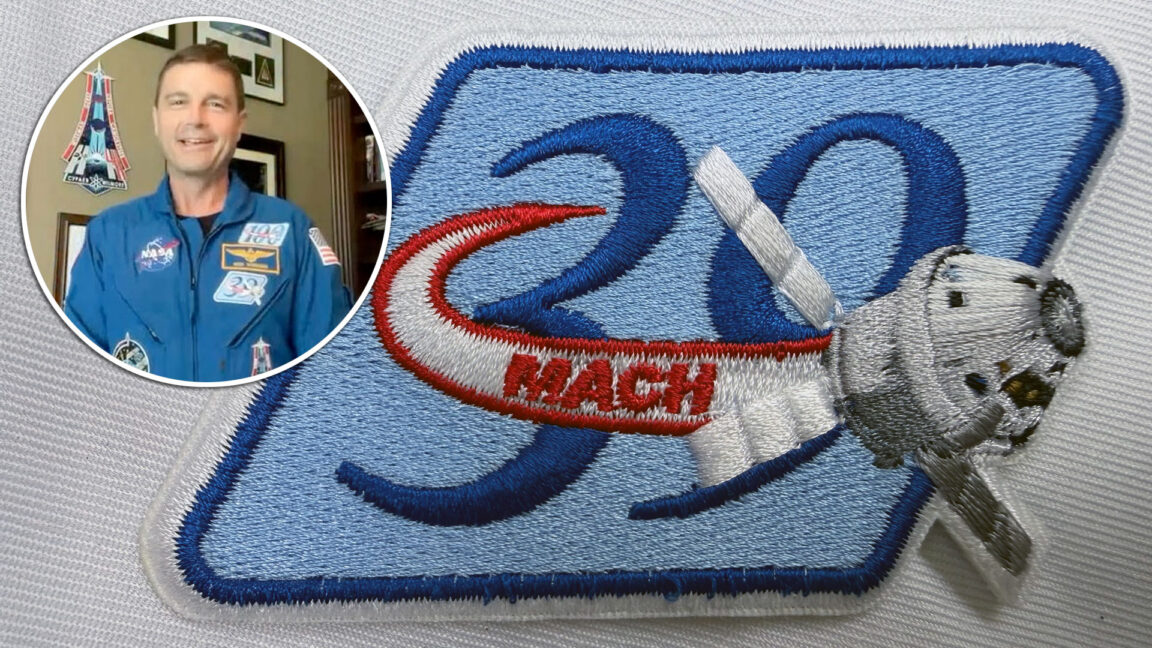
NASA's Artemis II crew are the fastest people alive, and now they have the patch to prove it.

Mission Commander Reid Wiseman, pilot Victor Glover, and mission specialists Christina Koch and Jeremy Hansen (the latter with the Canadian Space Agency) spent 10 days in early April flying by the Moon. Their journey took them farther away from Earth than any humans have gone (52,756 miles [406,771 km]) and then, on the way back on board their Orion spacecraft Integrity, they sped up to about 24,664 miles per hour (39,693 k/ph) reentering the atmosphere.

Only three other people in history have traveled faster. NASA's Apollo 10 astronauts Thomas Stafford, John Young, and Eugene Cernan set the record for the highest speed attained by a crewed vehicle relative to the Earth's surface: 24,791 mph (39,897 kph) on May 26, 1969.

Read full article

Comments

© Reid Wiseman/A-B Emblem/collectSPACE

  •  

Say hi to "Siri AI"—Apple announces new, more "conversational" voice assistant

Today at its pre-filmed Worldwide Developers Conference keynote, Apple was finally prepared to fully introduce the long-delayed "Apple Intelligence" update for its Siri voice assistant. The new "Siri AI"—now being promised for OS updates rolling out "this fall"—will come alongside a new Google-powered update to Apple's on-device Foundation Models, as well as tighter integration of all these AI capabilities across Apple's many operating systems.

Unlike other companies that "appear to be racing forward, seemingly pursuing AI for the sake of AI, with little regard for the people... it's meant to serve," Apple's SVP of Software Engineering Craig Federighi said, "we believe that truly helpful AI must be centered around you and your needs."

Just a friendly chat with your AI assistant

The company highlighted this kind of focus in a series of scripted conversational demos with Siri AI, complete with seemingly unedited, multi-second pauses between each spoken prompt and Siri's response. In these demos, Apple executives showed Siri AI bouncing between different usage modes and app-based tasks as needed in an effort to highlight how Apple Intelligence can now be used "well beyond one-shot tasks" for a "brand new conversational experience" with the virtual assistant.

Read full article

Comments

© Apple

  •  

Gemini 3.5 and Antigravity come to Google NotebookLM

Google's NotebookLM was one of the company's first forays into generative AI technology, and in un-Googley fashion, it hasn't been shut down yet. In fact, NotebookLM is getting one of its biggest updates, ever, today, moving to the latest Gemini 3.5 model, support for more file types, and streamlined web source integration. Google also says NotebookLM will be able to do more with all those queries thanks to embedded support for Antigravity.

Gemini 3.5 Flash debuted at Google I/O this year, promising much faster and more efficient processing. Google has claimed that companies worried about token costs can save big by moving their projects to the new Flash model while also getting outputs that are of similar or better quality. Those improvements are now filtering down to other Google products. NotebookLM, which launched in 2023 at the very beginning of the AI boom, lets you analyze specific sources like documents and webpages with Google's latest AI models.

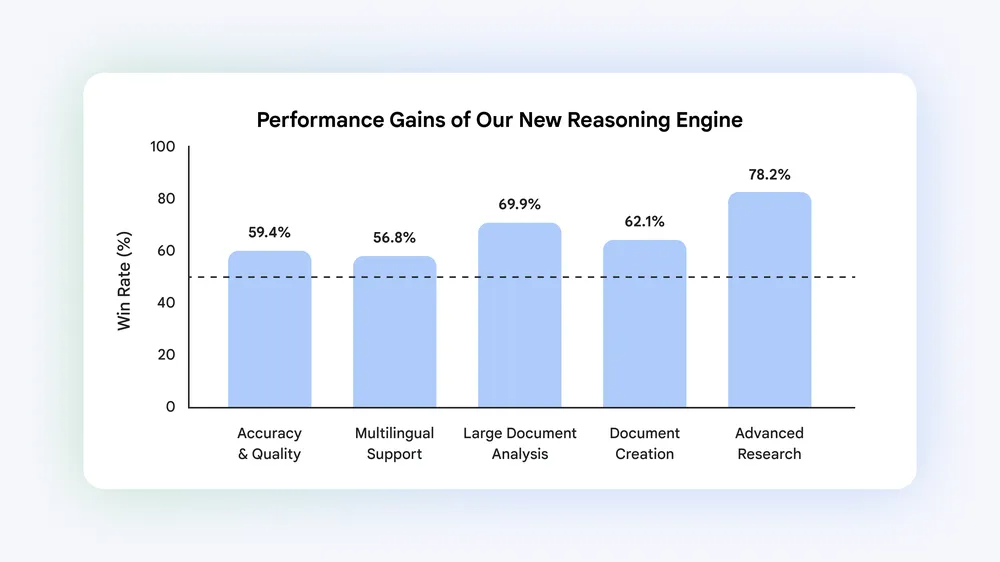
NotebookLM evaluation graph The upgraded NotebookLM beats the old version in all of Google's "core evaluation dimensions." Credit: Google

Google conducted side-by-side evaluations of NotebookLM on the old Gemini 3.1 branch and with the updated 3.5. The company is being somewhat vague about the nature of the tests, breaking things up into "top five core evaluation dimensions," which are Accuracy and Quality, Multilingual Support, Large Document Analysis, Document Creation, and Advanced Research. In these tests, Google says NotebookLM averaged a 65 percent win rate versus the older model.


Read full article

Comments

© Google

  •  

Your empty cuppa could capture carbon

Humanity has littered the sky with the refuse of fossil fuel use, releasing enough CO2 to change the planet’s climate. We are also chucking incredible sums of carbon in the form of plastics into landfills and into the environment around (and inside of) us. What if cleaning up one of these problems could also help clean up the other?

A new study led by Ruth Ebenbauer at Aarhus University experiments with this idea by upcycling discarded polystyrene into (part of) a material commonly used in carbon-capture systems.

Adding amines

This material is based on amines—a simple chemical group that conveniently acts like a sponge for CO2. An amine will grab CO2 molecules when exposed to them, but let go of the CO2 when heated or depressurized, leaving it ready to go again. The first “CO2 scrubbers” tried in smokestacks used amines dissolved in water to do this, but solid amines are used in all kinds of carbon-capture systems now because they require less energy. These solid materials—often made into granules similar to the activated carbon in a water filter—have high surface area and high porosity, so the amines can efficiently partner up with CO2 molecules.

Read full article

Comments

© Jamesmcq24

  •  

For the 2nd time in weeks, Microsoft packages laced with credential stealer

Dozens of cryptographically verified open source packages from Microsoft were compromised late last week to add advanced credential-stealing code that was triggered when developers opened them in AI coding agents.

In all, multiple researchers said, 73 packages were flagged as malicious when automated systems on GitHub blocked them on the platform. Rather than noting they are malicious—and that developers who used AI agents to work with them should assume their systems are compromised—the Microsoft-owned GitHub said it disabled the packages “due to a violation of GitHub's terms of service.” The text went on to encourage the package owner to contact GitHub.

Devs: Assume compromise and proceed accordingly

It wasn’t until Monday that Microsoft even raised the possibility the packages were infected. In an email, the company stated: “We have temporarily removed some repositories as we investigate potential malicious content.”

Read full article

Comments

© Getty Images

  •  

Apple's iOS 27, macOS 27 Golden Gate, and other updates focus on refinement

Apple has taken the wraps off of its next-generation operating system updates at its Worldwide Developers Conference today, including iOS 27, iPadOS 27, and macOS 27 Golden Gate. And while the long-awaited Siri AI update is the headliner, Apple also emphasized its efforts to optimize its software, improving its performance and reliability.

For starters, the company is continuing to refine the Liquid Glass design language that it introduced last year. A slider in the Settings will allow users fine-grained control over the translucency of the Liquid Glass effect, ranging from maximally transparent and glassy to fully tinted. Last year's redesigned icons are also being re-redesigned with more glass layers, which Apple says will make them sharper and more distinctive.

On macOS, Apple has also changed the way app toolbars and sidebars work, making toolbars more distinct, making the contents of sidebars extend all the way to the edge of the window, and reintroducing color to sidebar icons. Mac windows are also getting a "tighter corner radius," to address complaints about the way window resizing works in macOS 26 Tahoe.

Read full article

Comments

© Apple

  •  

Man jailed for a month despite Flock showing he was 5 miles from crime scene

A San Diego police department is facing a lawsuit after jailing a man for a month based on a Flock camera alert that cops allegedly should have known, based on the timestamp, did not depict the car that they were looking for.

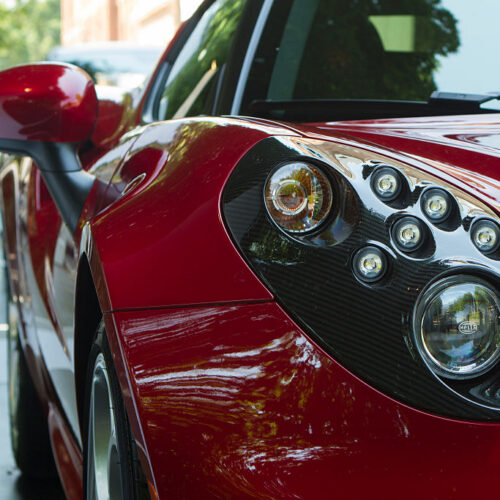
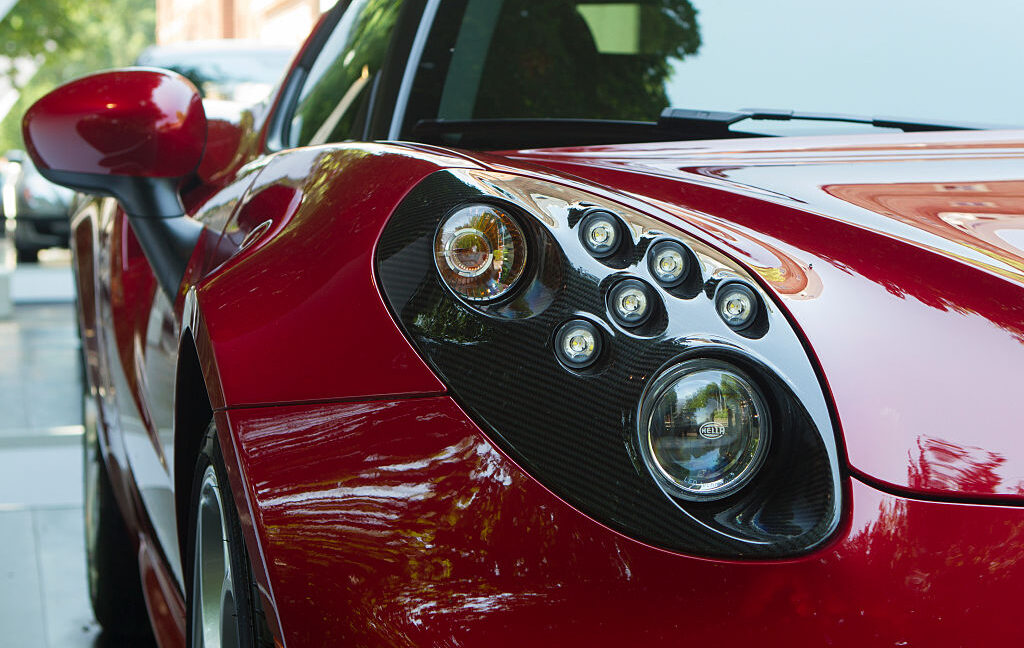
Last November, Hugo Parra was arrested on felony charges after San Diego police relied on Flock data and a witness statement to wrongly connect him to an attempted carjacking at gunpoint, the Times of San Diego reported. Cops were looking for a red Alfa Romeo car with tinted windows and a man wearing a gray hoodie, and Parra happened to be wearing a white hoodie while riding in a friend's car that roughly matched the vehicle description.

Although Flock cameras can capture license plate data, cops did not have even a partial plate to help them verify if the car was involved in a violent crime. But the Flock data cops used to justify the arrest actually showed that Parra was five miles away at the time of the crime, Parra's attorney, Alex Coolman, told the Times of San Diego. Rather than arrest him, cops could have used that data, as well as Parra's cellphone location data, to corroborate Parra's statement that he was innocent, Coolman said.

Read full article

Comments

© Pacific Press / Contributor | LightRocket

  •  

F1 in Monaco: Finally, the cars were flat-out in qualifying

Formula 1 held its annual race on the streets of Monte Carlo this past weekend. The event predates the sport—the first Monaco Grand Prix was held in 1929 on a layout that isn't too different from the one used today.

Over the years, the buildings have changed, crash barriers appeared, the swimming pool section grew, and the cars eventually got too big and fast to race each other properly on the tight confines of a circuit that one world champion described as "riding a bicycle in your living room." But nestled by the Mediterranean, surrounded by super yachts, F1's least-good race is also its most famous and glamorous. After their home Grands Prix, it's the one many drivers most want to win.

Overtaking here is virtually impossible; to see race cars do that around the principality, you'll want to tune into Formula E's visits there. So qualifying on Saturday, which sets the grid order for Sunday's race, was more important than usual. Everyone expected pole to go to one of the two Ferraris. And for the first time this season, the cars raced completely flat-out; with no long straights and plenty of braking zones, the cars were not energy-limited for once this season.

Read full article

Comments

© Alessio Morgese/NurPhoto via Getty Images

  •  

A Falcon 9 booster turns 5 years old—and just set a remarkable reuse record

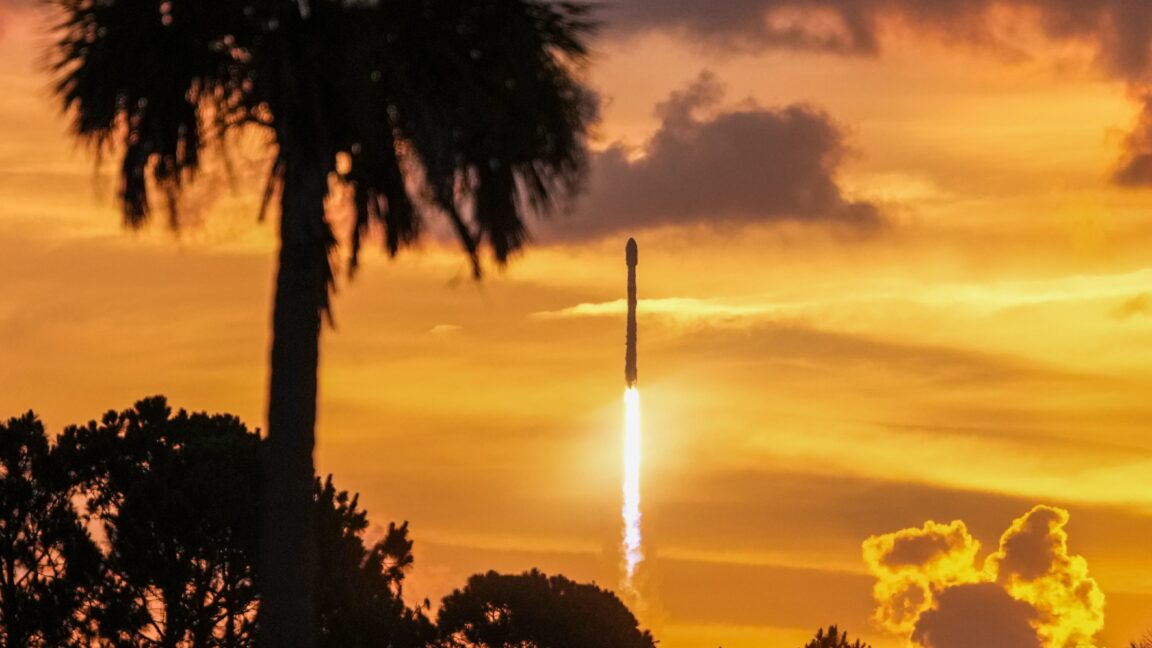
A little more than five years ago, a shiny white Falcon 9 rocket made its debut flight, boosting a Cargo Dragon spacecraft to the International Space Station. Over the next year, it would launch a pair of astronaut missions and a handful of commercial spacecraft.

But since then, this first stage booster, designated B 1067, has mostly flown Starlink missions. It has launched them one after another, always returning safely to a drone ship before undergoing refurbishment and flying again. Sometimes it has flown twice in a single month.
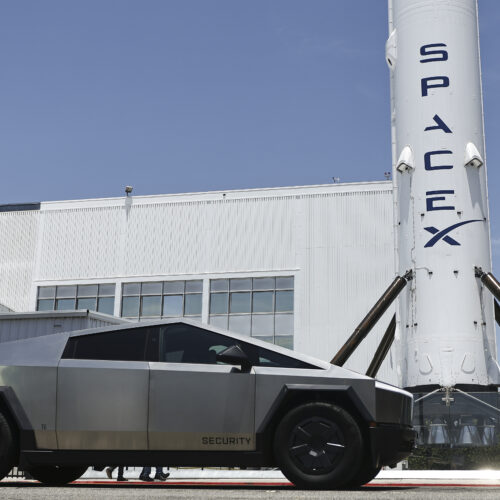
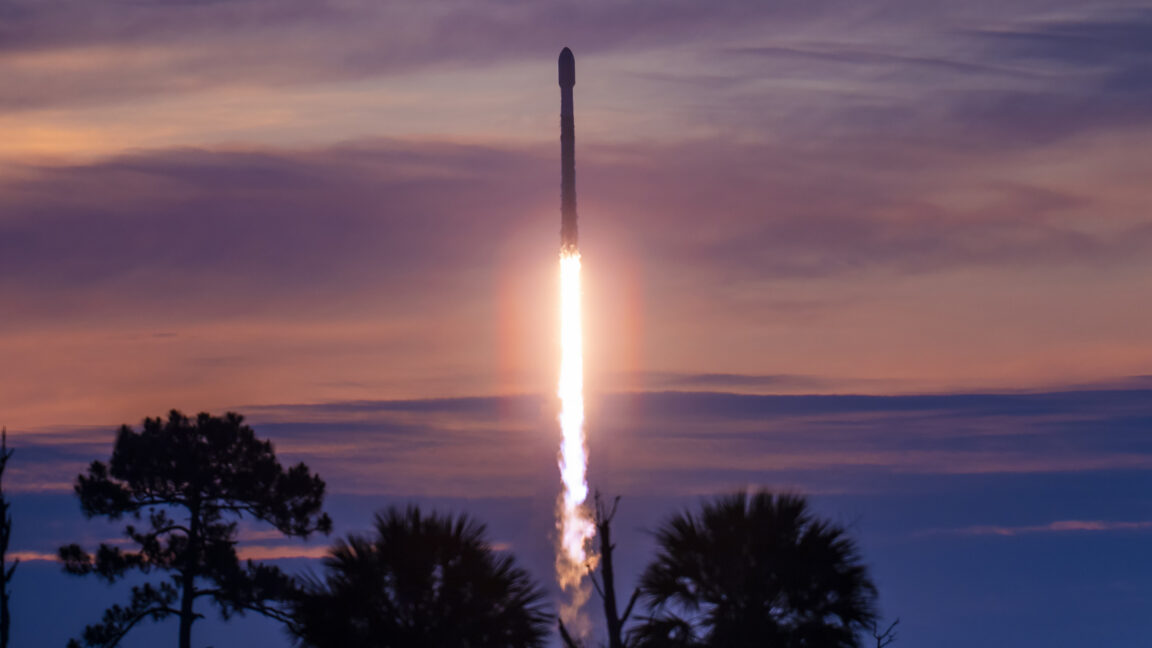
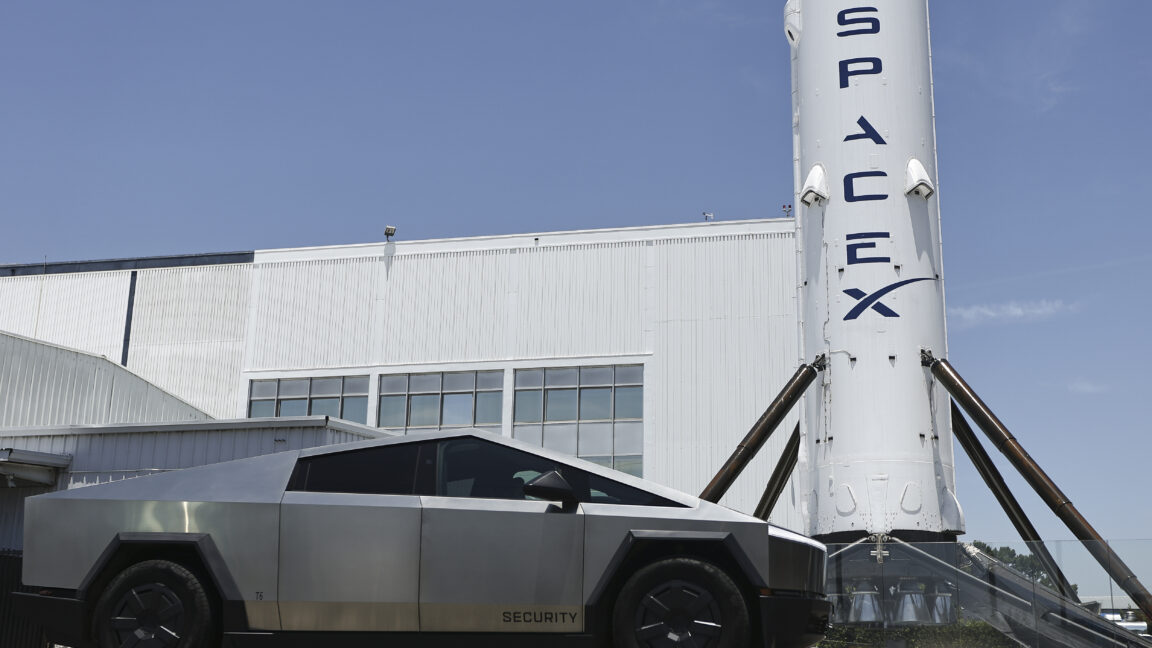
On Monday morning, B 1067 once again took to the skies, launching 29 Starlink Internet satellites into low-Earth orbit from Florida. Upon landing on the A Shortfall of Gravitas drone ship in the Atlantic Ocean, the vehicle completed its 35th mission overall, retaining its title as fleet leader for SpaceX.

Read full article

Comments

© SpaceX

  •  

Michigan politicians want to ban Chinese-badged cars from even visiting the US

It's an election year, and that means politicians are putting in extra work to pander to special interest groups they think will help them cross the finish line. If you're looking to be elected in Michigan, there aren't many interests more special than the automotive industry, and a good way to get the industry on your side is by going after the thing it fears the most: China.

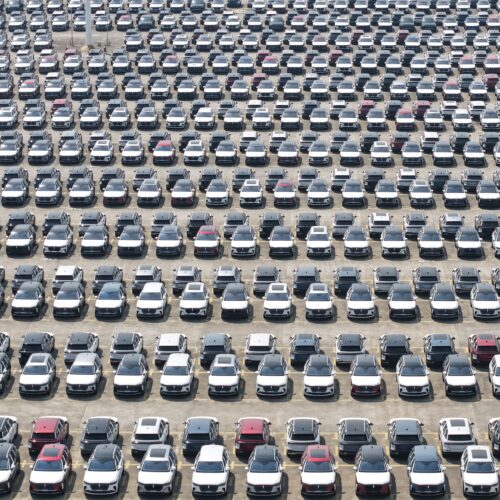
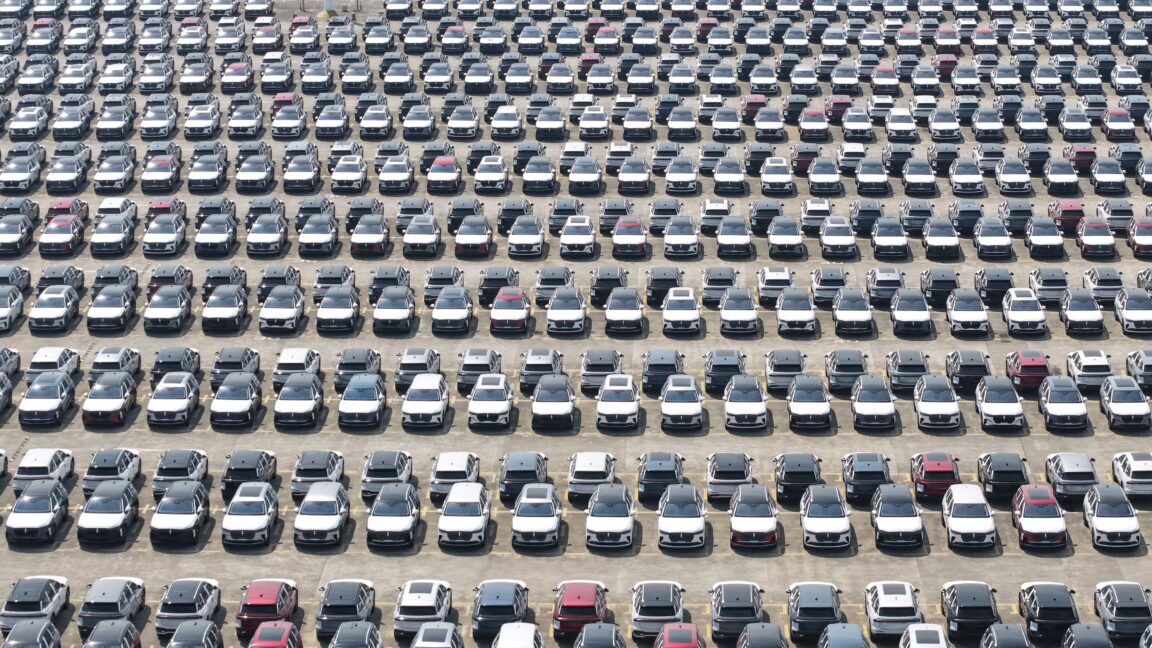
Now, if a pair of lawmakers get their way, Chinese-badged vehicles wouldn't just be restricted from sale or import in the US, they'd also be banned from entering the country, even for a simple day trip from Canada or Mexico.

Moves to protect the US auto industry are nothing new, and they're popular across party lines. Former President Biden added an additional 100 percent import tariff on all Chinese-made cars during his term and then had the Department of Commerce draw up new rules—later implemented by the Trump administration—that banned the import of connected cars manufactured by companies owned by or with links to the Chinese government, starting in 2027.

Read full article

Comments

© Costfoto/NurPhoto via Getty Images

  •  

"Chat is dead": OpenAI preps overhaul of ChatGPT

OpenAI is preparing the biggest overhaul of ChatGPT since its launch kicked off the AI boom, as the $850 billion group hunts for new engines of growth ahead of a planned listing this year.

The company intends to transform the chatbot into a “superapp” that combines coding tools and AI agents, adding products that executives believe will generate more revenue.

The changes are part of a broader reorganization at OpenAI as the San Francisco-based company shifts resources into trying to win lucrative business customers and compete more fiercely with rival Anthropic, according to more than a dozen current and former employees.

Read full article

Comments

© Getty Images | Vincent Feuray

  •  

The weather and climate science AI revolution isn’t revolutionary

It feels like there's no escaping AI right now, whether you’re trying to type a sentence without being interrupted by a digital “assistant” or struggling to find a new refrigerator that doesn’t require a Wi-Fi connection for some reason. You’d be forgiven for wondering if we’re in the midst of a quantum leap in tech or whether people are just hyping up a heap of slop.

So what should we make of the growing use of AI in weather and climate modeling?

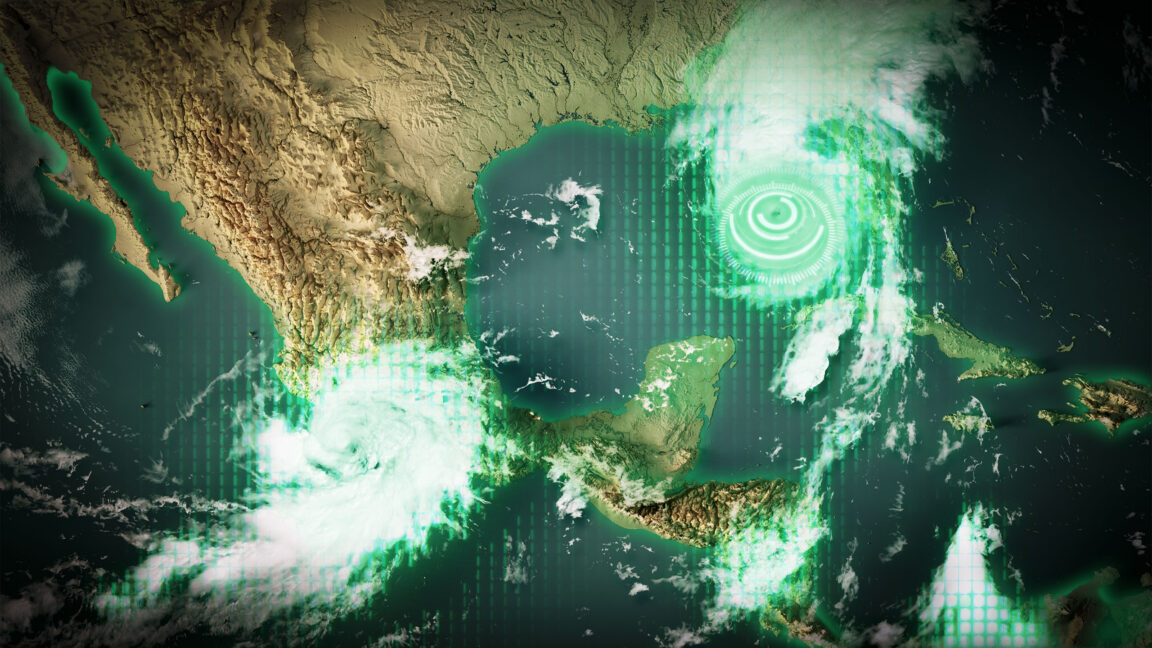
The conversation didn't get off to a great start earlier this year when a National Weather Service office posted a forecast map featuring nonexistent cities in Idaho with names like “Whata Bod” and “Orangeotild.” Thankfully, that was just an AI-generated image produced for social media, not the actual forecast model. Meteorologists and climate scientists are not yet being replaced by large language model prompt engineers.

Read full article

Comments

© Aurich Lawson | Getty Images

  •  

RIP Anthony Head: Our 10 favorite moments of Buffy’s Giles

On Friday, news broke of the passing of actor Anthony Head at 72, best known for his portrayal of Watcher/father figure Rupert Giles on the supernatural drama Buffy the Vampire Slayer. Fans and former costars alike flooded social media with outpourings of appreciation for his talent and grief at his death.

Head certainly had a thriving career after Buffy: he played Uther Pendragon in the series Merlin; the Prime Minister in Little Britain; a sinister headmaster in the Doctor Who episode "School Reunion"; and of course, the wealthy, entitled Rupert Mannion in Ted Lasso. But Giles remains his definitive role; there was even talk of a spinoff series, Ripper, although it was never made.

There are actually very few Giles-centric episodes, which belies the central importance of the character in the series. He definitely had some of the best, most cleverly cutting lines. But Head's true genius—and that of his character—lay in quietly filling in the gaps in every scene, working with his fellow castmates to weave a complete tapestry. Remove him, and it diminishes everything.

Read full article

Comments

© 20th Television/The WB

  •  

School shooting survivor sues AI gun detection firm after system failed to spot weapon

The injured teenage survivor of a January 2025 shooting at a Nashville, Tennessee high school recently sued the manufacturer of an “AI gun detection” system that failed to detect the handgun that left two dead, including the shooter.

According to the lawsuit, which was filed in Davidson County court last month, the security company Omnilert either knew or should have known that there were “significant operational limitations in its gun detection system that could result in detection failures during actual emergencies, including limitations based on camera placement, proximity of the weapon to camera sensors, camera angle, lighting, and weapon visibility.”

Omnilert cofounder Ara Bagdasarian declined Ars’ invitation to answer questions about the lawsuit. System Integrations, the other defendant in the case, which resold the Omnilert system, also did not respond to Ars’ request for comment.

Read full article

Comments

© Getty Images

  •  

Scientists ejected from diabetes conference for distributing journal reprints

Five leading scientists were ousted from the annual meeting of the American Diabetes Association (ADA) in New Orleans on Friday. Their crime: handing out copies of an editorial, published in the journal Diabetes Care on April 29, sharply criticizing the Trump administration's ongoing attacks on scientific research.

Those ousted were Steven Kahn, professor of medicine at the University of Washington and editor-in-chief of Diabetes Care, who co-authored the published editorial; former ADA President Desmond Schatz of the University of Florida, Gainesville; Aaron Kelly, pediatrics professor at the University of Minnesota; Justin Ryder of Northwestern University; and Irl Hirsch, also of the University of Washington. The five were handing out reprints of the editorial outside a room where NIH director Jay Bhattacharya had been scheduled to speak. Bhattacharya canceled and another NIH official spoke in his stead.

"They physically grabbed us, forced us out of the conference center, and now are telling us we can no longer attend this meeting," Kelly told MedPage Today, which first reported the incident. "They're taking our lanyards. It really has come to this in America. Censorship is real. America needs to stand up. Scientists, stand up. Physicians, stand up."

Read full article

Comments

© Screenshot/MedPage Today

  •  

Some ancient microbes frozen with Ötzi the Iceman are still growing

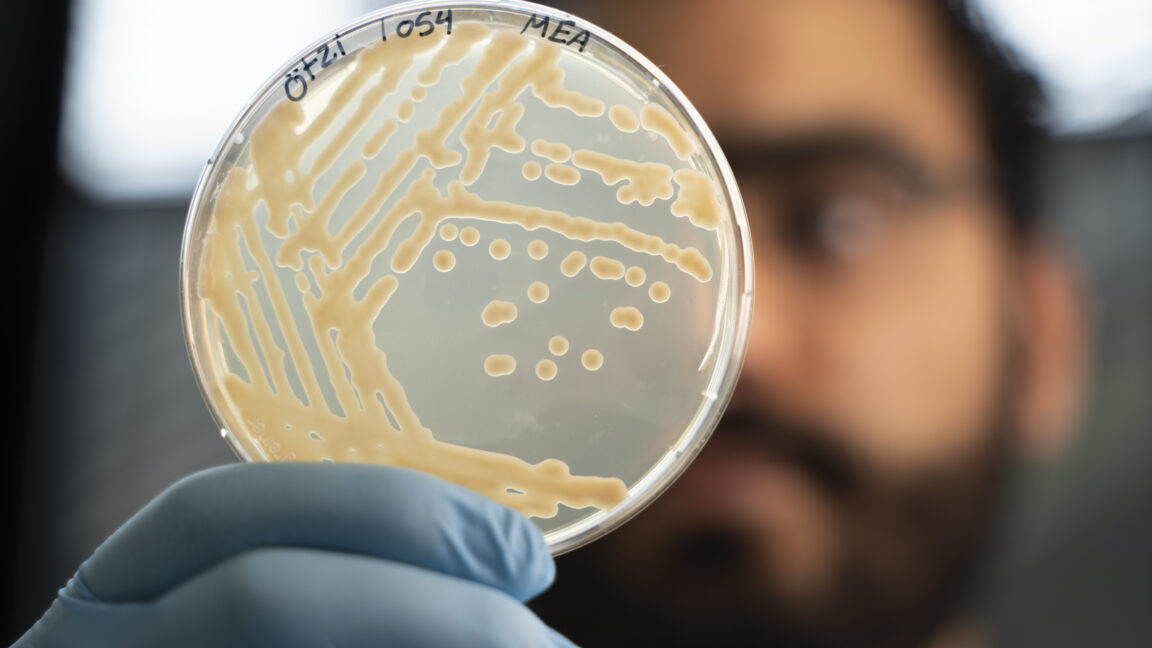
Ötzi the Iceman, Europe’s most famous mummy, is crawling with microbes, some long dead, some still eking out a living after thousands of years, and some very modern.

After he died in the Ötztal Alps, the Copper Age man now known as Ötzi lay alone and forgotten for 5,300 years, until a group of hikers stumbled on his freeze-dried remains in 1991. Since then, he’s received a lot of attention from scientists, who have sequenced his DNA, pored over his last meal and the remains of his gut microbes, and examined his clothes and his broken tools. Today, Ötzi lies in a high-tech resting place at the South Tyrol Museum of Archaeology in Italy, where, it turns out, his body is still home to a handful of cold-adapted yeast species that have probably been with him since just after he died.

Slightly morbid souvenirs from the Alps

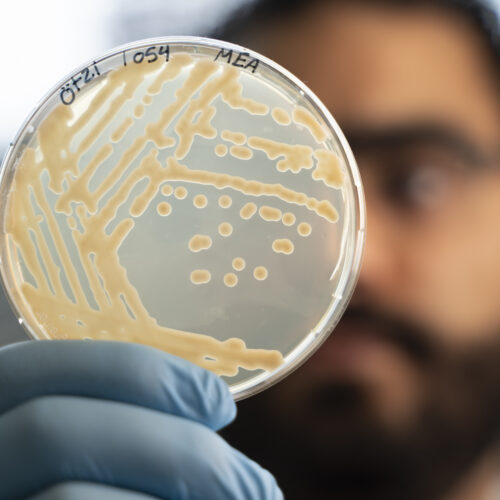
Microbiologist Mohamed S. Sarhan (of the Institute of Mummy Studies at the private Eurac Research center) and his colleagues recently sampled material from Ötzi’s stomach and meltwater from inside his body, swabbed his skin, and even sampled airborne microbes from his frozen storage room and the lab outside it. They also took samples from a block of frozen alpine soil taken from next to Ötzi’s body back in 1991.

Read full article

Comments

© Sarhan et al. 2026

  •  

Baby botulism outbreak: FDA still doesn't know cause—or how to prevent it

The Food and Drug Administration this week posted what critics call an "underwhelming" epilogue to the devastating outbreak of botulism in babies, which was linked to spore-contaminated formula made by ByHeart. Despite clear tracking of the contamination, the regulator still doesn't know how the bacteria arrived in the formula—or how to prevent it from happening again.

"The FDA's investigation into the root cause is ongoing with a focus on ingredients," the agency reported.

In the void, three companies at the center of the investigation are left pointing fingers at each other, with none publicly taking responsibility for the contamination.

Read full article

Comments

© ByHeart

  •  

How a USB-connected speaker can infect a PC without ever being touched

Operating system makers take many steps to prevent their wares from accepting commands from remote devices. The safeguards, designed to thwart malicious attacks, typically require hackers to jump through all kinds of hoops to bypass the measures. But what if remote code execution were as simple as being within Bluetooth range of a speaker connected to the targeted device?

It turns out it can, at least when the speaker is a Sound Blaster Katana V2X sold by Singapore-based Creative Technologies. The speaker, which sells for $283, is widely acclaimed with numerous reviews showering praise on the sound and performance of it and its predecessor, the Sound Blaster V2.

A PC-pwning proxy

Researcher Rasmus Moorats stumbled on the hack by accident, after he purchased a Katana V2X, a soundbar that connects to PCs, Macs, and Linux devices over USB or Bluetooth. Moorats was curious if he could create a Linux tool that communicated with his speaker. He discovered he could do so through CTP, a proprietary mechanism he guesses is short for Creative Transport Protocol.

Read full article

Comments

© Creative Technologies

  •  

Small modular nuclear reactor reaches criticality in first test

Just over a year ago, the Trump Administration issued an executive order meant to accelerate the development of nuclear power in the US. While an entire startup ecosystem has developed around the use of different—and typically smaller—reactor designs, only one of them has been fully licensed so far, and there are no plans to actually build any instances of that design.

The executive order directed the Department of Energy to have three different reactor designs reach criticality in a bit over a year. On Thursday, a startup called Antares announced that a test reactor it had placed at the Idaho National Laboratory had reached criticality, making it the first new design to cross this threshold. Criticality means that the nuclear reactions inside the hardware had become self sustaining; it does not mean the reactor had started to generate power.

Antares is one of a number of companies that is basing its design on a new fuel system called TRISO that takes some of the complexity and safety out of the reactor design and places them in the fuel design. The fuel design is based on tiny pellets with a uranium oxide core. The pellets are surrounded by several layers of carbon that can moderate the energy of both the neutrons and lighter nuclei that are released by fission reactions. All of that is encased in a hard ceramic shell that's designed to withstand the highest temperatures that can be produced by the encased uranium.

Read full article

Comments

© Department of Energy

  •  

The saga of the International Space Station air leak took a worrying turn Friday

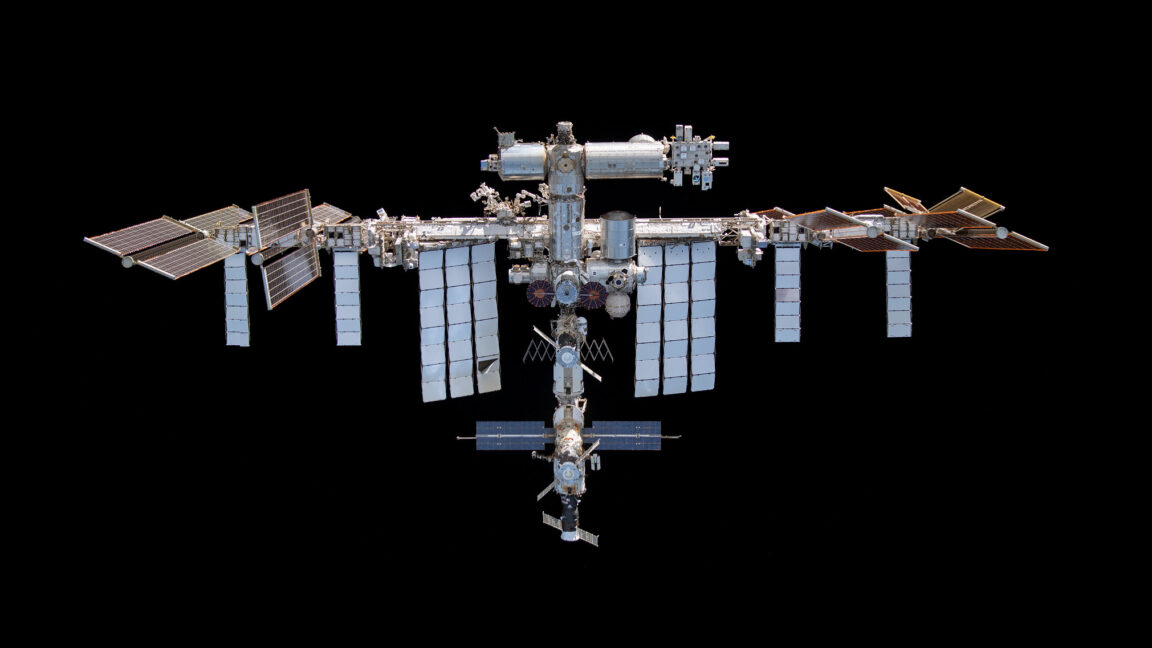
Five of the seven crew members on the International Space Station briefly sought refuge inside a SpaceX return capsule Friday morning as two Russian cosmonauts worked on an air leak on the other end of the complex.

NASA ordered US astronauts Jessica Meir and Jack Hathaway, French astronaut Sophie Adenot, and Russian cosmonaut Andrey Fedyaev into SpaceX's Crew Dragon Freedom spacecraft around 9 am EST (14:00 UTC) on Friday. The foursome launched aboard the SpaceX crew capsule on the Crew-12 mission in February, and the ship serves as their lifeboat until the crew's scheduled return to Earth in September.

NASA astronaut Chris Williams, who flew to the station in a Russian Soyuz ferry ship, joined the Crew-12 astronauts inside the Dragon spacecraft.

Read full article

Comments

© NASA

  •  

S&P 500 rejects SpaceX, also blocking entry for OpenAI and Anthropic

SpaceX has requested unusually swift entry into several leading stock market indexes as a condition of its historic stock market debut. But the S&P 500 stock market index representing many of the largest profitable US companies has surprised market analysts by refusing to bend the rules for Elon Musk’s space and AI company.

The June 4 decision by S&P Dow Jones Indices—the company that creates and manages stock market indexes such as the S&P 500—means that SpaceX will not gain accelerated access to potentially billions more dollars through passive investment funds that automatically purchase shares of S&P 500 companies. Modifying the rules in response to SpaceX's request could have also allowed leading AI companies such as OpenAI and Anthropic to gain entry not long after their own expected initial public offerings (IPOs). That possibility has now been shuttered.

The news will likely come as a relief to people concerned about passive investor money and people’s retirement savings plans having greater exposure to the market risks associated with SpaceX’s big bet on AI and speculative orbital data center plans. AI companies are generally facing more challenges in funding and building expensive AI data centers, even as they shift more of the subsidized costs of running AI services onto shocked customers through usage-based pricing.

Read full article

Comments

© Michael Yanow/NurPhoto via Getty Images

  •  

"We pissed off a lot of people": Giant data center plan cut 50% amid protests

One of the world's biggest data center projects was designed to be nearly three times the size of Manhattan, stretching across multiple Utah sites. But intense local backlash in Box Elder County has now pushed the developer to cut the project plans in half before construction starts.

Residents' top concern was the Stratos data center project draining local waters, and they were willing to pay to protect them, most especially the vulnerable Great Salt Lake. Many locals paid a $15 fee to register comments to block the transfer of 1,900 acre-feet of water from a ranch to the hyperscale data center. Other concerns include electricity bills rising and potential risks to air quality, local wildlife, and land.

Venture capitalist Kevin O'Leary, chair of O'Leary Digital and Shark Tank investor, is behind the construction of the project. He told a local ABC affiliate that he regrets not working with state officials to be more transparent about the project from the beginning.

Read full article

Comments

© Natalie Behring / Stringer | Getty Images News

  •  

Review: Spider-Noir recaptures the magic of a bygone era

My hopes were high for the new Prime Video superhero series Spider-Noir, based on all those amazing trailers. But I also had some trepidation. Could the actual series live up to the hype?

As it turns out, yes, it could. Spider-Noir is a triumph, fusing fast-paced storytelling, compelling characters, gorgeous cinematography and production design, and whip-smart dialogue into a hugely entertaining, loving homage to a magical bygone era.

(Some spoilers below, but no major reveals.)

Read full article

Comments

© Prime Video

  •  

Trump admin tries again to revive dying coal industry

On Thursday, President Donald Trump announced his administration's latest attempt to prop up the US coal industry during an incoherent press event that randomly oscillated between energy issues and Trump's fixation with building and renovating monuments in DC. The energy portion of the events was also frequently disconnected from reality.

"Today we're taking historic action to bring down the price of energy and the cost of living for all Americans with the power of clean, beautiful coal," said Trump, apparently unaware that coal is one of the most expensive means of generating electricity in the US.

With wind and solar power getting cheaper, coal has become the second-most expensive way of producing electricity, trailing only the cost of building a new nuclear plant. As a result, no new coal plants have been completed in over a decade, and coal has gone from powering over half the electrical grid to producing only about 15 percent of the nation's electricity. That's before the indirect costs of coal use are considered. It produces the most greenhouse gas emissions per unit of energy, releases dangerous particulates and chemicals into the atmosphere, and leaves behind ash that has high levels of toxic metals.

Read full article

Comments

© Douglas Sacha

  •  

The Fitbit Air is a good wearable weighed down by a chatty AI "coach"

Smartwatches can track your health stats, but they also do a lot of other things you might not always want or need. The $100 Fitbit Air tracker ditches the screens that have become common on people's wrists, leaving behind a tiny puck of health sensors you can often forget you're wearing. You will not, however, forget that Google's new health platform is built around AI.

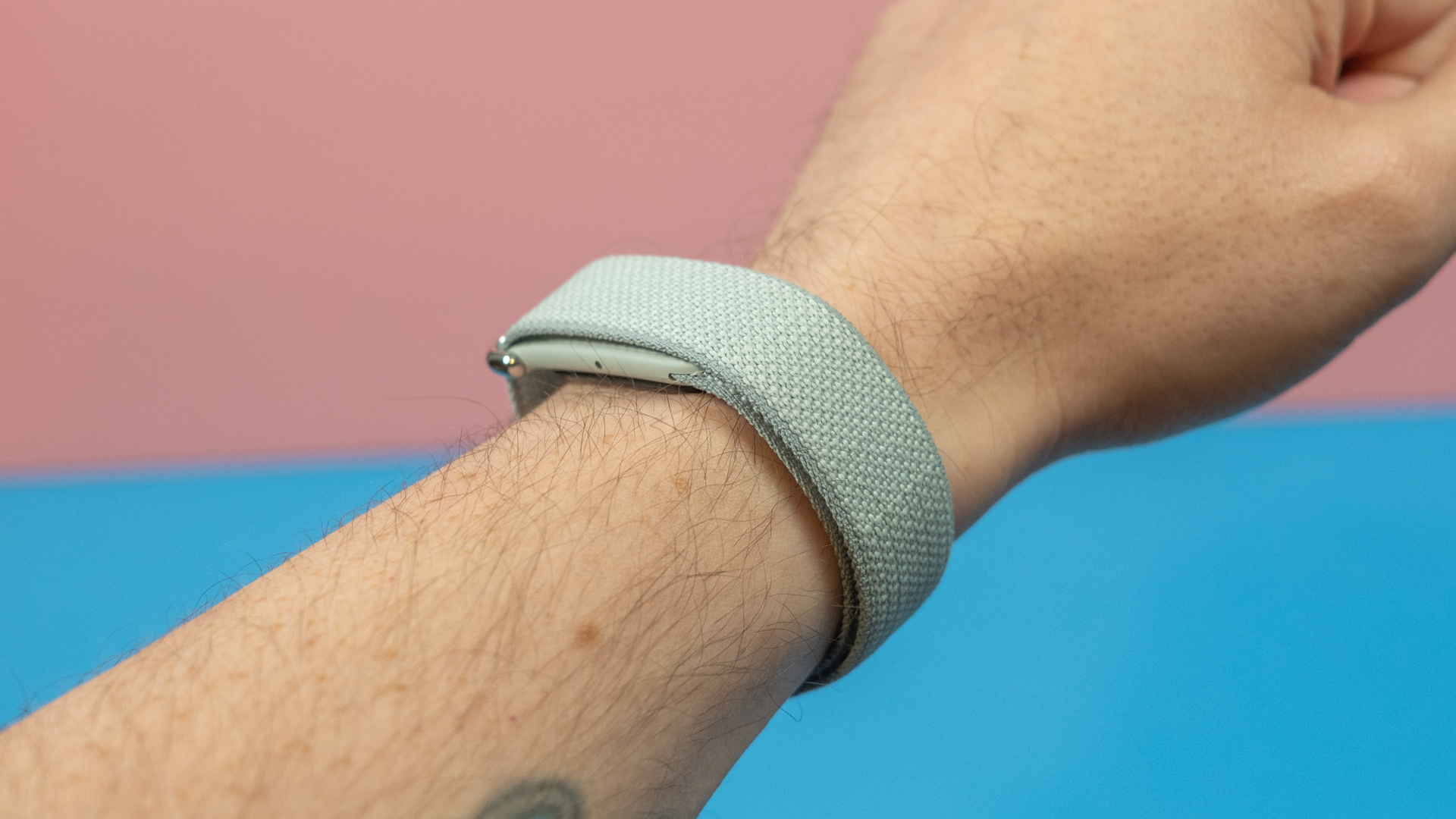
The Air has no speaker, and there's only one LED on the side to indicate battery level. You can double-tap the tracker to check the level, and that's about the end of on-device features. The vibration motor is only for alarms—it can't sync with notifications on your phone. That makes sense, given there is no screen to tell you what that buzz was all about.

Fitbit Air side view The Fitbit Air doesn't have a display or buttons—just a small LED on the side for battery status. Credit: Ryan Whitwam
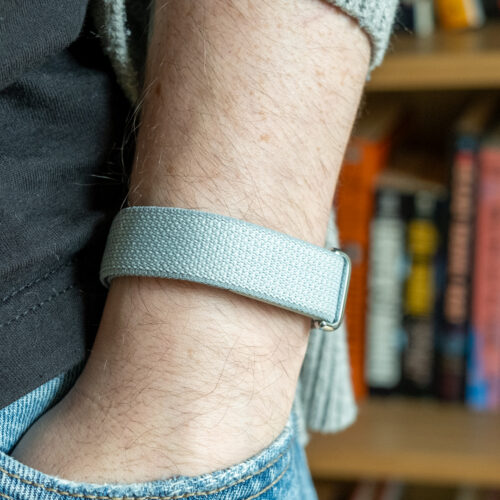
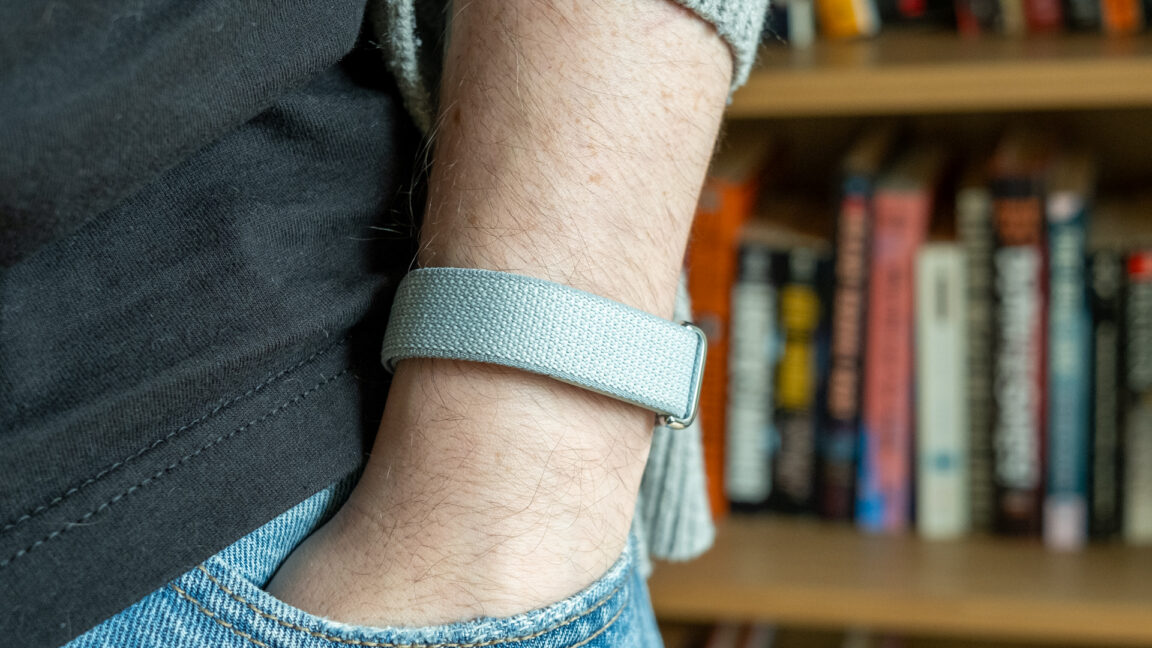
The stock Performance Band is simple, consisting of a smooth polyester yarn with small velcro pads and a metal loop. It's durable but does seem to absorb a bit of moisture. For swimming or heavy workouts, you'll probably want the silicone active band. This one hides the Air puck a bit more effectively, and it looks good in a sporty way.

Read full article

Comments

© Ryan Whitwam

  •  

Rocket Report: Blue Origin explosion still making headlines; Impulse raises money

Welcome to Edition 8.44 of the Rocket Report! The news this week is decidedly weighted in favor of heavy-lift rockets, largely due to the fallout from last Thursday's explosion of Blue Origin's New Glenn on its launch pad in Florida. Blue Origin aims to resume launches at the badly damaged launch facility by the end of the year, but there's good reason to be skeptical of this timeline. With New Glenn grounded, will Blue Origin founder Jeff Bezos approach Elon Musk's SpaceX to launch his Blue Moon lander to the lunar south pole? It sure sounds like NASA is pushing for that.

As always, we welcome reader submissions. If you don't want to miss an issue, please subscribe using the box below (the form will not appear on AMP-enabled versions of the site). Each report will include information on small-, medium-, and heavy-lift rockets, as well as a quick look ahead at the next three launches on the calendar.

Spaceport development moves forward in Canada. There's been a lot of talk about the Canadian government's recent commitment to invest in a sovereign launch capability. There was the announcement last year of a federal budget of 182.6 million Canadian dollars ($131 million) over three years to establish a sovereign launch program. In March, the government said it would lease a dedicated launch pad at a commercially developed spaceport in Nova Scotia for national defense purposes, committing 200 million Canadian dollars ($144 million) to the deal. The agreement is a boon for Maritime Launch Services, which is developing Spaceport Nova Scotia after years of slow progress at the coastal site, SpaceQ reports.

Read full article

Comments

© SpaceX

  •  

Safety officials finally have a good idea of what a big rocket explosion can do

Last week's explosion of a New Glenn rocket at Cape Canaveral, Florida, was clearly a setback for Blue Origin and NASA, but it was a learning experience for safety officials looking to open up the spaceport to hundreds more launches per year.

The launch base on Florida's Space Coast is gearing up for a flurry of new arrivals. SpaceX is building multiple launch pads for its super-heavy Starship rocket, which will operate within a few miles of launch pads operated by SpaceX rivals Blue Origin and United Launch Alliance. Two other companies, Stoke Space and Relativity Space, are also developing launch sites along a narrow stretch of coastline at Cape Canaveral Space Force Station.

All of them have, or will soon have, rockets burning methane or liquified natural gas, replacing legacy launch vehicles fueled by kerosene, liquid hydrogen, or solid propellants. There are good technical reasons for making the switch, but until last week, engineers had scant real-world data on the damage that millions of pounds of methane and liquid oxygen would cause if a fully loaded rocket exploded on the launch pad or soon after liftoff.

Read full article

Comments

© Adam Bernstein/Spaceflight Now

  •  

Steve Jobs in Exile is a fine profile of Jobs' years at NeXT

In the late 1990s, I was a precocious Mac nerd who pored over issues of Macworld, stayed up late chatting on IRC, and downloaded pirated software that I didn’t actually need. I came of age at the tail end of the dial-up modem and BBS era—and got to witness the early days of the World Wide Web.

I wanted to know where all of this had come from and how it had happened so quickly. The grown-ups around me seemed mystified at best and indifferent at worst.

So I turned to books. I read Fire in the Valley (1984), Where Wizards Stay Up Late (1996), Infinite Loop (1999), and Dealers of Lightning (1999). In my mind (and to a lesser degree, on my actual bookshelf), I had built a mental list of my favorite selections of late 20th-century tech journalism.

Read full article

Comments

© Getty Images

  •  

Review: AMD's Radeon RX 9070 GRE is a disappointing way to spend $549

At some point during the fog of 2021 or 2022, I noticed that my son's preferred brand of fruit snacks had switched from including 0.9 ounces per pouch to 0.8 ounces per pouch. Most shrinkflation is meant to fly under the radar, but in this case, I just happened to notice it. It felt bad! It's tangible evidence that your money is not going as far as it did in the very recent past.

A little over a year ago, AMD launched the Radeon RX 9070 for a suggested retail price of $549. This month, it's launching the similarly named Radeon RX 9070 GRE for a suggested retail price of $549. This new card (actually the US launch of a GPU that's been available in China for a year or so) has 85 percent as many GPU cores, 75 percent as much memory, and 66 percent as much memory bandwidth as the regular RX 9070.

We'll evaluate the RX 9070 GRE in the context of the current GPU market, where prices have been edging upward due to the same AI-driven RAM shortages and price hikes that have made PC building and buying such a miserable experience for the last few months. But it's hard not to be a little upset about such a clear example of GPU shrinkflation—the same money for a markedly inferior product.

Read full article

Comments

© Andrew Cunningham

  •  

The skeptic’s guide to humanoid robots going viral on the Internet

It may appear that humanoid robots capable of handling any task have almost arrived—especially when tech companies showcase them performing acrobatic feats or handling household chores. But there is still a significant gap between these robot demonstrations and proving that the same robots can reliably and repeatedly manage such tasks in the real world.

The latest wave of robot videos can be particularly tricky, given the human tendency to anthropomorphize objects with a humanoid figure. A robot arm doing a dance move may simply seem “cool,” but a humanoid robot doing the same dance move can trigger more misleading assumptions, said Jonathan Hurst, cofounder of Agility Robotics and a robotics researcher at Oregon State University.

“People automatically extrapolate and assume that the robot that looks like a person can do all the things that a person who can dance could do—which is not true,” Hurst told Ars. “But a lot of the startup companies do kind of prey on that for being able to raise a lot of money.”

Read full article

Comments

© Fan Xiaoheng/China News Service/VCG via Getty Images

  •  

AT&T and Verizon lose Supreme Court case over fines for selling location data

AT&T and Verizon lost an attempt to overturn fines for selling users’ real-time location data without consent, as the Supreme Court ruled today that the Federal Communications Commission process for issuing financial penalties did not violate the right to a jury trial.

AT&T convinced the US Court of Appeals for the 5th Circuit to overturn its fine last year, while Verizon lost in the 2nd Circuit. The Supreme Court took up the case to resolve the circuit split and reversed the 5th Circuit decision in today's ruling, which was 8-1 with Justice Clarence Thomas dissenting.

AT&T and Verizon were fined a total of $104 million by the FCC in 2024 for violations revealed in 2018. The carriers paid their fines and challenged them in circuit appeals courts, where judges’ panels ruled on the cases. Carriers claimed this system deprived them of the Seventh Amendment right to a jury trial.

Read full article

Comments

© Getty Images | Kevin Carter

  •  

These LLMs are the best at resisting Russian propaganda

As more people rely on large language models to provide pat answers to complex questions, state governments are understandably worried about those LLMs spouting what they see as dangerous propaganda promoted by foreign adversaries. To help combat this problem, the government-sponsored Estonian Language Institute (ELI) has released a new "Propaganda Resistance" benchmark ranking dozens of LLMs on their ability to avoid "tak[ing] positions on topics that the Russian Federation uses in its strategic narratives."

As a former member of the Soviet Union that has been independent for just a few decades, many Estonians are particularly alert to what they see as false narratives being promoted from their large and often belligerent neighbor to the east. Alongside volunteer-run Estonian defense collective Propastop, the ELI identified 14 broad categories in which it sees Russian influence operations trying to sway public discussion. These range from narratives on the current status of Crimea and justifications for the war in Ukraine to the history of NATO and justification for Russia's annexation of Baltic states during World War II.

For each category of propaganda, the researchers developed separate questions phrased to be neutral, biased with "false assumptions" based on Russian propaganda, or to maliciously attempt to elicit explicit misinformation from the LLM. Questions were provided to the models in English, Estonian, and Russian, and judged by a separate AI model (calibrated to align with Propastop experts) based on the models' ability to "push back on propaganda narratives, without external help" from web search or other external tools.

Read full article

Comments

© Getty Images

  •  

Dashlane explains how attackers managed to download encrypted password vaults

Dashlane said that attackers mounted a coordinated hacking campaign against a large base of its users in an attempt to recover as many encrypted password vaults as possible. The password manager provider said fewer than 20 personal user vaults were downloaded before it shut down the operation.

In a campaign that started Sunday, the unknown threat actor abused the mechanism that allows Dashlane users to add new devices, such as computers or phones, to their accounts. By abusing Dashlane's programming interfaces for device enrollment, the attackers sent requests to large numbers of existing users’ registered email addresses. In an update published Thursday, Dashlane wrote:

The threat actor targeted the API endpoints for device registration and used a brute force attack to send a large volume of automated requests to those endpoints.

In response, Dashlane’s automated security systems operated as intended, triggering an automatic lockout of the targeted accounts to protect those users. Before the attack was fully mitigated, the threat actor was able to brute force and generate valid tokens for fewer than 20 personal plan customers, allowing them to register a new device on those accounts and download copies of users’ encrypted vaults.

The flow and strategy of the attack

When a user installs the Dashlane app on a new device and attempts to enroll it in their existing account, Dashlane first verifies the account holder's identity. This verification is completed by sending a one-time six-digit token to the user’s registered email address (or, for users who have enabled two-factor authentication, by validating a six-digit code generated by their authentication app).

Read full article

Comments

© Getty Images

  •  

Elon Musk tries again to escape FTC audits of X data handling

Critics hope to keep Elon Musk from escaping a strict data-privacy order imposed by the Federal Trade Commission (FTC) shortly before he took over Twitter.

The FTC order placed restrictions on X's data use for 20 years, while requiring regular independent audits and granting the agency authority to request documents as needed to ensure compliance.

The FTC’s action came after Twitter voluntarily disclosed that between May 2013 and September 2019, a coding error accidentally allowed phone numbers and email addresses that users shared for two-factor authentication purposes to be used for targeted advertising aimed at those same users. In a settlement that came just months before Musk's 2022 takeover, Twitter agreed to pay $150 million and to allow the FTC to monitor the platform's data-handling practices until 2042 in order to protect user privacy.

Read full article

Comments

© Anadolu / Contributor | Anadolu

  •  

Cable lobby warns of chaos if FCC doesn't relax ban on foreign routers

The cable industry's primary lobby group is seeking a waiver of the Federal Communications Commission ban on foreign routers, warning of potential chaos if cable Internet service providers can't change some of the components in routers they offer to home broadband users.

In March, the FCC added all consumer-grade routers made at least partly outside the US to its Covered List, which imposes restrictions on devices deemed to pose an unacceptable risk to national security. The change affected virtually all consumer routers, preventing new or changed models from being imported into or sold in the US.

In a petition filed on Tuesday, NCTA-The Internet & Television Association asked the FCC to grant an expedited waiver allowing its members' suppliers to "substitute substrate materials and memory modules in the previously certified routers that are now on the Covered List" as long as the changes "are otherwise consistent" with FCC regulations.

Read full article

Comments

© Getty Images | BernardaSv

  •  
❌