❌

Reading view

Gemini 3.5 and Antigravity come to Google NotebookLM

Google's NotebookLM was one of the company's first forays into generative AI technology, and in un-Googley fashion, it hasn't been shut down yet. In fact, NotebookLM is getting one of its biggest updates, ever, today, moving to the latest Gemini 3.5 model, support for more file types, and streamlined web source integration. Google also says NotebookLM will be able to do more with all those queries thanks to embedded support for Antigravity.

Gemini 3.5 Flash debuted at Google I/O this year, promising much faster and more efficient processing. Google has claimed that companies worried about token costs can save big by moving their projects to the new Flash model while also getting outputs that are of similar or better quality. Those improvements are now filtering down to other Google products. NotebookLM, which launched in 2023 at the very beginning of the AI boom, lets you analyze specific sources like documents and webpages with Google's latest AI models.
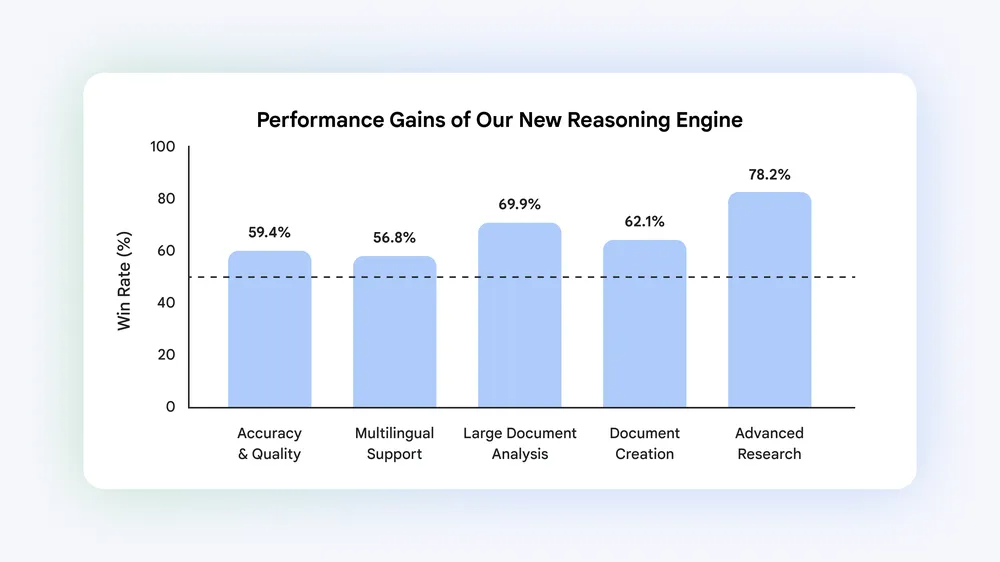
NotebookLM evaluation graph The upgraded NotebookLM beats the old version in all of Google's "core evaluation dimensions." Credit: Google

Google conducted side-by-side evaluations of NotebookLM on the old Gemini 3.1 branch and with the updated 3.5. The company is being somewhat vague about the nature of the tests, breaking things up into "top five core evaluation dimensions," which are Accuracy and Quality, Multilingual Support, Large Document Analysis, Document Creation, and Advanced Research. In these tests, Google says NotebookLM averaged a 65 percent win rate versus the older model.


Read full article

Comments

Β© Google

  •  

The Fitbit Air is a good wearable weighed down by a chatty AI "coach"

Smartwatches can track your health stats, but they also do a lot of other things you might not always want or need. The $100 Fitbit Air tracker ditches the screens that have become common on people's wrists, leaving behind a tiny puck of health sensors you can often forget you're wearing. You will not, however, forget that Google's new health platform is built around AI.

The Air has no speaker, and there's only one LED on the side to indicate battery level. You can double-tap the tracker to check the level, and that's about the end of on-device features. The vibration motor is only for alarmsβ€”it can't sync with notifications on your phone. That makes sense, given there is no screen to tell you what that buzz was all about.

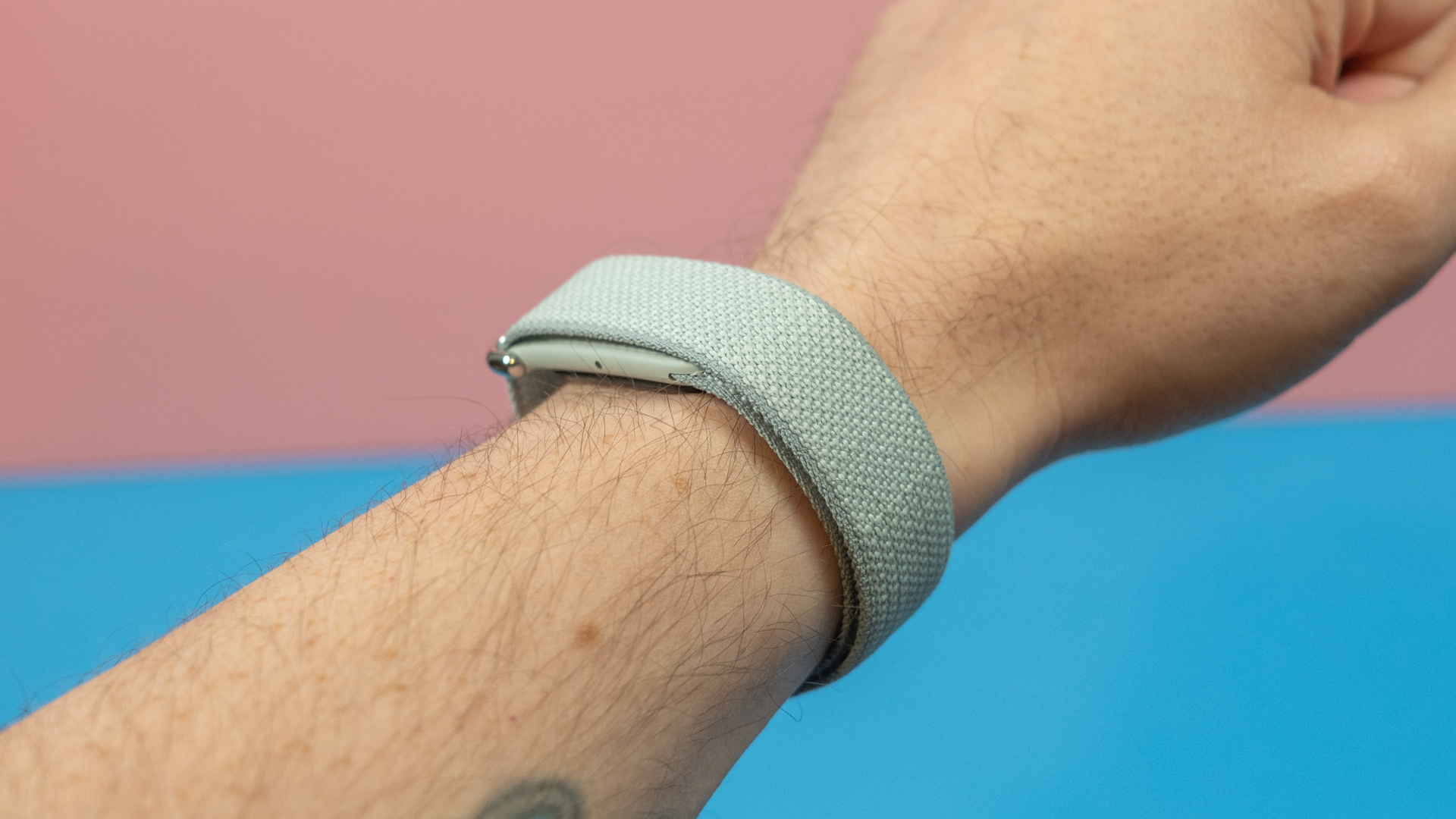
Fitbit Air side view The Fitbit Air doesn't have a display or buttonsβ€”just a small LED on the side for battery status. Credit: Ryan Whitwam

The stock Performance Band is simple, consisting of a smooth polyester yarn with small velcro pads and a metal loop. It's durable but does seem to absorb a bit of moisture. For swimming or heavy workouts, you'll probably want the silicone active band. This one hides the Air puck a bit more effectively, and it looks good in a sporty way.

Read full article

Comments

Β© Ryan Whitwam

  •  

These LLMs are the best at resisting Russian propaganda

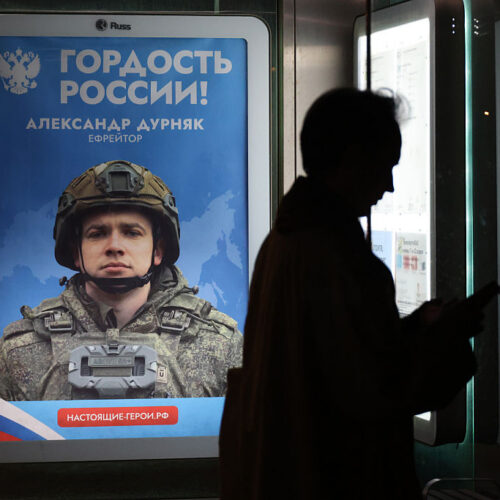
As more people rely on large language models to provide pat answers to complex questions, state governments are understandably worried about those LLMs spouting what they see as dangerous propaganda promoted by foreign adversaries. To help combat this problem, the government-sponsored Estonian Language Institute (ELI) has released a new "Propaganda Resistance" benchmark ranking dozens of LLMs on their ability to avoid "tak[ing] positions on topics that the Russian Federation uses in its strategic narratives."

As a former member of the Soviet Union that has been independent for just a few decades, many Estonians are particularly alert to what they see as false narratives being promoted from their large and often belligerent neighbor to the east. Alongside volunteer-run Estonian defense collective Propastop, the ELI identified 14 broad categories in which it sees Russian influence operations trying to sway public discussion. These range from narratives on the current status of Crimea and justifications for the war in Ukraine to the history of NATO and justification for Russia's annexation of Baltic states during World War II.

For each category of propaganda, the researchers developed separate questions phrased to be neutral, biased with "false assumptions" based on Russian propaganda, or to maliciously attempt to elicit explicit misinformation from the LLM. Questions were provided to the models in English, Estonian, and Russian, and judged by a separate AI model (calibrated to align with Propastop experts) based on the models' ability to "push back on propaganda narratives, without external help" from web search or other external tools.

Read full article

Comments

Β© Getty Images

  •  
❌