Reading view

Google DeepMind releases DiffusionGemma, a model that runs local AI 4x faster

Another day, another AI model from Google. This time, Google DeepMind has released a new member of the Gemma 4 open model family, but it's fundamentally different from the rest of the lineup. DiffusionGemma doesn't generate outputs linearly like most AI models. Instead, it can produce an entire block of text in parallel. Google says this makes it faster and more efficient when running on local hardware like an Nvidia DGX or a humble gaming GPU.

Most AI models are designed to be autoregressive—they generate text left to right one token at a time. DiffusionGemma has more in common with image generation models, which start with static and then denoise it to create the desired content. This model takes a field of placeholder tokens running over the canvas multiple times to generate likely tokens and using those to improve estimation of others. At the end of the process, the model finalizes its token outputs in one large block—the "denoised" text canvas.

DiffusionGemma is fairly large in the realm of Google's open models. It's a Mixture of Experts (MoE) model with a total of 26 billion parameters, but only 3.8 billion are activated during inference. That means it should fit in the 18GB RAM allotment of a high-end GPU. In testing with an RTX 5090, DiffusionGemma spits out around 700 tokens per second. With a single Nvidia H100 AI accelerator, DiffusionGemma can produce 1,000+ tokens per second. That's about four times the output of the similarly sized autoregressive Gemma models.
Read full article

Comments

© Google

  •  

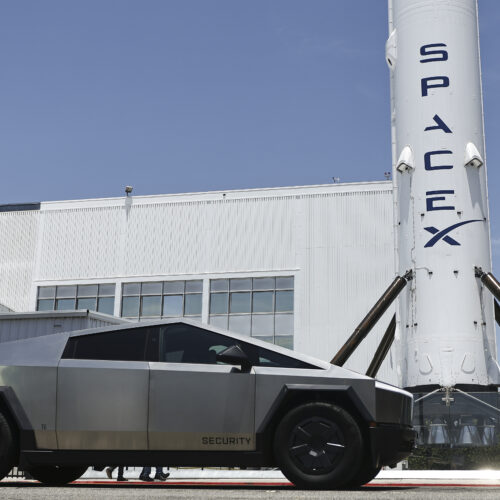
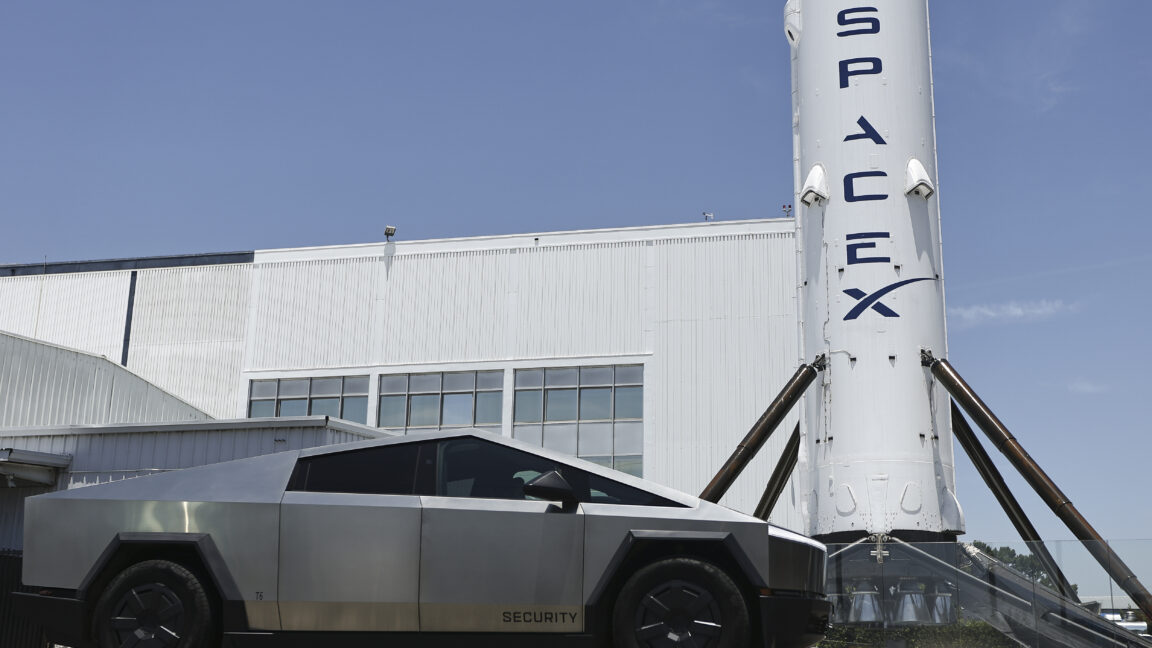
S&P 500 rejects SpaceX, also blocking entry for OpenAI and Anthropic

SpaceX has requested unusually swift entry into several leading stock market indexes as a condition of its historic stock market debut. But the S&P 500 stock market index representing many of the largest profitable US companies has surprised market analysts by refusing to bend the rules for Elon Musk’s space and AI company.

The June 4 decision by S&P Dow Jones Indices—the company that creates and manages stock market indexes such as the S&P 500—means that SpaceX will not gain accelerated access to potentially billions more dollars through passive investment funds that automatically purchase shares of S&P 500 companies. Modifying the rules in response to SpaceX's request could have also allowed leading AI companies such as OpenAI and Anthropic to gain entry not long after their own expected initial public offerings (IPOs). That possibility has now been shuttered.

The news will likely come as a relief to people concerned about passive investor money and people’s retirement savings plans having greater exposure to the market risks associated with SpaceX’s big bet on AI and speculative orbital data center plans. AI companies are generally facing more challenges in funding and building expensive AI data centers, even as they shift more of the subsidized costs of running AI services onto shocked customers through usage-based pricing.

Read full article

Comments

© Michael Yanow/NurPhoto via Getty Images

  •  

"We pissed off a lot of people": Giant data center plan cut 50% amid protests

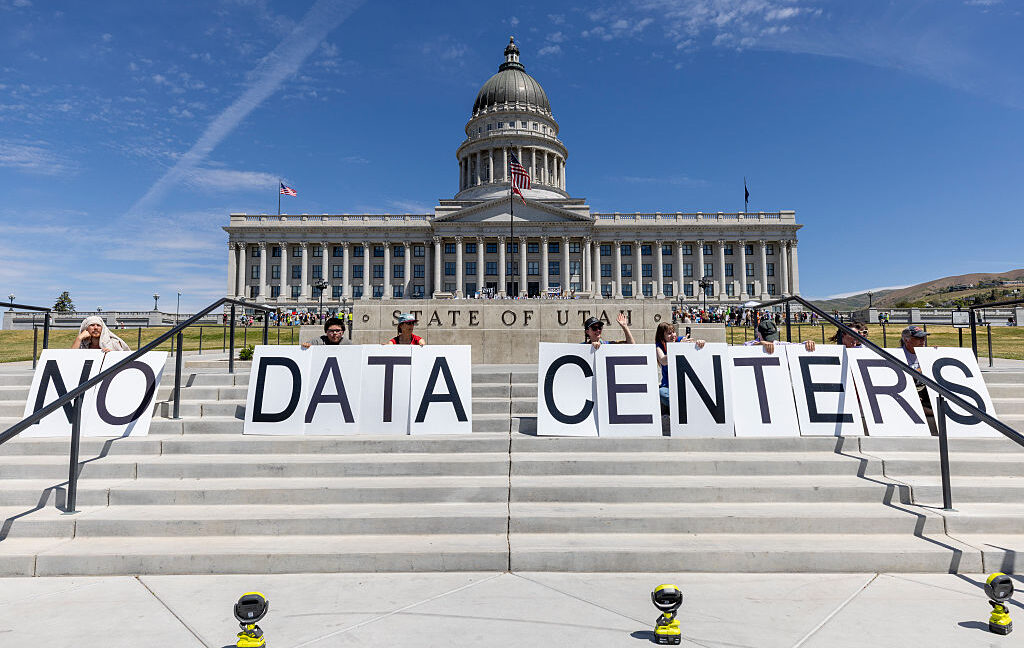
One of the world's biggest data center projects was designed to be nearly three times the size of Manhattan, stretching across multiple Utah sites. But intense local backlash in Box Elder County has now pushed the developer to cut the project plans in half before construction starts.

Residents' top concern was the Stratos data center project draining local waters, and they were willing to pay to protect them, most especially the vulnerable Great Salt Lake. Many locals paid a $15 fee to register comments to block the transfer of 1,900 acre-feet of water from a ranch to the hyperscale data center. Other concerns include electricity bills rising and potential risks to air quality, local wildlife, and land.

Venture capitalist Kevin O'Leary, chair of O'Leary Digital and Shark Tank investor, is behind the construction of the project. He told a local ABC affiliate that he regrets not working with state officials to be more transparent about the project from the beginning.

Read full article

Comments

© Natalie Behring / Stringer | Getty Images News

  •  

The Fitbit Air is a good wearable weighed down by a chatty AI "coach"

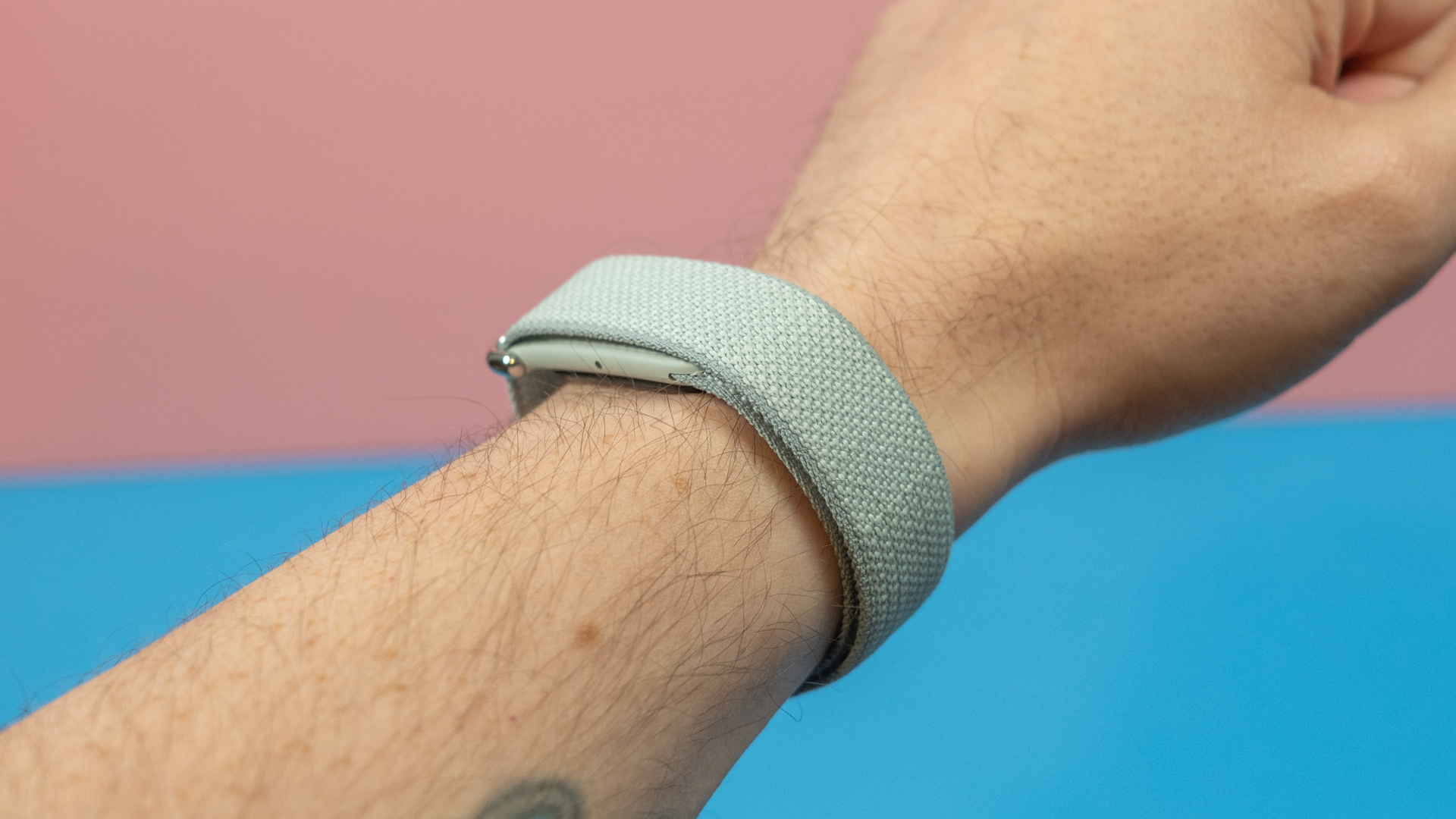
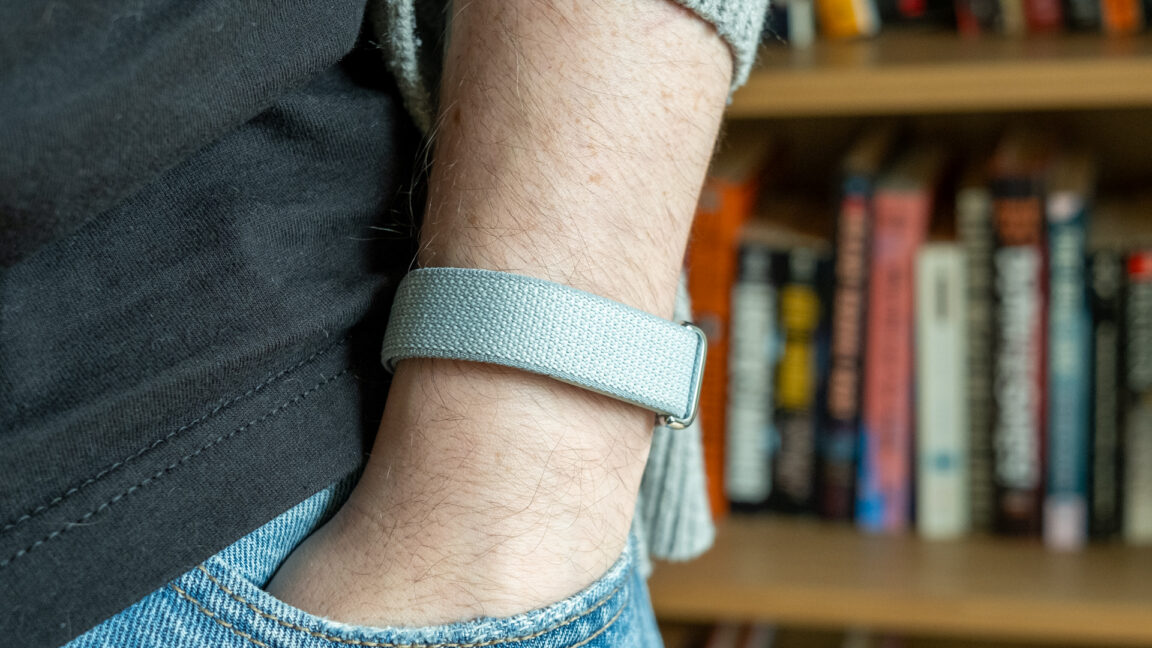
Smartwatches can track your health stats, but they also do a lot of other things you might not always want or need. The $100 Fitbit Air tracker ditches the screens that have become common on people's wrists, leaving behind a tiny puck of health sensors you can often forget you're wearing. You will not, however, forget that Google's new health platform is built around AI.

The Air has no speaker, and there's only one LED on the side to indicate battery level. You can double-tap the tracker to check the level, and that's about the end of on-device features. The vibration motor is only for alarms—it can't sync with notifications on your phone. That makes sense, given there is no screen to tell you what that buzz was all about.

Fitbit Air side view The Fitbit Air doesn't have a display or buttons—just a small LED on the side for battery status. Credit: Ryan Whitwam
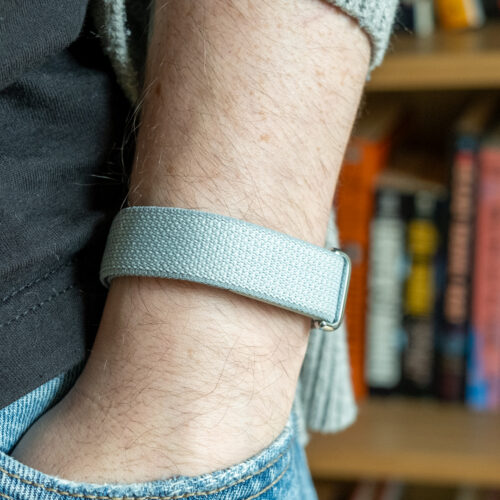
The stock Performance Band is simple, consisting of a smooth polyester yarn with small velcro pads and a metal loop. It's durable but does seem to absorb a bit of moisture. For swimming or heavy workouts, you'll probably want the silicone active band. This one hides the Air puck a bit more effectively, and it looks good in a sporty way.

Read full article

Comments

© Ryan Whitwam

  •  

Elon Musk tries again to escape FTC audits of X data handling

Critics hope to keep Elon Musk from escaping a strict data-privacy order imposed by the Federal Trade Commission (FTC) shortly before he took over Twitter.

The FTC order placed restrictions on X's data use for 20 years, while requiring regular independent audits and granting the agency authority to request documents as needed to ensure compliance.

The FTC’s action came after Twitter voluntarily disclosed that between May 2013 and September 2019, a coding error accidentally allowed phone numbers and email addresses that users shared for two-factor authentication purposes to be used for targeted advertising aimed at those same users. In a settlement that came just months before Musk's 2022 takeover, Twitter agreed to pay $150 million and to allow the FTC to monitor the platform's data-handling practices until 2042 in order to protect user privacy.

Read full article

Comments

© Anadolu / Contributor | Anadolu

  •  
❌