Reading view

The biggest race in the world? The 24 Hours of Le Mans is this weekend.

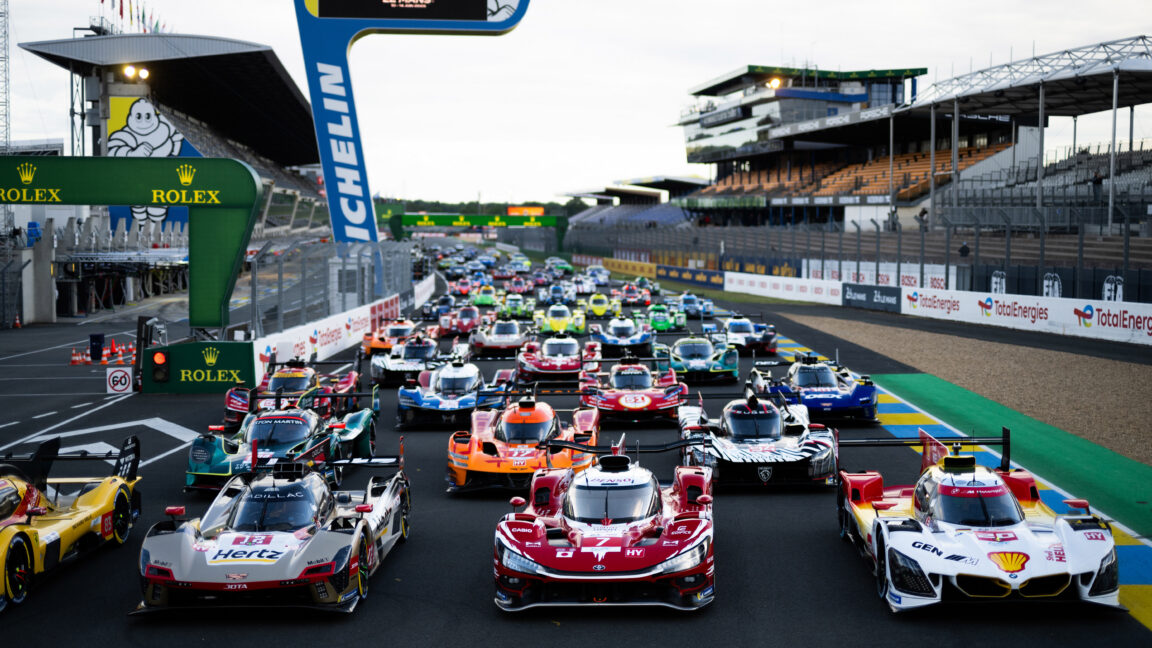
One of motorsport's three biggest races takes place this weekend in France. It is the annual 24 Hours of Le Mans, an endurance race that, together with the Indianapolis 500 and the Monaco Grand Prix, make up the 'triple crown,' an unofficial achievement that only the late Graham Hill can claim to have won. This year, 62 different cars take the start, racing on a mix of permanent race track but also public roads that for the rest of the year are how locals get to the supermarket or the local McDos.

It's not the oldest race in the world, but it's up there—it was first held in 1923, and this year will be the 94th running. It was started as a way to give the automotive industry a grueling test for their new machinery and has remained the area of motorsport with the most road relevance. Disc brakes crossed over from aerospace to road cars at Le Mans, and better brakes continue to be tested there today, but it's also where companies like Porsche and Audi and Toyota proved new hybrid technology, brake-by-wire systems, direct-injection engines, and advanced headlights, to name but a few.

This year, the 62 cars are split across three different classes, each crewed by three drivers who take shifts at the wheel. Some of the drivers are pros—among the world's very best. But plenty are amateurs; in the past, lots of dentists, oddly enough. But with the cost of racing these days, it's the tech bros. The Ruby on Rails creator, the co-founder of GitHub, and the co-founder of Crowdstrike are all racing in the LMP2 class. And Valve's Gabe Newell owns the Aston Martin team that is competing in both Hypercar—with the outrageous-looking and -sounding Valkyrie—as well as in LMGT3, where his son Gray will be one of the drivers.
Read full article

Comments

© James Moy Photography/Getty Images
  •  

F1 teams spend millions on their simulators—what makes them different?

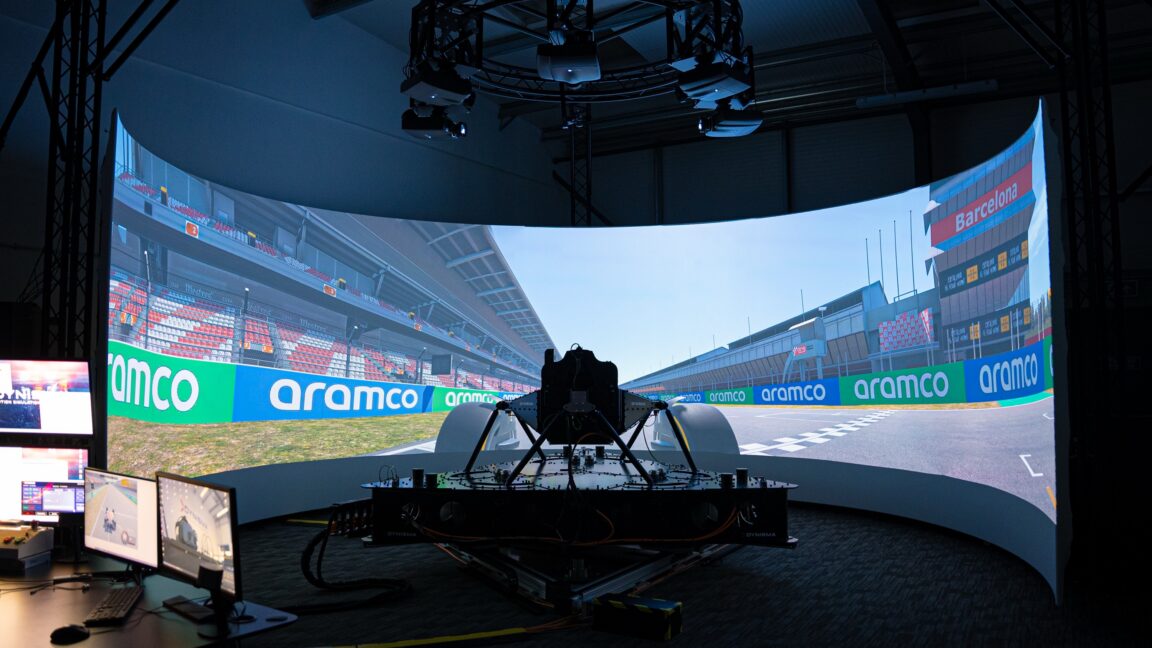
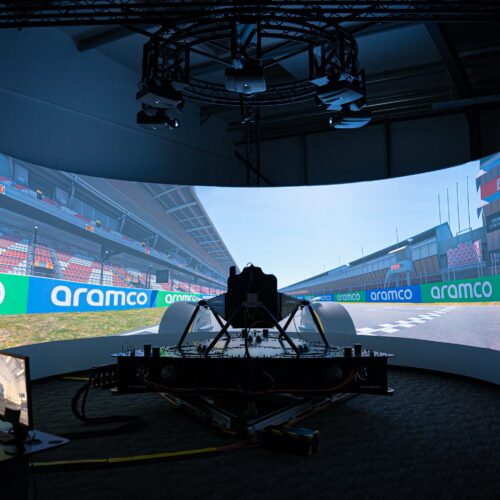
Among the ways Formula 1 has changed in the 21st century has been its adoption of driver-in-the-loop simulators. It all started in the early 2000s, probably at McLaren, maybe at Toyota or Ferrari; F1 teams are notoriously secretive about their performance advantages. Along the years, they've gotten more and more capable, but so too have high-end consumer sims like the multi-axis setups that cost tens of thousands of dollars. What is it that makes the multimillion-dollar simulators used in F1 that much more expensive, and that much better for the job?

For one thing, latency.

"There's this intimate link between the inputs that [a driver] provides to the car, the way the car responds, and then the driver immediately feels that and reacts to it. So this is a very dynamic closed loop involving the driver and the car," explained Ash Warne, founder and CTO of Dynisma Motion Generators, a UK-based simulator company that supplies Ferrari, Alpine, and soon Cadillac with DiL simulators that can cost as much as $10 million.

Read full article

Comments

© Dynisma

  •  

The 2026 Honda Prelude review: Didn't expect such a head-turner

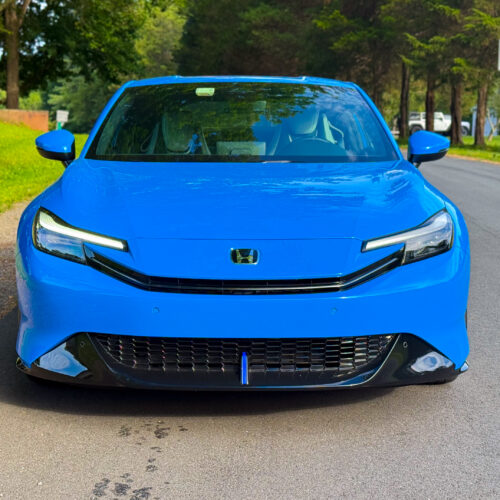
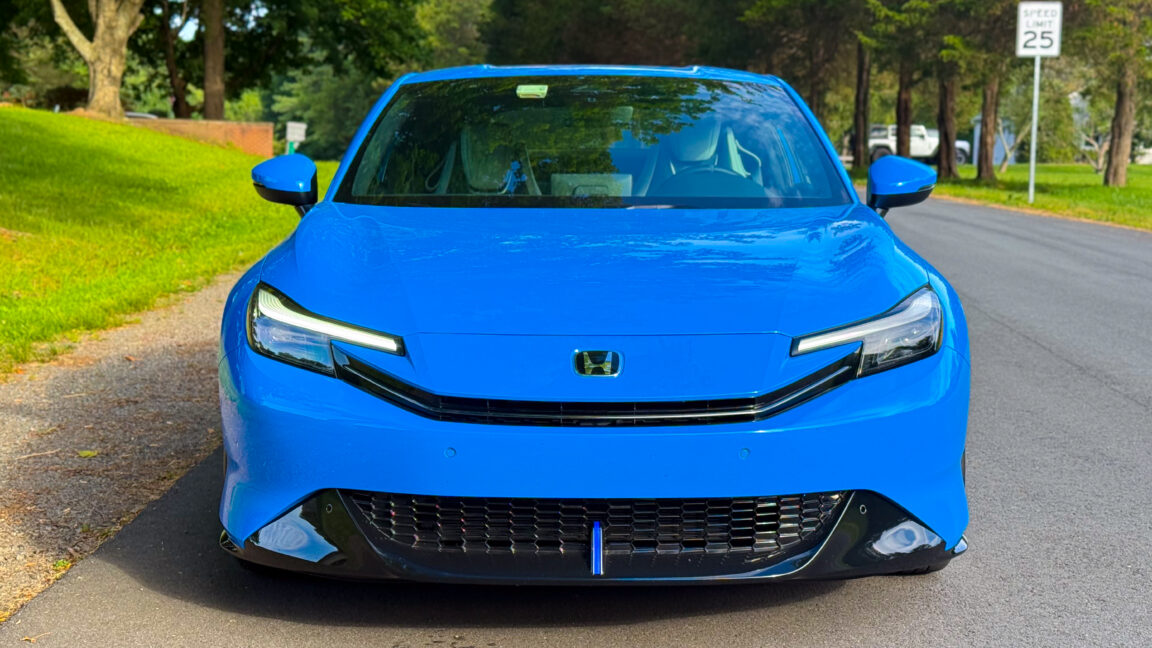
You can tell Honda was trying to manage expectations when it emailed me to stress that "the Prelude is not a sports car." And I can understand why. On paper, the specs make the sleek coupe—technically a three-door hatch—seem underwhelming. Especially if you start comparing it to alternatives.

A Mazda MX-5 or Subaru BRZ weighs hundreds of pounds less, and the Subaru packs more power than the Prelude's 200 hp (149 kW). A Volkswagen Golf GTI weighs about the same as the Prelude at 3,261 lbs (1,479 kg), but it delivers 20 percent more power and offers rear seats that actually accommodate adults. But after a week with the bright blue Prelude, it's hard to care about the specs. This might be one of the best cars we'll drive all year.

Then again, looking back across the previous five generations, the Prelude was never really a sports car. It has always been a technology showcase for Honda, introducing features like fuel injection, four-wheel steering, variable valve timing, and active torque transfer. For the sixth-generation Prelude, the headline feature is Honda's S+ shift, which adds some sporty character to the OEM's four-cylinder hybrid.

Read full article

Comments

© Jonathan Gitlin

  •  

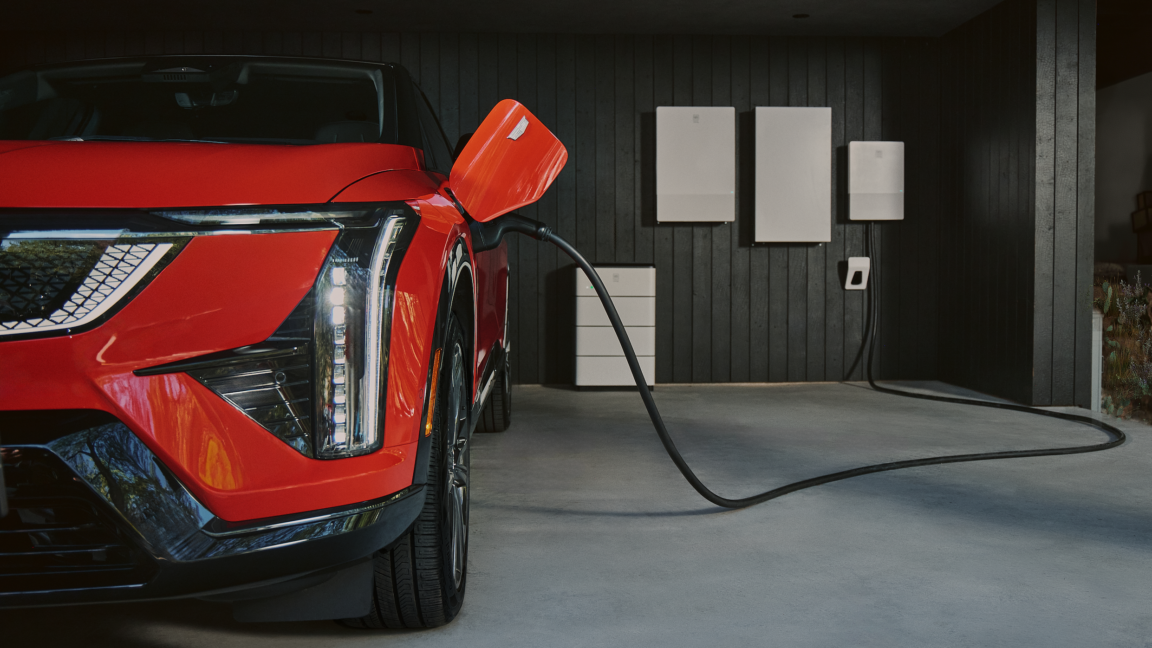
GM Energy introduces V2G support and new energy storage battery chemistry

Electric vehicle sales might be better now than the end of last year when demand fell off a cliff following the surge of purchases ahead of the end of the federal financial incentives, but it's clear they haven't panned out as well as many in the automotive industry had hoped.

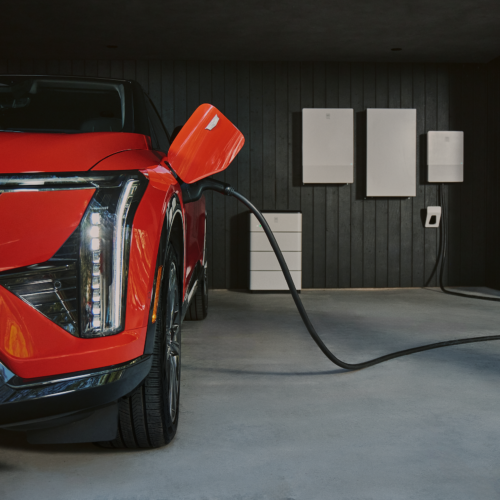
Still, at a GM event Ars attended in San Francisco this week, the company continues to stick to its guns with an EV lineup spanning its brands. The automaker shared that it has also been working toward the adoption of bidirectional charging to help balance the grid.

With the rise of AI, data centers are placing more and more pressure on the nation's electric infrastructure. GM wants to relieve some of that pressure with news that its GM Energy products now support vehicle-to-grid (V2G) in addition to vehicle-to-home. The grid integration requires working with utilities and includes launch partners PG&E in California and DTE Energy in Michigan. For standalone energy storage solutions, the company also announced partnering with Peak Energy on the development of sodium-ion batteries built specifically for grid energy storage.

Read full article

Comments

© General Motors

  •  

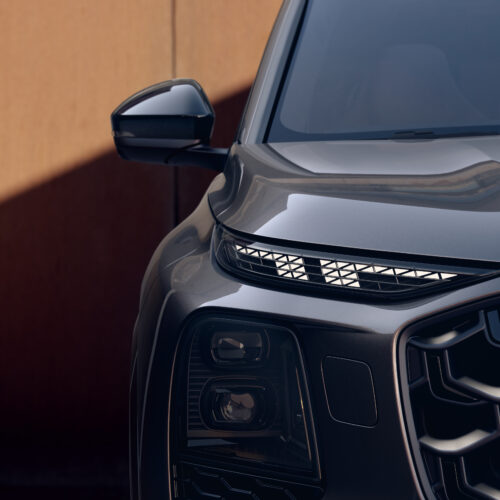
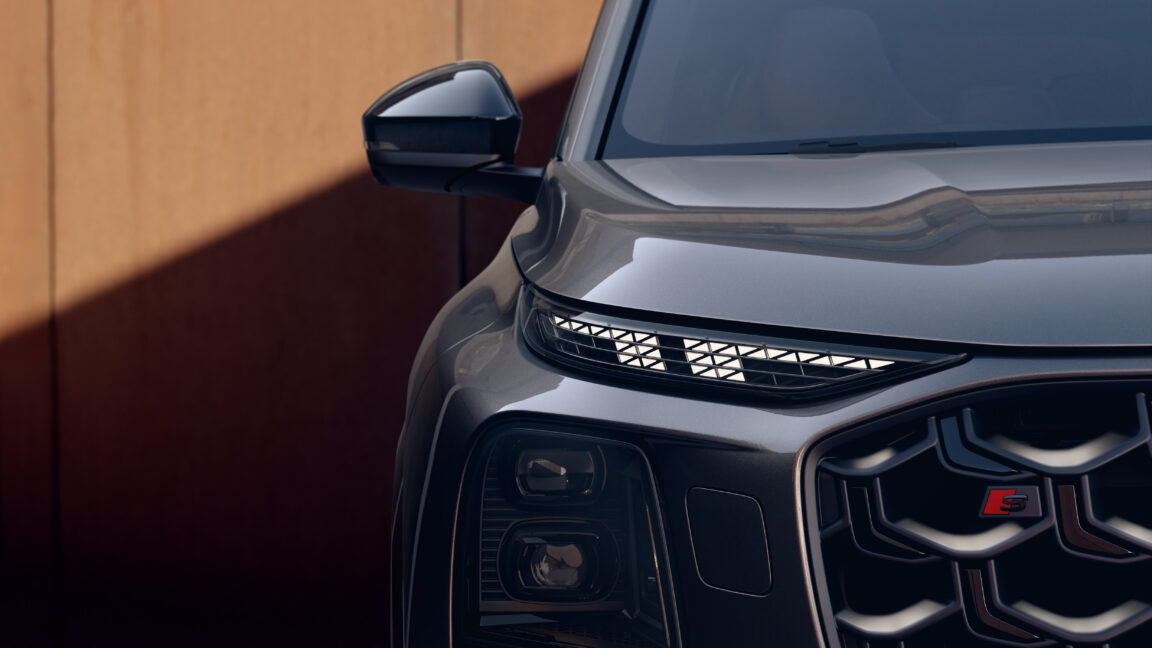
Here's Audi's next Q7 SUV and US-only SQ7, now with an RS V8

MUNICH, GERMANY—Audi is having a bit of an SUV renaissance lately. Over the past 18 months, it has brought out a new electric Q6 and replaced the midsize Q5, and later this summer we'll get to see the Q9, a full-size leviathan with the Escalade in its sights. But today it's the turn of an all-new version of the Q7, and the North America-only SQ7, both of which go on sale later this year for model year 2027.

The standard Q7 will come to the US with a twin-turbo 2.9 L V6 that generates 429 hp (320 kW) and 442 lb-ft (600 Nm). Meanwhile, the SQ7 borrows the 591 hp (441 kW), 590 lb-ft (800 Nm) V8 as found under the hood of the RS7. But there's no plug-in hybrid version slated as far as we know.

Both models use an eight-speed automatic transmission (ZF's very capable 8HP) and all-wheel drive. Audi says these are the quickest-accelerating Q7 and SQ7s it has made, and it also says they should be much better to drive, too. Standard Q7s will ride on steel springs or can option the adaptive air suspension that's standard on the SQ7—this gets an optional third mode that lowers the car by more than an inch (30 mm).

Read full article

Comments

© Audi

  •  

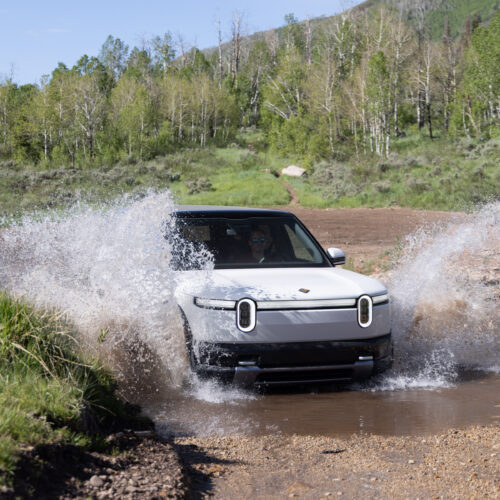
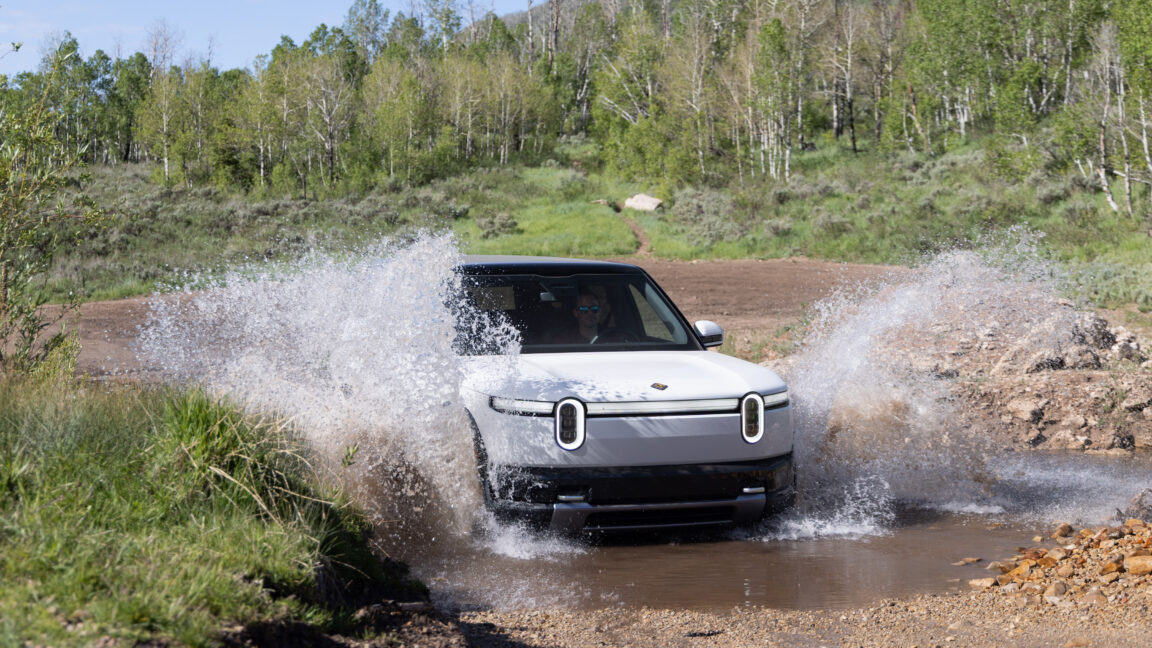
First Drive: The 2027 Rivian R2 entirely changes the EV game

This month, Rivian begins customer deliveries of the highly anticipated R2 model that aims to bring the startup’s aspirational adventure lifestyle to the mainstream EV market. That has required cutting costs, scaling production, and reaching new customers—a big brief, then, for the diminutive R2.

To show exactly how a startup transitions to a mass-market automaker, Rivian hosted a picturesque media event in Utah that included both on and off-road driving in the Launch Edition that stickers for just under $60,000 (including destination). We also got plenty of access to the technological development that underpins the brand’s critical electric crossover.

The R2 almost perfectly matches the dimensions of today's best-selling US cars. This dedicated two-row model, versus the R1’s three-row S or pickup truck T, measures 185.9 inches (4,722 mm) long, or about 1 inch (25.4 mm) longer than a Honda CRV. The R1’s instantly recognizable profile and design language carry through, but unique packaging requirements dictated nifty design solutions.

Read full article

Comments

© Michael Teo Van Runkle

  •  

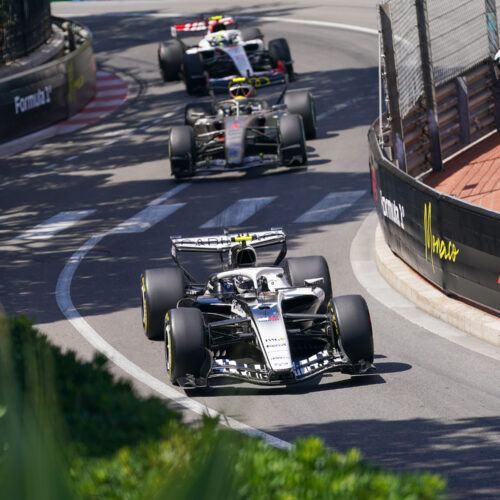
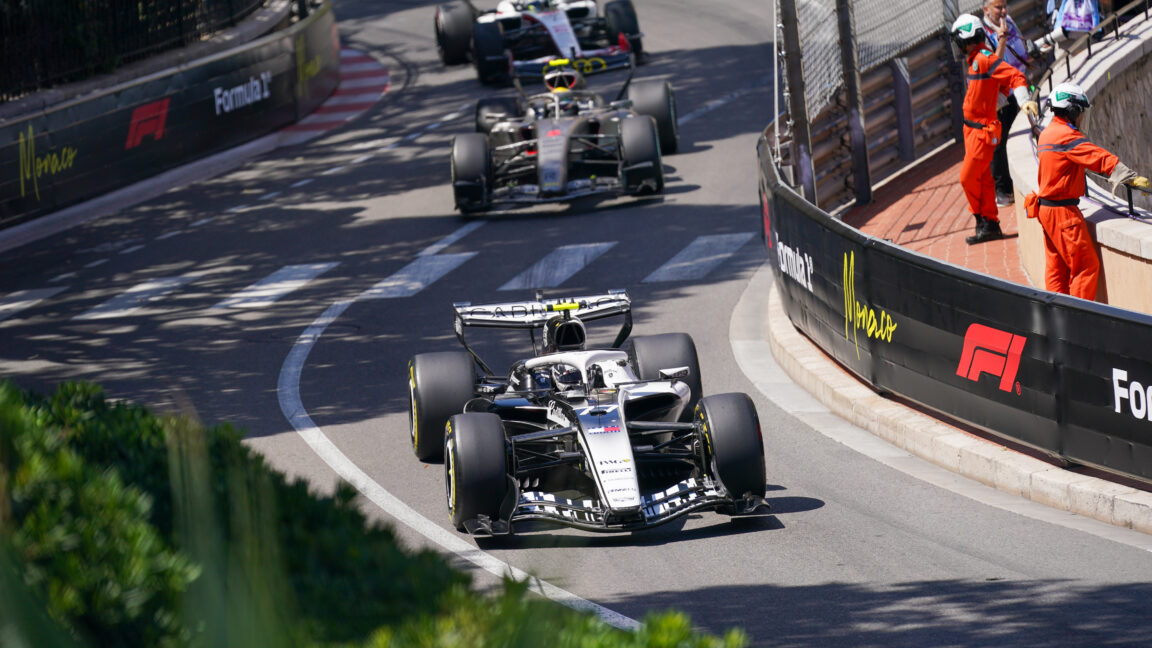
F1 in Monaco: Finally, the cars were flat-out in qualifying

Formula 1 held its annual race on the streets of Monte Carlo this past weekend. The event predates the sport—the first Monaco Grand Prix was held in 1929 on a layout that isn't too different from the one used today.

Over the years, the buildings have changed, crash barriers appeared, the swimming pool section grew, and the cars eventually got too big and fast to race each other properly on the tight confines of a circuit that one world champion described as "riding a bicycle in your living room." But nestled by the Mediterranean, surrounded by super yachts, F1's least-good race is also its most famous and glamorous. After their home Grands Prix, it's the one many drivers most want to win.

Overtaking here is virtually impossible; to see race cars do that around the principality, you'll want to tune into Formula E's visits there. So qualifying on Saturday, which sets the grid order for Sunday's race, was more important than usual. Everyone expected pole to go to one of the two Ferraris. And for the first time this season, the cars raced completely flat-out; with no long straights and plenty of braking zones, the cars were not energy-limited for once this season.

Read full article

Comments

© Alessio Morgese/NurPhoto via Getty Images

  •  

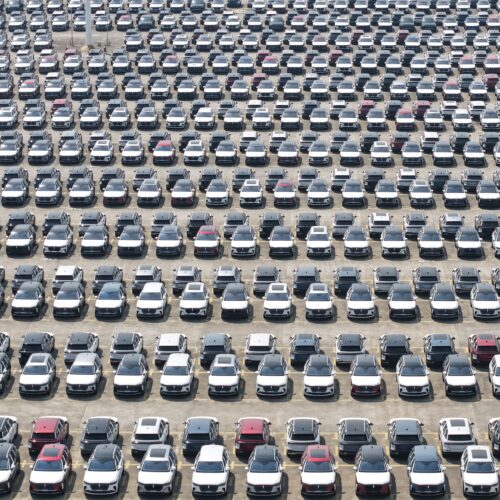
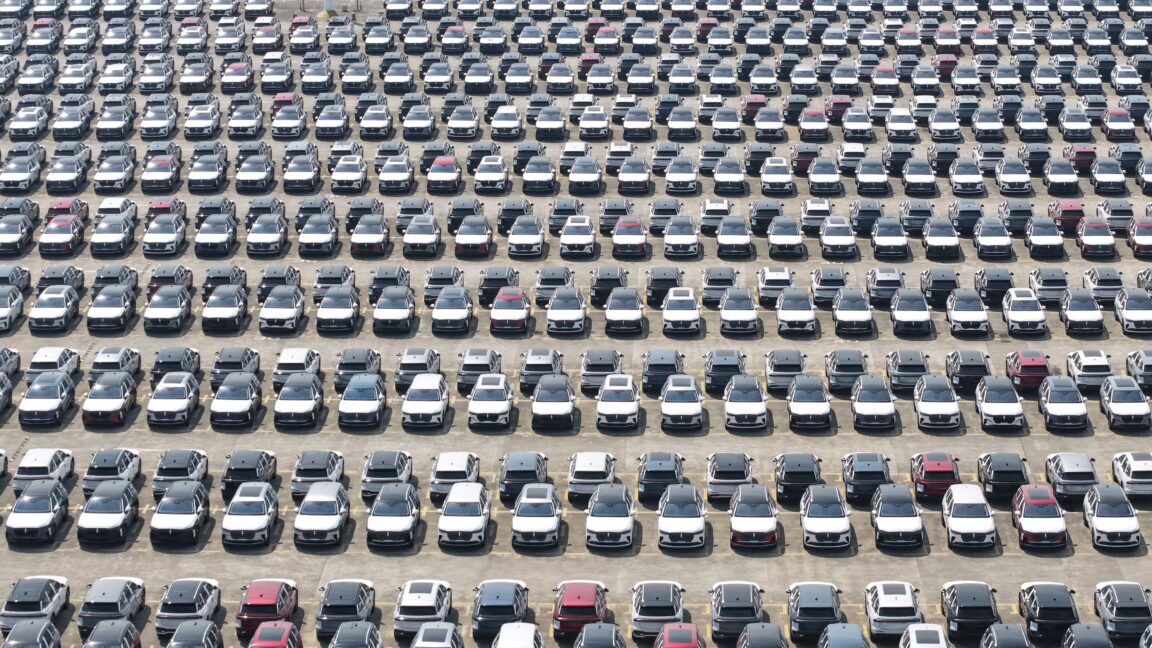
Michigan politicians want to ban Chinese-badged cars from even visiting the US

It's an election year, and that means politicians are putting in extra work to pander to special interest groups they think will help them cross the finish line. If you're looking to be elected in Michigan, there aren't many interests more special than the automotive industry, and a good way to get the industry on your side is by going after the thing it fears the most: China.

Now, if a pair of lawmakers get their way, Chinese-badged vehicles wouldn't just be restricted from sale or import in the US, they'd also be banned from entering the country, even for a simple day trip from Canada or Mexico.

Moves to protect the US auto industry are nothing new, and they're popular across party lines. Former President Biden added an additional 100 percent import tariff on all Chinese-made cars during his term and then had the Department of Commerce draw up new rules—later implemented by the Trump administration—that banned the import of connected cars manufactured by companies owned by or with links to the Chinese government, starting in 2027.

Read full article

Comments

© Costfoto/NurPhoto via Getty Images

  •  
❌