Reading view

FDA advisors unanimously vote to approve Moderna's mRNA after agency drama

Independent advisors for the Food and Drug Administration on Friday voted 9–0 in support of approving Moderna's seasonal mRNA flu vaccine, which a Trump appointee at the agency initially tried to block from even being reviewed.

In an all-day meeting, members of the FDA's advisory committee—known as VRBPAC for Vaccines and Related Biological Products Advisory Committee—pored over data and presentations on the vaccine, which is dubbed mRNA-1010 and branded as mFlusiva. The presentations included a review from FDA scientists, which was supportive of the vaccine.

Data from a Phase 3 trial including over 40,000 adults age 50 and older found the mRNA vaccine was around 27 percent more effective against seasonal flu than a standard flu shot. A smaller Phase 3 trial, involving data from nearly 3,000 people age 65 years and older, showed the shot produces stronger immune responses than a high-dose flu vaccine, which is recommended for this age group. The safety profile of the vaccine was also generally good.
Read full article

Comments

© DeFodi Images

  •  

Second carcass-eating fly species cleared by FDA for maggot wound therapy

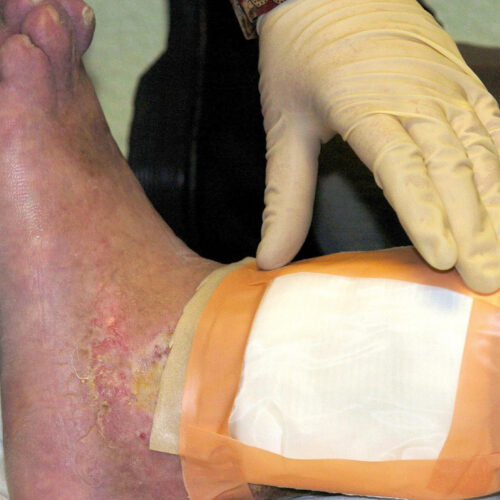
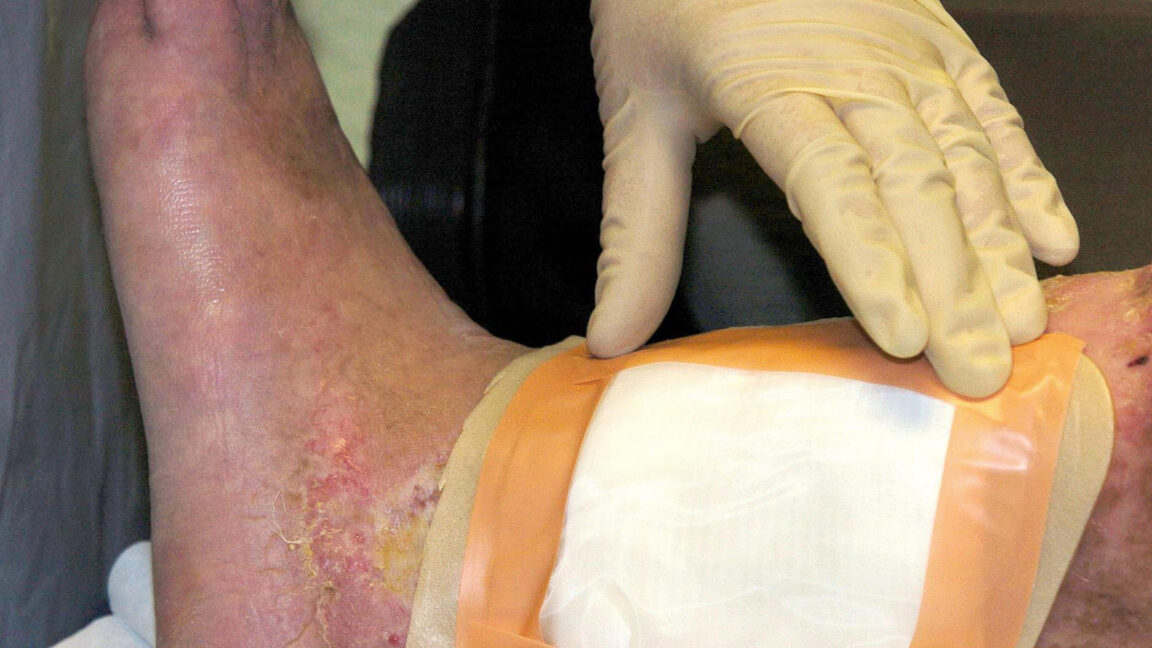
The Food and Drug Administration this week cleared a second carcass-feasting fly species for use in maggot wound therapy, according to an announcement from Cuprina Holdings, a Singapore-based company that has dubbed its new therapeutic larvae MediFly Maggots.

With the clearance, Cuprina appears to be the only company to have FDA clearance to sell two species of fly larvae—and it's abuzz with the potential to dominate the global maggot market.

The new species is Lucilia cuprina, or Australian sheep blowfly. It's a close relative of Lucilia sericata, or the common green bottle fly, which is the fly species most often used for wound therapy, often called biosurgery or maggot debridement therapy (MDT). L. sericata is the only other fly with FDA clearance, which the agency first granted in 2004 to Ronald Sherman, who is now Cuprina’s Medical and Scientific Director.

Read full article

Comments

© Getty | John Giles

  •  

"Truly evil" FDA rejection of gene therapy overturned after Trump official ousted

A gene therapy for Huntington's disease has a new path toward approval from the Food and Drug Administration after the ouster of several Trump officials, particularly Vinay Prasad, who rejected the therapy in a shocking move one former FDA official called "truly evil."

Huntington's disease is an inherited condition that typically strikes in middle age and causes nerve cells in the brain to gradually break down. There are currently no treatments for the disease, and many afflicted die in their 50s and 60s.

Gene therapy company UniQure developed a one-time treatment, AMT-130, that aims to lower brain levels of the mutant protein behind the disease, called huntingtin. Data from a small, early trial suggested the drug could slow the progression of the disease up to 75 percent, and patients and advocates have closely watched the drug's development in hopeful anticipation.

Read full article

Comments

© Getty | Congressional Quarterly

  •  
❌