❌

Reading view

Report: Kennedy Space Center not ready for era of super heavy rockets

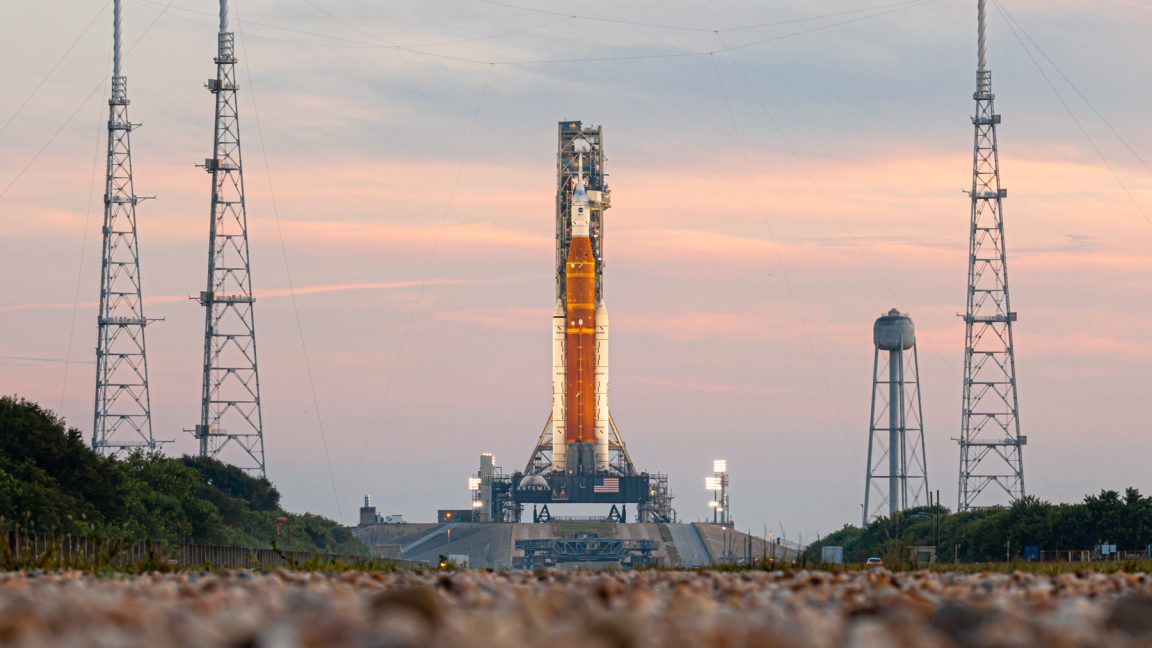
NASA's infrastructure at Kennedy Space Center, the crown jewel of US spaceports, is aging and approaching its limit due to increased demand from private companies, including SpaceX and Blue Origin, a new report finds.

"NASA’s launch infrastructure is vital to providing the agency, other government agencies, and commercial partners access to space for their most complex and expensive missions," states the report, published by the NASA Office of Inspector General. "Nevertheless, NASA’s launch infrastructure is dated and often does not provide the capacity to meet the growing demands of the agency and its partners."

The report covers NASA's launch facilities at the Kennedy Space Center in Florida and Wallops Flight Facility in Virginia. However, the most noteworthy information in the report concerns the Florida spaceport, where demand from SpaceX's Starship and Blue Origin's New Glenn launch vehicles is expected to stress NASA.
Read full article

Comments

Β© Trevor Mahlmann

  •  

A bold satellite rescue mission came together in record time, but will it work?

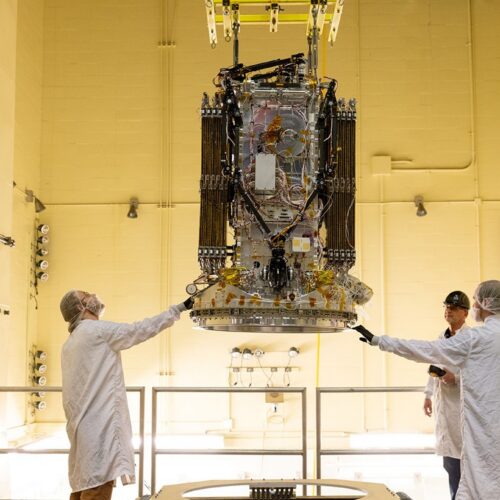
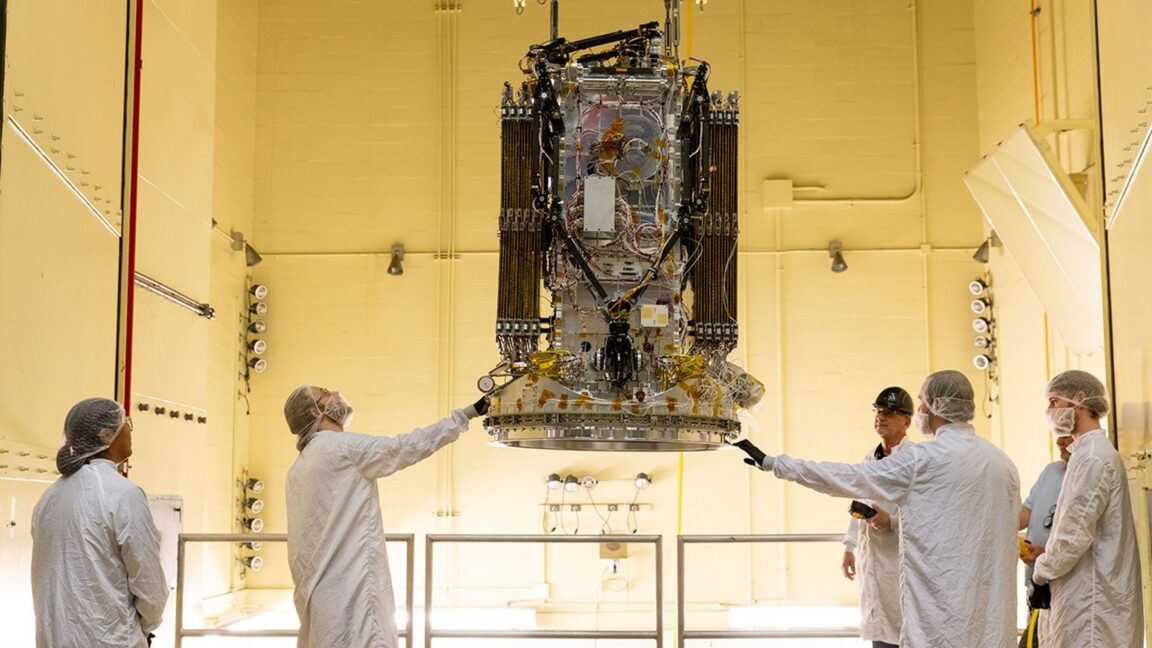
WALLOPS ISLAND, Va.β€”Just 10 months ago, NASA asked three companies if they could do something nobody had done before. Could they build and launch a satellite to save a $500 million astronomy mission at risk of crashing back to Earth? What's more, could they do it in less than a year on a tight budget?

Katalyst Space Technologies, a startup founded in 2020, presented the most compelling solution. "They came back with a response that was technically and programmatically plausible, and then we were like, 'Yeah, let’s do it,'" said Shawn Domagal-Goldman, director of NASA's astrophysics division.

That was in August of last year. In September, NASA awarded Katalyst a $30 million contract to build, test, and launch a small satellite to chase down Swift and latch onto it with three robotic arms. Then, Katalyst's Link servicing spacecraft will boost Swift's orbit back to a safe operating altitude, allowing it to resume scientific observations. Easier said than done.

Read full article

Comments

Β© NASA/Scott Wiessinger

  •  

Russia appears set to finally address long-term, serious space station cracks

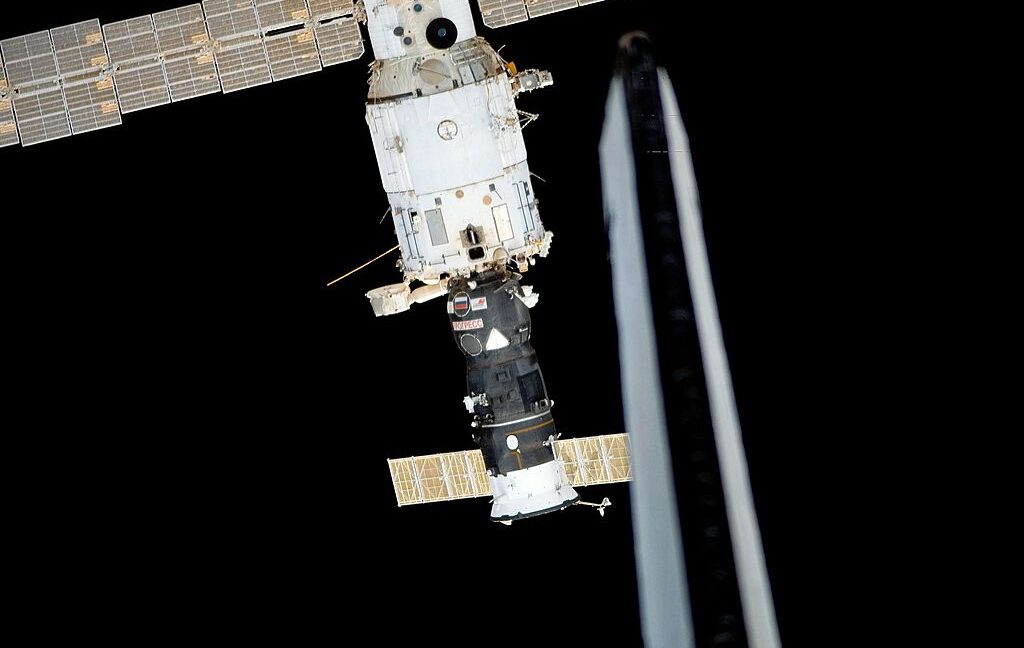
Ten days ago, in a moment of very high drama in orbit, NASA directed its astronauts living on the International Space Station to briefly seek emergency refuge in a Crew Dragon spacecraft.

Since then, neither the US space agency nor Roscosmos has provided additional public information about the situation in orbit. But according to sources who spoke to Ars, following the spectacle in space, the problem has been successfully fixed.

At issue were persistent cracks in a small area of the International Space Station attached to the Russian Zvezda service module, known as the PrK module. The problem has been ongoing since 2019, and Russian astronauts have been attempting various fixes, often using a sealant called Germetall-1.

Read full article

Comments

Β© NASA via Getty Images

  •  

SpaceX is now a public company valued for its AI potential, so what comes next?

Space Exploration Technologies, better known simply as SpaceX, became a publicly traded company on Friday nearly a quarter of a century after it was founded.

The company began trading on the NASDAQ exchange in New York City at $135 a share, valuing SpaceX at nearly $1.8 trillion. By the end of the trading day the company's shares were selling at $160.95, a respectable increase of more than 19 percent.

On paper, SpaceX founder Elon Musk became the world's first trillionaire, with his personal stake in the company valued at more than $700 billion. Because of the company's stock options plan, thousands of current and former employees became overnight millionaires. Employees at SpaceX have worked remarkably hard over the last 24 years, and now they will be richly compensated for having done so.

Read full article

Comments

Β© Spencer Platt/Getty Images

  •  

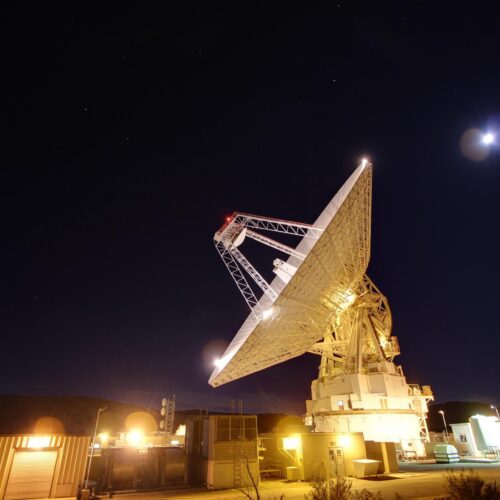
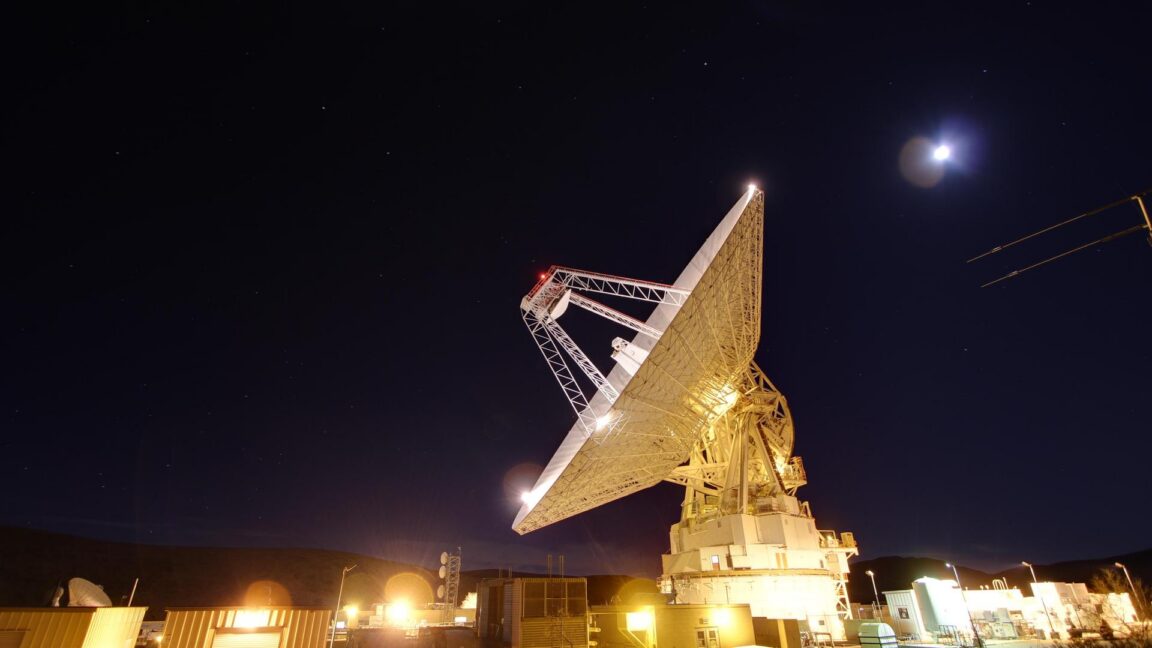
After nearly breaking, NASA's Deep Space Network "worked well" on Artemis II

NASA pushed its Deep Space Network beyond its limits during the Artemis I mission nearly four years ago. The global array of deep space communications antennas couldn't keep up with the routine demands of 40 robotic science missions and the extraordinary surge required by NASA's Orion space capsule as it flew around the Moon.

The experience in late 2022 reduced or delayed downlinks from several high-profile science missions, including the James Webb Space Telescope and Mars rovers, as the data-hungry Artemis I mission took priority on NASA's communications network. And that was before the first Artemis mission with astronauts onboard. When Artemis II launched April 1, NASA called upon the Deep Space Network (DSN) again to connect Mission Control to the Orion capsule as it soared more than a quarter of a million miles from Earth.

With a crew of four flying inside the spacecraft, the agency's appetite for data from Orion on Artemis II was even higher than it was on Artemis I. But at a little more than nine days, the Artemis II mission was shorter than the 25 days Artemis I spent in space, helping alleviate the communications overload. Artemis I also launched 10 small CubeSats into deep space, many of which required tracking and telecom services from the DSN. Artemis II carried fewer CubeSats.

Read full article

Comments

Β© NASA/JPL-Caltech

  •  

We managed to glean some interesting details about the Artemis III mission

On Tuesday, NASA announced the crew for the Artemis III mission, which is scheduled to be flown no earlier than summer 2027. As part of the announcement, space agency officials also discussed plans for the crew to dock with both a Blue Origin lander and a SpaceX Starship lander during the spaceflight in low-Earth orbit.

The presentation, although informative, still left open key questions about the landers' readiness and what exactly they'll look like. After the crew announcement, Ars sat down with Jeremy Parsons, NASA's Artemis program manager, to answer some of these questions.

This interview, conducted at NASA's Johnson Space Center, has been lightly edited for clarity.

Read full article

Comments

Β© NASA/Aubrey Gemignani

  •  

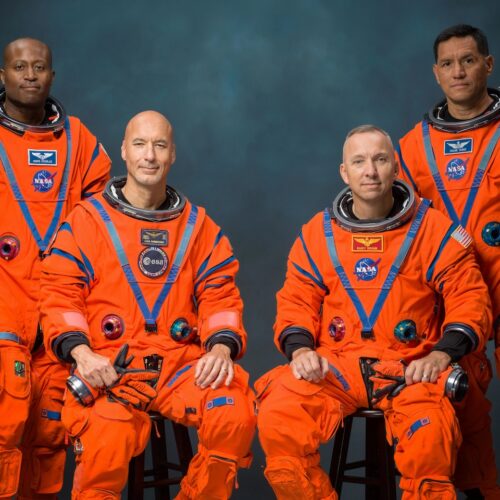
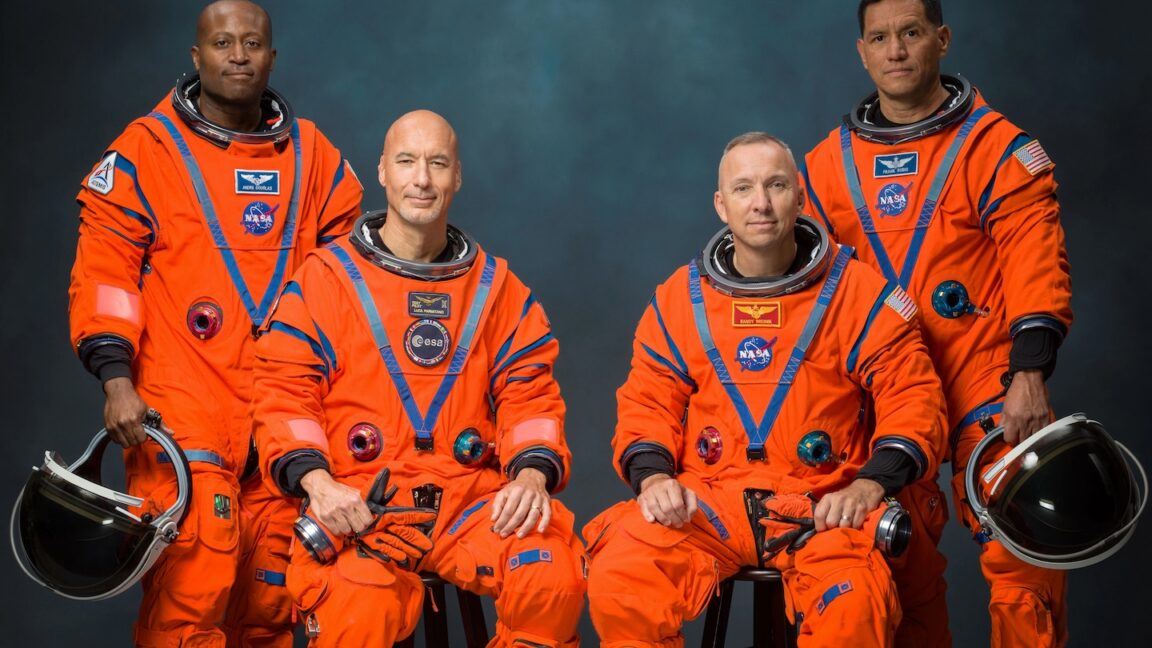
NASA assigns crew for Artemis III, sets aggressive timeline for flying it

The US space agency unveiled the crew for its Artemis III mission on Tuesday during an enthusiastic event at Johnson Space Center in Houston.

For this spaceflight into low-Earth orbit, which will see the Orion spacecraft rendezvous and dock with lunar lander prototypes, NASA chose an experienced, all-male crew with military backgrounds. They were revealed inside a darkened Teague Auditorium where hundreds of friends, family members, and NASA employees cheered enthusiastically.

The four crew members are:

Read full article

Comments

Β© NASA

  •  

The fastest humans in the galaxy just got a spiffy patch to prove it

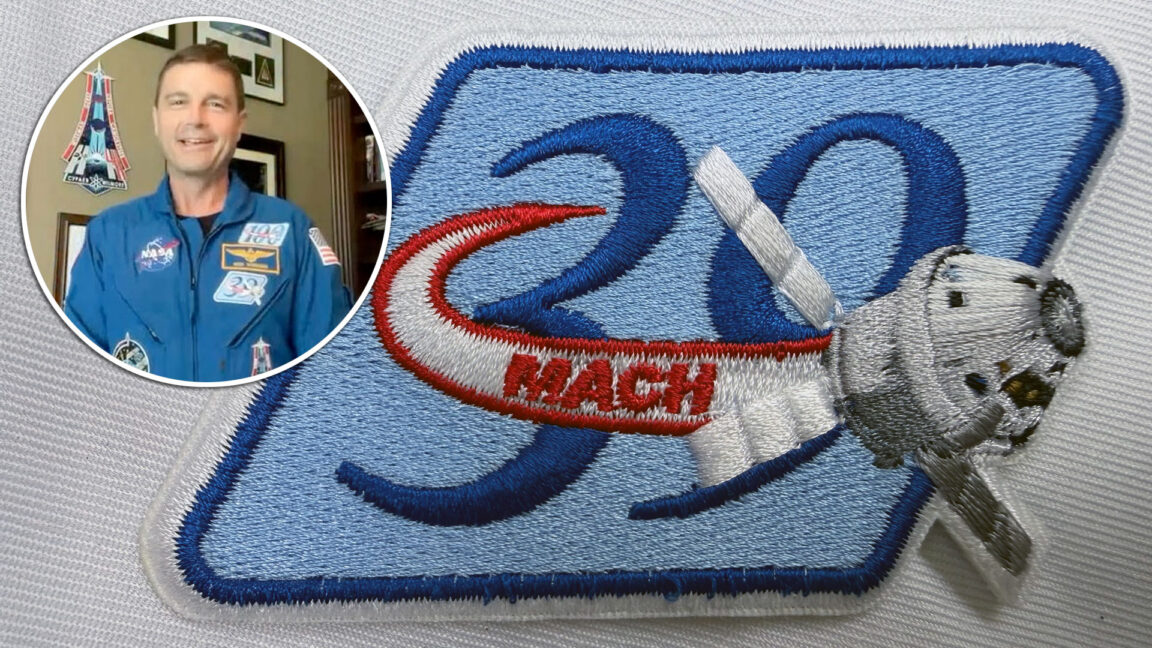
NASA's Artemis II crew are the fastest people alive, and now they have the patch to prove it.

Mission Commander Reid Wiseman, pilot Victor Glover, and mission specialists Christina Koch and Jeremy Hansen (the latter with the Canadian Space Agency) spent 10 days in early April flying by the Moon. Their journey took them farther away from Earth than any humans have gone (52,756 miles [406,771 km]) and then, on the way back on board their Orion spacecraft Integrity, they sped up to about 24,664 miles per hour (39,693 k/ph) reentering the atmosphere.

Only three other people in history have traveled faster. NASA's Apollo 10 astronauts Thomas Stafford, John Young, and Eugene Cernan set the record for the highest speed attained by a crewed vehicle relative to the Earth's surface: 24,791 mph (39,897 kph) on May 26, 1969.

Read full article

Comments

Β© Reid Wiseman/A-B Emblem/collectSPACE

  •  
❌