Reading view

China is Tesla's cash cow, but for how much longer?

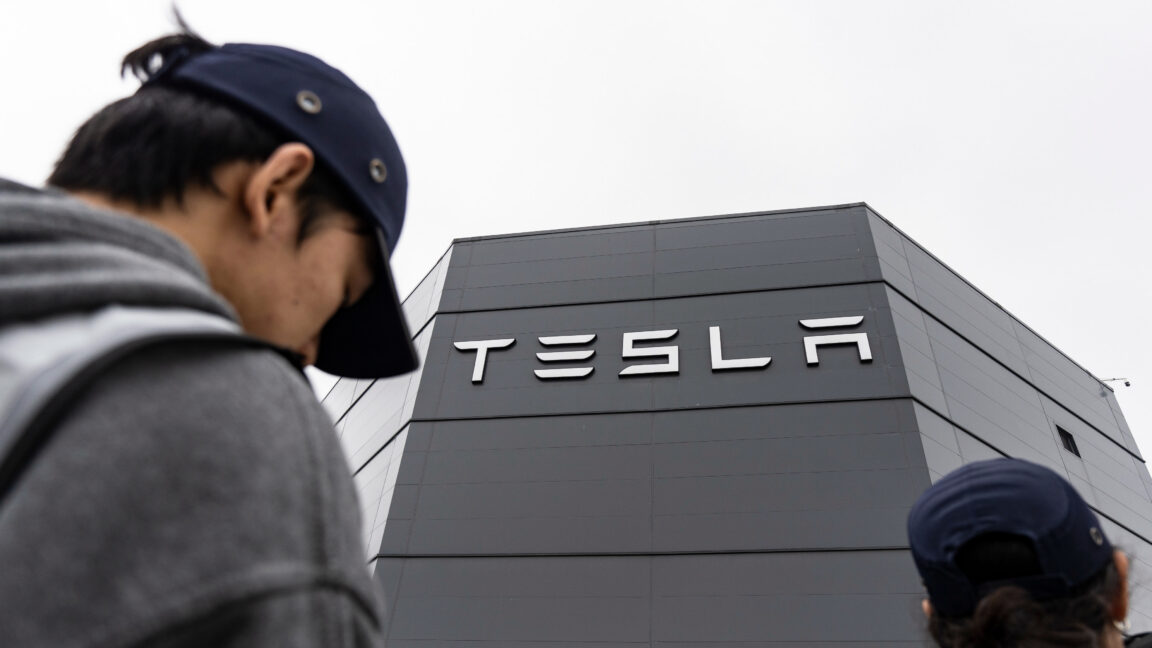
Tesla's factory in Shanghai had its best June ever, according to the China Passenger ⁠Car Association. Tesla built 93,579 cars in China that month, a hefty 38 percent increase compared to June 2025, according to CPCA's data. But that production isn't translating into bumper sales to Chinese customers. Rather, sales have been down quarter on quarter in China for more than a year now, particularly as buyers tire of the Model 3 sedan.

Almost 40 percent of the EVs that Tesla built in June were destined for export. And in Q2 in total, more than 50 percent—just—of the cars it built were for Europe, Canada, and other Asian markets: 128,394 versus the 126,157 Chinese-built Teslas that were sold to Chinese buyers. Low labor costs compared to Germany or the US are a big boon here, as are cheaper components from local suppliers. Throw in some export-related tax rebates from the Chinese government, and it's not hard to see how Tesla's Shanghai plant is an extremely valuable asset.

Despite this seemingly critical importance to the automaker at a time when its profit margins are evaporating, Tesla may be contemplating a future without China. Last week, The Wall Street Journal reported that some Tesla executives have been tasked with separating Chinese and non-Chinese parts of the company, although Tesla denied such preparations were underway.
Read full article

Comments

© Qilai Shen/Bloomberg via Getty Images
  •  

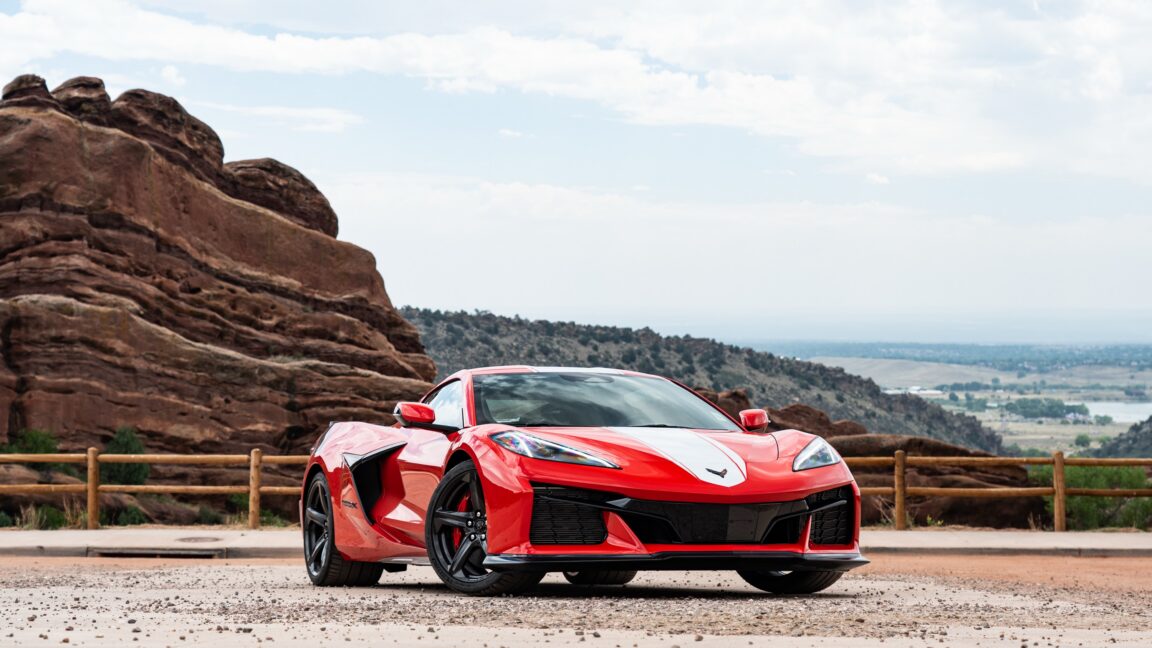
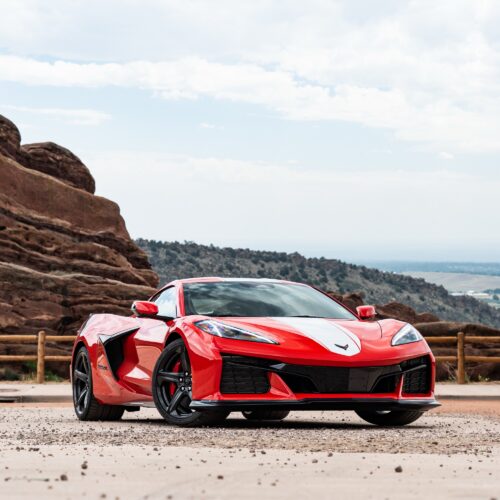
2027 Chevrolet Corvette Grand Sport X proves code is as important as hardware

When Chevrolet introduced a hybrid system to the Corvette lineup in 2023, creating the E-Ray, many fans were confused. If it was meant to be a performance option, where did it fit alongside the ZR1 and ZR1X? Was this a concession to emissions, or was it a sign of the fabled Stingray getting soft? Promises of silent cruising through neighborhoods and the application of all-season tires didn't help the situation.

Three years later, the E-Ray is dead, but the hybrid system lives on in the new Grand Sport X. This, though, isn't intended to be a direct successor. A series of subtle and not-so-subtle software tweaks, plus some additional drive modes and a whole new engine, conspire to create a machine that sounds and feels far more edgy and exciting.

From E-Ray to Grand Sport X

"There were some customers who didn't necessarily understand the car," Keith Badgley said of the E-Ray. He was the lead development engineer for that machine, as well as the Grand Sport X and the ZR1X. I spoke with him after spending a few days behind the wheel of the Grand Sport X.

Read full article

Comments

© Tim Stevens

  •  

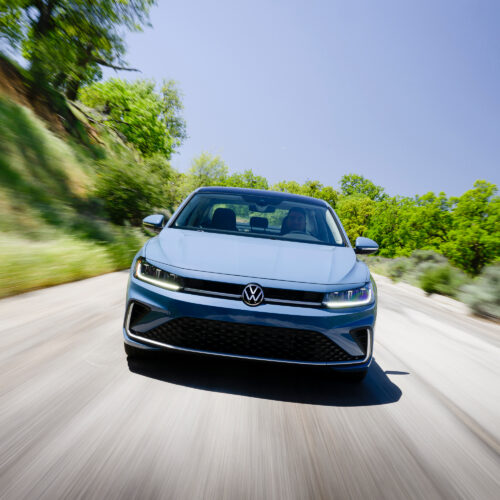
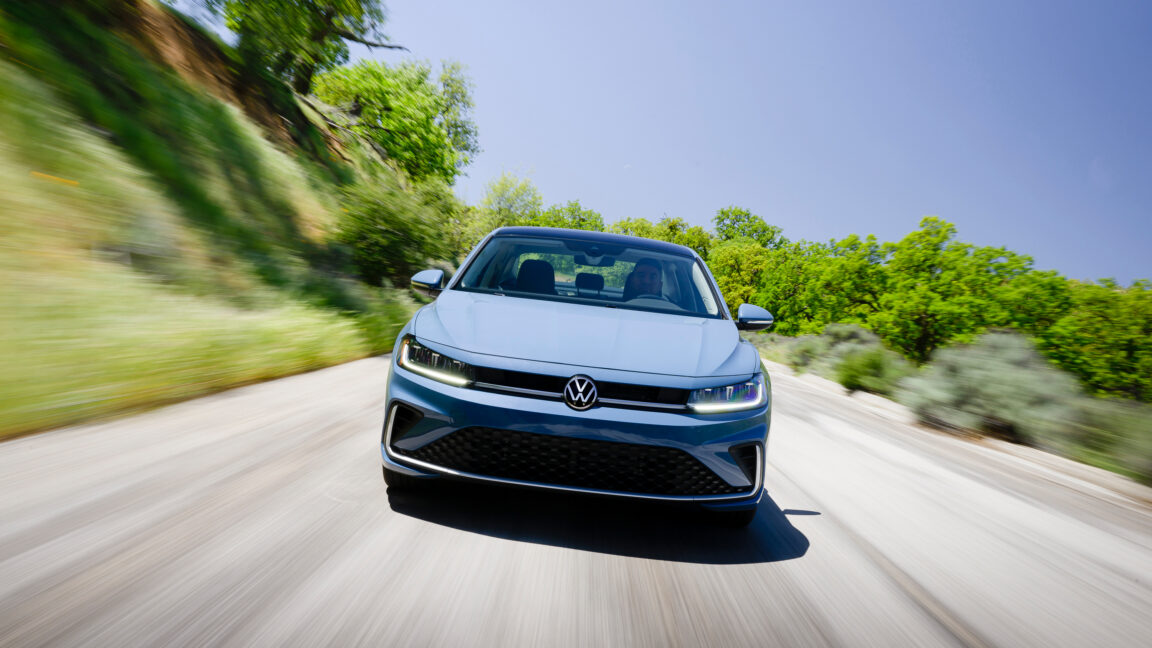
2026 Volkswagen Jetta Sport: The cheap car isn't completely extinct yet

As so many career counselors and lifestyle coaches have explained, first impressions matter. A bad one can set the tone for an entire relationship, whether that's with a person, a novel, a restaurant, or a car. And the 2026 Volkswagen Jetta Sport and I did not get off to the best of starts.

Picture the scene: You've been at home for a total of one night out of the previous eight, and you've just landed at the airport after an eight-hour flight. It's 85˚F (30˚C) and raining. You could take the metro home. Sure, 80 minutes isn't quick, but all you have to do is sit there, then walk home a block. But you can't because there's a car to be reviewed, waiting to be driven home. In rush hour.

I will confess, I did not know VW made a Jetta Sport. For one thing, it's not the Jetta GLI. That car has plenty of power and torque and uprated suspension, and it can even be ordered with a six-speed manual, unlike the Golf GTI, although based on our most recent GLI drive, you may regret ticking that particular box.

Read full article

Comments

© Volkswagen

  •  

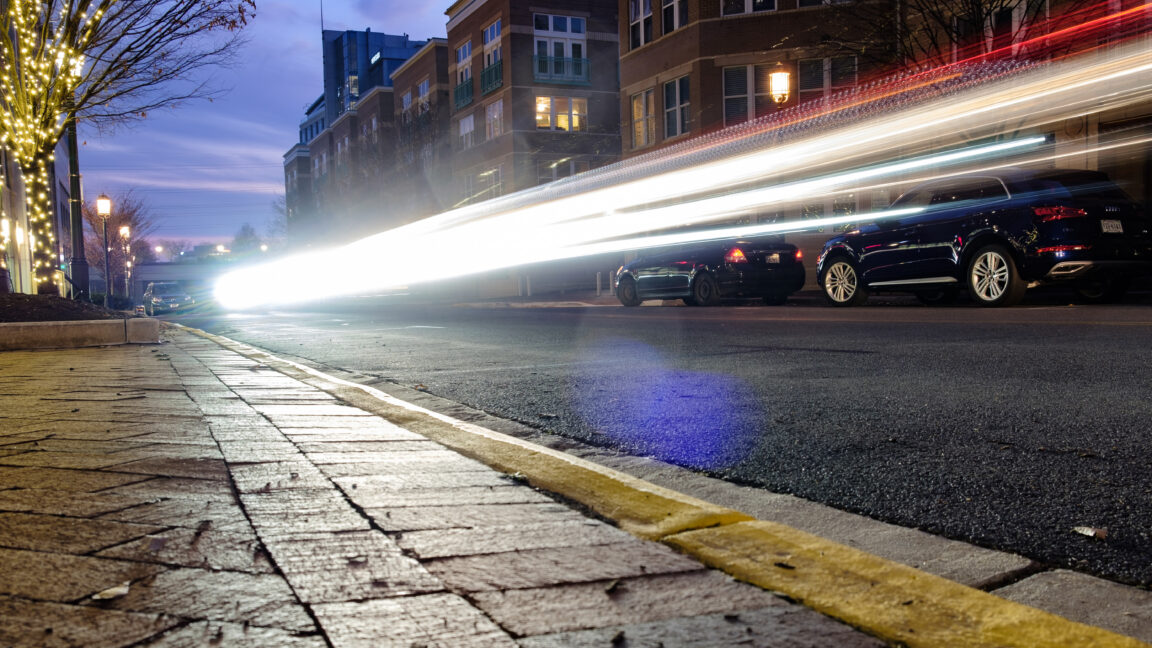
How headlights got brighter, whiter, and more blinding after dark

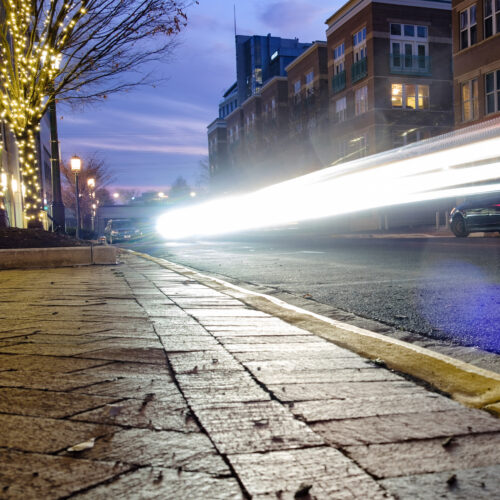
Every so often, I’ll be piloting some sensor-laden, software-defined press car down a dark stretch of highway when an oncoming driver’s high beams arrive like a targeted retinal strike, an involuntary reminder that modern automotive lighting has entered its own lumen arms race.

Anyone who has driven at night in the last few years knows what I'm talking about: A modern crossover crests a hill in the opposite lane, and the cabin briefly fills with enough cold-white light to suggest a police helicopter has joined traffic. The obvious assumption is that drivers are simply leaving their high beams on more often, but the reality is more complicated.

An old problem

Before cars became the modern mode of transportation, horse-drawn carriages used oil lanterns to light the way, as roads were largely unlit outside of towns and cities. These lanterns weren’t particularly bright, though, meaning that after-dark collisions and near-misses were common.

Read full article

Comments

© IIHS

  •  
❌