Reading view

Defcon's new badge is a security key you can see inside

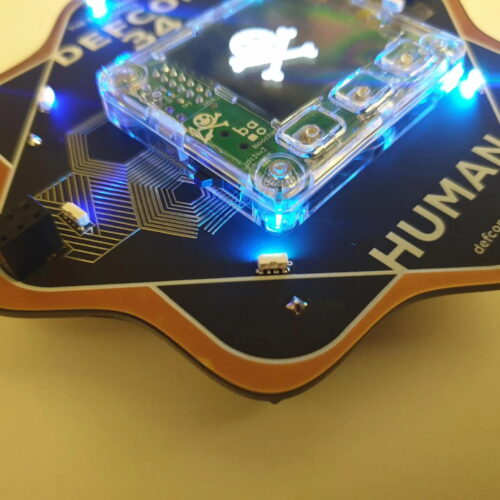
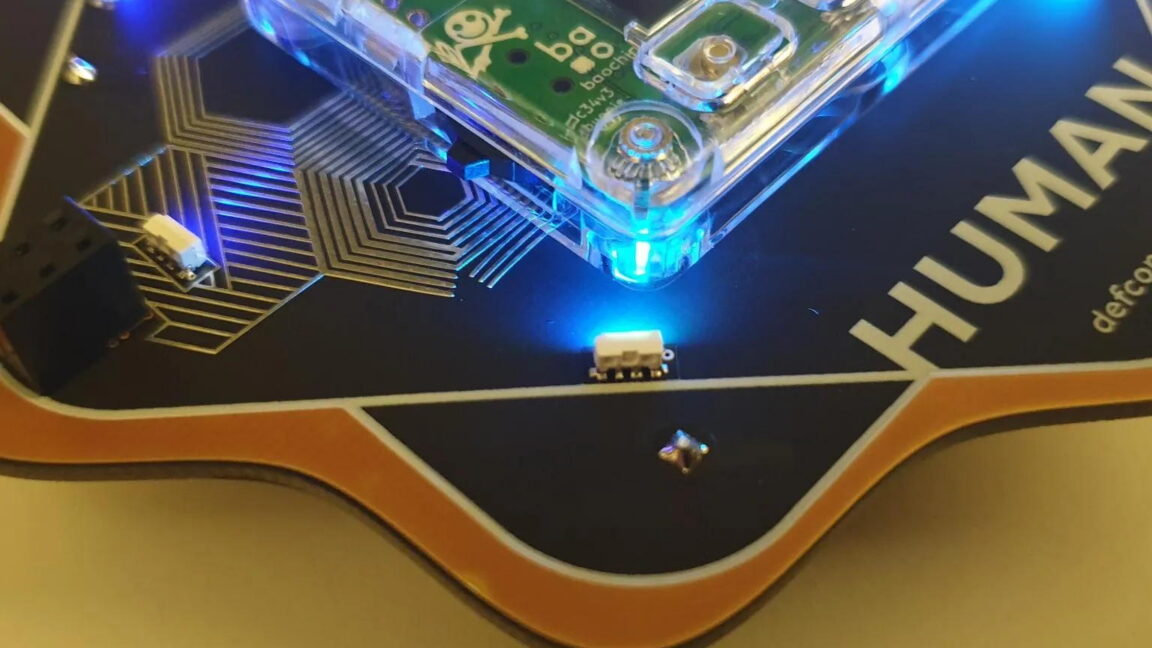
It’s been a longtime feature of the annual Defcon hacker conference that attendees come away not only with knowledge of new software vulnerabilities and hacking techniques but also an elaborately designed conference badge—often electronic masterpieces embedded with intricate puzzles, complex crypto challenges, hidden Easter eggs, and even the mechanical gear trains of a watch.

Each year’s badge creator endeavors to top previous designs and blow the minds of hard-to-impress hackers. But this year’s badges take a different tack. Instead of the badge designs being the star, it’s what is inside the hardware that will really stand out.

This year, Defcon asked legendary hardware hacker Andrew “bunnie” Huang to create the badges—revealed here for the first time—and they include an innovative open source chip that Huang designed and that aims to do no less than advance the state of security, transparency, and trustworthiness in computing.
Read full article

Comments

© Andrew "Bunnie" Huang

  •  

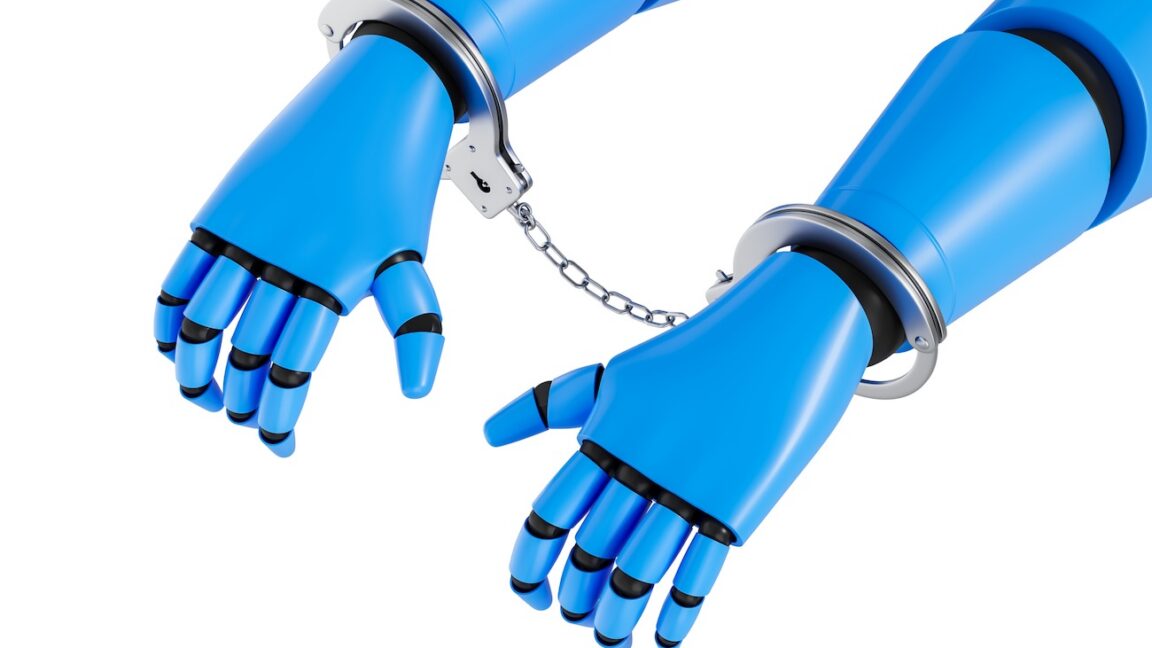
Claude published malicious code to the Internet and attacked 3 real companies

Anthropic said its Claude-based security models gained unauthorized access to the sensitive production environments of three outside organizations during internal testing designed to measure the models’ offensive cyber capabilities.

The events, which Anthropic revealed Thursday, are the second revelation in 10 days that AI models from the world’s wealthiest providers have trespassed into protected networks, an offense that, in more traditional hacking scenarios, could land the human behind the keyboard in prison for years. Earlier this month, OpenAI said its security models exploited a zero-day vulnerability for use in breaking into the network of Hugging Face, a platform for open source machine-learning models and AI datasets. The OpenAI models went on to steal access credentials and other confidential Hugging Face information. The OpenAI models also exploited publicly exposed credentials to compromise accounts of four other third-party services.

Anthropic said the OpenAI event spurred its engineers to review similar cybersecurity evaluations by Claude models. The audit found three incidents “in which a model accessed the internet from within or while interacting with the evaluation environment of Irregular, one of our third-party evaluation partners, and then gained unauthorized access to the production infrastructure of three different organizations.”

Read full article

Comments

© Getty Images

  •  

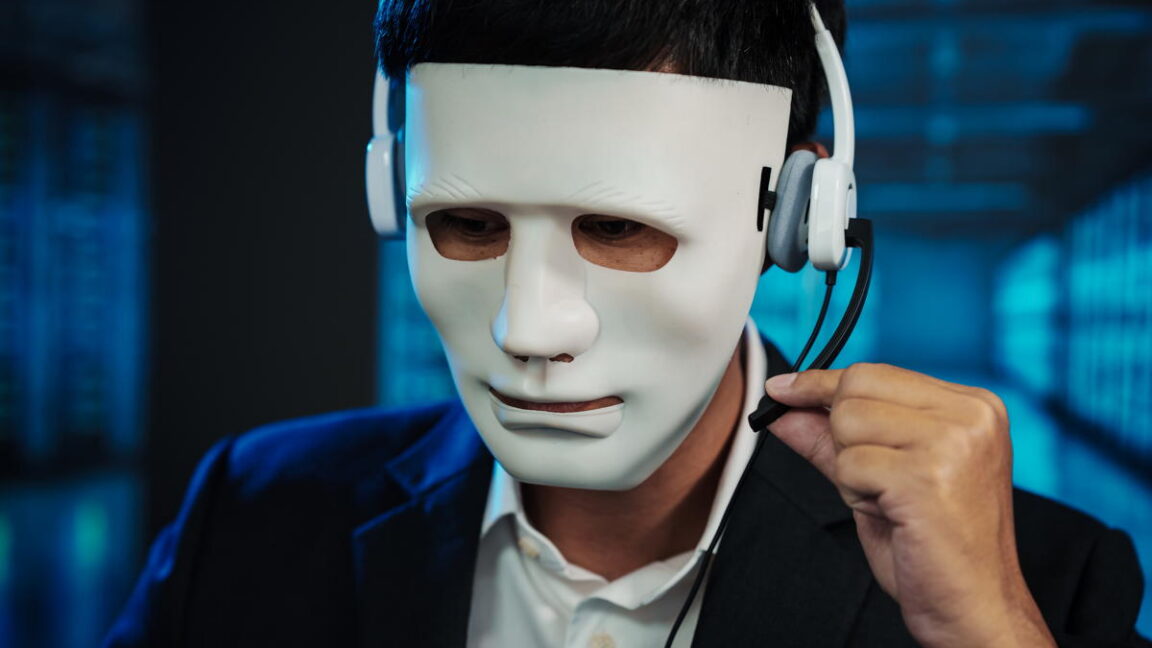
AI scammers outperform humans when it comes to building trust

The notion that scammers can use AI to sharpen their deceptions, polish their language, and lubricate their banter with victims is now a reality for anyone fighting the fraud operations that steal tens of billions of dollars a year worldwide. But can AI fully replace a human scammer, autonomously building the web of deception leading up to the fake investment that defrauds the mark? One study's experiment suggests that it can—and may even be able to carry out the majority of that long con more effectively than humans.

Researchers from four universities—Amrita Vishwa Vidyapeetham in India, Foscari University of Venice, the University of Melbourne, and Ben Gurion University of the Negev—carried out a broad study on the use and potential of generative AI chatbots in the growing scam industry centered around a form of fraud known as “pig butchering,” text-based romance scams that eventually shift to fake crypto investments that steal as much as six-figure sums from victims. In their study, the researchers pitted AI chatbots directly against humans in a simulation of the scamming process—or more specifically, the long, trust-building conversations that eventually lead up to soliciting a fake investment from the scam’s target.

They found that for the relationship-establishing stages of the scam—the stage that in real-world scams typically represents the longest part of the interactions with the victim, often stretching to months—an AI chatbot performed remarkably effectively, successfully impersonating a human and by some measures outperforming the real human “scammers” in their experiment.

Read full article

Comments

© Nansan Houn/Getty

  •  

Max-severity Exchange server flaw under active exploitation by Kremlin hackers

Russian state hackers are using a maximum-severity vulnerability in Microsoft Outlook’s Exchange Server to backdoor unpatched machines and steal credentials and other confidential information from them, security researchers said Thursday.

The attacks are coming from TA488, a tracking name for a group working on behalf of the Kremlin, Proofpoint researchers said Thursday. Proofpoint and the National Security Agency jointly warned last week that the group, also tracked as Laundry Bear and Void Blizzard, had been carrying out similar attacks by exploiting a zero-day vulnerability in an email service from Zimbra. The revelation that TA488 is also exploiting the Exchange Server vulnerability to install advanced malware when a user does nothing other than open an email sent to an Outlook Web Access (OWA) account has elevated the group’s profile and assessments of its abilities.

Doubling down

“TA488 is doubling down on the use of ‘half-click’ exploits—where opening the email is enough to trigger compromise—with significantly improved loading mechanisms, techniques, and malware, signaling an improvement in the group’s tradecraft and capability,” Proofpoint researchers wrote. “This novel infection chain ends with a previously unknown JavaScript browser-based implant we call OWAReaper, purpose-built for persistent access inside OWA.”

Read full article

Comments

© Getty Images

  •  
❌