Reading view

Parasitic zombie-ant fungus thrives in mosses, too

The parasitic fungi in the Cordyceps genus are a favorite subject of nature documentaries. They've also infiltrated popular culture via the zombie-apocalypse video game The Last of Us (2013) and its TV adaptation, in which a parasitic fungus mutates to infect humans. Scientists are keen to study Cordyceps to learn more about the origins and intricate mechanisms underlying these pathogen-based diseases.

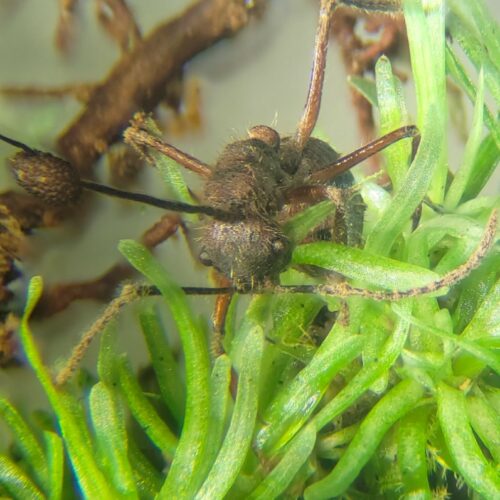
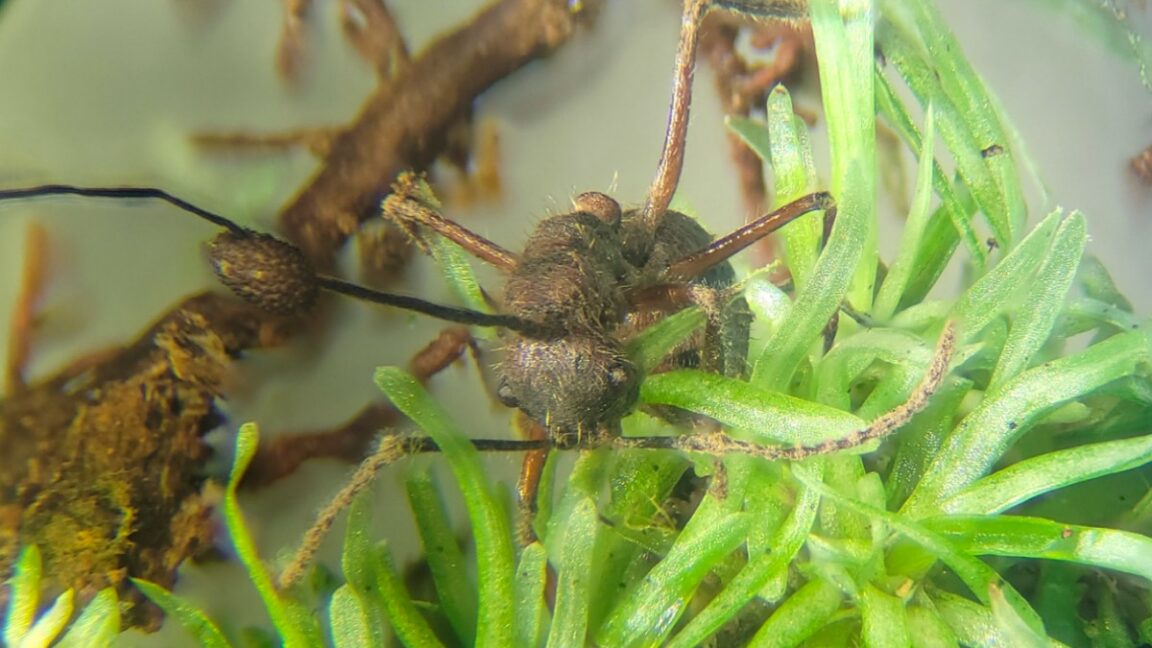
The latest finding: DNA analysis revealed the same fungus in both parasitized insects and surrounding mosses, according to a paper published in the journal IMA Fungus. (Yes, really.) This suggests a second life stage during which the fungus lives inside the moss, possibly an evolutionary adaptation to survive when insect hosts may be scarce. It could also explain why the host species seems to prefer biting into mosses during their final death throes.

As we've previously reported, there are more than 400 different species of Cordyceps fungi, each targeting a particular insect species, like ants, dragonflies, cockroaches, aphids, or beetles. The spores attach to the target insect, such as a carpenter ant, and germinate, spreading through the host’s body via long tendrils called mycelia. Cordyceps essentially turns its host into a zombie slave, compelling the ant to climb to the top of the nearest plant and clamp its tiny jaws in a death grip around a leaf or twig.
Read full article

Comments

© Tales Alves-Júnior et al., 2026

  •  

Research roundup: 6 cool science stories we almost missed

It’s a regrettable reality that there is never enough time to cover all the interesting scientific stories we come across. So every month, we highlight a handful of the best stories that nearly slipped through the cracks. July’s list includes outfitting cyborg cockroaches with a tiny diving suit for navigating flooded terrain; confirmation that a Medici duke died of malaria, not poisoning; the best evidence to date that Betelgeuse is orbited by a companion star; and evidence that some ancient Egyptian princesses were skilled archers.

Sacrificial Incan boy died of blunt force trauma

Credit: Administrative Archive, Regional Museum of Iquique–CORMUDESI
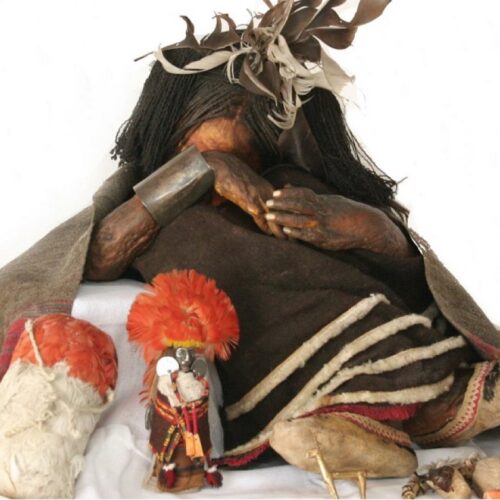
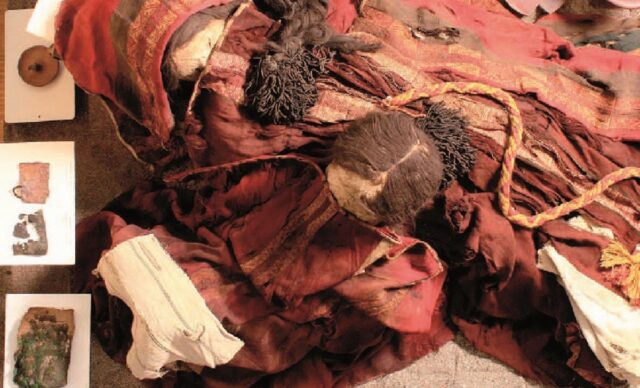
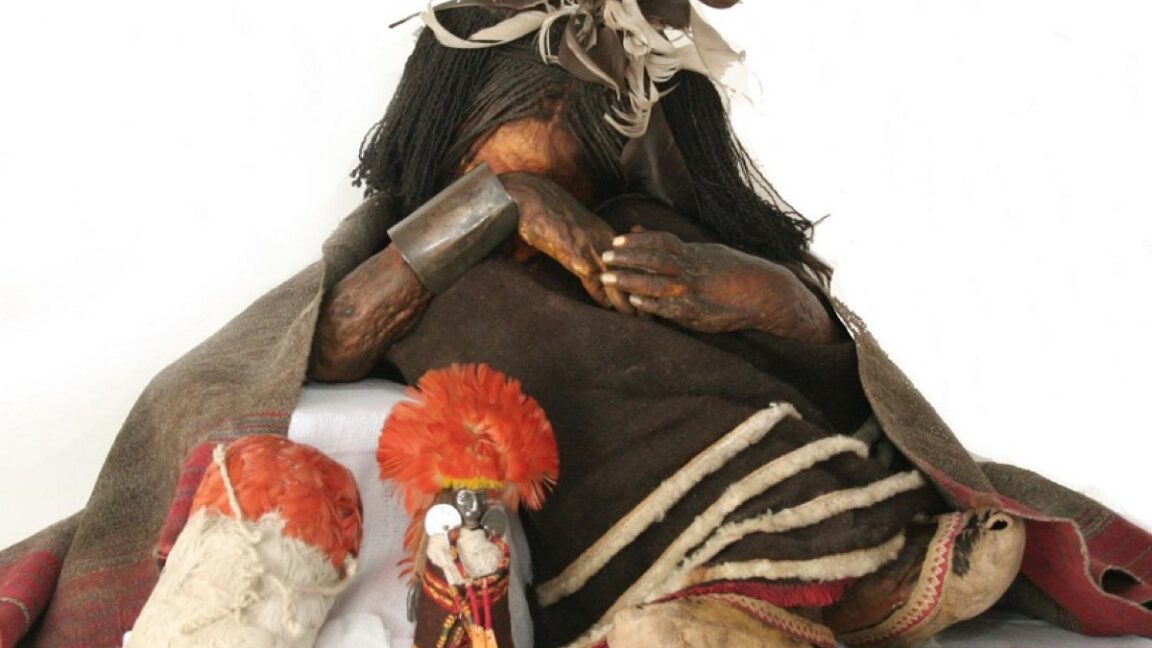
It's known that the Incas practiced a human sacrifice ritual known as Capachoca, in which children were offered to the mountains and believed to become divine themselves, serving as intermediaries with the gods. This often involved pilgrimages to the remote sacrificial sites, with colonial accounts describing strangulation, asphyxiation, and blunt force trauma as the most common methods of sacrifice. Archaeologists have reanalyzed the remains of one such victim and concluded the boy died from blunt force trauma, rather than freezing to death as previously believed. They described their findings in a paper published in the journal Science Advances.

Read full article

Comments

© National Museum of Natural History of Chile

  •  

How fruit flies chase invisible ribbons of smell to get to their source

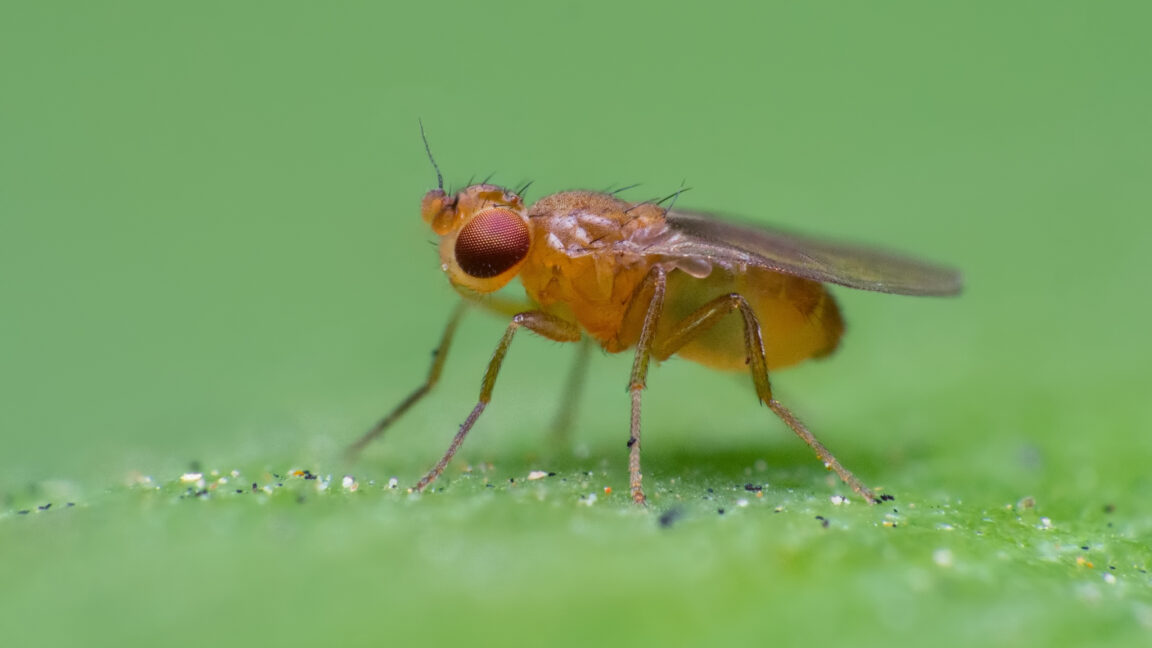
A fruit fly hunting a piece of rotting fruit or a mate navigates by smell, following plumes of odor. Out in the wild, turbulent air swirls these plumes into a chaotic, broken landscape—dense chemical filaments laced through long stretches of clean air. A fly trying to find the source gets the smell in stutters, from constantly shifting directions, with no guarantee that a next whiff is coming at all.

Scientist had little idea of how fruit flies manage this chaotic signal with a brain the size of a pinhead. For a long time, biologists stood by the “surge and cast” model, which posited that insects solved this with hardwired reflexes. The idea was that, when a fly registers the plume with olfactory neurons in its antennae, it simply flies upwind until it’s gone and then flies side to side attempting to catch it again. But now a team led by Vanessa Ruta, a neuroscientist at the Rockefeller University, has shown that fruit flies do something far more advanced.

A treadmill for flies

The trouble with the traditional surge and cast model is that it struggles to explain how an insect tracks a meandering plume across long distances. Chemical cues floating in the air in the natural environment are often sparse and unreliable. But those same features make the mechanism behind olfactory navigation notoriously difficult to test. "Odors are invisible," Ruta says, "and often they're carried along by turbulent airflow." We’ve got no way of knowing what the animal is smelling from one moment to the next.

Read full article

Comments

© Joao Paulo Burini

  •  
❌