ByteDance is training an AI model that could approach the size of Anthropic’s most cutting-edge Mythos system, as Chinese companies continue to narrow the gap with the top US labs.
The Chinese tech giant is at an early stage of training a model with as many as 10 trillion parameters—three times larger than Moonshot’s Kimi K3, the biggest Chinese model released to date, according to three people with knowledge of the matter.
The ByteDance model is being pre-trained—a stage that typically takes three to six months—before it is fine-tuned and released if all goes well, one of the people said. The exact model size would only be determined at a later stage.
SpaceX shares dropped on Wednesday after Elon Musk’s plans for blockbuster spending to position his AI and rocket company as a data center developer spooked investors.
SpaceX surpassed analysts’ expectations in Tuesday’s debut earnings report, posting quarterly revenues of $7.8 billion, well above analysts’ estimates of $6.82 billion and up 92 percent from a year earlier. It posted a net loss of about $541 million, better than estimates of $2.12 billion.
But shares in SpaceX fell 10 percent in early trading after it reported capital expenditure of almost $16 billion on AI, double the previous quarter and well above Wall Street’s expectations. It said spending would persist at current levels for at least two more quarters.
OpenAI has accused Apple of waging a “careless, aggressive and oddly personal lawsuit” in a blog post rebutting the iPhone maker’s claims that the AI start-up stole top-secret information.
“We do not have, nor want, any of their trade secrets,” the ChatGPT maker wrote on Monday evening, accusing Apple of “making vague accusations” and “trying to change their narrative.”
The post marks the latest escalation in a dispute that began last month when Apple filed a lawsuit claiming OpenAI had stolen hardware designs as it planned to launch its own AI-focused consumer devices.
Reducing rampant pollution across the United States was so important that when Congress passed many environmental protection laws, including the Clean Air Act, Clean Water Act, and Safe Drinking Water Act, it didn’t want to leave enforcement only to the executive branch.
Congress specifically wrote into those laws ways for citizens to enforce them through the courts when the government does not act to address the problem. Called “citizen suit provisions,” those parts of the laws allow regular people and advocacy groups to sue companies they believe are violating the law. Citizens can also sue federal agencies that fail to enforce the laws.
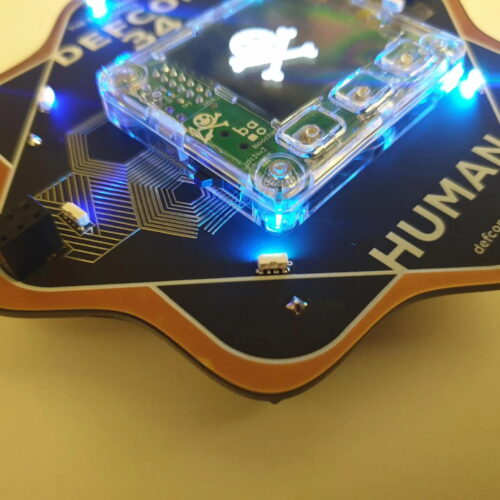
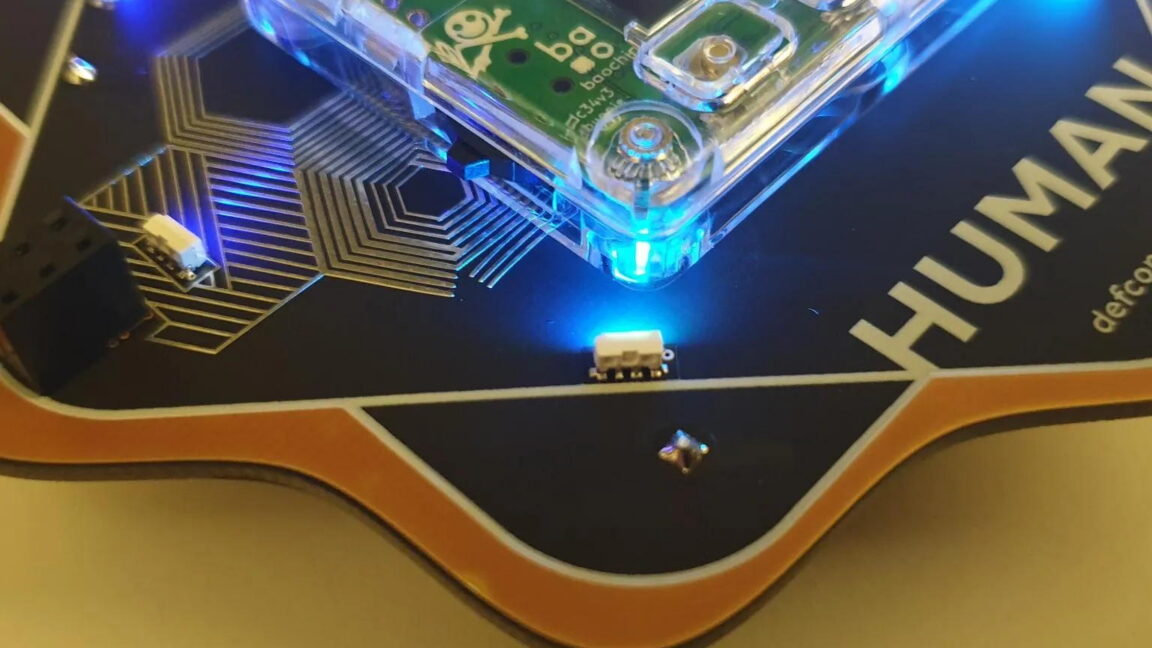
It’s been a longtime feature of the annual Defcon hacker conference that attendees come away not only with knowledge of new software vulnerabilities and hacking techniques but also an elaborately designed conference badge—often electronic masterpieces embedded with intricate puzzles, complex crypto challenges, hidden Easter eggs, and even the mechanical gear trains of a watch.
Each year’s badge creator endeavors to top previous designs and blow the minds of hard-to-impress hackers. But this year’s badges take a different tack. Instead of the badge designs being the star, it’s what is inside the hardware that will really stand out.
This year, Defcon asked legendary hardware hacker Andrew “bunnie” Huang to create the badges—revealed here for the first time—and they include an innovative open source chip that Huang designed and that aims to do no less than advance the state of security, transparency, and trustworthiness in computing.
The notion that scammers can use AI to sharpen their deceptions, polish their language, and lubricate their banter with victims is now a reality for anyone fighting the fraud operations that steal tens of billions of dollars a year worldwide. But can AI fully replace a human scammer, autonomously building the web of deception leading up to the fake investment that defrauds the mark? One study's experiment suggests that it can—and may even be able to carry out the majority of that long con more effectively than humans.
Researchers from four universities—Amrita Vishwa Vidyapeetham in India, Foscari University of Venice, the University of Melbourne, and Ben Gurion University of the Negev—carried out a broad study on the use and potential of generative AI chatbots in the growing scam industry centered around a form of fraud known as “pig butchering,” text-based romance scams that eventually shift to fake crypto investments that steal as much as six-figure sums from victims. In their study, the researchers pitted AI chatbots directly against humans in a simulation of the scamming process—or more specifically, the long, trust-building conversations that eventually lead up to soliciting a fake investment from the scam’s target.
They found that for the relationship-establishing stages of the scam—the stage that in real-world scams typically represents the longest part of the interactions with the victim, often stretching to months—an AI chatbot performed remarkably effectively, successfully impersonating a human and by some measures outperforming the real human “scammers” in their experiment.

 Login
Login