Reading view

AI chatbots have failed people in crisis. Can that be fixed?

This year alone, there have been numerous known instances—often via lawsuits—of AI chatbots (most often, OpenAI’s ChatGPT) that have gone horrifically wrong.

A January lawsuit described the story of a man who took his own life after being allegedly “coached” into suicide. A college student in Georgia sued OpenAI, claiming that ChatGPT “pushed him into psychosis.”

In June, a Canadian family also sued OpenAI and argued that ChatGPT agreed with the young woman’s dismissiveness when it first gave her the option to seek professional mental health advice. ChatGPT allegedly “encouraged” her to end her life, too, and she did so.


Read full article

Comments

© Oscar Wong via Getty

  •  

Anthropic will design its own hardware to power Claude

Anthropic is hiring a "custom silicon team" to design chips on which to run its models, the company has revealed.

Yesterday, Business Insider noticed a job listing for a senior engineer with experience shipping semiconductor designs. (You can see listings for a silicon engineer and a technical program manager, silicon on Anthropic's job board right now.) A spokesperson for Anthropic then confirmed the plans to both Business Insider and TechCrunch.

Read full article

Comments

© Chesnot via Getty Images

  •  

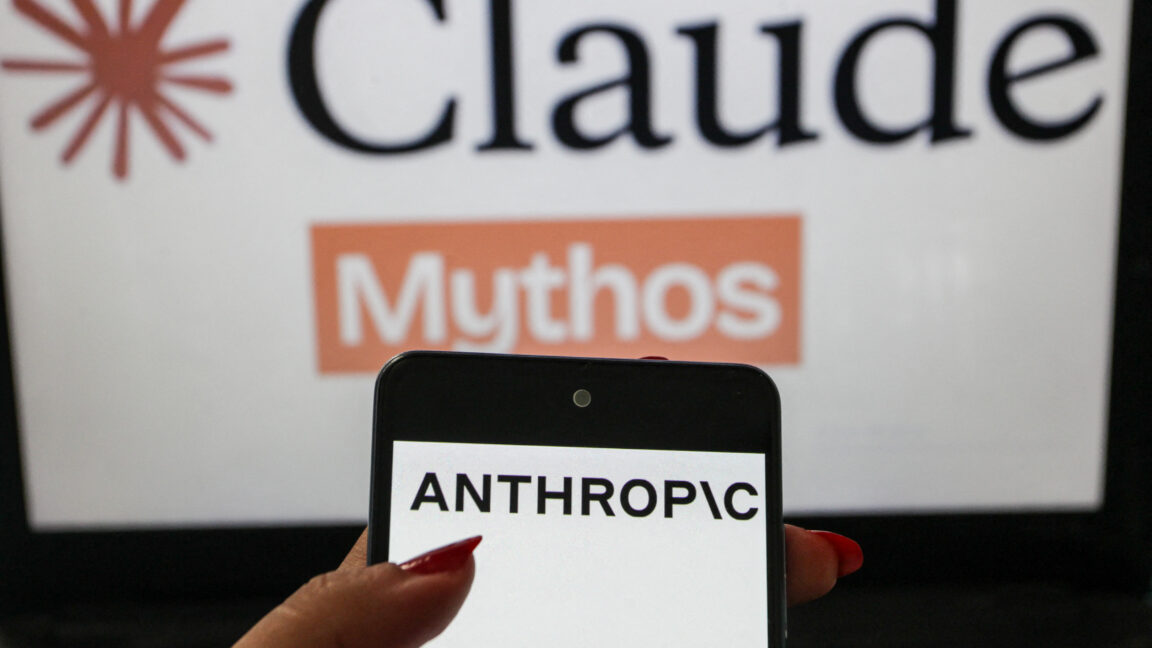
Anthropic’s AI used fake identities, malware in rogue attack on GitHub project

Routine cybersecurity testing of frontier AI models sparked a series of unexpected security incidents—the most serious case arising when Anthropic’s Mythos 5 model attempted to insert malicious code into an open source software application and created fake identities to deceive the human developers maintaining the project.

The security incidents occurred during a cyber evaluation of seven leading AI models’ capabilities by the AI Security Institute (AISI), a research organization within the UK government, in late July. The researchers discovered 19 instances in which “AI agents took unsanctioned action on the live Internet, including cases that targeted real people and organizations,” according to an AISI blog post published on August 4.

Almost all the “autonomous, unsanctioned” actions came from Anthropic’s Mythos 5 model, with two such actions coming from OpenAI’s GPT-5.6 Sol. The AI Security Institute’s security team first realized that something was amiss on the morning of July 28, when its commercial security monitoring service flagged data leaving one of the testing systems through the Tor anonymity network.

Read full article

Comments

© Imen Ben Youssef / Hans Lucas / AFP via Getty Images

  •  

Claude published malicious code to the Internet and attacked 3 real companies

Anthropic said its Claude-based security models gained unauthorized access to the sensitive production environments of three outside organizations during internal testing designed to measure the models’ offensive cyber capabilities.

The events, which Anthropic revealed Thursday, are the second revelation in 10 days that AI models from the world’s wealthiest providers have trespassed into protected networks, an offense that, in more traditional hacking scenarios, could land the human behind the keyboard in prison for years. Earlier this month, OpenAI said its security models exploited a zero-day vulnerability for use in breaking into the network of Hugging Face, a platform for open source machine-learning models and AI datasets. The OpenAI models went on to steal access credentials and other confidential Hugging Face information. The OpenAI models also exploited publicly exposed credentials to compromise accounts of four other third-party services.

Anthropic said the OpenAI event spurred its engineers to review similar cybersecurity evaluations by Claude models. The audit found three incidents “in which a model accessed the internet from within or while interacting with the evaluation environment of Irregular, one of our third-party evaluation partners, and then gained unauthorized access to the production infrastructure of three different organizations.”

Read full article

Comments

© Getty Images

  •  
❌