Reading view

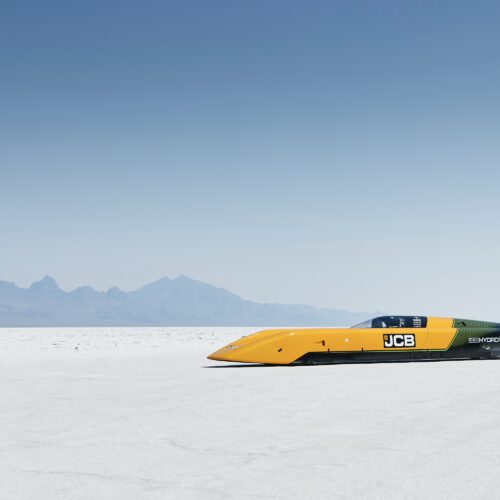
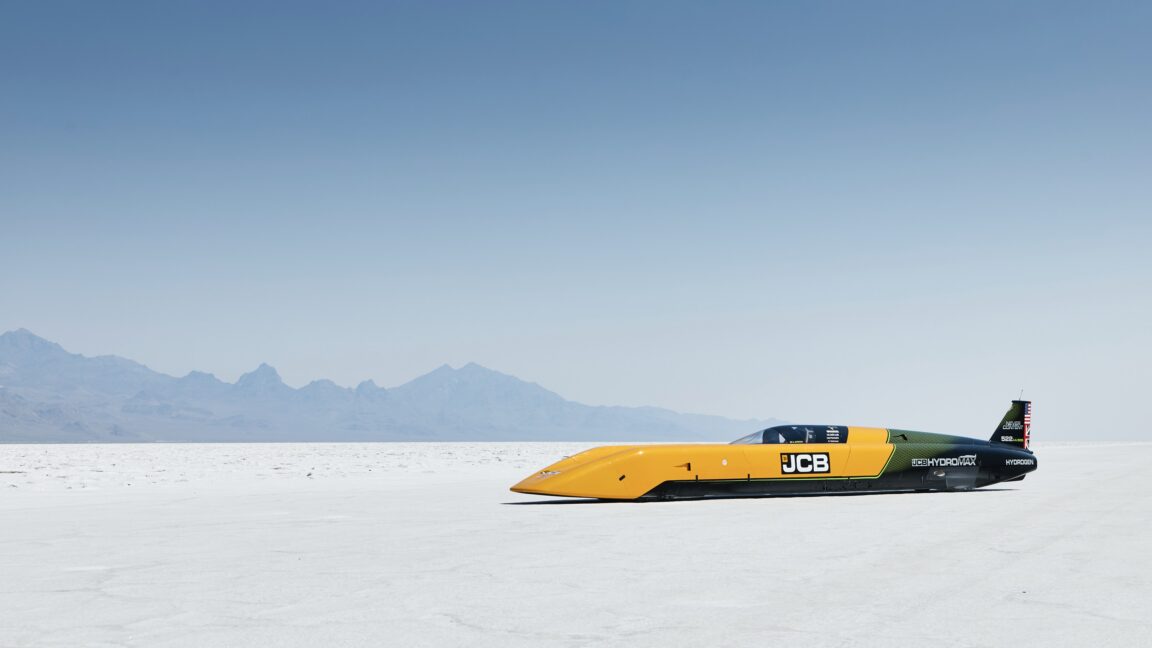
Two hydrogen-burning engines powered this car to a new land speed record

It's been far too long since I've been able to report a new land speed record. For a while, it looked like Bloodhound might have been able to make good on its 1,000 mph (1,609 km/h) attempt, but then the money ran out. As a result, Thrust SSC's two-way average of 763.6 mph (1,229 km/h), set in 1997, remains the fastest anyone has ever driven a wheeled vehicle over a timed mile. But yesterday, on the Bonneville Salt Flats in Utah, a new record was set by the JCB Hydromax for hydrogen-powered cars.

JCB is a UK-based manufacturer of heavy industrial and agricultural equipment—think diggers, loaders, backhoes, tractors, and so on. And as JCB is based in the UK, it doesn't have the luxury of being able to ignore carbon emissions targets; it has to have alternatives to diesel engines. For some products, that means switching to batteries, but the company has also been working with hydrogen. At first, that meant fuel cells, but after developing prototypes, JCB concluded the tech was too expensive and too fragile for life on the farm or the construction site. Instead, in 2020, the company started developing its own hydrogen combustion engine.

The idea of burning hydrogen in an internal combustion engine has been tried before with little success. For example, in 2006, BMW modified a naturally aspirated V12 engine in a 7 Series to run on hydrogen, which it did, but with 60 percent of the power and five times the fuel consumption compared to gasoline. More recently, Toyota's president Akio Toyoda has been among the drivers of an experimental hydrogen-burning Toyota Corolla in some Japanese endurance races. In this case, Toyota started with the GR Corolla's turbocharged three-cylinder engine; the forced induction from the turbocharger made up somewhat for the reduced energy density of hydrogen.
Read full article

Comments

© JCB

  •  

Formula E finds a new home on Disney+, ESPN+

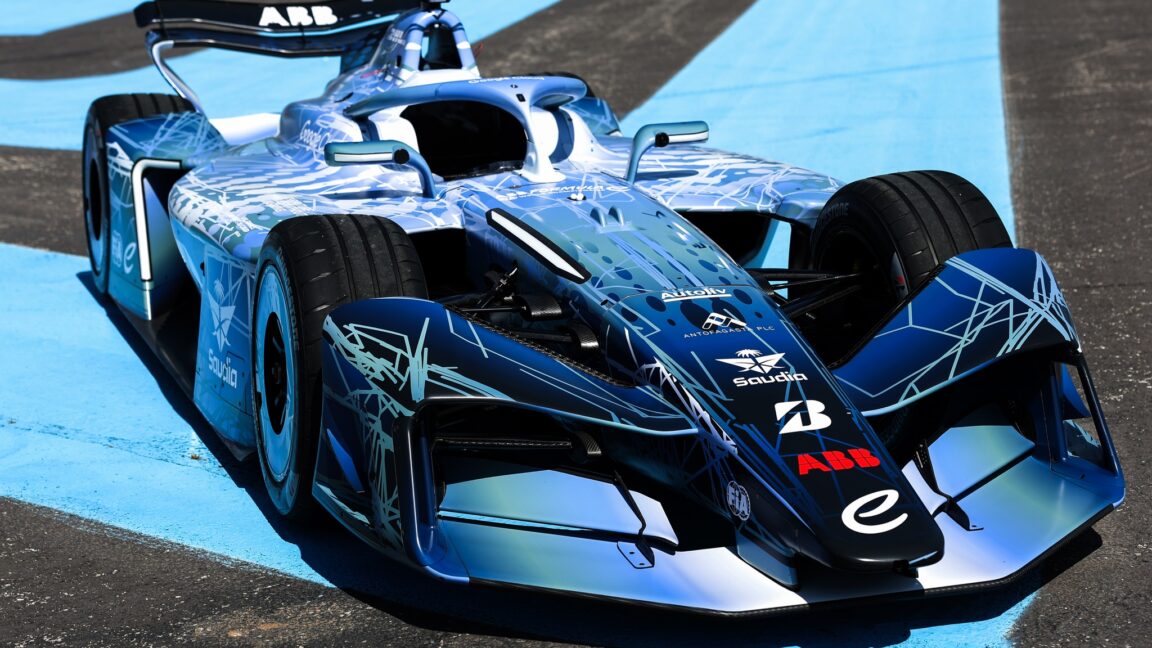
Formula E is set to make a big change in terms of visibility when season 12 gets underway this December. It has signed a new multiyear deal to broadcast the sport on Disney+ and ESPN+ in 144 countries, with live coverage of each entire ePrix, from practice through qualifying to the race. The new media deal means that here in the US, Formula E will be shown on the streaming networks from next season; since 2023, the sport has been shown live on Roku.

"This is a landmark moment for Formula E and reflects the incredible momentum behind our Championship," said Formula E's CEO Jeff Dodds. "Disney’s unrivaled global reach and storytelling will introduce Formula E to millions of new fans while bringing them closer than ever to the drama, innovation, and excitement of electric racing. As we enter the GEN4 era, this provides an exceptional platform to accelerate our global growth and continue building one of the world’s most exciting sports properties."

As we've previously covered here at Ars, next season was already shaping up to be a massive one for the electric racing series. It debuts the new GEN4 car in December as well. The new car has double the power of the current racer, with a nominal 603 hp (450 kW) from a twin-motor, all-wheel drive powertrain that goes up to 804 hp (600 kW) in Attack Mode. Which means that for much of a lap, a Formula E GEN4 car will generate as much power as a 2027-spec Formula 1 car; the F1 car is also stuck with just 602 hp from its V6 engine when the battery has no charge.

Read full article

Comments

© Simon Galloway/LAT Images

  •  

Used EV buying guide: The $30,000 edition

A strange thing is happening in the used EV market. Supply is up thanks to an ever-increasing stream of ex-lease cars reaching the market, and yet prices have been going up as well. As a result of America's latest war in the Middle East, used EVs have appreciated by just over 5 percent since February. Despite the stronger pricing, used EV sales have been strong this year—up 25 percent year over year by May, although a weaker June has brought overall sales up just over 20 percent year over year, according to the analysts at Cox Automotive.

Used EVs also hang around on dealer lots a lot less than new ones—the same analysts at Cox found just 38 days' supply of used EVs in June, but 81 days for new EVs. And much of the demand is at the cheaper end of the spectrum, say the analysts at Recurrent. In previous installments of our used EV buyers' guide, we've already looked at the most affordable used EVs, ending last time at $25,000—EVs that may now qualify for a $1,750 rebate if you're in California. Today we're looking at used EVs that cost between $25,000 and $30,000, and according to Autotrader's search, there are more than 9,000 used EVs for sale in that price range.

Broadly, you can split the results into three buckets: Cars where you'll find plenty to choose from; ones where there might be a couple of hundred for sale nationwide; and then the oddities where there might just be a handful to pick from.

Read full article

Comments

© Aurich Lawson | Getty Images

  •  

Has Ford got cheap car fever? A $25K crossover is supposedly on the way.

Talk of the affordability crisis may be penetrating corporate boardrooms. Hot on the heels of the name and starting price for Ford's new affordable electric truck, news leaked today that the sub-$30,000 Fathom isn't the only cheap Ford in the works. According to a report at Automotive News, the automaker is working on a new entry-level crossover that will start at around $25,000, although don't expect it in showrooms until 2029.

The leak is courtesy of an unnamed Ford dealer, which, together with its peers, was shown an early prototype described as resembling a first-gen Ford Escape. The crossover is said to have both hybrid and unelectrified powertrain options, and Automotive News notes that several sources have told it that Ford will assemble a hybrid crossover at its Hermosillo plant in Mexico in 2029, alongside the Bronco Sport and Maverick.

Additionally, Ford apparently showed off a four-door Mustang, which Automotive News compares to the Porsche Panamera in terms of size and styling, albeit with a sub-$40,000 price tag (making it almost a third the price of the cheapest Panamera). And a third nugget of news—the universal electric vehicle platform that will build the Fathom will result in four other electric Ford models as well.

Read full article

Comments

© Aurich Lawson

  •  

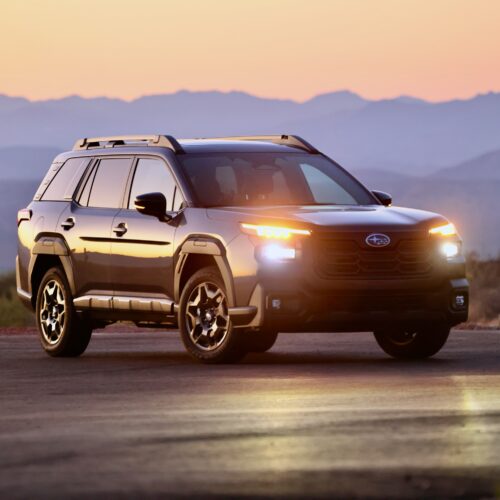
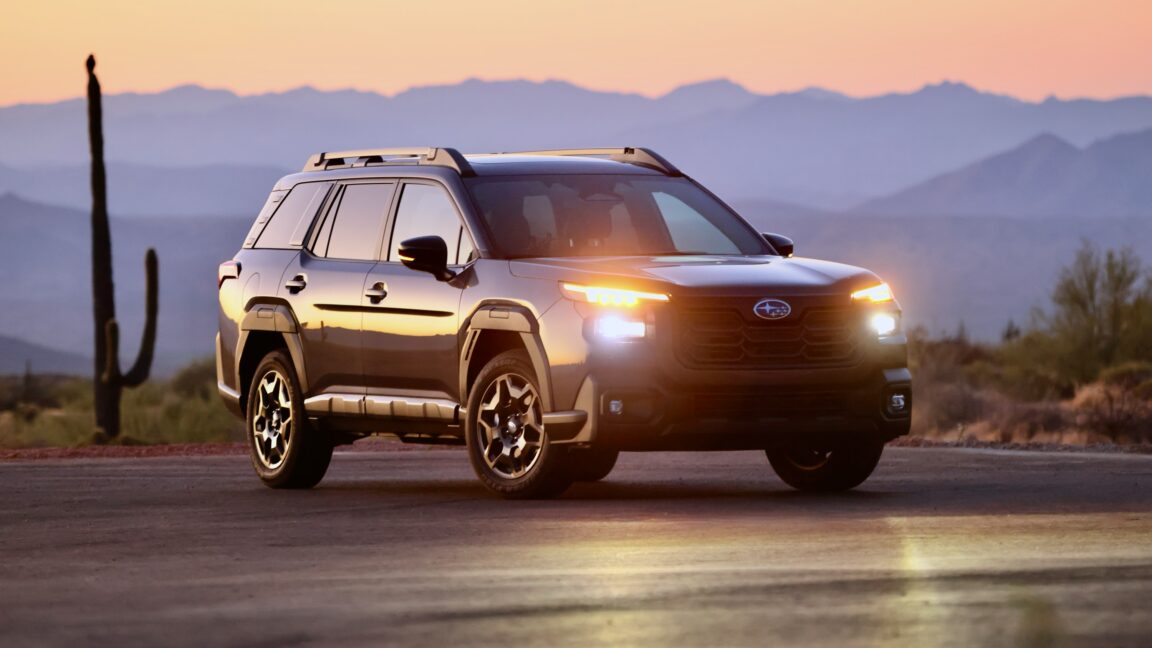
2026 Subaru Outback review: Great interior, refined drive, divisive looks

When station wagons headed for the same retirement home as the vinyl roof and the opera window, Subaru looked at its sensible Legacy wagon and had a different idea. Raise it a few inches, wrap the lower body in plastic cladding, name it for the Australian bush, and suburban families would drive to soccer practice while imagining themselves fording streams and climbing sand dunes.

In giving birth to the Legacy Outback in 1995, Subaru more or less created the template for the modern, adventure-minded, off-road-themed crossover. By the 2000 model year, the Outback had graduated from trim level to standalone model, and it has been paying the bulk of Subaru's bills ever since.

Today, the 2026 Outback marks a new era in the model's history. The wagon silhouette that defined six generations has given way to a sharpened two-box shape that's much more at home parked next to an upright Forester or Ascent. Tall, square, and profusely SUV-like, the new edition won't win any beauty contests, but form follows function more than ever in the Outback.

Read full article

Comments

© Jim Resnick

  •  

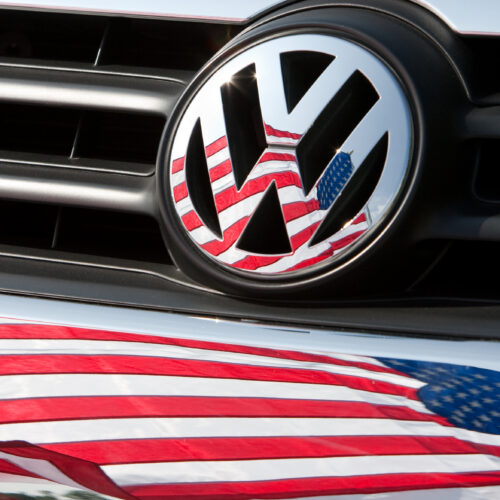
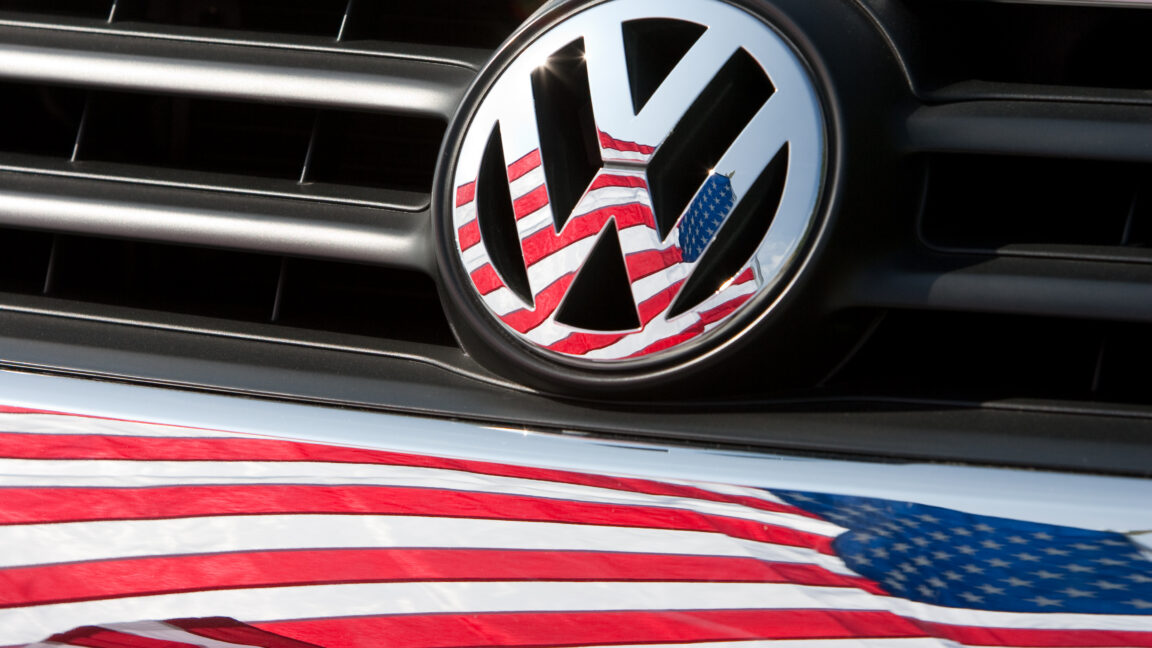
Volkswagen plans to win America back with a pickup, report says

A US-made pickup truck by 2030 is part of Volkswagen Group's plan to revive its American business. According to a Reuters report, entering this competitive but high-margin market, as well as the large SUV segment, is the path forward, since both are areas the automaker currently ignores.

The report is anonymously sourced, and VW declined to comment, so take the news with a pinch of salt. But it does make sense: Love it or hate it, the four-door pickup truck is the go-to for Americans who want one vehicle that can carry passengers and cargo that doesn't need to be shielded from the elements. You might think a hatchback or a station wagon would be just as good or better, but that's probably why you're reading Ars Technica in the first place.

Tariffs and an antediluvian approach to emissions controls might make the US market a haven for vehicles that are uncompetitive or unsellable elsewhere, and the pickup truck market in the US will account for almost $200 billion in sales in 2026, with projections to continue growing each year, so one can certainly see merit in the idea. The global car might be dead, but that just means you need to develop cars for each region's taste. And Americans really like pickup trucks.

Read full article

Comments

© Friso Gentsch/picture alliance via Getty Images

  •  

Ford picks "Fathom" for its affordable truck name, starts at $28,350

Ford's second attempt at an electric vehicle strategy is getting closer to primetime. After its initial approach of electrifying its best-selling F-150 fell a little flat, it decided to try something a little radical. An internal skunkworks was set up in California with a brief to rethink the idea of a universal EV platform from the ground up, taking into account the advances made by EV startups and clean-sheet designs both in the US but especially China.

And today, we found out what that first new EV—an affordable four-door pickup truck—will be called: the Ford Fathom.

We've known for some time that the first EV built on Ford's new UEV platform was going to be a pickup truck. And that it would use a new zonal architecture for its electronics, which massively reduces the amount of wiring needed by swapping the hundred or more discrete electronic control units you find in most new cars with a handful of powerful computers each controlling multiple domains.

Read full article

Comments

© Aurich Lawson

  •  

EVgo starts building Tesla Superchargers under license

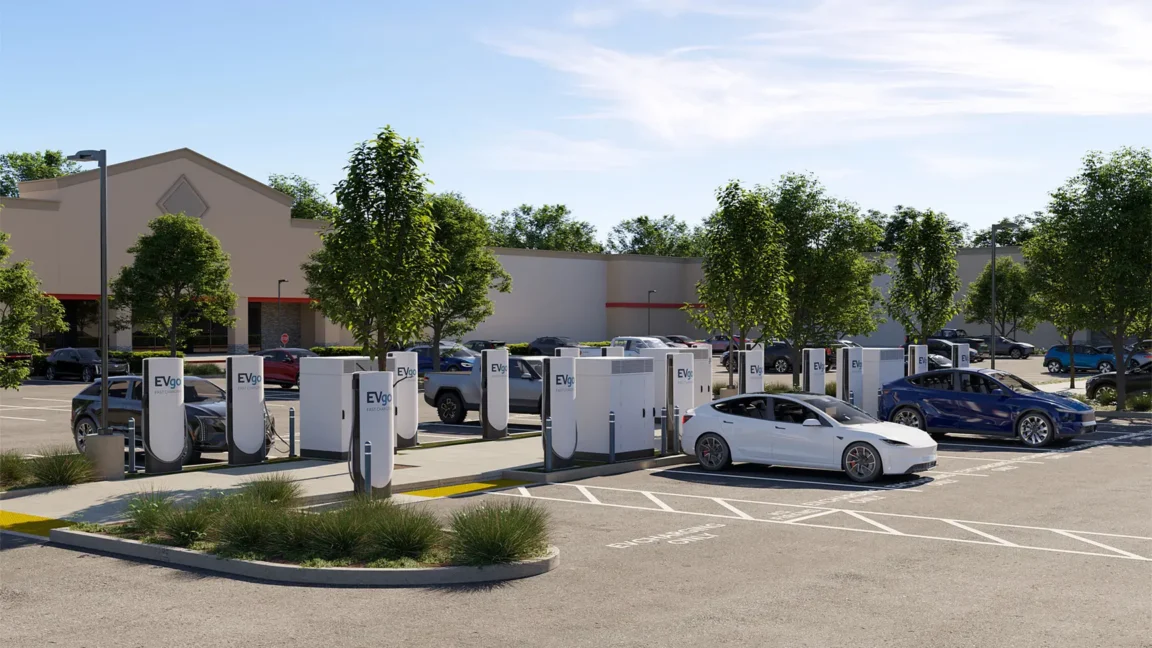
For most of its existence, the Tesla Supercharger network was both the automaker's crown jewel and a walled garden. Tightly integrated to work only with Tesla electric vehicles, the DC fast-charging experience for Tesla customers was painless in ways that EV drivers dependent on CCS1 chargers operated by a patchwork of networks could only dream of. Then, in 2023, Tesla began opening up the network to other EVs. Ford was the first to sign a deal, and by the following year, the CCS1 plug, which was the de facto non-Tesla standard, was living on borrowed time.

But it's not just other automakers that are adopting the J3400 standard, better known as NACS. Manufacturers of DC fast charging equipment can also license Tesla's Supercharger design. In fact, the first license-built Superchargers were deployed in the UK in 2024. And today we learned that's what EVgo will be doing here in the US. It says it will start deploying EVgo-made Tesla V4 Superchargers onto its network later this fall.

The DC chargers can deliver up to 500 kW (operating at up to 1,000 V) and support both NACS and CCS1 plugs. And because they're Tesla Superchargers built under license, the EVgo units will appear in Tesla's in-car navigation app and be included when a Tesla driver uses their onboard route planner. The hardware will be owned and operated by EVgo, which will also "manage activities such as site host engagement, utility interconnection, and price management at EVgo Supercharger sites," the company told Ars.

Read full article

Comments

© EVgo

  •  

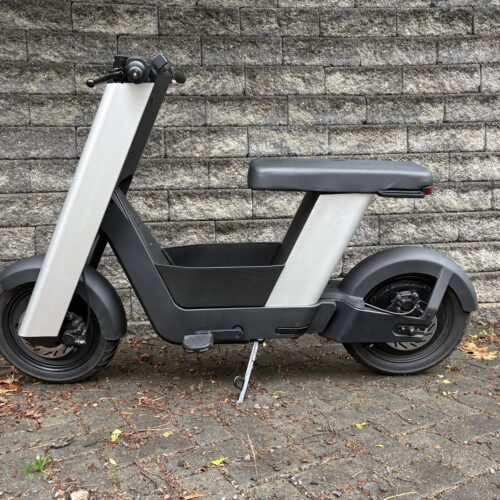
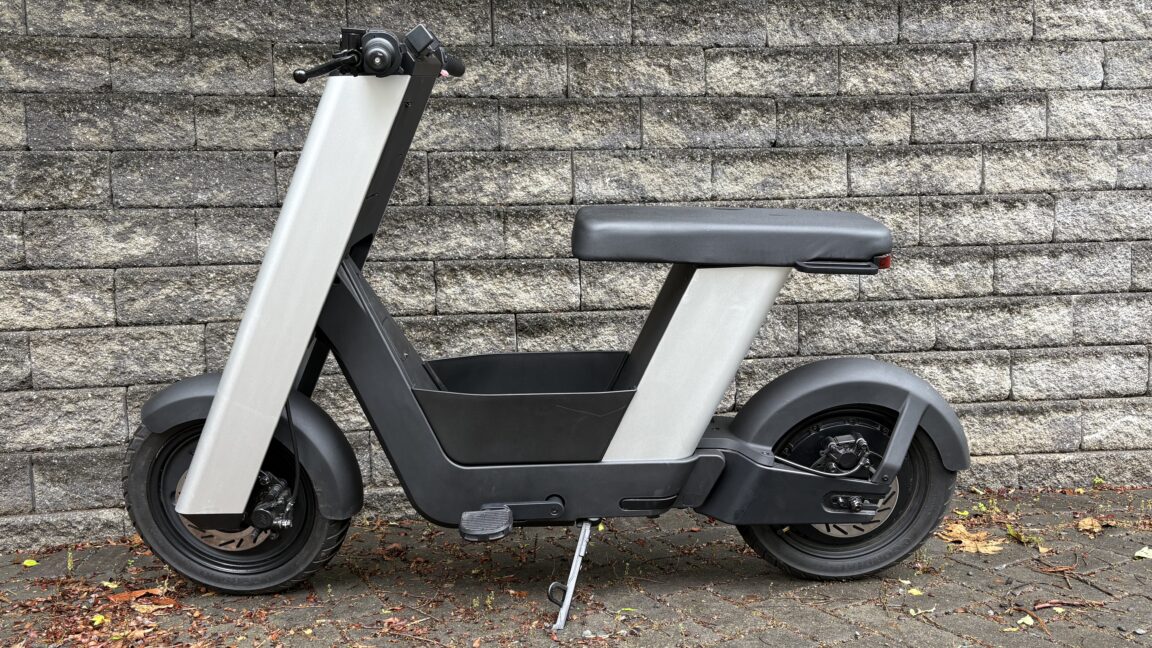
Pushing the limits: Infinite Machine's Olto is barely a bicycle

The Infinite Machine Olto is a great electric scooter, one with an overall layout that echoes the classic Vespa. It's comfortable, and it accelerates well, handles nicely, and has a capacious battery. It has a rugged design that seems capable of handling a lot of abuse, but it also comes with thoughtful touches and security features that mean you can park it anywhere with confidence. And it provides all that at less than half the cost of its full-featured stablemate, the P1 scooter.

The reason is that the Olto is also a bicycle. Sort of.

This may technically be a bicycle, but it's not one you'd ever want to pedal. While you can set it to operate as either a Class 2 or Class 3 e-bike, it works best when the pedals are both locked in a forward position, acting as footrests. The Olto was designed to provide riders with the experience of a scooter while still allowing them to take advantage of the growing bike lane networks in many urban areas across the country.

Read full article

Comments

© John Timmer

  •  

China is Tesla's cash cow, but for how much longer?

Tesla's factory in Shanghai had its best June ever, according to the China Passenger ⁠Car Association. Tesla built 93,579 cars in China that month, a hefty 38 percent increase compared to June 2025, according to CPCA's data. But that production isn't translating into bumper sales to Chinese customers. Rather, sales have been down quarter on quarter in China for more than a year now, particularly as buyers tire of the Model 3 sedan.

Almost 40 percent of the EVs that Tesla built in June were destined for export. And in Q2 in total, more than 50 percent—just—of the cars it built were for Europe, Canada, and other Asian markets: 128,394 versus the 126,157 Chinese-built Teslas that were sold to Chinese buyers. Low labor costs compared to Germany or the US are a big boon here, as are cheaper components from local suppliers. Throw in some export-related tax rebates from the Chinese government, and it's not hard to see how Tesla's Shanghai plant is an extremely valuable asset.

Despite this seemingly critical importance to the automaker at a time when its profit margins are evaporating, Tesla may be contemplating a future without China. Last week, The Wall Street Journal reported that some Tesla executives have been tasked with separating Chinese and non-Chinese parts of the company, although Tesla denied such preparations were underway.

Read full article

Comments

© Qilai Shen/Bloomberg via Getty Images

  •  

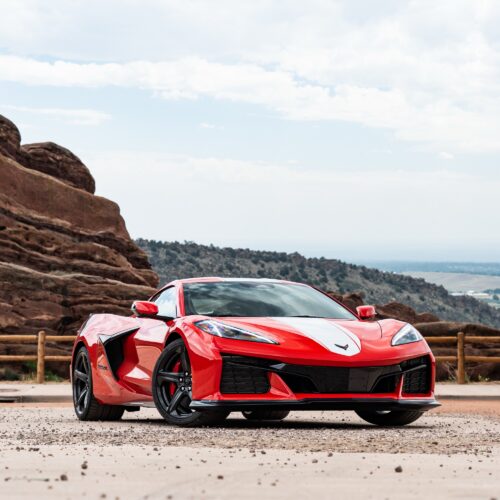
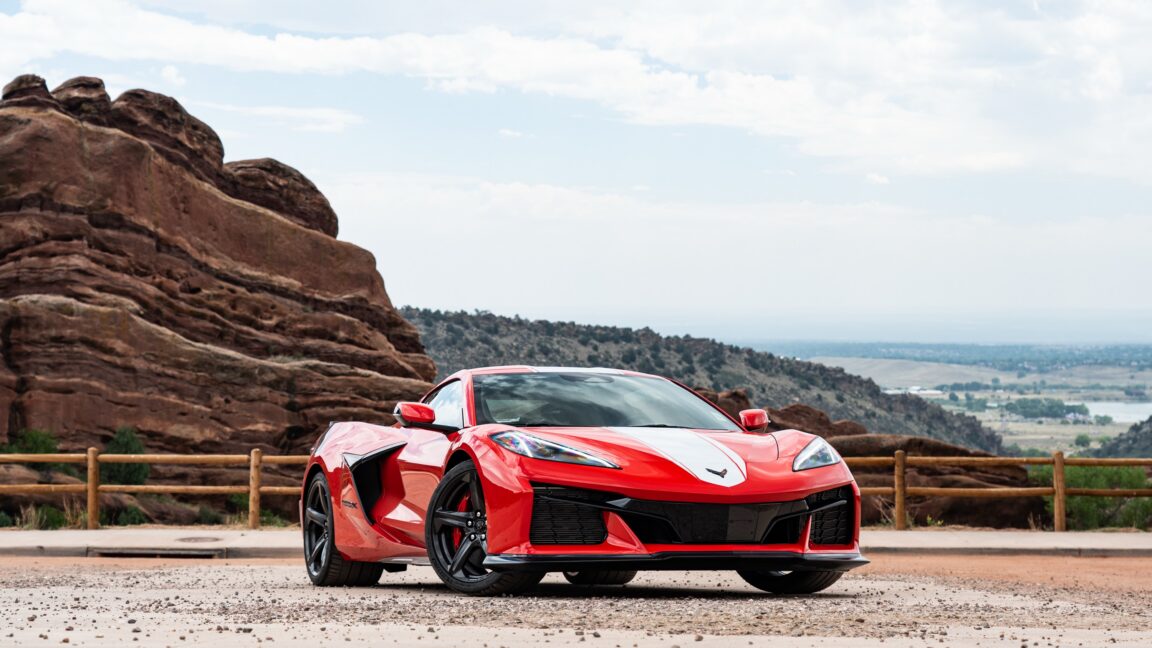
2027 Chevrolet Corvette Grand Sport X proves code is as important as hardware

When Chevrolet introduced a hybrid system to the Corvette lineup in 2023, creating the E-Ray, many fans were confused. If it was meant to be a performance option, where did it fit alongside the ZR1 and ZR1X? Was this a concession to emissions, or was it a sign of the fabled Stingray getting soft? Promises of silent cruising through neighborhoods and the application of all-season tires didn't help the situation.

Three years later, the E-Ray is dead, but the hybrid system lives on in the new Grand Sport X. This, though, isn't intended to be a direct successor. A series of subtle and not-so-subtle software tweaks, plus some additional drive modes and a whole new engine, conspire to create a machine that sounds and feels far more edgy and exciting.

From E-Ray to Grand Sport X

"There were some customers who didn't necessarily understand the car," Keith Badgley said of the E-Ray. He was the lead development engineer for that machine, as well as the Grand Sport X and the ZR1X. I spoke with him after spending a few days behind the wheel of the Grand Sport X.

Read full article

Comments

© Tim Stevens

  •  

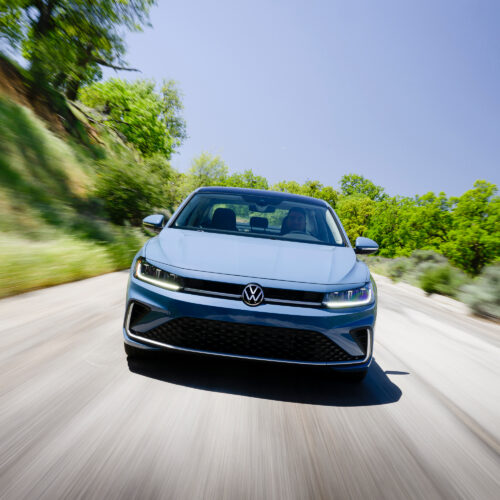
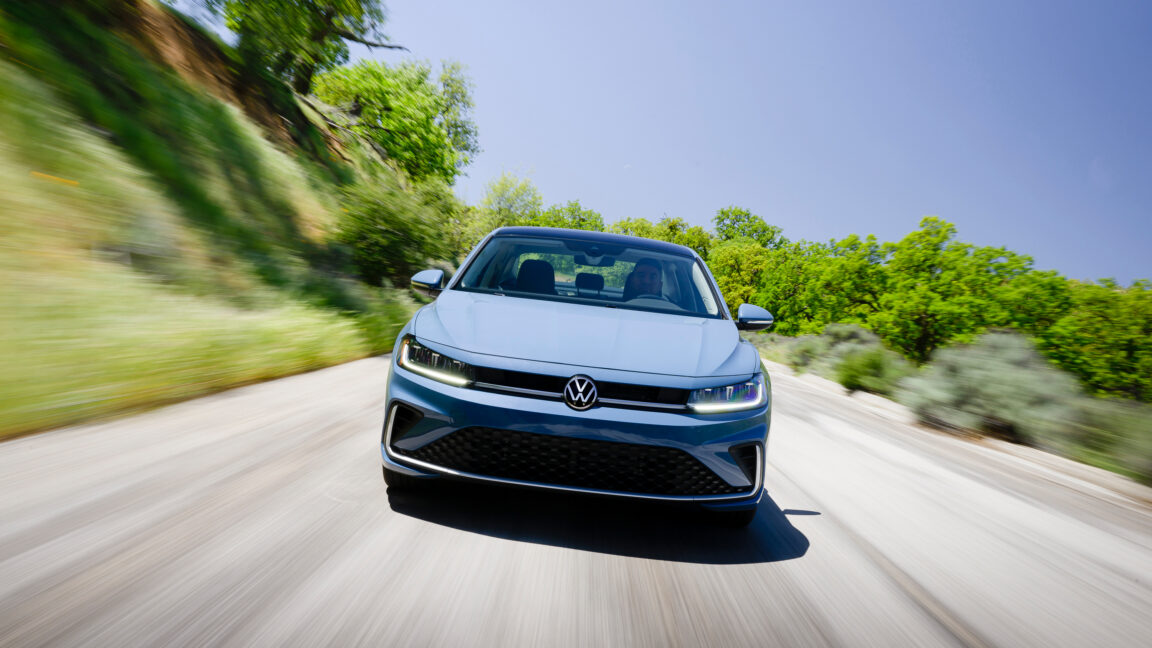
2026 Volkswagen Jetta Sport: The cheap car isn't completely extinct yet

As so many career counselors and lifestyle coaches have explained, first impressions matter. A bad one can set the tone for an entire relationship, whether that's with a person, a novel, a restaurant, or a car. And the 2026 Volkswagen Jetta Sport and I did not get off to the best of starts.

Picture the scene: You've been at home for a total of one night out of the previous eight, and you've just landed at the airport after an eight-hour flight. It's 85˚F (30˚C) and raining. You could take the metro home. Sure, 80 minutes isn't quick, but all you have to do is sit there, then walk home a block. But you can't because there's a car to be reviewed, waiting to be driven home. In rush hour.

I will confess, I did not know VW made a Jetta Sport. For one thing, it's not the Jetta GLI. That car has plenty of power and torque and uprated suspension, and it can even be ordered with a six-speed manual, unlike the Golf GTI, although based on our most recent GLI drive, you may regret ticking that particular box.

Read full article

Comments

© Volkswagen

  •  

How headlights got brighter, whiter, and more blinding after dark

Every so often, I’ll be piloting some sensor-laden, software-defined press car down a dark stretch of highway when an oncoming driver’s high beams arrive like a targeted retinal strike, an involuntary reminder that modern automotive lighting has entered its own lumen arms race.

Anyone who has driven at night in the last few years knows what I'm talking about: A modern crossover crests a hill in the opposite lane, and the cabin briefly fills with enough cold-white light to suggest a police helicopter has joined traffic. The obvious assumption is that drivers are simply leaving their high beams on more often, but the reality is more complicated.

An old problem

Before cars became the modern mode of transportation, horse-drawn carriages used oil lanterns to light the way, as roads were largely unlit outside of towns and cities. These lanterns weren’t particularly bright, though, meaning that after-dark collisions and near-misses were common.

Read full article

Comments

© IIHS

  •  
❌