Reading view

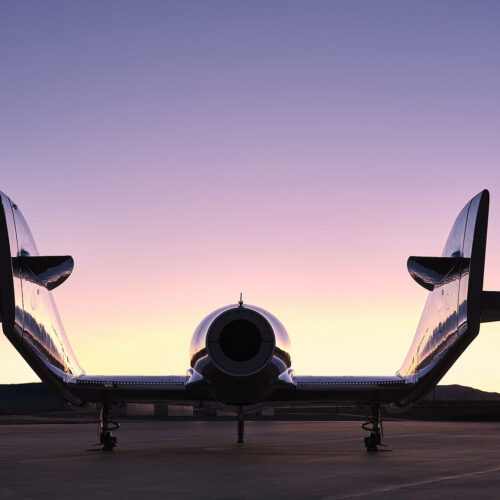
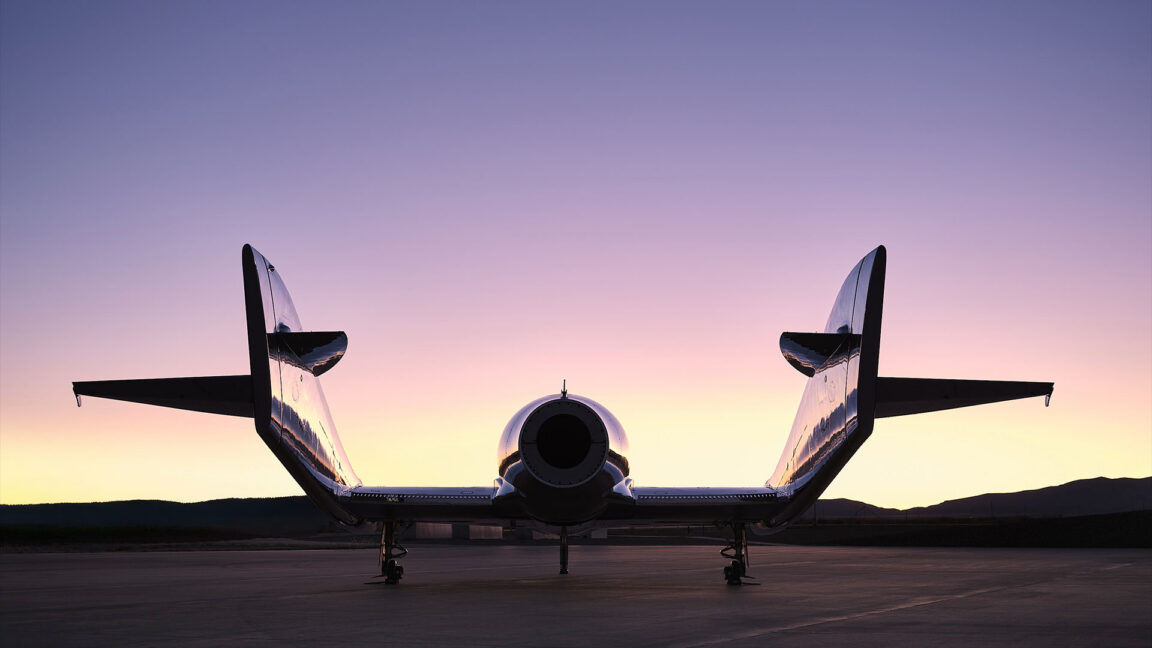
Virgin Galactic wants your help naming its new Delta class spaceship

As Virgin Galactic nears christening the first of its next-generation spaceship designed to launch customers on suborbital flights, it still is missing a key component—a name.

The self-described "commercial spaceline," which was founded by British tycoon Richard Branson, has turned to the public to vote on what to call the new vehicle. The spaceplane will be a member of Virgin Galactic's Delta-class fleet, succeeding SpaceShipTwo, which carried Branson and 31 others on 12 short hops above the US-defined boundary between Earth and space.

"You can vote for one of four finalist names for a spaceship that will join Virgin Galactic's growing fleet and the next chapter in our journey to expand access to space," the company announced on its website on August 11. "Name a Virgin Galactic spaceship, shape a piece of spaceflight history."
Read full article

Comments

© Virgin Galactic

  •  

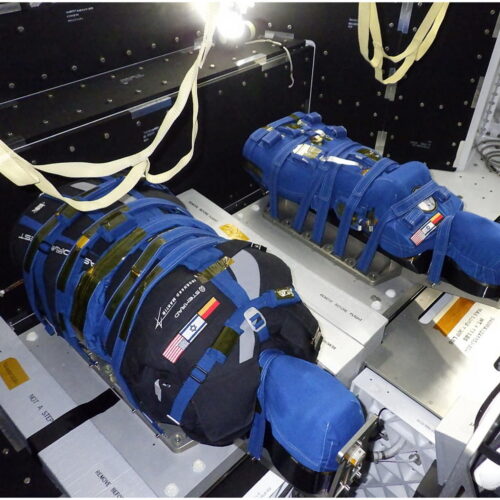
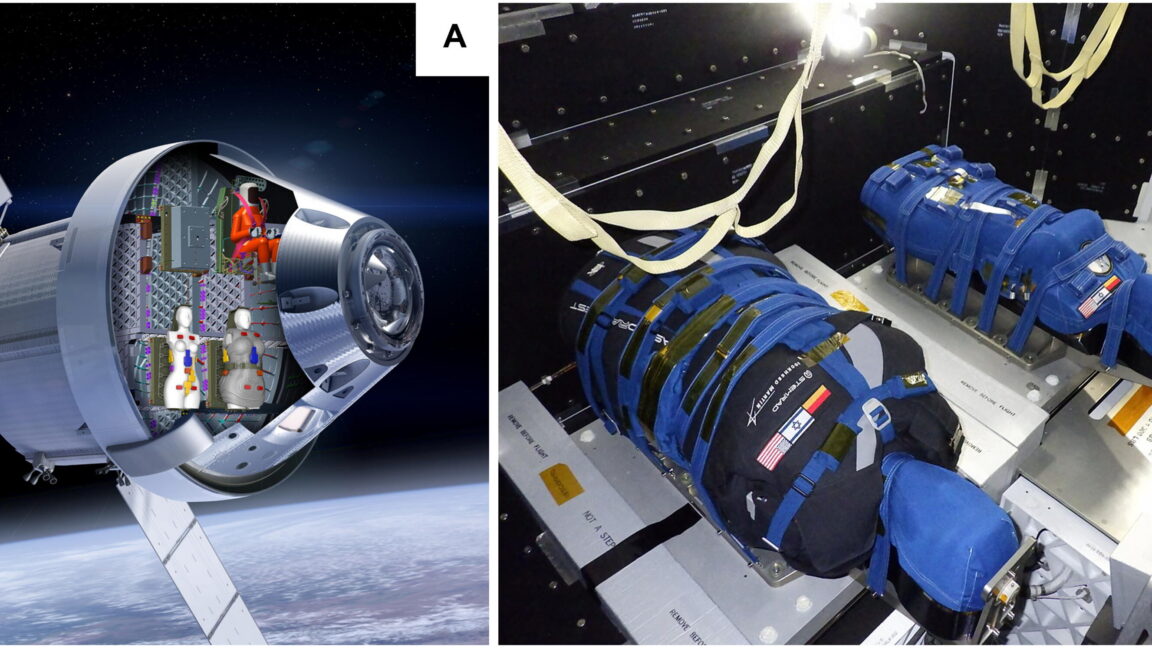
We've flown a radiation-blocking vest to the Moon and back, and it worked

Solar storms, like the one in August 1972 that hit during the gap between the Apollo 16 and Apollo 17 missions, throw bursts of protons intense enough to raise an astronaut's cancer risk or even cause radiation sickness. Earth's atmosphere and magnetic field absorb this radiation, but crews heading to the Moon or Mars won't have that protection, and no spacecraft built so far has enough shielding to stop it.

A team led by Jordan Houri and Oren Milstein of StemRad, an Israeli-American startup developing personal protective equipment against radiation, proposed that we could solve this by shielding the astronauts instead of shielding the spacecraft.

To test this idea, StemRad’s team flew a wearable radiation-shielding vest called AstroRad to the Moon and back aboard NASA's uncrewed Artemis I mission, then used the flight data to calculate how it would perform during an actual solar storm. It turns out the vest would perform roughly as well as the Orion’s heavily shielded onboard shelter the crew was supposed to hide in to wait out a storm.

Read full article

Comments

© NASA/Lockheed Martin/DLR

  •  

One of China's workhorse rockets just exploded in flight

One of China's most used rockets, the Long March 7A, exploded a little more than a minute after lifting off on Monday evening, local time.

The medium-lift rocket's payload was classified, but it was believed to be a military communications satellite. The rocket's liftoff from Wenchang Space Launch Site appeared to be nominal, but publicly captured videos (such as this one) showed that the rocket's first stage exploded about 1 minute and 20 seconds into flight.

The Long March 7A rocket was developed by the China Aerospace Science and Technology Corporation and is operated by the state's space agency. As of Monday night in China, state officials have not commented on the explosion.

Read full article

Comments

© Li Zhenzhou/VCG via Getty Images

  •  

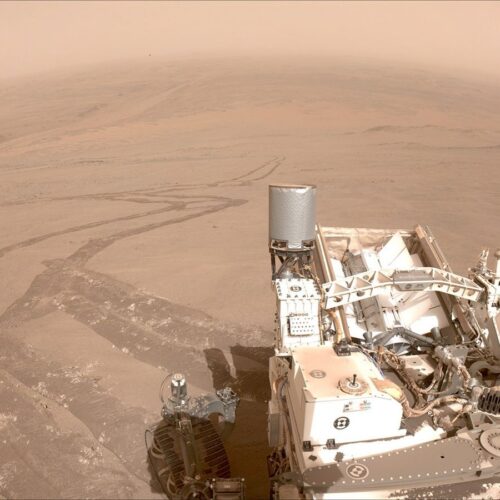
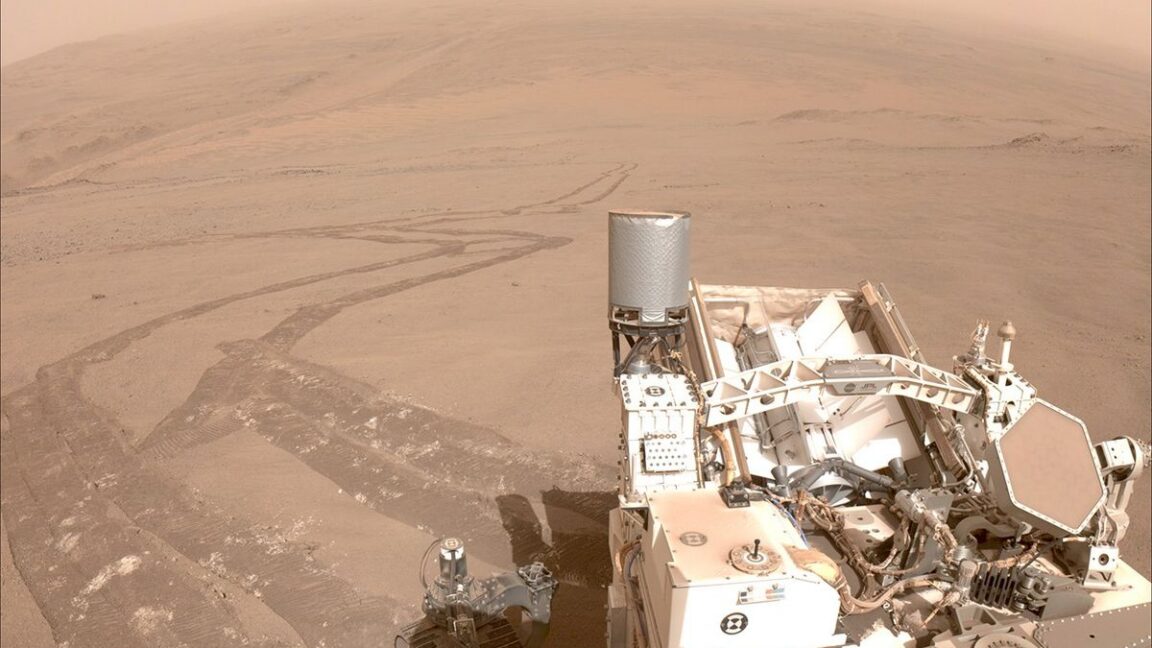
The first self-driving vehicle on Mars has proven to be a smashing success

Sometime next week, NASA's newest rover on Mars, Perseverance, will set a record for the most distance driven by any vehicle on another world.

The automobile-sized rover, which landed on Mars in February 2021, will traverse beyond 45.16 km (28.06 miles) across the Martian surface. In doing so it will break the previous distance record held by the long-lived Opportunity rover, which ceased communications with NASA in 2018.

So how did Perseverance reach this record-setting distance in just a third of the time?

Read full article

Comments

© NASA

  •  

Blue Origin narrowing in on root cause of catastrophic rocket accident

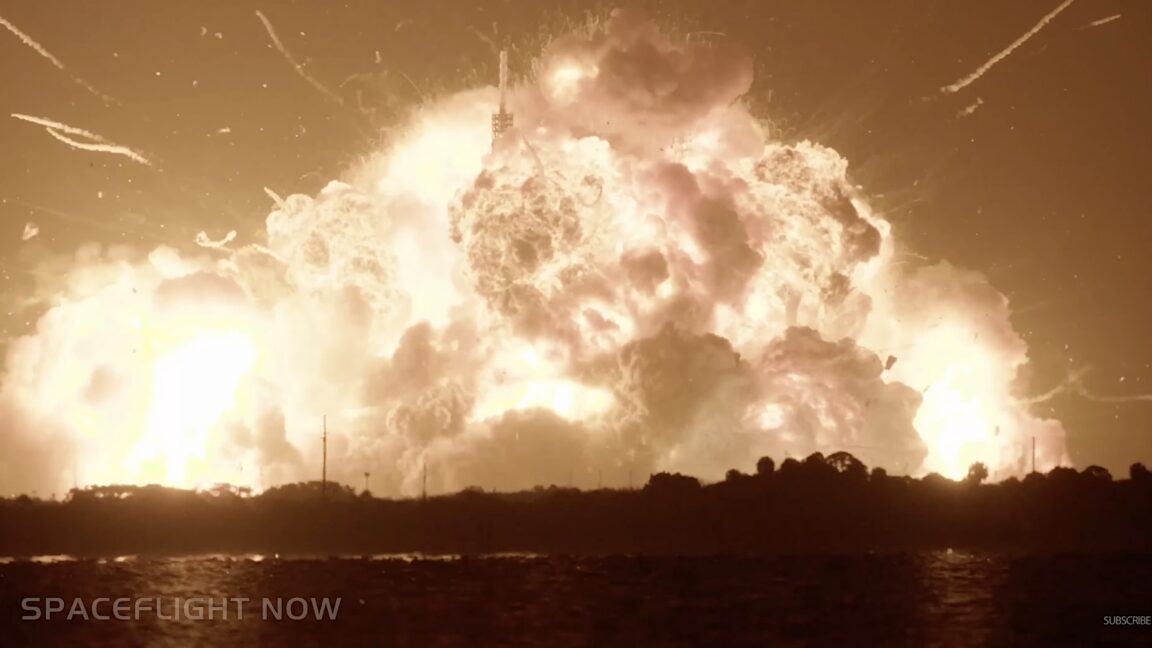
Blue Origin provided its first substantive update this week on the cause of the catastrophic loss of the New Glenn rocket and most of its launch pad infrastructure at Cape Canaveral, Florida, in May.

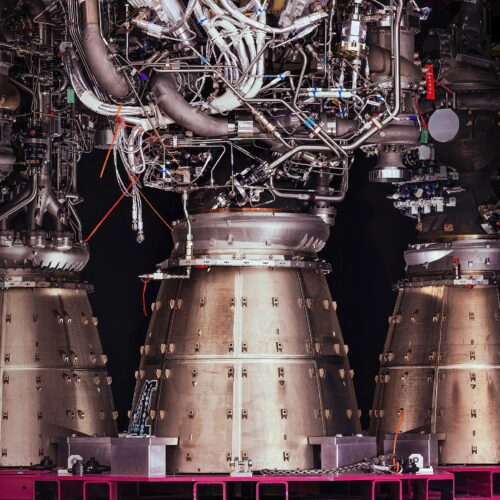
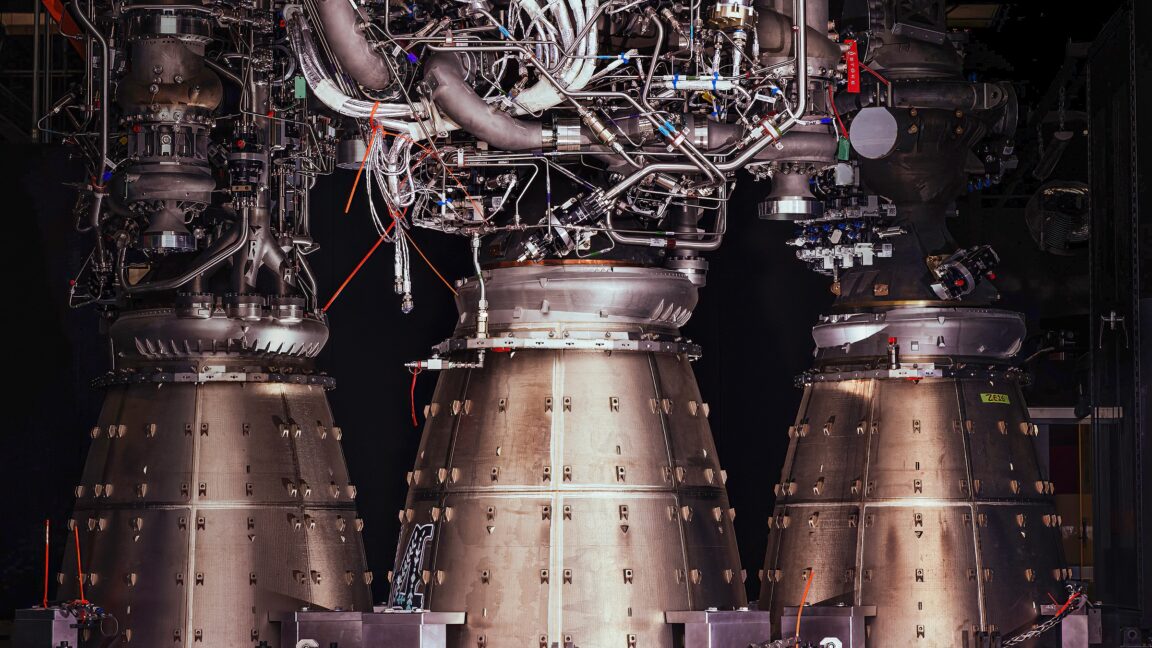
The space company's chief executive, Dave Limp, said investigative work is continuing into the anomaly that happened during a hot-fire test of the rocket during the evening of May 28, 2026. He confirmed, for the first time, widespread speculation that the problem started in one of the rocket's seven BE-4 engines that power the vehicle's first stage.

"The anomaly originated at the main oxygen valve on one of the BE-4 engines, which was later confirmed by hardware recovery and inspections," he said. "Extensive component-level and engine hotfire tests have been conducted to understand the failure mode better and inform mitigations."

Read full article

Comments

© Adam Bernstein/Spaceflight Now

  •  

SpaceX spooks investors with debut earnings report

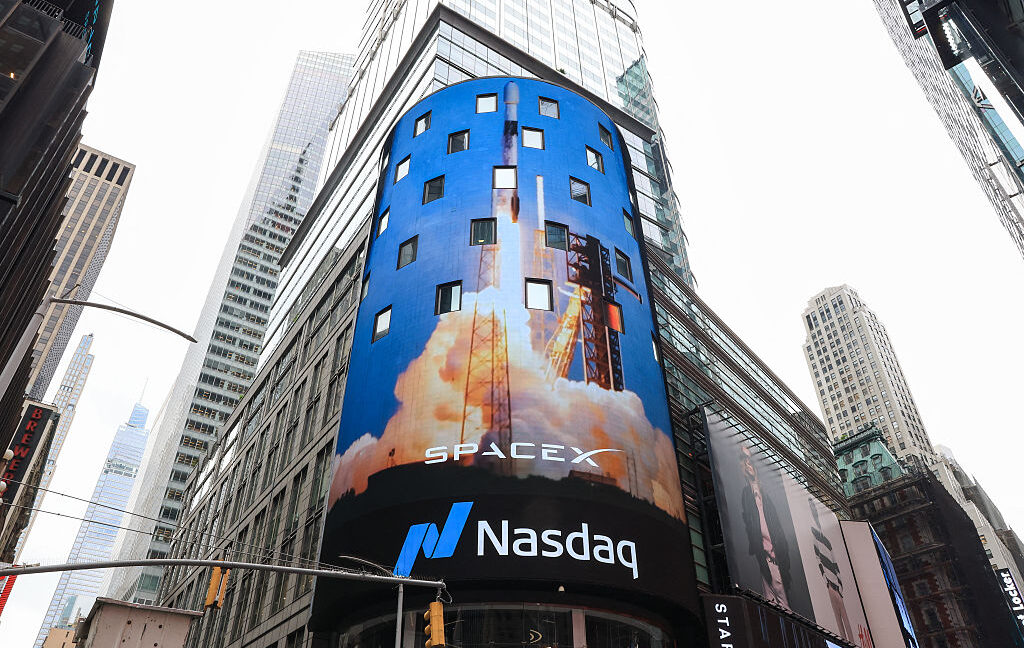
SpaceX shares dropped on Wednesday after Elon Musk’s plans for blockbuster spending to position his AI and rocket company as a data center developer spooked investors.

SpaceX surpassed analysts’ expectations in Tuesday’s debut earnings report, posting quarterly revenues of $7.8 billion, well above analysts’ estimates of $6.82 billion and up 92 percent from a year earlier. It posted a net loss of about $541 million, better than estimates of $2.12 billion.

But shares in SpaceX fell 10 percent in early trading after it reported capital expenditure of almost $16 billion on AI, double the previous quarter and well above Wall Street’s expectations. It said spending would persist at current levels for at least two more quarters.

Read full article

Comments

© Timothy A Clary/GEtty

  •  

Lego deploys Hubble Space Telescope as detailed desktop model

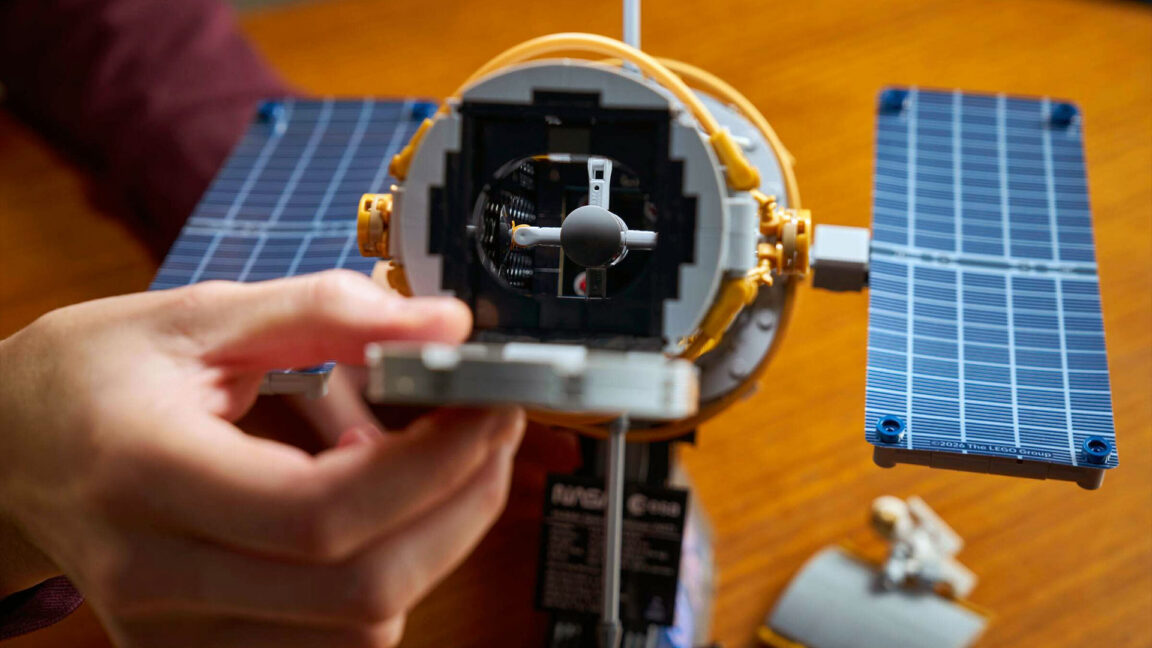
For 35 years, the Hubble Space Telescope has looked out into the Universe. Now, Lego is inviting builders to look inward with its latest model of the orbiting observatory.

The new Lego Icons Hubble Space Telescope (set no. 11382) was released on August 1 for $140 at the toy company's stores and its online shop. The 1,252-piece kit builds a 15-inch-long (38-cm) desktop model that is about twice as large as the previously released Lego Hubble models.

The Icons Hubble is the first to be sized in comparison to a Lego minifigure, such that the included astronaut provides a sense of scale for the telescope.

Read full article

Comments

© LEGO

  •  

SpaceX is set to acquire 130,000 acres of marshland in southern Louisiana

SpaceX and the state of Louisiana are close to finalizing a deal for the launch company to acquire about 130,000 acres along the northern coast of the Gulf of Mexico.

There have been persistent rumors about such an agreement for months, but now The Times-Picayune | The New Orleans Advocate reports that Louisiana Gov. Jeff Landry is expected to announce the agreement later this month.

The deal would give SpaceX control of an 18-mile stretch of marshland southwest of Lafayette. The site, known as Pecan Island, became available as part of a legal settlement that resolves dozens of lawsuits that blame ExxonMobil for pollution and coastal land loss, the newspaper reports.

Read full article

Comments

© SpaceX

  •  

Here's how engineers plan to save the satellite sent to save NASA's Swift mission

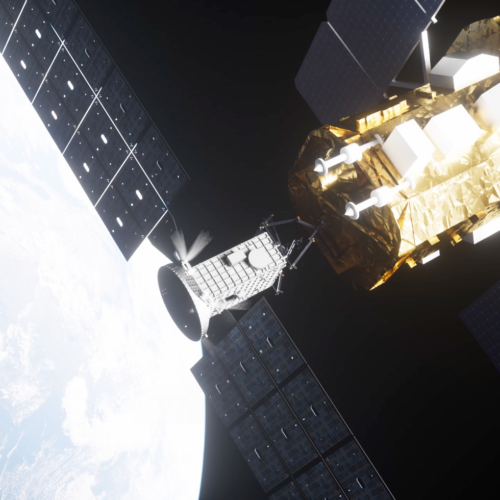
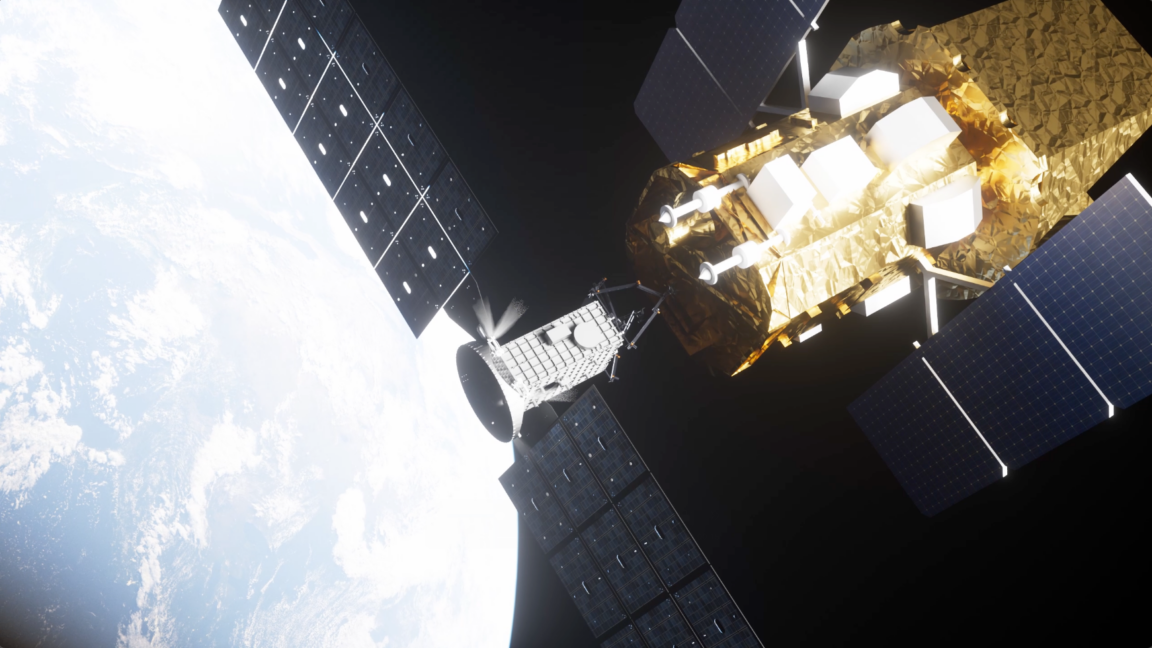
One week ago, more than 200 miles above the Earth, a refrigerator-size satellite making its way toward an attempted rescue of NASA's $500 million Swift gamma-ray observatory suddenly spun out of control.

It didn't look good. The spacecraft, named Link, was rotating on multiple axes, rendering it unable to maintain a reliable communications link with the ground and complicating efforts to arrest the spin. Two of the satellite's three reaction wheels, used for pointing, also stopped working. Through sporadic radio contact, engineers discovered a problem with some of the spacecraft's cold gas thrusters used for finer attitude control.

The Link satellite is built, owned, and operated by Katalyst Space Technologies, a satellite servicing startup that won a $30 million contract from NASA to fly up to the Swift observatory, grab onto it, and boost its orbit before succumbing to aerodynamic drag and burning up in the atmosphere.

Read full article

Comments

© NASA

  •  

Rocket Report: New launch rule may limit environmental regulations, Falcon 9 to hit Moon

Welcome to Edition 9.05 of the Rocket Report! It was a big week for launch contracts, with both Rocket Lab and SpaceX scoring sizable deals from the US military for their respective Electron and Falcon 9 rockets. The vehicles have been the workhorses for small and medium lift for the United States over the past decade and may remain so for some time. Also, there will be no Rocket Report next week, as I am traveling on assignment, and Stephen is taking a week off.

As always, we welcome reader submissions, and if you don't want to miss an issue, please subscribe using the box below (the form will not appear on AMP-enabled versions of the site). Each report will include information on small-, medium-, and heavy-lift rockets as well as a quick look ahead at the next three launches on the calendar.

Rocket Lab wins large Electron deal. Rocket Lab Corporation announced this week that it has been awarded its largest launch contract to date, a $266 million multi-launch contract with the US Space Force. Under the contract awarded by the US Space Force Space Systems Command, Rocket Lab will execute 12 suborbital launches, with up to six additional launches. The first launch of this contract is expected no earlier than the end of 2026.

Read full article

Comments

© Stoke Space

  •  
❌