Reading view

Hank Green found the AI problem that YouTube labels can’t catch

YouTube currently requires that content creators let viewers know "when they use AI to meaningfully alter or generate photorealistic content."

The policy draws some strange boundaries. It applies to "AI-generated music" (not photorealistic) but not to "riding a unicorn through a fantastical world" (this could be photorealistic, though it is not plausible). YouTube then summarizes the policy in a different way: "Realistic AI content and meaningful changes require disclosure, while non-realistic or minor edits don’t."

But AI uses that require no disclosure can include everything from "idea generation" up through "production assistance, like using generative AI tools to create or improve a video outline, script, thumbnail, title, or infographic." Creators are free to clone their own voices for voiceovers. They can also use "AI-generated or altered animation of a missile in a fully animated video."

Read full article

Comments

© Getty Images

  •  

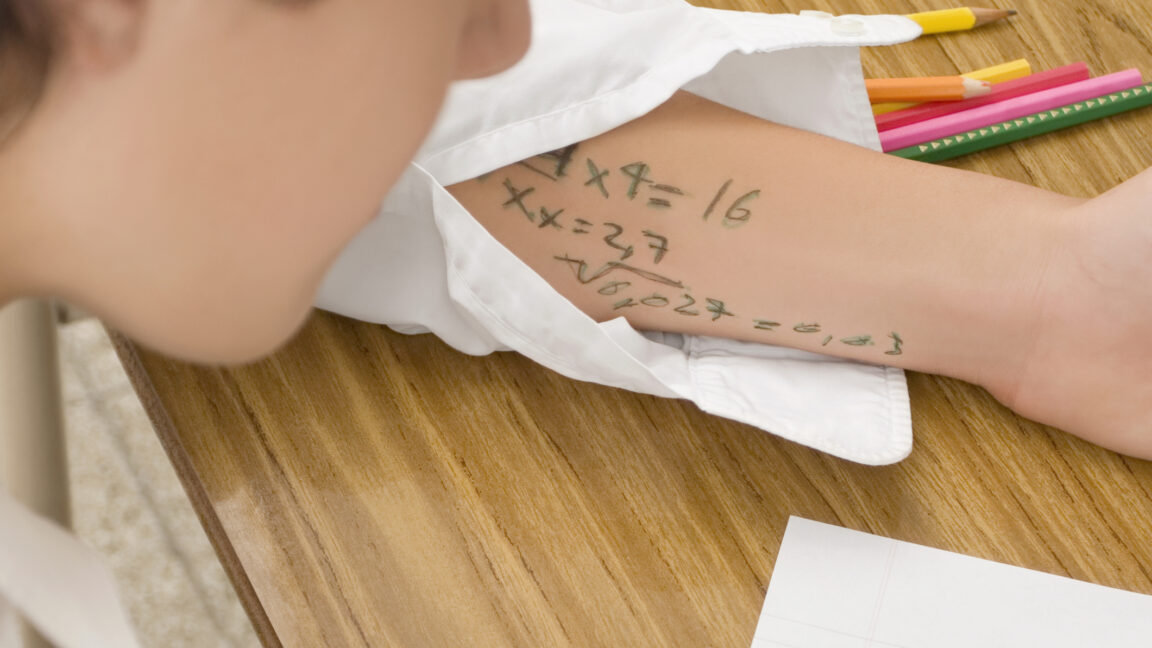
An AI-supervised remote exam went so badly that 58,000 students must retake it

Earlier this summer, nearly 160,000 applicants took the entrance exam for UNAM, Mexico's largest university. For the first time, they did it completely remotely, using a "lockdown" browser and AI-powered webcam proctoring software, over several weeks from late May through early June.

It was a disaster.

When exam results came in, they bore little resemblance to past results, especially at the top. Between 2021 and 2025, 3.5 percent of test takers scored 100 or more on the 120-question UNAM test. This year, 16.3 percent did so.

Read full article

Comments

© Getty Images

  •  

Would you get tattooed just to interview at a 7-days-a-week AI startup?

Everyone knows that great gimmicks are the key to hiring top developers for your startup.

That's why small AI startup LemonLime—which "optimizes your existing data to work with AI"—has so many of them. Want a job interview? Score a perfect 7/7 on the company's own "Is it a Lemon or a Lime?" game. Or—hear me out—get something permanently tattooed on your flesh.

LemonLime has tried both tactics in the past few weeks. The tattoo stunt generated the most publicity, of course, much of it negative. According to a writeup in Inc., seven people took the deal and got tattooed with the LemonLime logo during a party.

Read full article

Comments

© Getty Images

  •  

How a Yale AI-cheating dispute became a 13-count federal lawsuit

Thierry Rignol is furious at Yale.

Rignol paid Yale $208,500 in tuition for its Executive MBA program. But after he was accused of cheating, the school suspended him for a year and gave him an F in the course Sourcing and Managing Funds.

This happened despite the fact that Rignol was a "top student, on track to graduate first in his class," he says. As a result, Rignol missed out on being named class valedictorian, an honor he claims to have earned "under Yale's own stated criterion."

Read full article

Comments

© Getty Images

  •  
❌