❌

Reading view

Wildfire smoke now bigger prenatal threat than human sources of air pollution

In 1965, a presidential advisory panel issued a report warning that pervasive chemical and carbon pollution was harming environmental health and changing the climate. Five years later, President Richard Nixon signed the Clean Air Act.

Since that 1970 law and its amendments were passed, combined emissions of a half-dozen harmful air pollutants from vehicles and industrial sources have decreased by nearly 80 percent.

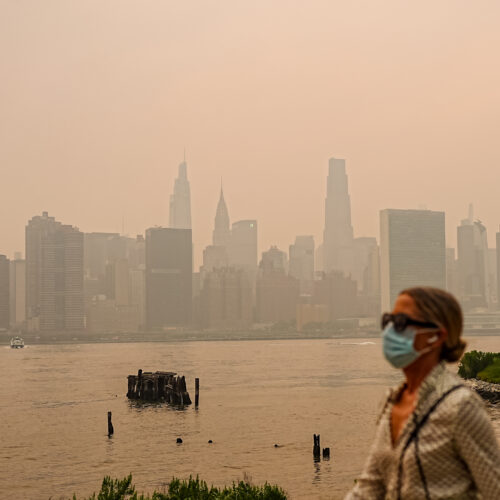
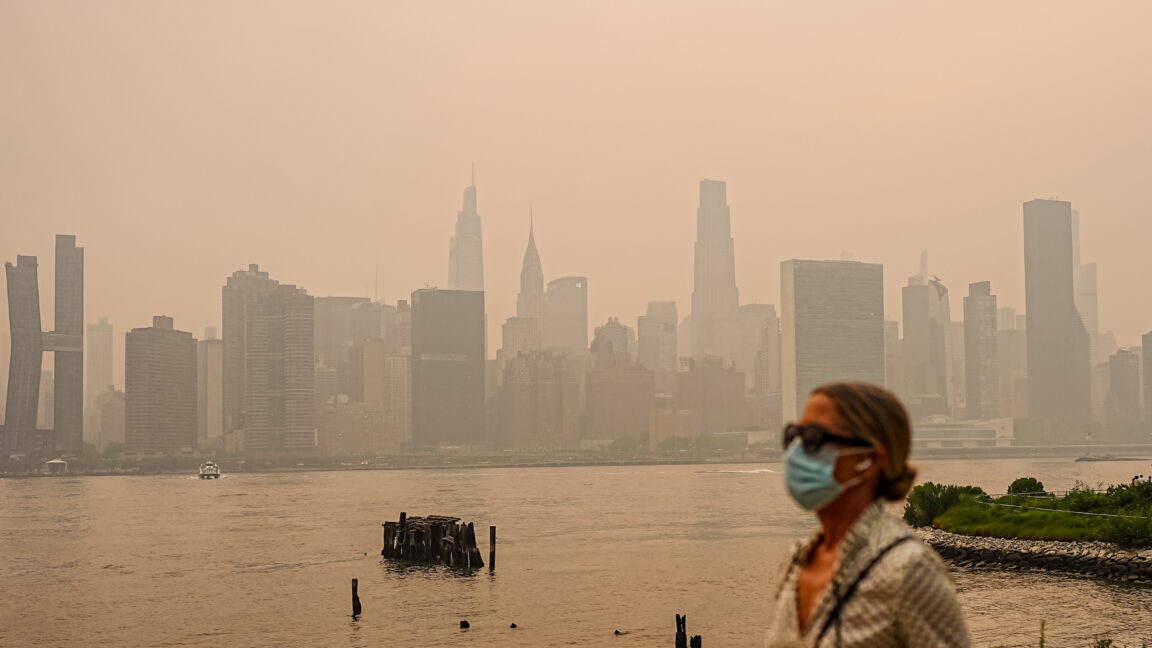
But mounting evidence shows that pollution from wildfire smoke is eclipsing those air-quality gains. The unchecked burning of fossil fuels is creating warmer, drier conditions that make wildfires more intense and destructive, and blanket communities in toxic smoke that is more harmful than pollution from other sources.
Read full article

Comments

Β© Anadolu / Contributor

  •  

Tracking extreme heat by the hour makes climate change seem even worse

Global warming is leading to more extremely hot weather. There is perhaps no more obvious consequence of climate change. But changing how we analyze this problem can still help scientists think about it in a different way that may yield surprises.

Generally, studies on heat extremes work with some combination of daily minimum, maximum, and mean temperatures. Sometimes they focus on multi-day heatwaves using those metrics, since the discomfort and health impacts increase for longer events. There are different thresholds you can use to define extreme heat in these analyses, either based on past statistics or on the human body’s physiological limits.

A new study led by Weilin Liao and Xuanzong Zhang at Sun Yat-sen University tried breaking down heat extremes to the hourly level instead, which reveals some interesting nuances.

Read full article

Comments

Β© invizbk/Getty Images

  •  

Mount Toba eruption doesn't seem like it could nearly kill our species

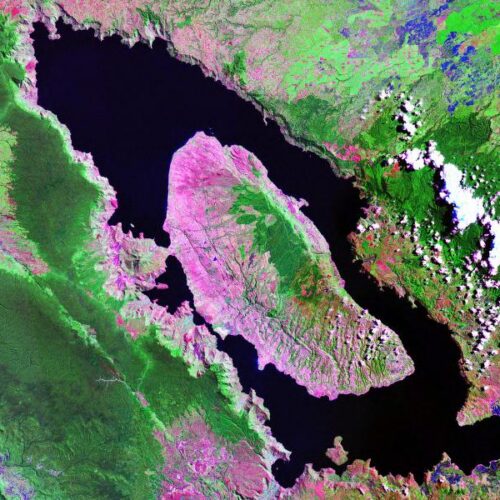
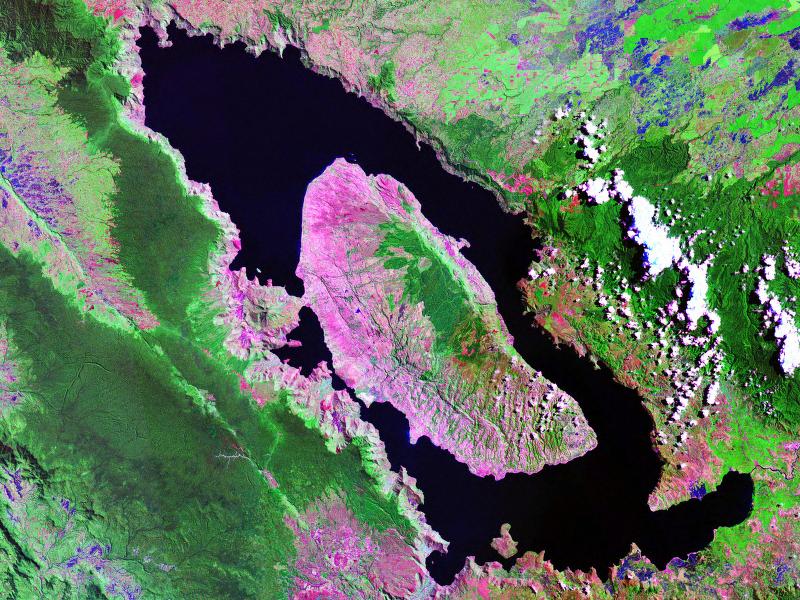
Mount Toba was the biggest volcanic eruption in the last 2.6 million years, and some have suggested it nearly wiped out humanity. Around 74,000 years ago, a caldera on what is now Sumatra emptied thousands of cubic kilometers of magma in about two weeks, roughly a thousand times more than Mount Pinatubo spewed out in 1991. β€œPeople thought it might have caused massive cooling of the planet, and hence threatened the survival of our ancestors,” says Jinheum Park, a geoscientist at Johannes Gutenberg University in Mainz, Germany.

Park and his colleagues went looking for the records of that catastrophe in the mud taken from the bottom of a small crater lake on the Kenya-Tanzania border. They found instead that the effects of the Mount Toba eruption lasted under two years and amounted to perhaps half a degree of cooling.

Muddy calendars

Volcanic eruptions inject sulfur dioxide into the stratosphere, where it becomes a haze of tiny droplets that reflect sunlight back into space. Bigger eruptions eject more sulfur dioxide and, in principle, cause more cooling. But this trend stops working when the eruption exceeds a certain magnitude. β€œBigger sulfate aerosols settle quickly, because they are heavier,” Park explains. This quick settling makes them less effective in scattering incoming solar radiation.

Read full article

Comments

Β© Wikimedia Commons

  •  
❌