Reading view

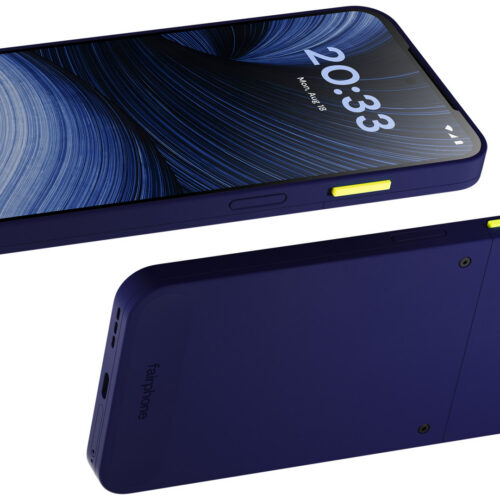
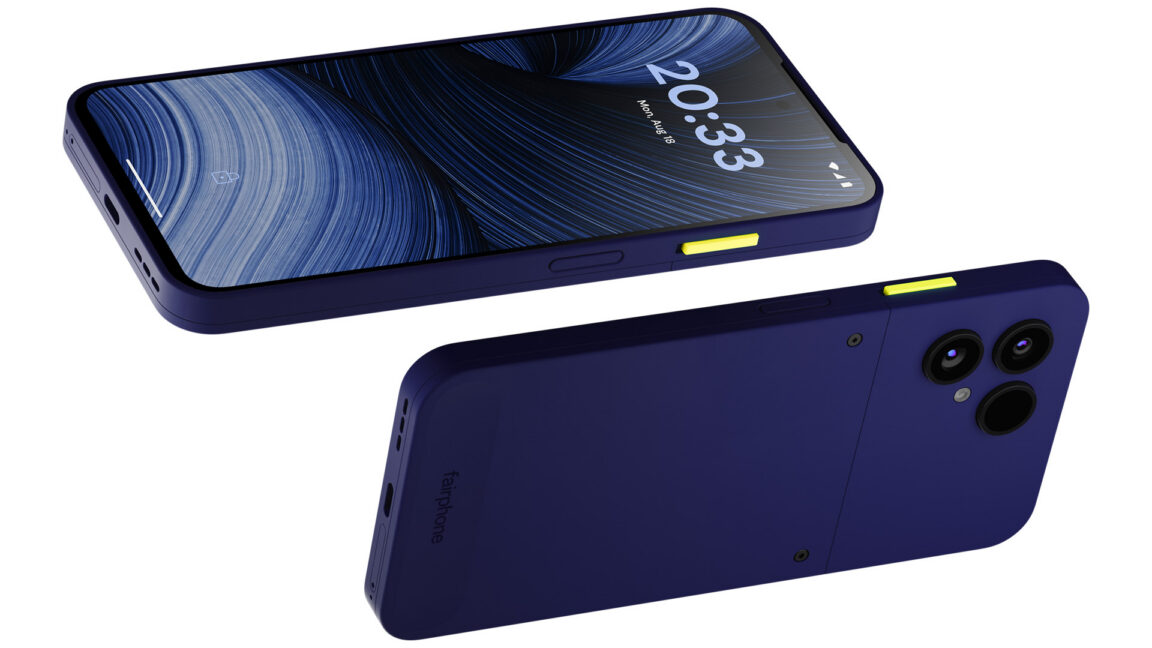
Fairphone's latest repairable phone is finally available in the US for $650

As smartphone designs have become more refined, they've also become less repairable. Fairphone bucks that trend, offering devices that can be fully disassembled and serviced using a single screwdriver. But its devices were a pain to get in the US until now.

The Dutch company has launched the Fairphone Gen 6+ in the US, offering not only the phone but a full line of accessories and replacement parts so you can keep your phone running for years. And yes, the battery is removable.

Don't expect the Fairphone Gen 6+ to blow you away in the spec department—it focuses on being repairable and paying workers a fair wage. Half of the phone is made from recycled materials, and it has a microSD card slot. How retro.
Read full article

Comments

© Fairphone

  •  

Google reveals 2026 hardware lineup: Pixel 11, Pixel Watch 5, and Pixel Tag

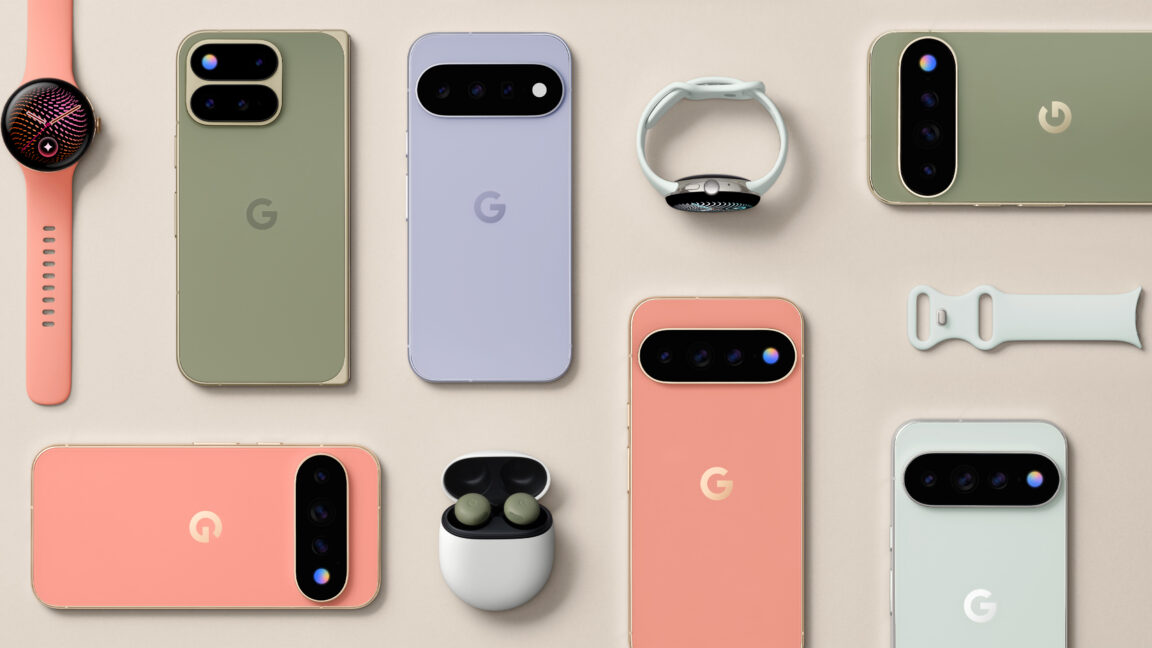
Google has revealed its Pixel phone hardware for 2026, and you won't be surprised. The Pixel 11 series looks a lot like last year's lineup, featuring an evolution of the design Google adopted with the Pixel 9. There are some minor tweaks, a few new hardware goodies, and yes, even more Gemini-powered AI. The new phones are joined by an updated Pixel Watch 5 with much the same story, as well as Google's first in-house tracker device, the Pixel Tag. And you can place orders for all of Google's new hardware today.

The Pixel 11 series is clearly the star of the show. You might even call it the highlight—or HiLight. Just as the leaks predicted, Google's most notable hardware innovation for the 2026 Pixel phones is the return of the notification LED (sort of).

The new HiLight feature is available on the Pro phones, so the base model Pixel will remain unilluminated. HiLight consists of a ring of RGB LEDs inside the flash assembly on the back of the phone. It lights up when you're talking to Gemini, so you don't have to look at the screen of your phone to know you've been heard or that the AI is working. Thus, it makes the most sense when the phone is lying face down.

Read full article

Comments

© Google

  •  

Google plans to exempt sanctioned nations from Android developer verification

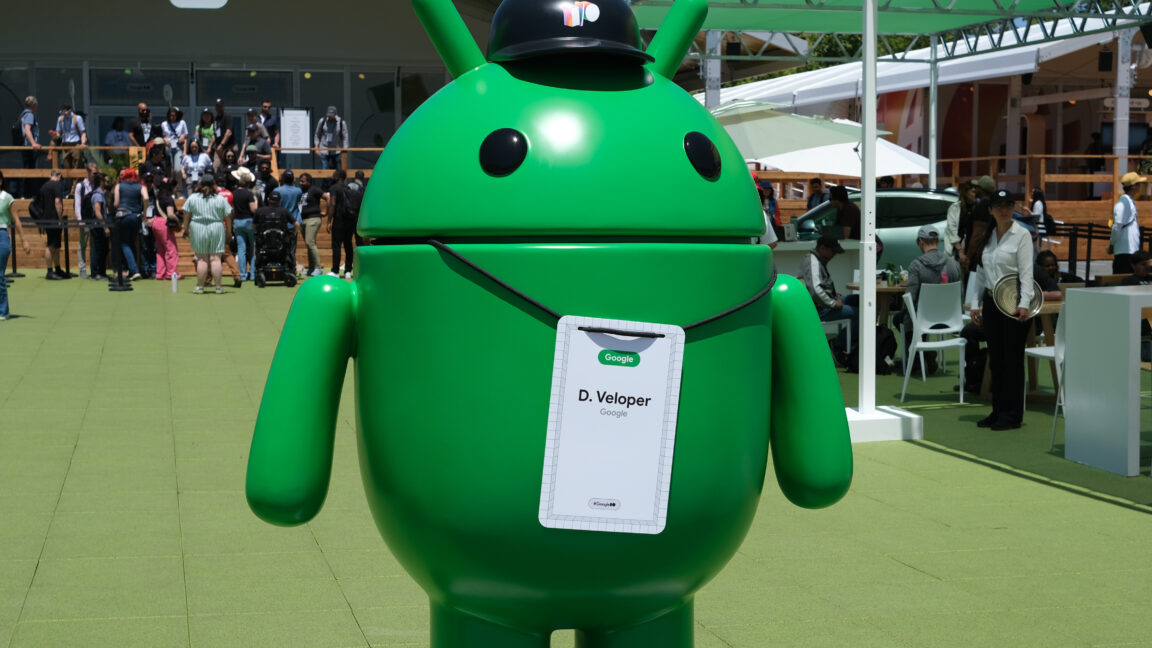
We are a month away from the initial rollout of Google's Android developer verification system, which requires developers outside the Play Store to verify their identities, just like it does for devs publishing on its platform. The company contends this policy does not impinge on the platform's open nature. Still, the restrictions will be a big change, and there are still some unanswered questions. An issue that has come up repeatedly in the run-up to verification is what will happen to devs who can't verify because of where they live. It turns out that Google has a cryptic answer for that buried in an FAQ.

Developer verification will soon block the installation of apps from unverified developers on any Android device running Google services, which is functionally all Android phones outside Russia and China. Developers who want to keep releasing software, even if it's not in the Play Store, have to provide Google with their ID and pay a small fee.

But what if you're an Android developer living in a sanctioned nation? Currently, the US sanction list includes Iran, Cuba, North Korea, and occupied areas of Ukraine. Given the current uncertain state of US foreign policy, that list could change in the future. Google doing any business with developers in those places is a thorny issue, and it seems like the company has decided to just leave them hanging.

Read full article

Comments

© Ryan Whitwam

  •  
❌