Reading view

The floodgates are open after another Chinese company lands a reusable rocket

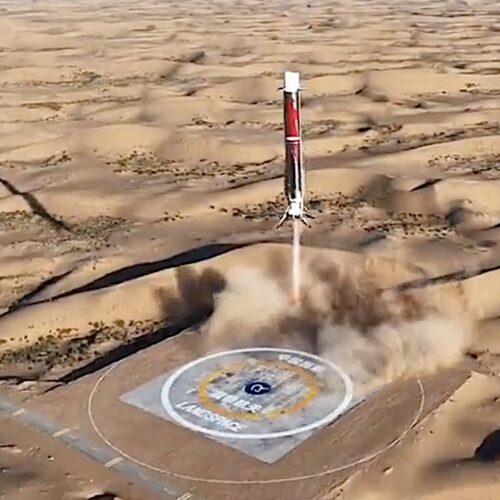
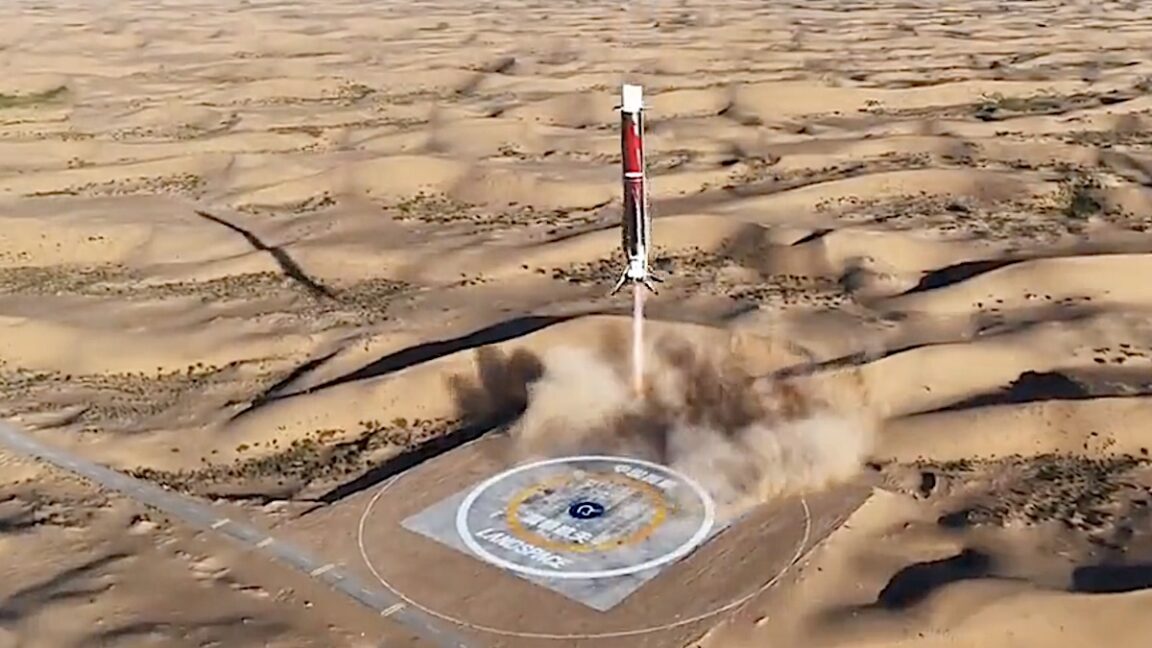
It has been a little more than a month since China recovered an orbital-class rocket booster for the first time. A second launch operator accomplished a similar feat Tuesday in another sign of China's growing launch capability.

It took 10 years for a second US launch company, Blue Origin, to propulsively land an orbital-class booster after SpaceX did it with the Falcon 9 rocket in 2015. SpaceX has since added a second reusable rocket to its fleet with Starship and its Super Heavy booster. Perhaps a third American company will join SpaceX and Blue Origin's club in 2027. Rocket Lab, Stoke Space, Relativity Space, and Firefly Aerospace—working in partnership with Northrop Grumman—are working on reusable rockets that could make their first flights in the next couple of years.

A similar number of launch companies are working on reusable rockets in China. Some of them operate under the auspices of the sprawling state-owned China Aerospace Science and Technology Corporation (CASC). Others are more commercial in nature, driven by capital investment from private industry.
Read full article

Comments

© LandSpace

  •  

The United States is about to wake up to the threat from China's space program

There are generally two schools of thought in the Western space community when it comes to the prospect of China landing humans on the Moon in the next few years and very possibly beating NASA and the United States in its efforts to return astronauts there.

Many people will ask what the big deal is. After all, NASA won the space race to the Moon nearly six decades ago, when Apollo 11 landed there. That it took so long for anyone else to follow speaks to the magnitude of the US achievement, they might say.

But others have a starkly different opinion. A dominant storyline of the 21st century has been the economic and geopolitical rise of China, and what was once a unipolar world now has two large nations vying for supremacy across a number of fronts. One is space. If China can land humans on the Moon before the United States returns, it will represent a huge geopolitical win. From a propaganda standpoint, it will allow China to declare that it has not just caught up to the United States but surpassed it as this century's superpower.

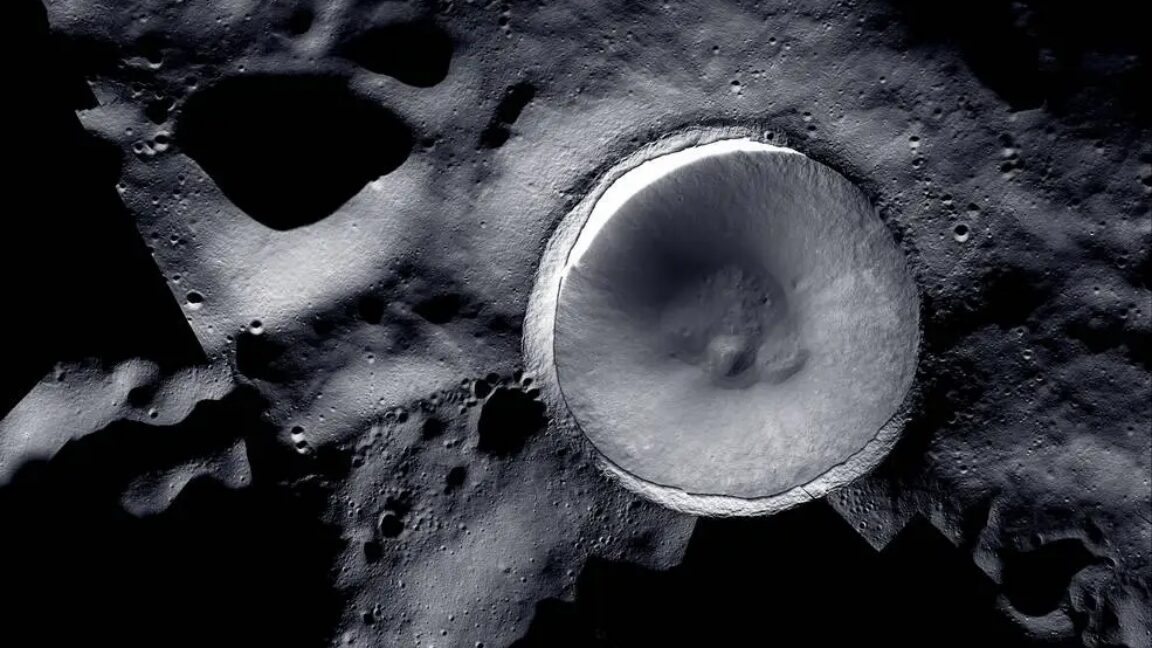
Read full article

Comments

© NASA/KARI/ASU

  •  

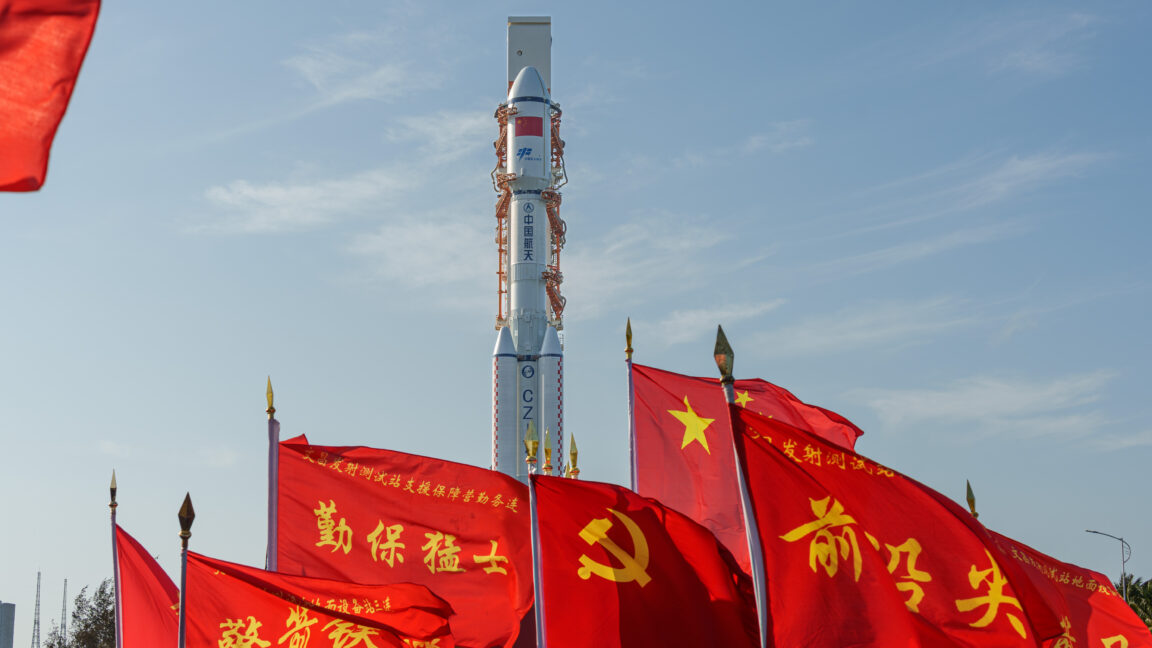
One of China's workhorse rockets just exploded in flight

One of China's most used rockets, the Long March 7A, exploded a little more than a minute after lifting off on Monday evening, local time.

The medium-lift rocket's payload was classified, but it was believed to be a military communications satellite. The rocket's liftoff from Wenchang Space Launch Site appeared to be nominal, but publicly captured videos (such as this one) showed that the rocket's first stage exploded about 1 minute and 20 seconds into flight.

The Long March 7A rocket was developed by the China Aerospace Science and Technology Corporation and is operated by the state's space agency. As of Monday night in China, state officials have not commented on the explosion.

Read full article

Comments

© Li Zhenzhou/VCG via Getty Images

  •  

ByteDance trains massive AI model in bid to rival Anthropic

ByteDance is training an AI model that could approach the size of Anthropic’s most cutting-edge Mythos system, as Chinese companies continue to narrow the gap with the top US labs.

The Chinese tech giant is at an early stage of training a model with as many as 10 trillion parameters—three times larger than Moonshot’s Kimi K3, the biggest Chinese model released to date, according to three people with knowledge of the matter.

The ByteDance model is being pre-trained—a stage that typically takes three to six months—before it is fine-tuned and released if all goes well, one of the people said. The exact model size would only be determined at a later stage.

Read full article

Comments

© Ore Huiying/Bloomberg

  •  
❌