Reading view

Rocket Report: SpaceX makes its mark on the Moon; ULA names new boss

Welcome to Edition 9.07 of the Rocket Report! China's workhorse Long March rocket family appears to be rebounding quickly from a rare launch failure August 10. Chinese officials have not publicly released any information on what may have caused the Long March 7A rocket to break apart less than 90 seconds after liftoff, but the rocket's use of YF-100 engines initially raised questions about the failure's impact on other Chinese rockets that use the same type of engines. But no biggie. YF-100 engines returned to flight six days later with the successful flight of a Long March 12 rocket, and the heavy-lift Long March 5—also with YF-100 engines—is set to launch in a few days with one of China's most important space missions of the decade: the Chang'e 7 lunar lander en route to the Moon's south pole.

As always, we welcome reader submissions. If you don't want to miss an issue, please subscribe using the box below (the form will not appear on AMP-enabled versions of the site). Each report will include information on small-, medium-, and heavy-lift rockets, as well as a quick look ahead at the next three launches on the calendar.

Trouble in Taiwan. A prototype for a future satellite launch vehicle developed by Taiwan's top weapons manufacturer veered off course shortly after liftoff Wednesday, Taiwan's Central News Agency reports. The "trajectory anomaly" prompted the activation of the rocket's self-destruct mechanism. The government agency responsible for the test flight, the National Chung-Shan Institute of Science and Technology (NCSIST), reported no injuries or property damage. Debris from the rocket fell into a planned safety control zone near the southern tip of Taiwan.

Read full article

Comments

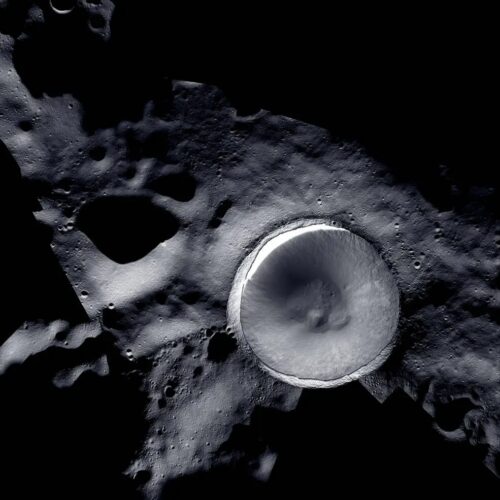
© NASA/Goddard Space Flight Center/Intuitive Machines
  •  

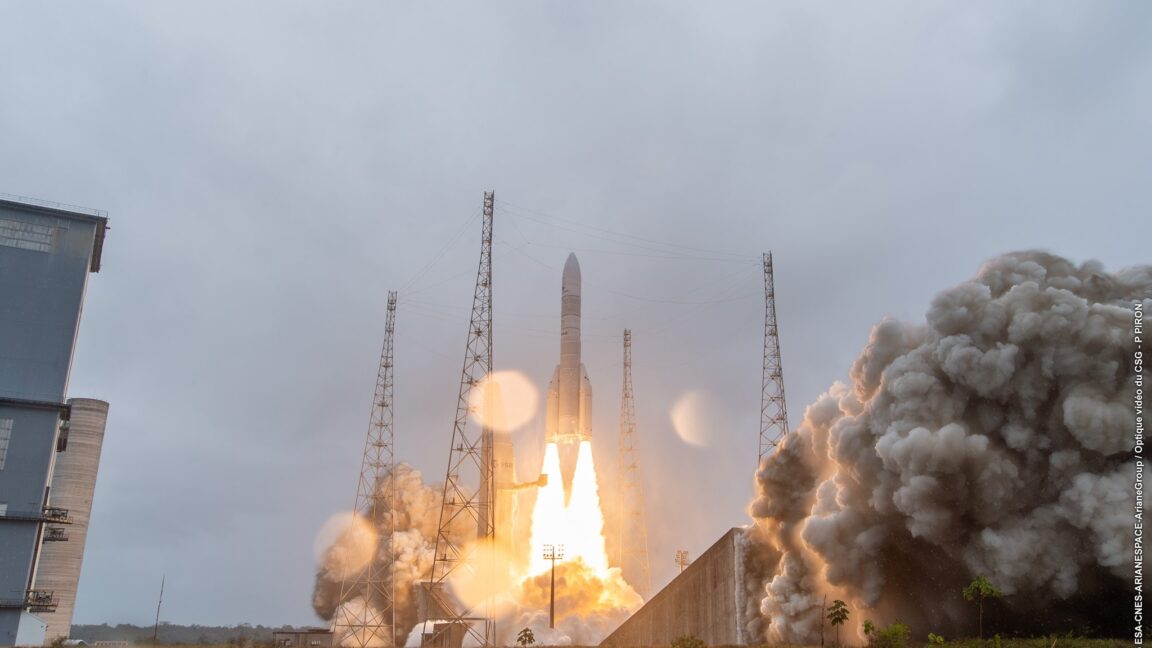
Europe cancels planned upgrades for Ariane 6 rocket

In the two years since it made a largely successful debut, Europe's Ariane 6 rocket has launched eight missions, all of which reached orbit safely.

The large, expendable rocket has a capacity of more than 20 metric tons to low-Earth orbit. And to the credit of European rocket scientists and planners, the Ariane 6 has had a substantially smoother rollout than comparable vehicles in the United States—Blue Origin's New Glenn and United Launch Alliance's Vulcan rockets—both of which have had significant growing pains.

However, even though the Ariane 6 rocket has had a successful debut, its future is clouded by high costs.

Read full article

Comments

© ESA-CNES-Arianespace-P. Piron

  •  

SpaceX’s orbital data centers would create a new category of e-waste

Elon Musk’s talk about maintaining a million-strong AI data center satellite megaconstellation may not exactly be practical or economical, but it might be unique. It’s about the closest we’ve come to confronting a scheme that would export a considerable amount of valuable materials into space. Humans aren’t doing a great job of material sustainability, but normally we’re talking about stuff escaping a recycling pipeline rather than escaping Earth’s gravitational pull.

The commercial space sector likes talking about the allure of mining asteroids for precious metals to bring back to Earth. Under what circumstances are we going to be willing to do that in reverse? Starlink alone has doubled the mass of objects in low-Earth orbit, and this orbital data center constellation would dwarf that—and dispose of at least some satellites by pushing them away from Earth.

Given the roughly five-year expected lifetime for data center GPUs, about 200,000 of the 1 million proposed SpaceX AI1 satellites would be decommissioned each year. Based on their May 29 FCC filing, about 40,000 would definitely deorbit and burn up in the atmosphere. (Those materials would largely be dispersed throughout the atmosphere, turning a resource into a diffuse contaminant that slowly settles over the globe. One related issue: the aluminum would cause an unknown amount of ozone depletion over a period of decades.) Some or all of the remaining 160,000 satellites would be moved outward into a distant “disposal” orbit, instead. Either way, they're lost from a "material life cycle" point of view.

Read full article

Comments

© Aurich Lawson | Getty Images

  •  

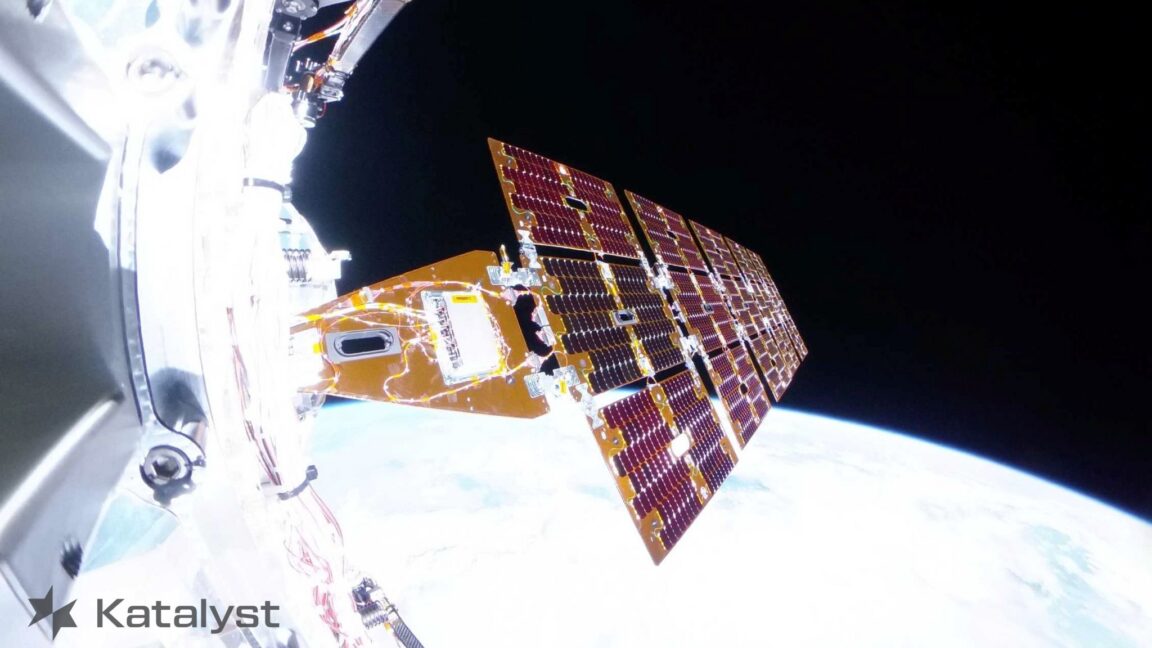
NASA calls off mission to rescue Swift gamma-ray observatory

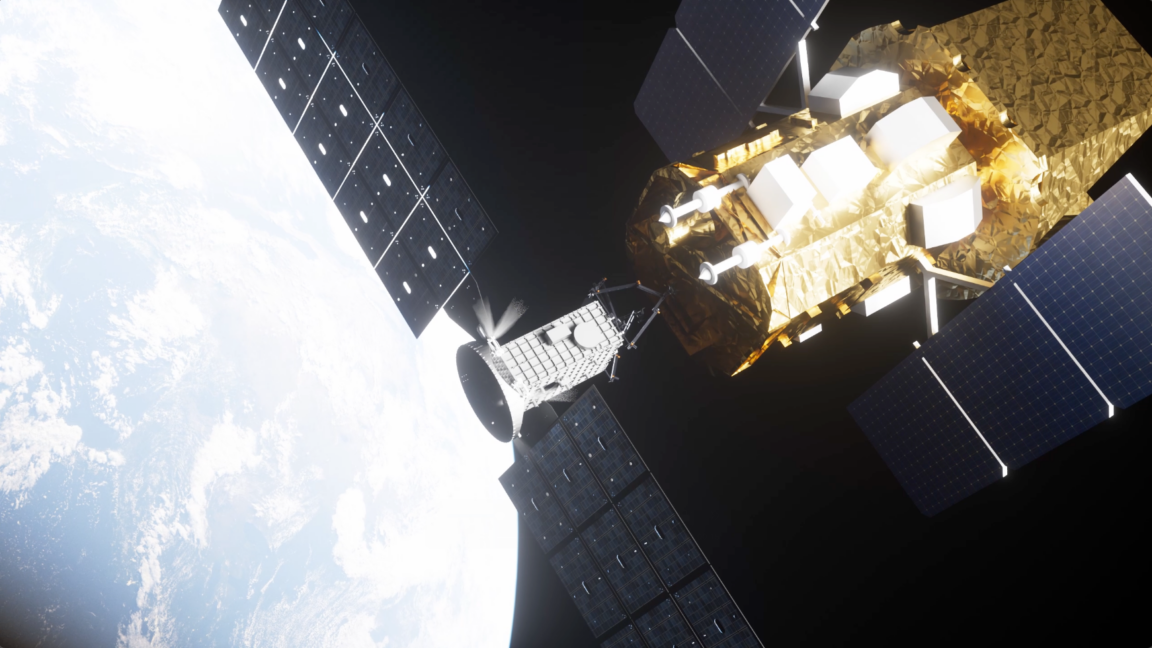
NASA and Katalyst Space Technologies announced Wednesday they are giving up on a robotic mission to rescue the Swift gamma-ray telescope before it falls out of orbit.

The rescue satellite, named Link, launched July 3 on a journey to fly up to NASA's Neil Gehrels Swift Observatory, capture it with three robotic arms, and boost its orbit high enough to escape a looming reentry. Link is about the size of a refrigerator, with two power-generating solar arrays and three xenon-fueled electric thrusters to send Swift into a safer, higher orbit.

Katalyst, the startup leading the Swift rescue effort, said Wednesday that "ongoing attitude control issues" will prevent the Link satellite from completing its rescue mission. The spacecraft is still alive, and Katalyst said it will make the most of Link's remaining capacity, which may still allow it to get near enough to Swift for a demonstration of the satellite's close-in navigation system.

Read full article

Comments

© Katalyst Space Technologies

  •  

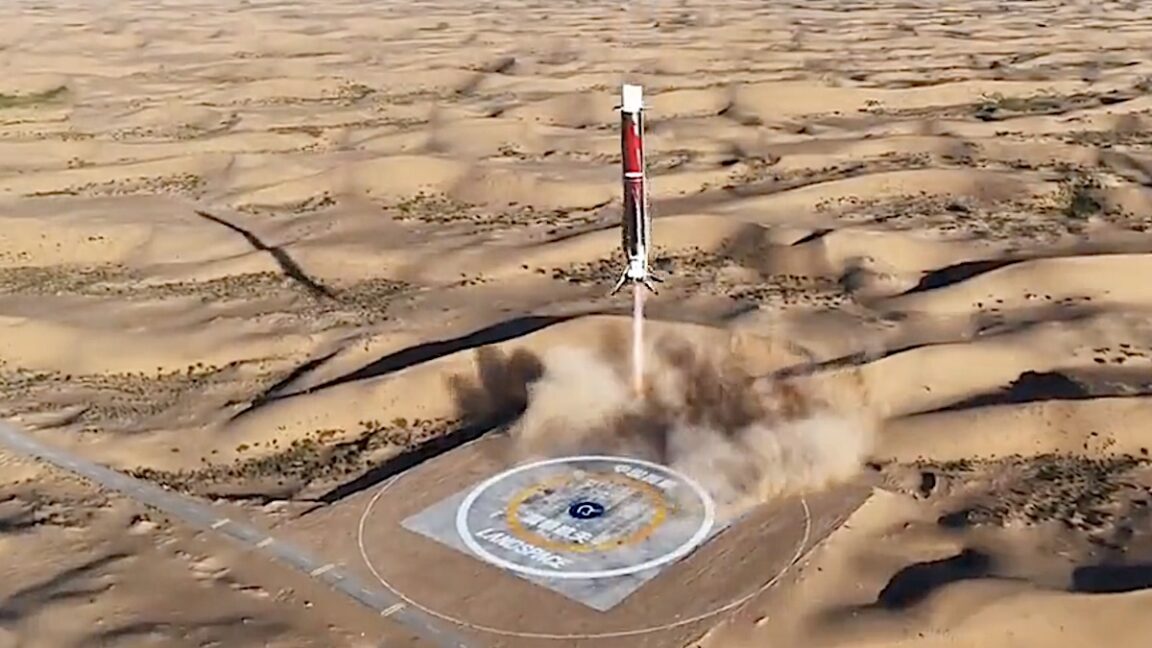
The floodgates are open after another Chinese company lands a reusable rocket

It has been a little more than a month since China recovered an orbital-class rocket booster for the first time. A second launch operator accomplished a similar feat Tuesday in another sign of China's growing launch capability.

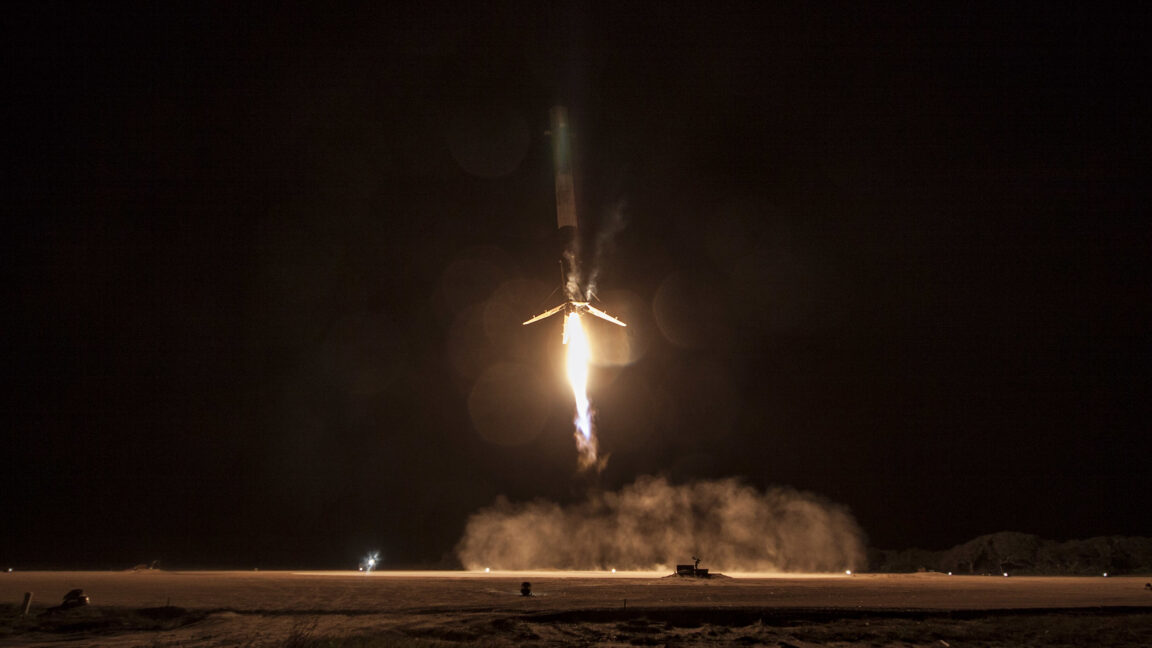
It took 10 years for a second US launch company, Blue Origin, to propulsively land an orbital-class booster after SpaceX did it with the Falcon 9 rocket in 2015. SpaceX has since added a second reusable rocket to its fleet with Starship and its Super Heavy booster. Perhaps a third American company will join SpaceX and Blue Origin's club in 2027. Rocket Lab, Stoke Space, Relativity Space, and Firefly Aerospace—working in partnership with Northrop Grumman—are working on reusable rockets that could make their first flights in the next couple of years.

A similar number of launch companies are working on reusable rockets in China. Some of them operate under the auspices of the sprawling state-owned China Aerospace Science and Technology Corporation (CASC). Others are more commercial in nature, driven by capital investment from private industry.

Read full article

Comments

© LandSpace

  •  

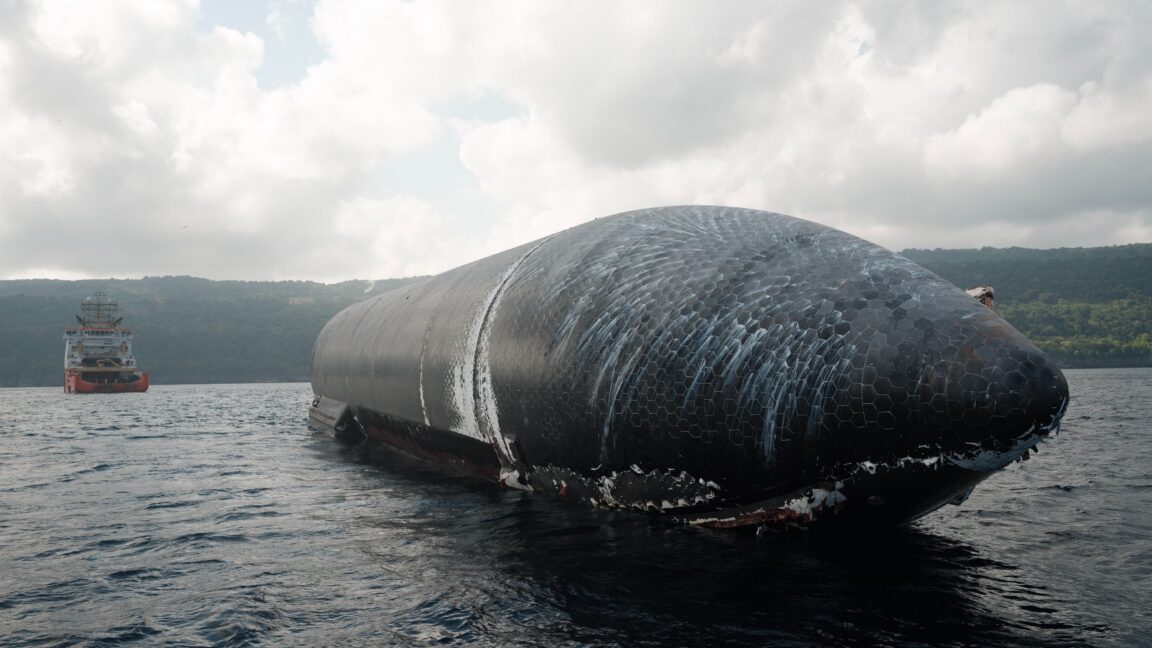
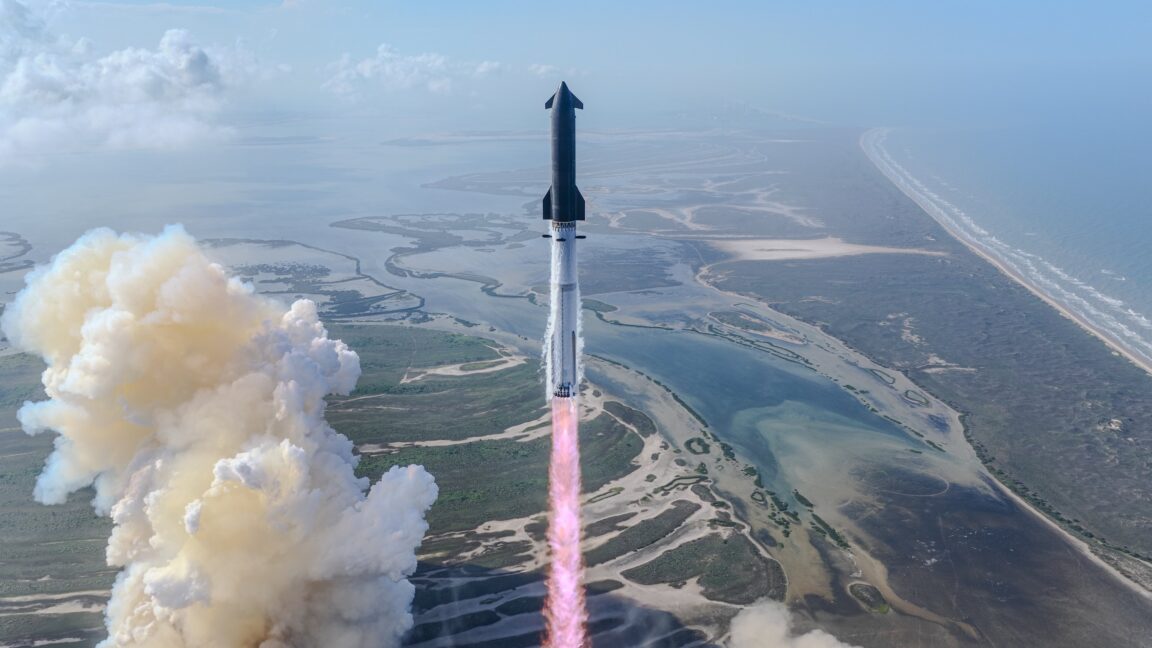
Against all odds, SpaceX finally tugs Starship into port after 24 days at sea

SpaceX's most recent Starship test flight may have ended July 24, but its mission isn't over yet.

The spacecraft splashed down in the Indian Ocean intact after flying halfway around the world from SpaceX's launch base in South Texas. Engineers expected the ship's life to end with a fiery disintegration after toppling over, just as past Starships have done following splashdown.

Numerous onboard sensors and cameras, along with buoys and drones in position at the splashdown zone, have provided important data for SpaceX to assess the performance of the ship's heat shield after each test flight, so officials accepted the post-flight conflagrations. That day, Starship tipped over and remained intact, surprising just about everyone.

Read full article

Comments

© SpaceX

  •  

The United States is about to wake up to the threat from China's space program

There are generally two schools of thought in the Western space community when it comes to the prospect of China landing humans on the Moon in the next few years and very possibly beating NASA and the United States in its efforts to return astronauts there.

Many people will ask what the big deal is. After all, NASA won the space race to the Moon nearly six decades ago, when Apollo 11 landed there. That it took so long for anyone else to follow speaks to the magnitude of the US achievement, they might say.

But others have a starkly different opinion. A dominant storyline of the 21st century has been the economic and geopolitical rise of China, and what was once a unipolar world now has two large nations vying for supremacy across a number of fronts. One is space. If China can land humans on the Moon before the United States returns, it will represent a huge geopolitical win. From a propaganda standpoint, it will allow China to declare that it has not just caught up to the United States but surpassed it as this century's superpower.

Read full article

Comments

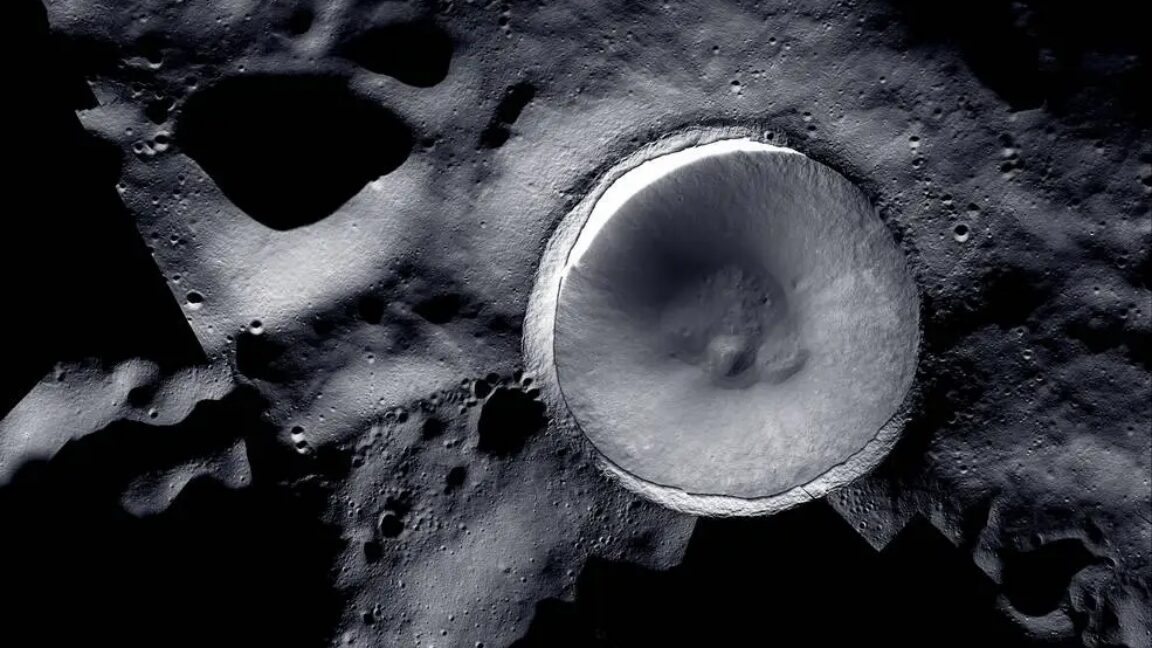
© NASA/KARI/ASU

  •  

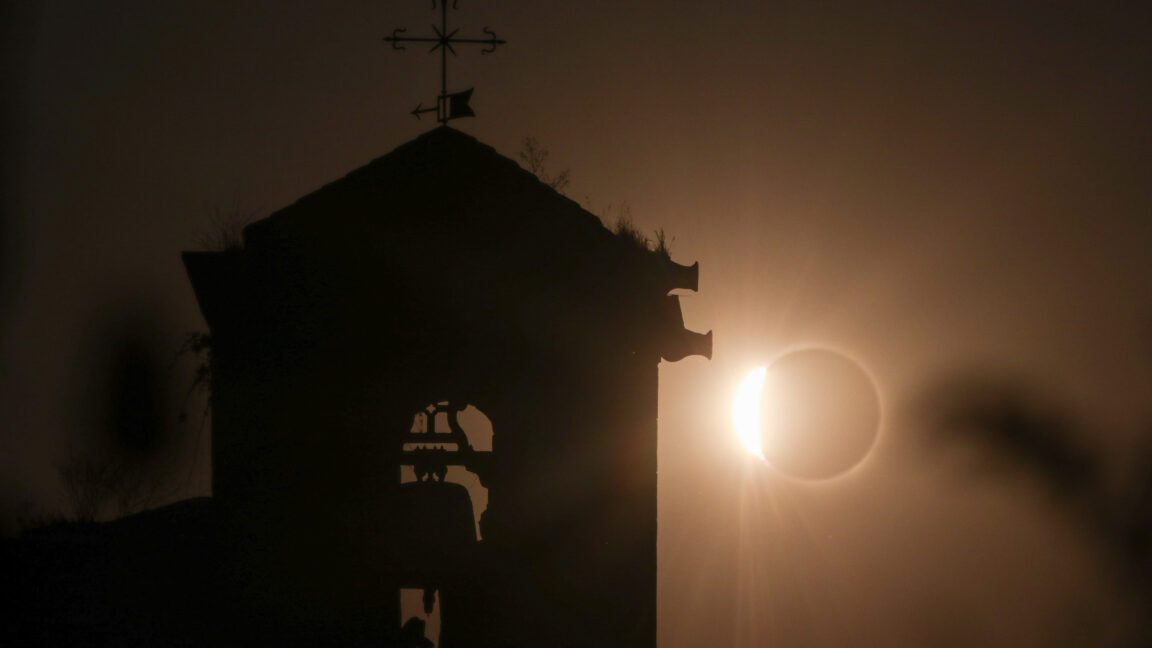
The Moon's shadow raced across the heart of Spain, and I was there to see it

DURATÓN, Spain—I'll say it: I'm hooked. Standing in the shadow of the Moon is one of the rarest opportunities to directly sense the mechanics of our Solar System, when the dance between three celestial bodies slides into perfect alignment. It's a mathematical miracle whose rarity and grandeur are made possible by the relative sizes and distances of the Moon and the Sun from Earth. Not every planet is so lucky.

The Moon's shadow crisscrossed the American heartland twice in less than seven years, first in 2017 and again in 2024. I was fortunate to witness both. The experiences left me too impatient to wait for the next total solar eclipse in the continental United States in far-off 2044.

That's what pulled me to the plains of north-central Spain last week. This land of wide open spaces, ancient churches and castles, and vast sunflower fields, all baking under the blinding August Sun, seemed like the perfect location to enter the path of totality. The ongoing drought in Spain has turned the country's fields and forests into a tinderbox, but those conditions made for ideal eclipse viewing.

Read full article

Comments

© Stephen Clark/Ars Technica

  •  

Satellite operators are in panic mode due to a worsening launch crisis

This should be a golden era of launch.

During the last three years, an average of 270 orbital rockets have launched from Earth, a more than threefold increase from only a decade ago. By every metric available, the launch industry is crushing it: Prices have never been more competitive, launches never more frequent, and access to space never more rapid.

Paradoxically, though, there is a growing crunch in launch availability.

Read full article

Comments

© SpaceX

  •  

Ukraine strikes major Russian rocket factory with cruise missiles

Ukrainian President Volodymyr Zelenskyy confirmed on Saturday that his country struck the Progress Rocket Space Center deep within Russia using ground-launched cruise missiles.

"In Russia’s Samara region, one of the key enterprises within Roscosmos—the Progress Center, which was involved, among other things, in electronics production–was hit," Zelenskyy said on the social media site X. "Flamingo missiles were used. A good achievement."

The largest city in the Samara Oblast, about 900 km from the Ukrainian border, Samara is home to Russia's most important manufacturer of rockets. The Progress Center assembles the workhorse vehicle for Russia, the Soyuz-2 vehicle, as well as the newer Soyuz-5 rocket. The facility also builds military satellites.

Read full article

Comments

© Roscosmos

  •  

First test flight of largest all-electric aircraft used just $5 of electricity

The first flight of the largest battery-electric aircraft to take to the skies lasted nearly half an hour while costing just $5 of electricity. That aviation feat comes at a time when jet fuel prices have skyrocketed because of the US war with Iran.

The test flight of Heart Aerospace’s X1 demonstrator aircraft took place at Plattsburgh International Airport in upstate New York on August 12. The X1 aircraft is comparable in size to a small regional airliner and can achieve a maximum takeoff weight exceeding 25,000 pounds with the help of four wing-mounted electric motors. The battery-electric propulsion system delivered more than one megawatt of power during the maiden flight.

All-electric aircraft can offer quieter and cleaner flight without the emissions that come from burning jet fuel. They may also prove more reliably cost-effective than conventional aircraft that come with jet fuel costs subject to geopolitical disruptions.

Read full article

Comments

© Heart Aerospace

  •  

Policy experts: Europe stuck between "rock and a hard place" on launch

A decade ago, SpaceX began to land the first stages of the Falcon 9 rocket with some regularity, but it's only within the last five years that the company has begun flying the rocket dozens and then hundreds of times a year.

As a result, SpaceX has very rapidly become responsible for more than three-quarters of all mass launched into orbit. Much of this is the company's Starlink satellites, but due to cost and the lack of alternatives, SpaceX has also stepped up to launch payloads from all comers, including direct competitors such as Amazon, Northrop Grumman, AST Space Mobile, OneWeb, and more.

New research is beginning to quantify just how much the introduction of the Falcon 9 rocket, the adoption of reuse, and the vehicle's high cadence have upended the global launch market.

Read full article

Comments

© SpaceX

  •  

Rocket Report: Rocket Lab shows off its flexibility; Blue Origin's two-pad plan

Welcome to Edition 9.06 of the Rocket Report! Rocket Lab made a lot of news this week with its quarterly update, and it is clear the company is making impressive progress as it becomes much more than a launch company. But at the end of the day, a lot of the company's success is predicated on the Neutron vehicle, and I'm not thrilled with Rocket Lab's ambiguity around its readiness. As a user on X noted, the company's language on Stage 2 being ready to ship to the launch site has not changed much in 12 months.

As always, we welcome reader submissions, and if you don't want to miss an issue, please subscribe using the box below (the form will not appear on AMP-enabled versions of the site). Each report will include information on small-, medium-, and heavy-lift rockets as well as a quick look ahead at the next three launches on the calendar.

Rocket Lab decides to get flexible. Rocket Lab plans to start launching its Electron vehicle even more frequently and flexibly, thanks to a new portable spaceport system called GHOST, Space.com reports. GHOST—short for "Global Hypersonic & Orbital Spaceport Technology"—turns the company's "Electron and HASTE rockets into a launch-anywhere, launch-anytime capability for multi-launch flight campaigns and critical national security missions," the company said this week.

Read full article

Comments

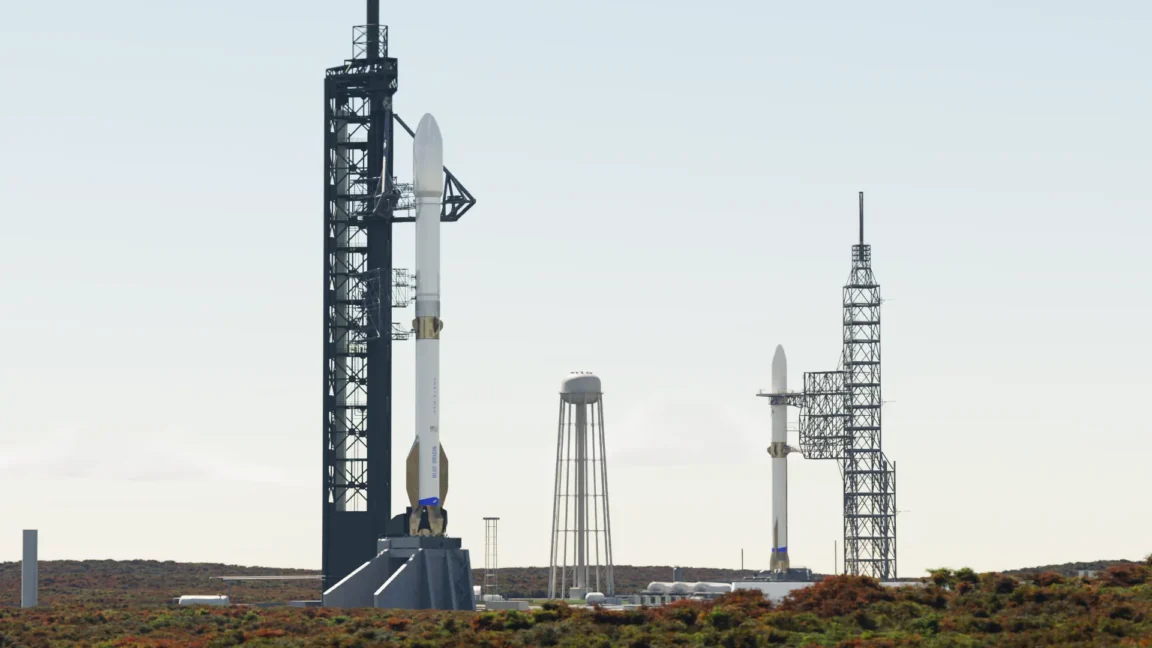
© Blue Origin

  •  

Virgin Galactic wants your help naming its new Delta class spaceship

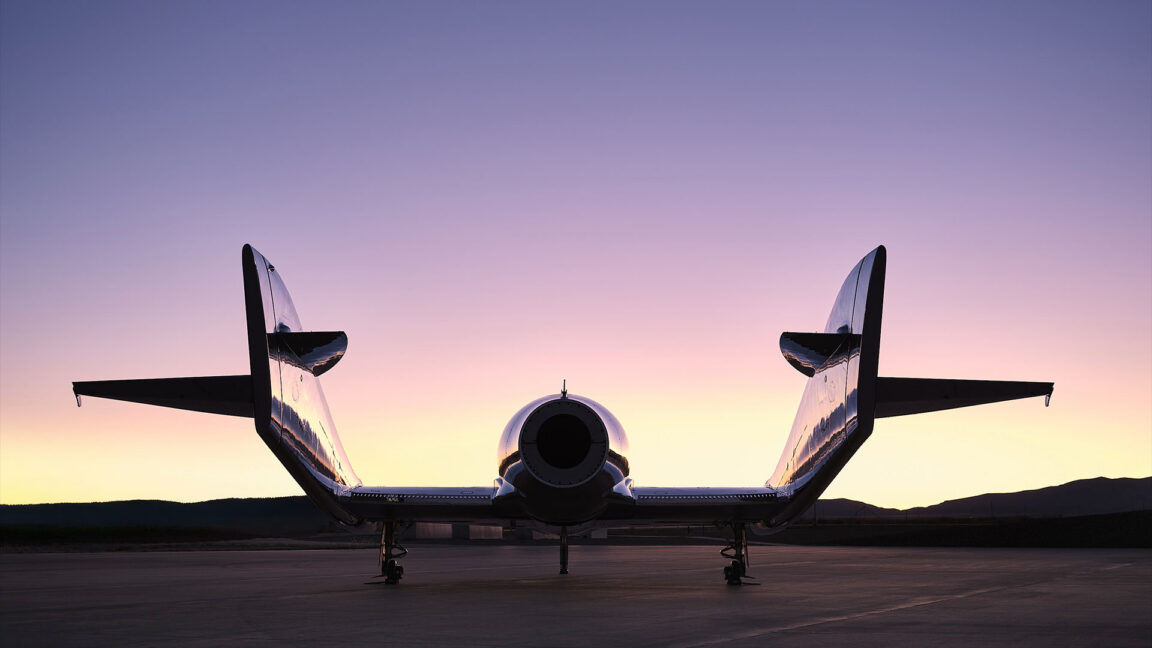
As Virgin Galactic nears christening the first of its next-generation spaceship designed to launch customers on suborbital flights, it still is missing a key component—a name.

The self-described "commercial spaceline," which was founded by British tycoon Richard Branson, has turned to the public to vote on what to call the new vehicle. The spaceplane will be a member of Virgin Galactic's Delta-class fleet, succeeding SpaceShipTwo, which carried Branson and 31 others on 12 short hops above the US-defined boundary between Earth and space.

"You can vote for one of four finalist names for a spaceship that will join Virgin Galactic's growing fleet and the next chapter in our journey to expand access to space," the company announced on its website on August 11. "Name a Virgin Galactic spaceship, shape a piece of spaceflight history."

Read full article

Comments

© Virgin Galactic

  •  

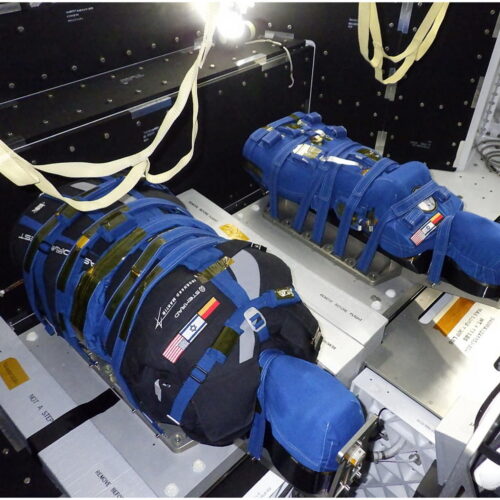
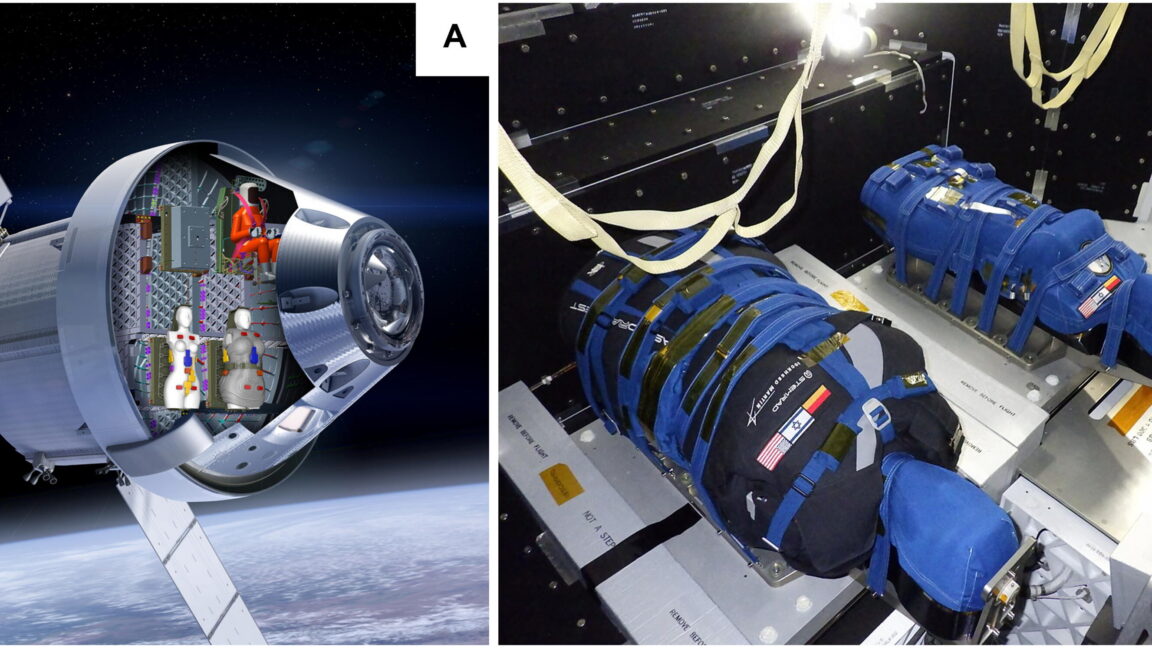
We've flown a radiation-blocking vest to the Moon and back, and it worked

Solar storms, like the one in August 1972 that hit during the gap between the Apollo 16 and Apollo 17 missions, throw bursts of protons intense enough to raise an astronaut's cancer risk or even cause radiation sickness. Earth's atmosphere and magnetic field absorb this radiation, but crews heading to the Moon or Mars won't have that protection, and no spacecraft built so far has enough shielding to stop it.

A team led by Jordan Houri and Oren Milstein of StemRad, an Israeli-American startup developing personal protective equipment against radiation, proposed that we could solve this by shielding the astronauts instead of shielding the spacecraft.

To test this idea, StemRad’s team flew a wearable radiation-shielding vest called AstroRad to the Moon and back aboard NASA's uncrewed Artemis I mission, then used the flight data to calculate how it would perform during an actual solar storm. It turns out the vest would perform roughly as well as the Orion’s heavily shielded onboard shelter the crew was supposed to hide in to wait out a storm.

Read full article

Comments

© NASA/Lockheed Martin/DLR

  •  

One of China's workhorse rockets just exploded in flight

One of China's most used rockets, the Long March 7A, exploded a little more than a minute after lifting off on Monday evening, local time.

The medium-lift rocket's payload was classified, but it was believed to be a military communications satellite. The rocket's liftoff from Wenchang Space Launch Site appeared to be nominal, but publicly captured videos (such as this one) showed that the rocket's first stage exploded about 1 minute and 20 seconds into flight.

The Long March 7A rocket was developed by the China Aerospace Science and Technology Corporation and is operated by the state's space agency. As of Monday night in China, state officials have not commented on the explosion.

Read full article

Comments

© Li Zhenzhou/VCG via Getty Images

  •  

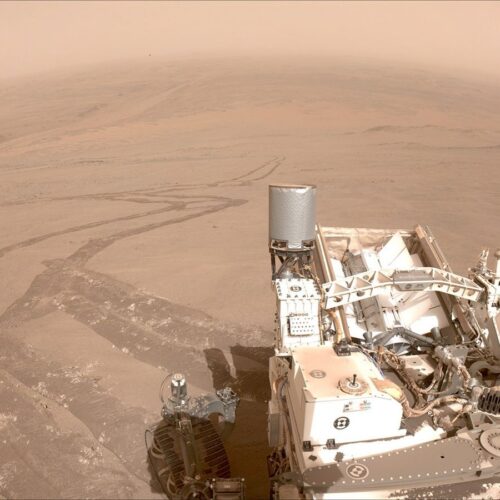
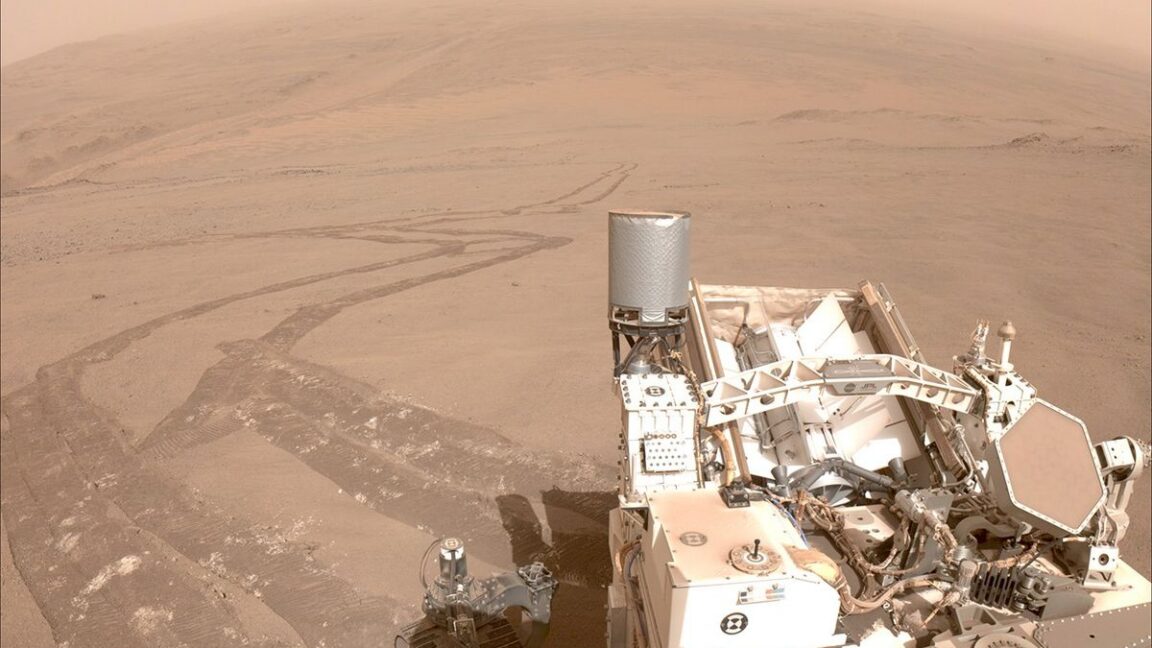
The first self-driving vehicle on Mars has proven to be a smashing success

Sometime next week, NASA's newest rover on Mars, Perseverance, will set a record for the most distance driven by any vehicle on another world.

The automobile-sized rover, which landed on Mars in February 2021, will traverse beyond 45.16 km (28.06 miles) across the Martian surface. In doing so it will break the previous distance record held by the long-lived Opportunity rover, which ceased communications with NASA in 2018.

So how did Perseverance reach this record-setting distance in just a third of the time?

Read full article

Comments

© NASA

  •  

Blue Origin narrowing in on root cause of catastrophic rocket accident

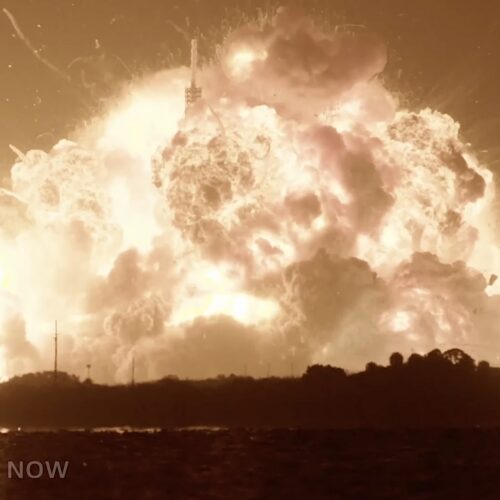
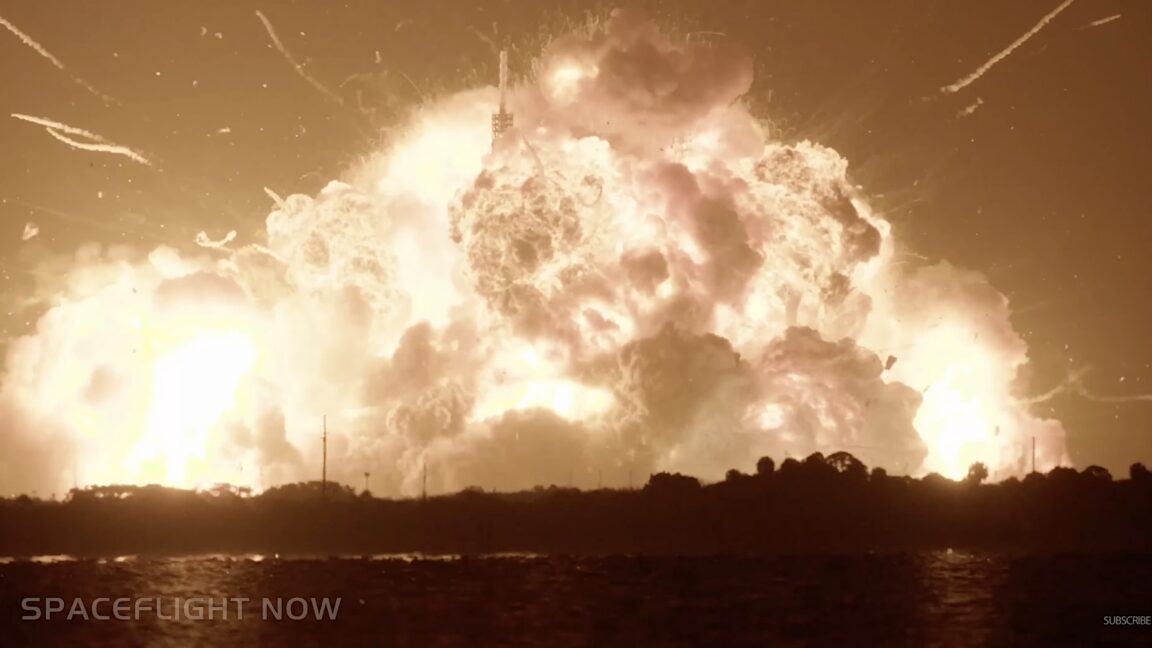
Blue Origin provided its first substantive update this week on the cause of the catastrophic loss of the New Glenn rocket and most of its launch pad infrastructure at Cape Canaveral, Florida, in May.

The space company's chief executive, Dave Limp, said investigative work is continuing into the anomaly that happened during a hot-fire test of the rocket during the evening of May 28, 2026. He confirmed, for the first time, widespread speculation that the problem started in one of the rocket's seven BE-4 engines that power the vehicle's first stage.
"The anomaly originated at the main oxygen valve on one of the BE-4 engines, which was later confirmed by hardware recovery and inspections," he said. "Extensive component-level and engine hotfire tests have been conducted to understand the failure mode better and inform mitigations."

Read full article

Comments

© Adam Bernstein/Spaceflight Now

  •  

SpaceX spooks investors with debut earnings report

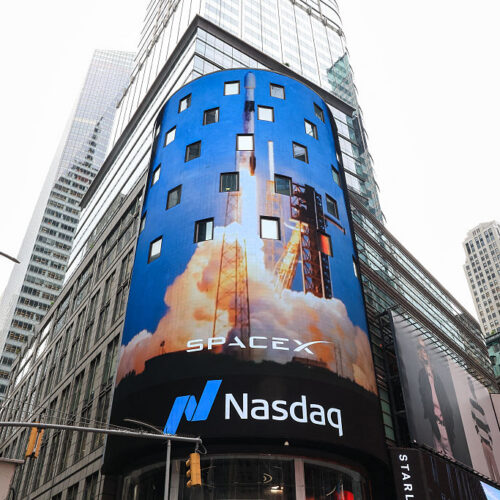
SpaceX shares dropped on Wednesday after Elon Musk’s plans for blockbuster spending to position his AI and rocket company as a data center developer spooked investors.
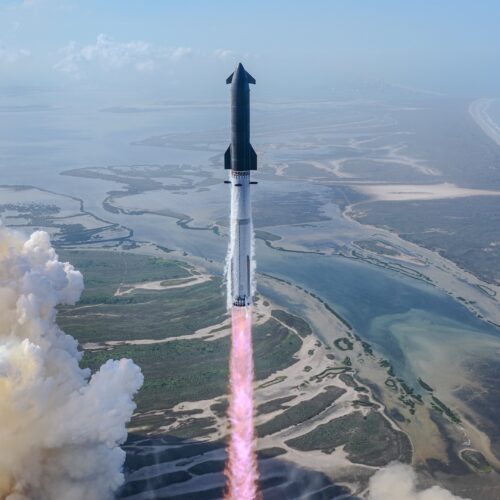
SpaceX surpassed analysts’ expectations in Tuesday’s debut earnings report, posting quarterly revenues of $7.8 billion, well above analysts’ estimates of $6.82 billion and up 92 percent from a year earlier. It posted a net loss of about $541 million, better than estimates of $2.12 billion.

But shares in SpaceX fell 10 percent in early trading after it reported capital expenditure of almost $16 billion on AI, double the previous quarter and well above Wall Street’s expectations. It said spending would persist at current levels for at least two more quarters.

Read full article

Comments

© Timothy A Clary/GEtty

  •  

Lego deploys Hubble Space Telescope as detailed desktop model

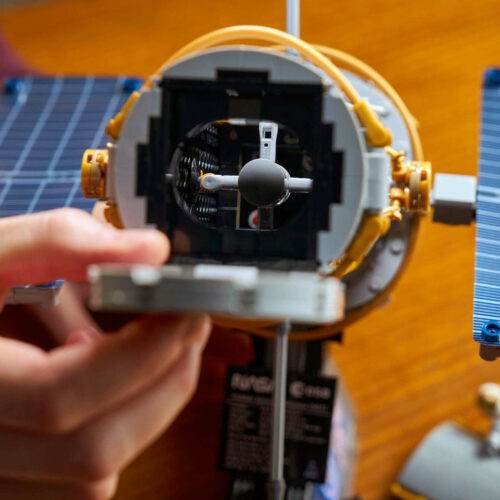
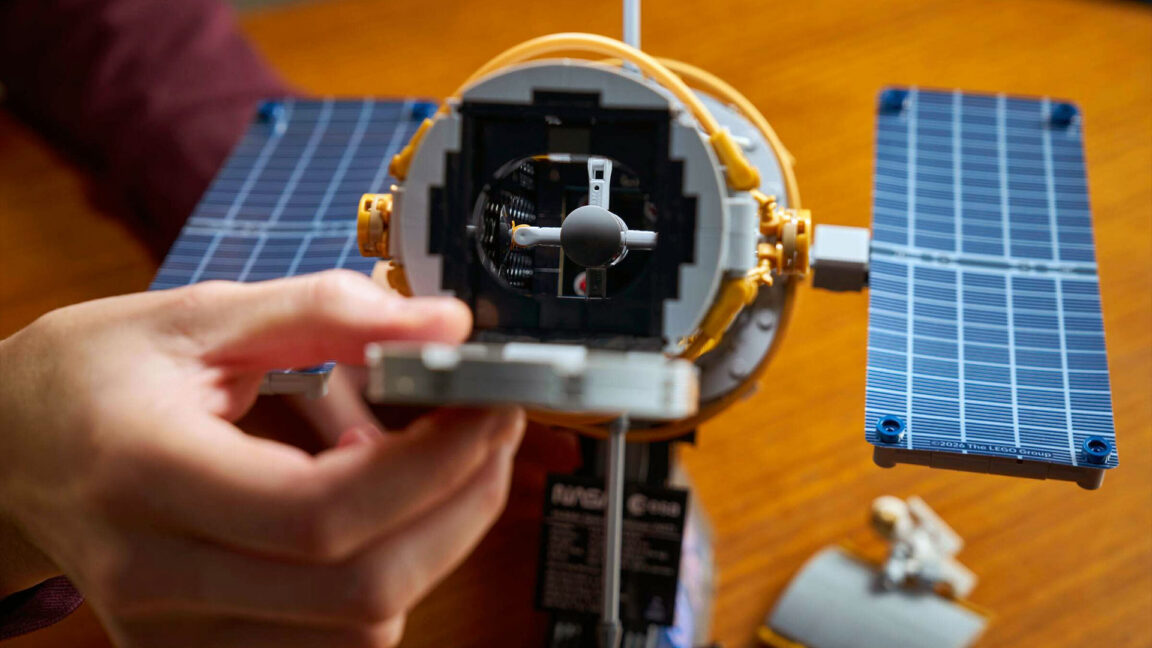
For 35 years, the Hubble Space Telescope has looked out into the Universe. Now, Lego is inviting builders to look inward with its latest model of the orbiting observatory.

The new Lego Icons Hubble Space Telescope (set no. 11382) was released on August 1 for $140 at the toy company's stores and its online shop. The 1,252-piece kit builds a 15-inch-long (38-cm) desktop model that is about twice as large as the previously released Lego Hubble models.

The Icons Hubble is the first to be sized in comparison to a Lego minifigure, such that the included astronaut provides a sense of scale for the telescope.

Read full article

Comments

© LEGO

  •  

SpaceX is set to acquire 130,000 acres of marshland in southern Louisiana

SpaceX and the state of Louisiana are close to finalizing a deal for the launch company to acquire about 130,000 acres along the northern coast of the Gulf of Mexico.

There have been persistent rumors about such an agreement for months, but now The Times-Picayune | The New Orleans Advocate reports that Louisiana Gov. Jeff Landry is expected to announce the agreement later this month.

The deal would give SpaceX control of an 18-mile stretch of marshland southwest of Lafayette. The site, known as Pecan Island, became available as part of a legal settlement that resolves dozens of lawsuits that blame ExxonMobil for pollution and coastal land loss, the newspaper reports.

Read full article

Comments

© SpaceX

  •  

Here's how engineers plan to save the satellite sent to save NASA's Swift mission

One week ago, more than 200 miles above the Earth, a refrigerator-size satellite making its way toward an attempted rescue of NASA's $500 million Swift gamma-ray observatory suddenly spun out of control.

It didn't look good. The spacecraft, named Link, was rotating on multiple axes, rendering it unable to maintain a reliable communications link with the ground and complicating efforts to arrest the spin. Two of the satellite's three reaction wheels, used for pointing, also stopped working. Through sporadic radio contact, engineers discovered a problem with some of the spacecraft's cold gas thrusters used for finer attitude control.

The Link satellite is built, owned, and operated by Katalyst Space Technologies, a satellite servicing startup that won a $30 million contract from NASA to fly up to the Swift observatory, grab onto it, and boost its orbit before succumbing to aerodynamic drag and burning up in the atmosphere.

Read full article

Comments

© NASA

  •  

Rocket Report: New launch rule may limit environmental regulations, Falcon 9 to hit Moon

Welcome to Edition 9.05 of the Rocket Report! It was a big week for launch contracts, with both Rocket Lab and SpaceX scoring sizable deals from the US military for their respective Electron and Falcon 9 rockets. The vehicles have been the workhorses for small and medium lift for the United States over the past decade and may remain so for some time. Also, there will be no Rocket Report next week, as I am traveling on assignment, and Stephen is taking a week off.

As always, we welcome reader submissions, and if you don't want to miss an issue, please subscribe using the box below (the form will not appear on AMP-enabled versions of the site). Each report will include information on small-, medium-, and heavy-lift rockets as well as a quick look ahead at the next three launches on the calendar.

Rocket Lab wins large Electron deal. Rocket Lab Corporation announced this week that it has been awarded its largest launch contract to date, a $266 million multi-launch contract with the US Space Force. Under the contract awarded by the US Space Force Space Systems Command, Rocket Lab will execute 12 suborbital launches, with up to six additional launches. The first launch of this contract is expected no earlier than the end of 2026.

Read full article

Comments

© Stoke Space

  •  
❌