Reading view

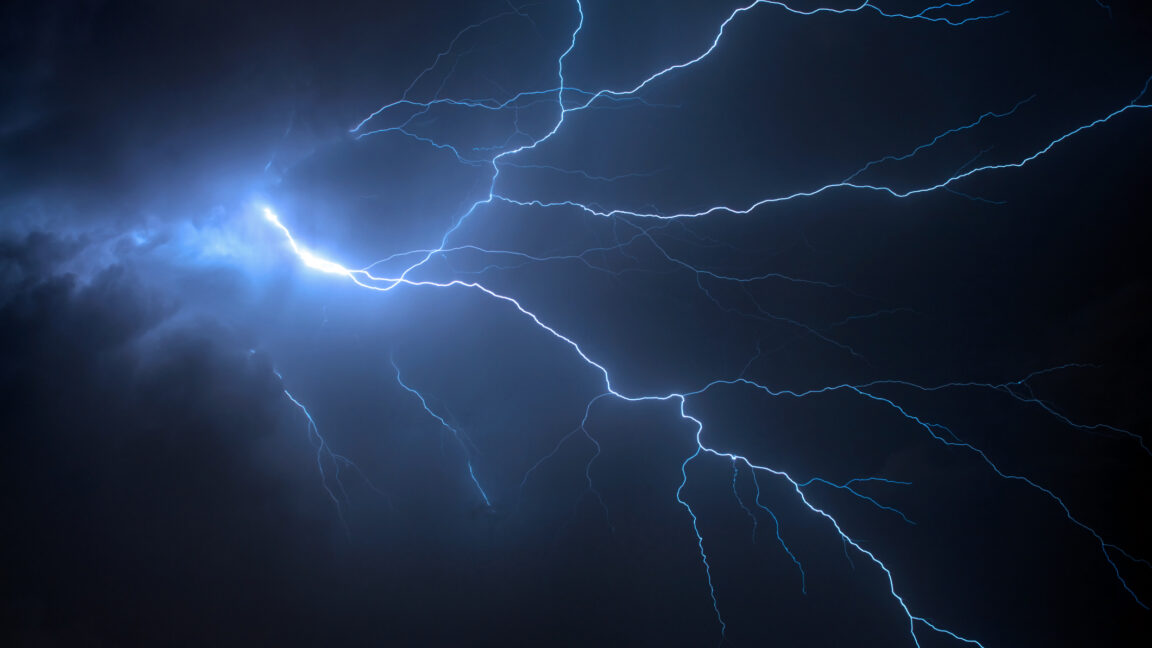
Thunder + fiber-optic cabling used for seismic imaging

Most of what we know about the Earth's interior comes from observing seismic waves. These travel at somewhat different speeds depending on the details of the rock they're moving through—whether it's solid or semi-molten, how much water is present, whether it's fractured or solid material, and so on. Get enough data from enough seismic events, and you can start piecing together a picture of what's present at different depths below the surface.

In many cases, we can get this data from naturally occurring events like earthquakes. In others, we intentionally create waves using things like explosives, providing the opportunity to do imaging in specific areas without needing to wait for an earthquake. Now, a team of scientists at Penn State suggests there's a potential option that sits between waiting for an earthquake and triggering your own seismic event: thunderstorms.

Some of the energy carried by thunder enters the Earth's upper crust, triggering what are termed "thunderquakes." But, for various physical reasons, the seismic signals are extremely complex, making it difficult to extract clear signals from them. The Penn State team says it has finally constructed a model that can help make sense of this complexity and used it to reconstruct the terrain under the local campus.

Read full article

Comments

© Nature247
  •  

SpaceX’s orbital data centers would create a new category of e-waste

Elon Musk’s talk about maintaining a million-strong AI data center satellite megaconstellation may not exactly be practical or economical, but it might be unique. It’s about the closest we’ve come to confronting a scheme that would export a considerable amount of valuable materials into space. Humans aren’t doing a great job of material sustainability, but normally we’re talking about stuff escaping a recycling pipeline rather than escaping Earth’s gravitational pull.

The commercial space sector likes talking about the allure of mining asteroids for precious metals to bring back to Earth. Under what circumstances are we going to be willing to do that in reverse? Starlink alone has doubled the mass of objects in low-Earth orbit, and this orbital data center constellation would dwarf that—and dispose of at least some satellites by pushing them away from Earth.

Given the roughly five-year expected lifetime for data center GPUs, about 200,000 of the 1 million proposed SpaceX AI1 satellites would be decommissioned each year. Based on their May 29 FCC filing, about 40,000 would definitely deorbit and burn up in the atmosphere. (Those materials would largely be dispersed throughout the atmosphere, turning a resource into a diffuse contaminant that slowly settles over the globe. One related issue: the aluminum would cause an unknown amount of ozone depletion over a period of decades.) Some or all of the remaining 160,000 satellites would be moved outward into a distant “disposal” orbit, instead. Either way, they're lost from a "material life cycle" point of view.

Read full article

Comments

© Aurich Lawson | Getty Images

  •  

Scientists find closest star to the Milky Way's central black hole

Sgr A* is the name we've given to the supermassive black hole that sits at the center of the Milky Way. We've known about its presence since the 1970s but only managed to image it within the past few years. In the intervening time, most of our understanding of the object was obtained by watching a group of stars that orbit the black hole, helping us get a good estimate of its mass and size. In essence, those stars acted as instruments that let us peer into an environment we couldn't study any other way.

In Wednesday's issue of Nature, researchers describe a recently discovered star that is on an extremely eccentric orbit that takes it closer to Sgr A* than anything we've previously identified. It gets so close that it may help us get our first measurements of the spin of the black hole.

Reading the spin

There's an entire population of stars that orbit relatively close to Sgr A*. We can estimate their mass based on their brightness and spectral features. Using their masses and a reconstruction of their orbits using several years of data, we can figure out just how supermassive Sgr A* is (nearly 1037 kilograms).
Read full article

Comments

© A. Berdeu/ESO

  •  

Against all odds, SpaceX finally tugs Starship into port after 24 days at sea

SpaceX's most recent Starship test flight may have ended July 24, but its mission isn't over yet.

The spacecraft splashed down in the Indian Ocean intact after flying halfway around the world from SpaceX's launch base in South Texas. Engineers expected the ship's life to end with a fiery disintegration after toppling over, just as past Starships have done following splashdown.

Numerous onboard sensors and cameras, along with buoys and drones in position at the splashdown zone, have provided important data for SpaceX to assess the performance of the ship's heat shield after each test flight, so officials accepted the post-flight conflagrations. That day, Starship tipped over and remained intact, surprising just about everyone.

Read full article

Comments

© SpaceX

  •  

X-rays add new twist to narwhal's spiral tusk

CT scan of a narwhal tusk. Credit: Adrian Rodriguez Palomo/CC BY-NC

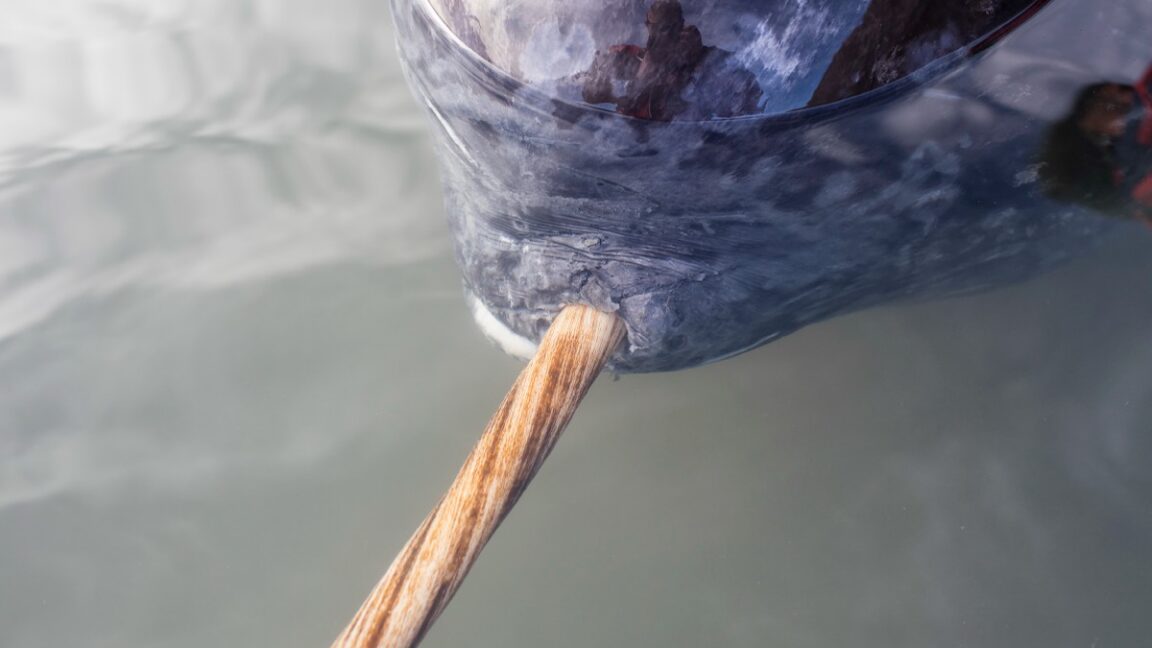
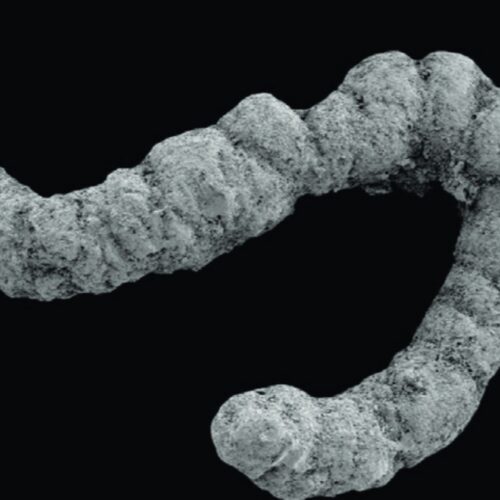
Narwhals are toothed whales, renowned for their distinctive straight, spiraling tusks, which many people in medieval times believed were the horns of unicorns and thus held magical healing properties. That belief was debunked long ago, but the tusks remain popular souvenirs in Canada and Greenland. And they still hold a fascination for scientists keen to learn more about their unusual structure. A new paper published in the journal Nature Communications reports that rather than one left-oriented spiral, narwhal tusks also have a second internal spiral oriented in the opposite direction.

Inuit legend holds that a woman was dragged into the ocean by a harpoon rope after the weapon had hit a narwhal and was transformed into the animal herself. Her hair, which she'd worn in a twisted knot, became the spiral tusk. The tusk is actually a canine tooth in the left upper jaw of male narwhals, pushing through the lip when the males reach two or three years of age and growing to lengths as long as 1.5 to 2 meters (just under 5 feet to 9 feet 10 inches). Some males may develop two long spiral tusks or, in rare cases, none at all.

There's a general consensus that these tusks most likely evolved via sexual selection as a form of social status. They clearly aren't crucial for survival, since the females usually don't develop the tusk—and if they do, the tusks are much smaller with fewer spirals—and yet typically live longer than the males. But the precise function of the tusk is still a matter of considerable debate.

Read full article

Comments

© Mads Peter Heide-Jørgensen, Greenland Institute of Natural Resources/CC BY-SA

  •  

As temperatures get hotter, pesticides are more dangerous to farmworkers

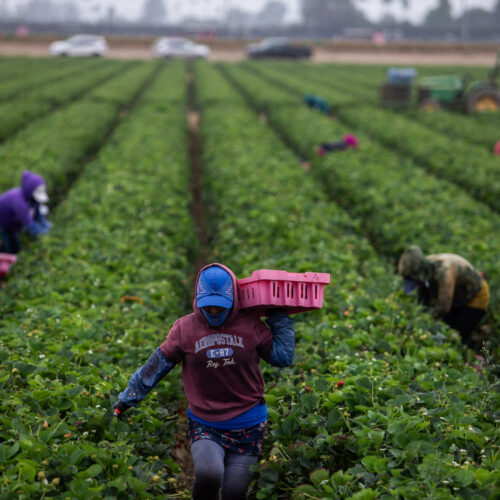
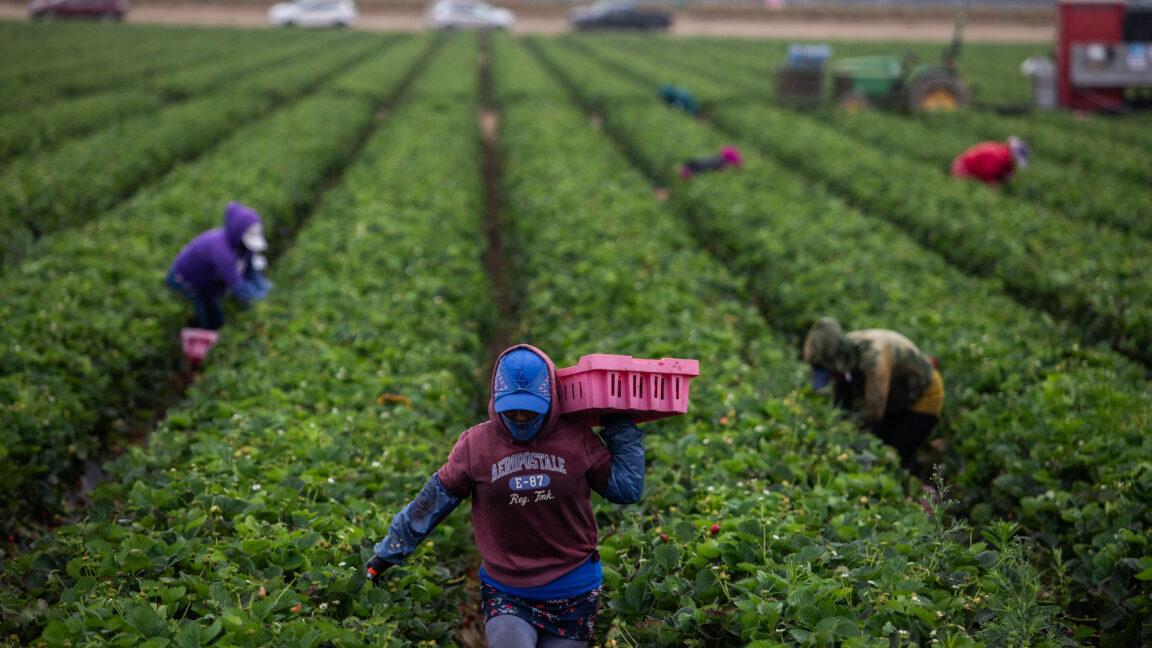
For the nation’s 2.4 million farmworkers, climate change is poised to exacerbate the harms of pesticides, a growing body of research shows.

Heat stresses the body, making it more vulnerable to pesticides and other toxicants, and protective clothing worn in the heat only adds to this stress. Hotter temperatures can also lead to higher evaporation rates, increasing farmworkers’ exposure as more pesticides are applied to crops. And heat can boost rates of chemical transformation of pesticides into more toxic compounds.

“When it’s in the air, you are inhaling it through your nose. You are exposed to it through your other organs like skin. Your skin can absorb some of the pesticides [that are] in the air, and also when you’re sweating as part of doing your work you are increasing the pore size of your skin,” said Omanjana Goswami, a scientist in the food and environmental program at the Union for Concerned Scientists, an advocacy group. “It is awful. There is no other word for it.”

Read full article

Comments

© Apu Gomes/AFP via Getty Images

  •  

Theban tomb reveals how Egyptian burial trends evolved in time

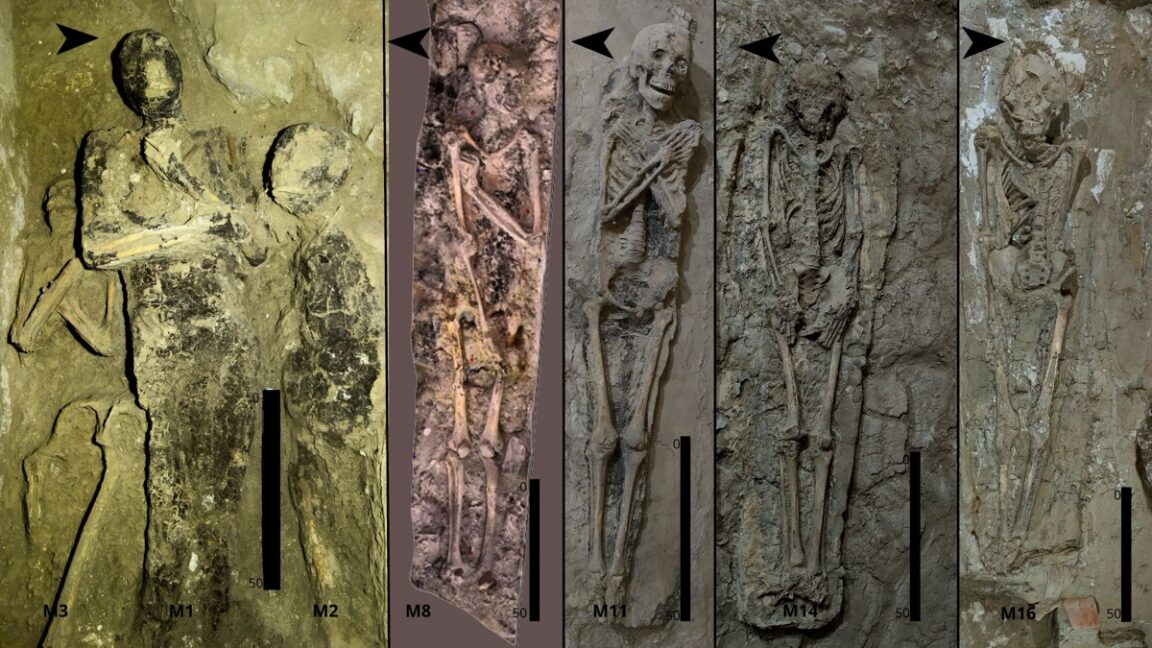
Egypt's Theban necropolis holds over 400 tombs, a rich resource for archaeologists eager to learn more about that region's ancient history. A new paper published in the journal Frontiers in Environmental Archaeology outlines how Egyptian burial trends likely changed over the course of centuries, shifting from individual burials in elaborate coffins to reusing earlier burial sites for later interments, resulting in greater density and the occasional superposition of bodies.

There has been prior research on the reuse of tombs in Thebes. This latest paper focused on a Theban tomb known as 209 in the western necropolis, dating back to the early 25th Dynasty (754–656 BCE) and ultimately abandoned in the Ptolemaic period (305–30 BCE). The original owner was likely a high official of Nubian origin named Nisemro. Over the centuries, the tomb was prone to repeated flash flooding due to its location within an active drainage channel of the Wadi Hatasun, so it's a complex site, archaeologically speaking.

That made it ideal for what the authors term an "integrated archaeothanatological approach," incorporating collected data on body position, coffin use, superpositions of remains, and stratigraphic relationships with osteological analysis in order to reconstruct the chronological sequence of the burials. They focused on a site known as Side Chamber 3, one of the main secondary areas of the tomb that was largely undisrupted.

Read full article

Comments

© Proyecto dos cero nueve, Universidad de La Laguna / Jared Carballo-Pérez

  •  

The Moon's shadow raced across the heart of Spain, and I was there to see it

DURATÓN, Spain—I'll say it: I'm hooked. Standing in the shadow of the Moon is one of the rarest opportunities to directly sense the mechanics of our Solar System, when the dance between three celestial bodies slides into perfect alignment. It's a mathematical miracle whose rarity and grandeur are made possible by the relative sizes and distances of the Moon and the Sun from Earth. Not every planet is so lucky.

The Moon's shadow crisscrossed the American heartland twice in less than seven years, first in 2017 and again in 2024. I was fortunate to witness both. The experiences left me too impatient to wait for the next total solar eclipse in the continental United States in far-off 2044.

That's what pulled me to the plains of north-central Spain last week. This land of wide open spaces, ancient churches and castles, and vast sunflower fields, all baking under the blinding August Sun, seemed like the perfect location to enter the path of totality. The ongoing drought in Spain has turned the country's fields and forests into a tinderbox, but those conditions made for ideal eclipse viewing.

Read full article

Comments

© Stephen Clark/Ars Technica

  •  

Meet the only known trebuchet casualty in history

During a medieval siege, a trebuchet scored a chance hit on one unlucky defender. A small boulder slammed into his upper back at close to 300 kilometers an hour, smashing bones and crushing him beneath its weight.

The man’s skeleton lay beneath the chapel of Scotland’s Stirling Castle, along with the remains of several other people who had clearly died violent deaths. But this one, known to us only as Skeleton 150 (or as “trebuchet guy” in your faithful correspondent’s notes), stood out even among that battle-damaged crowd because most of his upper body had been shattered. According to University of Bradford paleopathologist Jo Buckberry, who presented her research at the 25th European Meeting of the Paleopathology Association last week, Skeleton 150 is the only known trebuchet casualty in history.

A shattered skeleton

Skeleton 150 was in terrible shape, even for a dead guy. The man’s skull had broken in 61 separate places, and another 60 jagged bits of bone were distributed across his ribs. His right shoulder was broken, and his right leg above the knee was basically shattered.

Read full article

Comments

© Bob Marshall and HES

  •  

Wildfire smoke now bigger prenatal threat than human sources of air pollution

In 1965, a presidential advisory panel issued a report warning that pervasive chemical and carbon pollution was harming environmental health and changing the climate. Five years later, President Richard Nixon signed the Clean Air Act.

Since that 1970 law and its amendments were passed, combined emissions of a half-dozen harmful air pollutants from vehicles and industrial sources have decreased by nearly 80 percent.

But mounting evidence shows that pollution from wildfire smoke is eclipsing those air-quality gains. The unchecked burning of fossil fuels is creating warmer, drier conditions that make wildfires more intense and destructive, and blanket communities in toxic smoke that is more harmful than pollution from other sources.

Read full article

Comments

© Anadolu / Contributor

  •  

So much solar: Digging into the list of every US power plant that went online this year

It’s been a wild first half of the year in the US power sector, with announcements of gigantic natural gas power plants and some long-awaited renewable energy projects coming online.

At times of rapid change, forecasting is difficult. So I feel a measure of comfort focusing on something concrete like the list of 368 utility-scale plants that began operation from January to June, according to data from the US Energy Information Administration. The group is dominated by utility-scale solar.

This is a top-heavy list, led by SunZia Wind South and SunZia Wind North in New Mexico, which went online this spring and are the largest wind farms in the country, with a combined generating capacity of 3,650 megawatts. SunZia has been in the works for about a decade and arrives at a time when US onshore wind power development has dwindled for a host of reasons related to regulations and public opinion.

Read full article

Comments

© Andrew Merry

  •  

We've flown a radiation-blocking vest to the Moon and back, and it worked

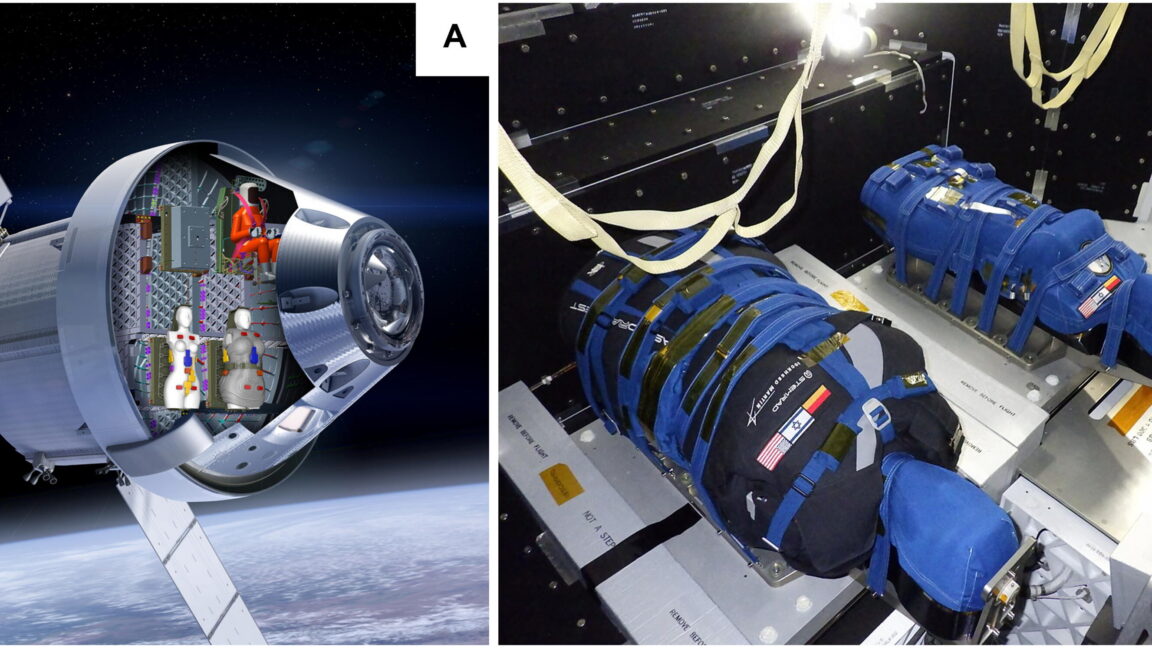
Solar storms, like the one in August 1972 that hit during the gap between the Apollo 16 and Apollo 17 missions, throw bursts of protons intense enough to raise an astronaut's cancer risk or even cause radiation sickness. Earth's atmosphere and magnetic field absorb this radiation, but crews heading to the Moon or Mars won't have that protection, and no spacecraft built so far has enough shielding to stop it.

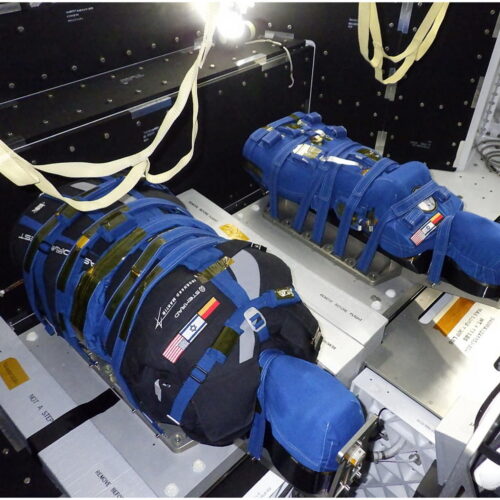
A team led by Jordan Houri and Oren Milstein of StemRad, an Israeli-American startup developing personal protective equipment against radiation, proposed that we could solve this by shielding the astronauts instead of shielding the spacecraft.

To test this idea, StemRad’s team flew a wearable radiation-shielding vest called AstroRad to the Moon and back aboard NASA's uncrewed Artemis I mission, then used the flight data to calculate how it would perform during an actual solar storm. It turns out the vest would perform roughly as well as the Orion’s heavily shielded onboard shelter the crew was supposed to hide in to wait out a storm.

Read full article

Comments

© NASA/Lockheed Martin/DLR

  •  

Have physicists finally discovered glueballs? New evidence points to yes.

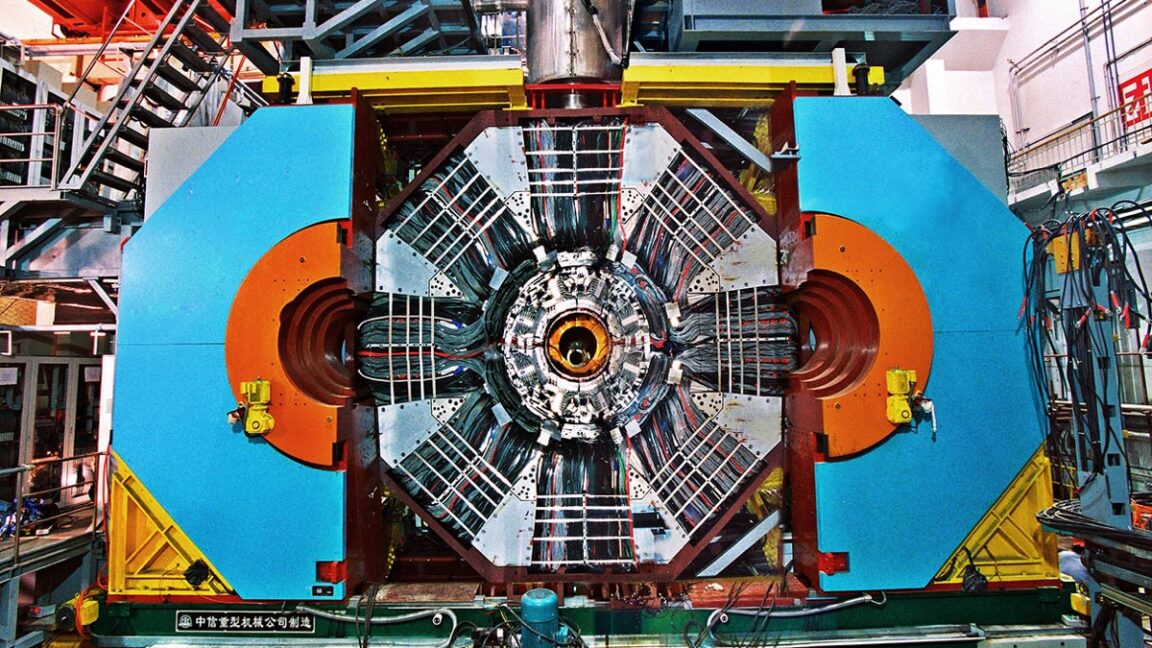
Physicists with the Beijing Spectrometer III (BES III) experiment have uncovered convincing new evidence of the existence of so-called glueballs, an elusive composite particle made entirely of gluons predicted by quantum theory. The results appeared in a preprint posted to arXiv last month and were also presented last week at the International Conference on High Energy Physics (ICHEP).

All the stuff we see around us is made up of quarks held together by gluons (carriers of the nuclear strong force) to form protons and neutrons, which comprise the core of every single atom. The Higgs boson, discovered in 2012 after decades of searching, was widely touted as the final missing piece of the Standard Model of Particle Physics. But there are still plenty of unanswered questions, including whether or not glueballs really exist. They should, if the Standard Model is correct; they're a direct prediction of quantum chromodynamics, i.e., the theory of the strong nuclear force. There should even be several kinds of glueballs.

As Matthew Francis wrote for Ars in 2015:

Read full article

Comments

© BES III Collaboration

  •  

Did poop enable the evolution of complex animals?

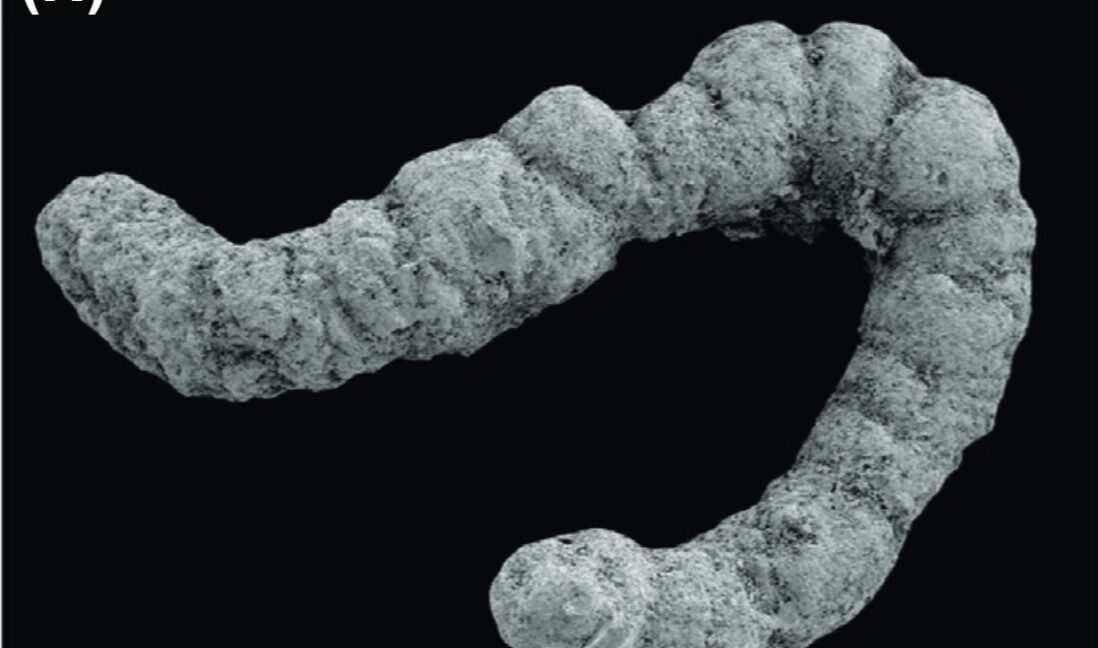
The Cambrian explosion may have been fueled by poop.

The first animals on Earth emerged about 600 million years ago, and 60 million years later, those simple early animals evolved in wildly different directions, branching out into a diverse menagerie of complicated new forms and conquering new ecological niches. Known as the Cambrian Explosion, this flurry of rapid evolution produced most of the animal phyla and ecosystems we see around us today.

And it may have taken off because some of those early animals evolved a bizarre new ability: pooping. According to a recent study, the first poo pellets helped spread nutrients to deeper parts of the ocean, fueling the evolution of bigger animals in more diverse ecosystems.

Read full article

Comments

  •  

Tracking extreme heat by the hour makes climate change seem even worse

Global warming is leading to more extremely hot weather. There is perhaps no more obvious consequence of climate change. But changing how we analyze this problem can still help scientists think about it in a different way that may yield surprises.

Generally, studies on heat extremes work with some combination of daily minimum, maximum, and mean temperatures. Sometimes they focus on multi-day heatwaves using those metrics, since the discomfort and health impacts increase for longer events. There are different thresholds you can use to define extreme heat in these analyses, either based on past statistics or on the human body’s physiological limits.

A new study led by Weilin Liao and Xuanzong Zhang at Sun Yat-sen University tried breaking down heat extremes to the hourly level instead, which reveals some interesting nuances.

Read full article

Comments

© invizbk/Getty Images

  •  

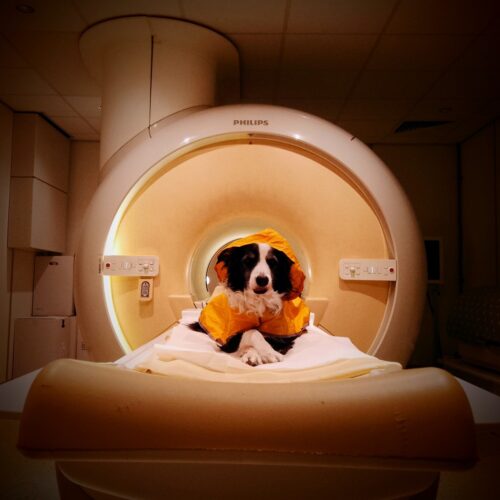
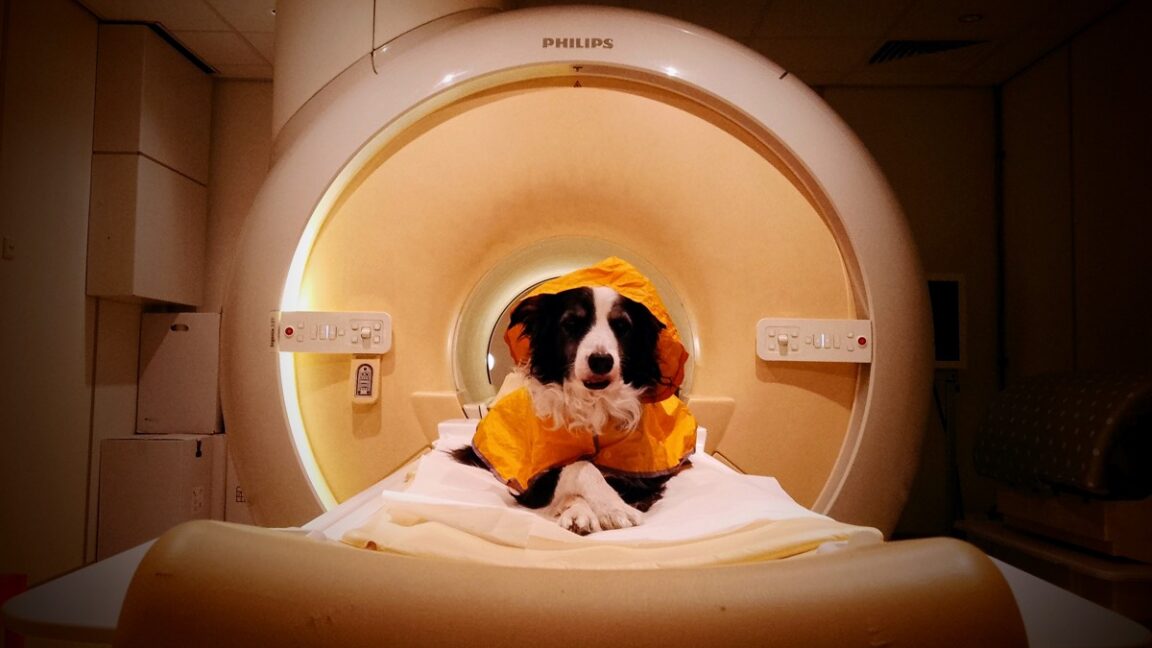
Dogs can tell if you're scared or sad

Any dog owner would tell you that their canine companions are attuned to their humans' emotional state and respond accordingly. Scientists have performed fMRI scans on dogs and identified a specific brain region that processes happy human facial expresses, like a smile, according to a new paper published in the journal iScience. They also found that dogs can tell the difference between negative facial expressions, specifically anger, sadness, and fear.

“Humans are really good at picking up small details on the face, and so are dogs,” said co-author Raúl Hernández-Pérez of the University of Vienna. “This makes dogs very interesting. By studying their brains, we can understand what adaptations have developed to support their remarkable social and emotional understanding of humans.”

Prior behavioral studies have shown that dogs are sensitive to emotion in human faces. Dogs will, for example, choose a box their human has identified with a happy expression over one the human treats with fear or disgust. Past fMRI studies found that an area in the canine left temporal cortex showed a stronger response to human faces compared to dog faces, as well as a greater response in the caudate, hippocampus, and amygdala to human faces showing emotion versus neutral faces.

Read full article

Comments

© Laura V. Cuaya/CC BY-SA

  •  

Peer review is overwhelmed—can it survive in the AI era?

Jason Semprini was excited about his research on policies mandating that elementary school students receive the human papillomavirus vaccine. HPV causes most cases of cervical cancer, but counterintuitively, Semprini found that mandates don’t do that much to reduce the overall rate of cervical cancer in a population. That’s odd, but it's also not completely surprising—we know that mandating a vaccine can motivate some people to find ways to avoid it.

Semprini wrote up the study and submitted the manuscript to a journal, where it was sent out for peer review, a long-standing process through which other researchers in the field assess the validity of research and make a recommendation on whether or not it should be published. This is usually done anonymously and on a volunteer basis.

In this case, the reviewer did not share Semprini’s excitement. That may have stemmed from a misunderstanding of the study’s central message: The reviewer mistakenly thought Semprini was questioning whether the HPV vaccine itself prevents cervical cancer rather than studying the effectiveness of a policy meant to increase vaccination rates. “There’s a very big difference there,” said Semprini, who is a health economist at Des Moines University.

Read full article

Comments

© Aurich Lawson | Getty Images

  •  

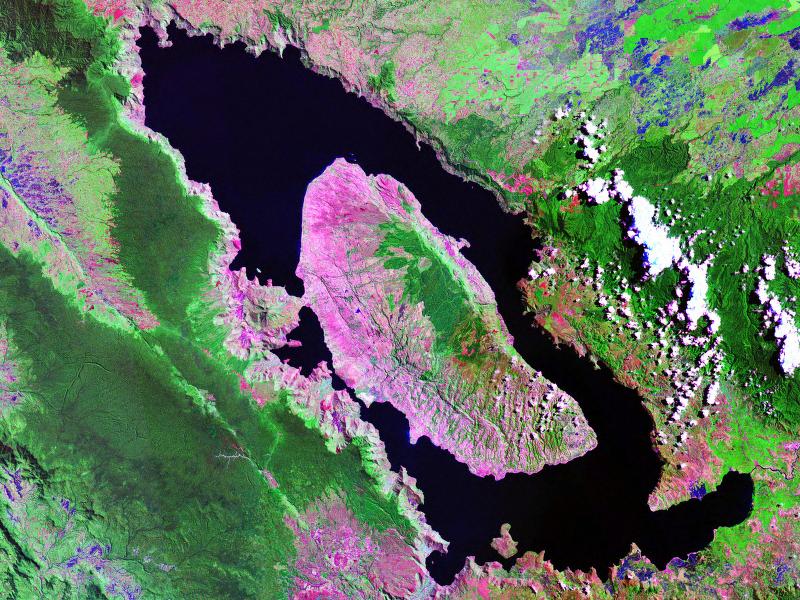
Mount Toba eruption doesn't seem like it could nearly kill our species

Mount Toba was the biggest volcanic eruption in the last 2.6 million years, and some have suggested it nearly wiped out humanity. Around 74,000 years ago, a caldera on what is now Sumatra emptied thousands of cubic kilometers of magma in about two weeks, roughly a thousand times more than Mount Pinatubo spewed out in 1991. “People thought it might have caused massive cooling of the planet, and hence threatened the survival of our ancestors,” says Jinheum Park, a geoscientist at Johannes Gutenberg University in Mainz, Germany.

Park and his colleagues went looking for the records of that catastrophe in the mud taken from the bottom of a small crater lake on the Kenya-Tanzania border. They found instead that the effects of the Mount Toba eruption lasted under two years and amounted to perhaps half a degree of cooling.

Muddy calendars

Volcanic eruptions inject sulfur dioxide into the stratosphere, where it becomes a haze of tiny droplets that reflect sunlight back into space. Bigger eruptions eject more sulfur dioxide and, in principle, cause more cooling. But this trend stops working when the eruption exceeds a certain magnitude. “Bigger sulfate aerosols settle quickly, because they are heavier,” Park explains. This quick settling makes them less effective in scattering incoming solar radiation.

Read full article

Comments

© Wikimedia Commons

  •  

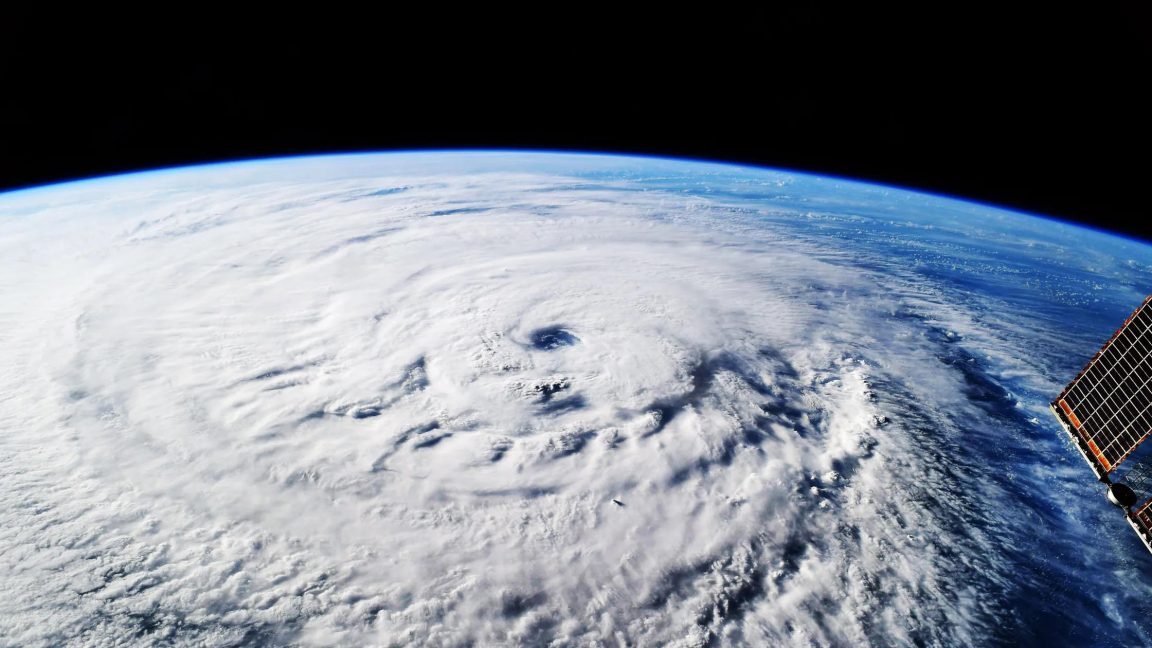
DeepMind’s hurricane breakthrough has surprised weather scientists

In October 2025, a storm brewed over the Caribbean Sea. Weather models differed on its trajectory. Would it remain weak and end up in Haiti, or would it intensify and head to Jamaica? Artificial intelligence model WeatherNext, developed by Google’s DeepMind and Google Research, went with the latter. Five days before landfall, it predicted with 80 percent confidence that the storm system would hit Jamaica as a Category 5 hurricane.

Hurricane Melissa was catastrophic, causing flooding and landslides across Jamaica. But the AI model helped forecasters give an earlier warning to communities in its path, so they could better prepare.

In a paper published on Thursday in Nature, researchers show that the WeatherNext AI model can predict cyclones with unprecedented accuracy. On average, it gives forecasters a day more lead time than existing models; this means its predictions three days out are as accurate as previous models’ predictions two days out. On the ground, that extra day can mean a lot.

Read full article

Comments

© J Marshall/NASA/ESA/T. Pesquet/Alamy

  •  

The ultimate eclipse chase: A Concorde raced against the Moon's shadow

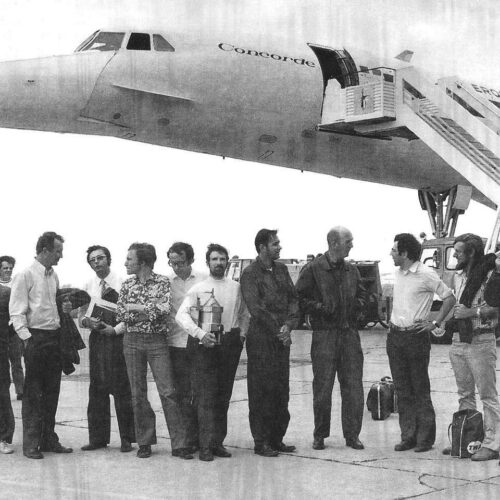
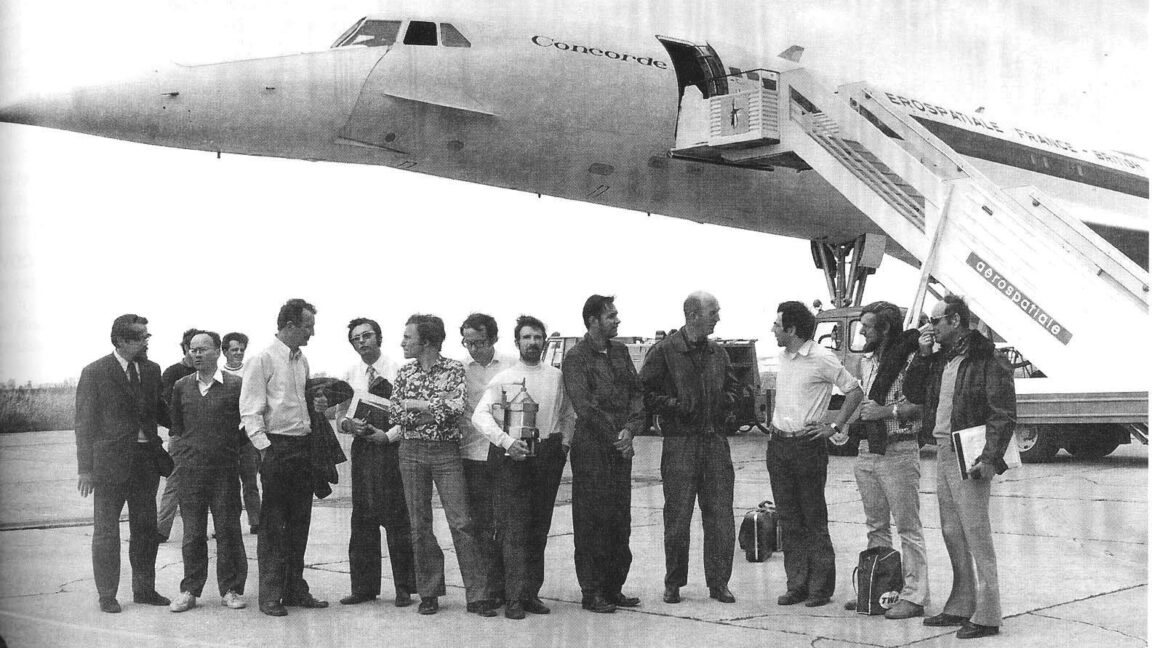
A walk down the tarmac at the National Air and Space Museum of France is guaranteed to thrill aviation enthusiasts. Several civilian and military aircraft of the past and the present are showcased in this museum, located at the Paris-Le Bourget airport. One of them is the legendary Concorde F-WTSS 001 prototype, the sight of which should give goosebumps to science enthusiasts as well.

That’s because right behind its long nose is a painted map that traces the path of a June 1973 total solar eclipse across Africa. It’s there on the Concorde 001 prototype because a group of eight scientists set a new world record of observing a total solar eclipse for 74 minutes by flying this aircraft at more than twice the speed of sound.

To put this figure into context, the maximum duration of totality on the ground is around 7.5 minutes when an eclipse is observed in the equatorial regions. For the upcoming solar eclipse of August 12, which can be seen from parts of Europe, the maximum duration of totality from the ground will be slightly more than two minutes.

Read full article

Comments

© F. Claudel

  •  

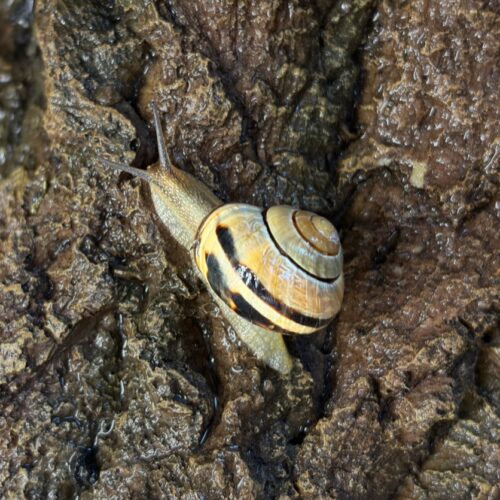
How snails engineer their slime

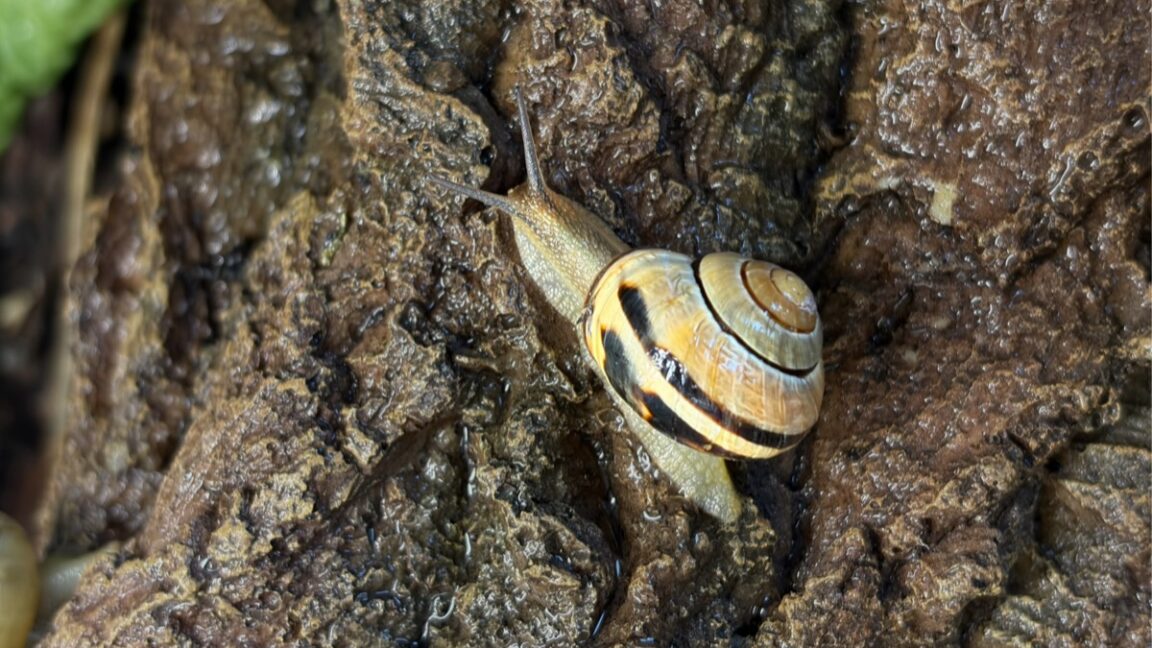
Snails are well-known for their mucus. The slime is highly valued as an anti-inflammatory and anti-aging ingredient in certain skin care products, and snails can secrete different kinds of mucus with properties tailored to specific functions. A team of German scientists has determined a recipe for how snails achieve that so-called tunability: Collagen and calcium work in tandem to achieve the varying mechanical properties, according to a new paper in the journal Science.

Snail mucus is mostly water; it's the mucins (glycoproteins) and complex carbohydrates that give it that slimy, viscous texture. In addition to cosmetics, the mucus holds great potential for drug delivery. In 2020, scientists found that combining snail slime from a common garden snail with gold nanoparticles helped accelerate wound healing and exhibited anti-inflammatory properties in mice. Most relevant to this latest paper is a 2023 study on garden snail slime that identified three distinct types of secreted mucus: a hydrating version to protect its skin, one that acts as an adhesive glue, and a third that serves as a lubricant so the snail can more easily glide across a surface.

The team focused their research efforts on the grove snail/lemon snail (Cepaea nemoralis), which they deemed well-suited as subjects because the snails secrete five different kinds of mucus with distinct functions. As with the garden snails, there is one that acts as a lubricant to help with locomotion and an adhesive mucus to help the snail stick to various surfaces. Then there's a mucus layer known as the epiphragm that the snail secretes when it hibernates in winter, which contains calcite and effectively seals the shell to protect the snail from predators and harsh environmental conditions.

Read full article

Comments

© Max Planck Institute of Colloids and Interfaces

  •  

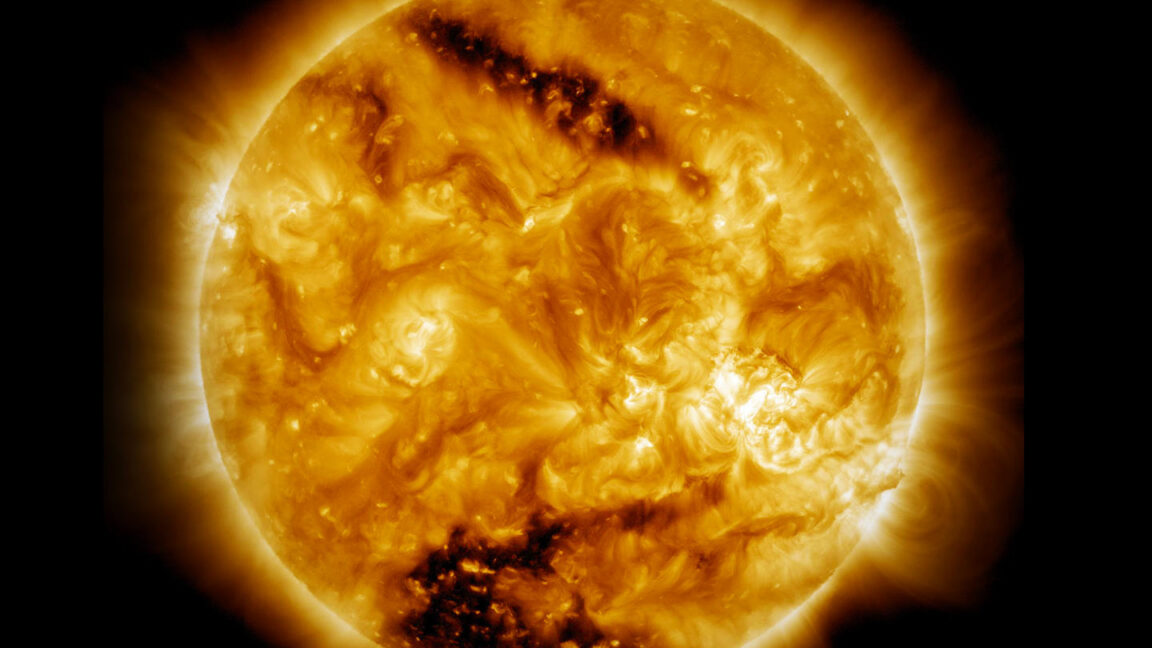
The world's biggest solar telescope caught vortexes on the Sun's surface

Wherever two fluids slide past each other at different speeds, the boundary between them buckles, then curls, then rolls up into vortexes. It’s called the Kelvin-Helmholtz instability, and the physics behind it was worked out in the late 1860s. We know this instability explains why wind causes ripples on the surface of water and clouds shear into a row of curves.

For decades scientists argued the same thing must be happening with plasma on the surface of the Sun, and yet nobody had been able to confirm it. Now, a team led by David Kuridze and Friedrich Wöger of the National Solar Observatory reports that Kelvin-Helmholtz instabilities are not just visible on the Sun, but they’re ubiquitous. Their new study proposes that this may change the way we think about how heat, mass, and magnetic energy move through the Sun's atmosphere.

Telescope’s test drive

The reason plasma whirlpools on the Sun stayed hidden for so long is rather trivial: They are very small. Their scale sits below what telescopes with mirrors smaller than 2 meters can resolve. For most of the history of solar physics, that has ruled out every telescope on Earth. This changed when the US National Science Foundation opened the Daniel K. Inouye Solar Telescope, a 4-meter instrument in Hawaii and the largest solar telescope in the world. The telescope entered its operational phase back in November 2021.

Read full article

Comments

© NASA/Goddard/SDO

  •  

Trump is losing his war on wind power

On Thursday, a US District Court in Oregon ordered the US government to restart the process of approving wind projects. All new wind development in the US has been on hold since August 2025, when the Department of Defense (DoD) stopped participating in a process that allows it to compel developers to alter projects in order to limit their interference with radar equipment. The court ruled, however, that the DoD's national security claims did not allow it to opt out of a process that is legally mandated.

The Trump administration has made many attempts to block wind development, both offshore and land based. Its attempts to stop offshore wind included the same approach at issue in this case: Claim that drone developments mean that radar interference by wind turbines creates a national security risk. The courts were not sympathetic to this claim, including in cases where judges examined a classified report that the DoD was using to justify blocking offshore wind construction. As a result, the administration has turned to paying companies not to pursue wind development.

In parallel, the government was pursuing a similar approach for onshore wind. Here, a law lays out a process for the DoD to evaluate any problems posed by wind turbines and negotiate changes to planned wind farms with the developers. As laid out in the new decision, the government simply stopped participating in this process in August 2025, first by refusing to sign off on previously negotiated agreements, and later by refusing to draft agreements entirely. Eventually, it simply refused to participate in negotiations at all. This has brought a halt to all wind development in the US.

Read full article

Comments

© picture alliance

  •  

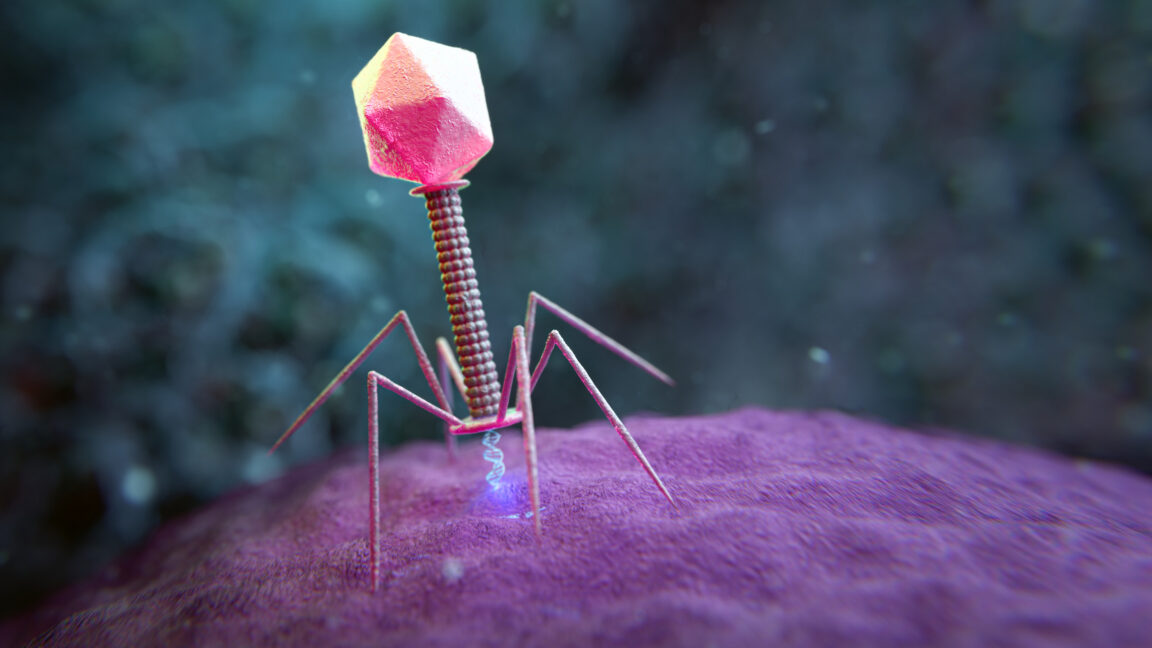
Large genome models used to design new viruses

A lot of the AI work in biology has been focused on designing proteins. That's partly because proteins do most of the business of life, catalyzing the interesting chemistry and structuring cells. So, figuring out how to make a new protein can mean directly tinkering with biochemistry, providing new and potentially useful functions.

Since the genetic code provides a layer of abstraction between DNA and proteins, it wasn't obvious what a model trained on DNA could do. Yet people went ahead and made a large genome model, and it turned out to be able to output DNA sequences that could encode functional proteins in bacteria and mimic the gene structures found in complex cells. Now, those same models have been used to output the genomes of viruses that infect bacteria.

This isn't science fiction—all the viruses the models created are closely related to an existing virus. But they do have some distinct features that would be challenging to evolve. And the researchers who did the work, based at Stanford University, suggest we may want to start thinking now about preparing for the potential that someone could develop a related AI that can design a virus that targets vertebrates.

Read full article

Comments

© THOM LEACH / SCIENCE PHOTO LIBRARY

  •  

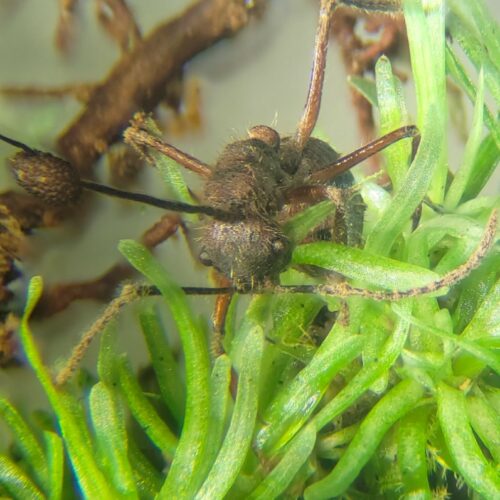
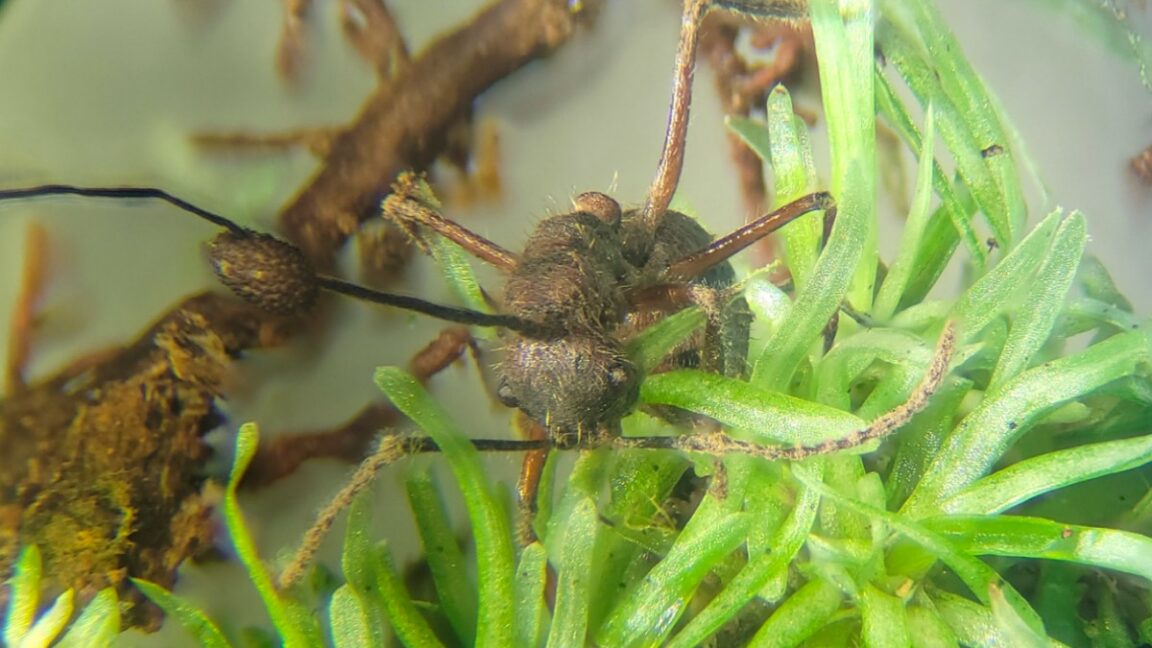
Parasitic zombie-ant fungus thrives in mosses, too

The parasitic fungi in the Cordyceps genus are a favorite subject of nature documentaries. They've also infiltrated popular culture via the zombie-apocalypse video game The Last of Us (2013) and its TV adaptation, in which a parasitic fungus mutates to infect humans. Scientists are keen to study Cordyceps to learn more about the origins and intricate mechanisms underlying these pathogen-based diseases.

The latest finding: DNA analysis revealed the same fungus in both parasitized insects and surrounding mosses, according to a paper published in the journal IMA Fungus. (Yes, really.) This suggests a second life stage during which the fungus lives inside the moss, possibly an evolutionary adaptation to survive when insect hosts may be scarce. It could also explain why the host species seems to prefer biting into mosses during their final death throes.

As we've previously reported, there are more than 400 different species of Cordyceps fungi, each targeting a particular insect species, like ants, dragonflies, cockroaches, aphids, or beetles. The spores attach to the target insect, such as a carpenter ant, and germinate, spreading through the host’s body via long tendrils called mycelia. Cordyceps essentially turns its host into a zombie slave, compelling the ant to climb to the top of the nearest plant and clamp its tiny jaws in a death grip around a leaf or twig.

Read full article

Comments

© Tales Alves-Júnior et al., 2026

  •  

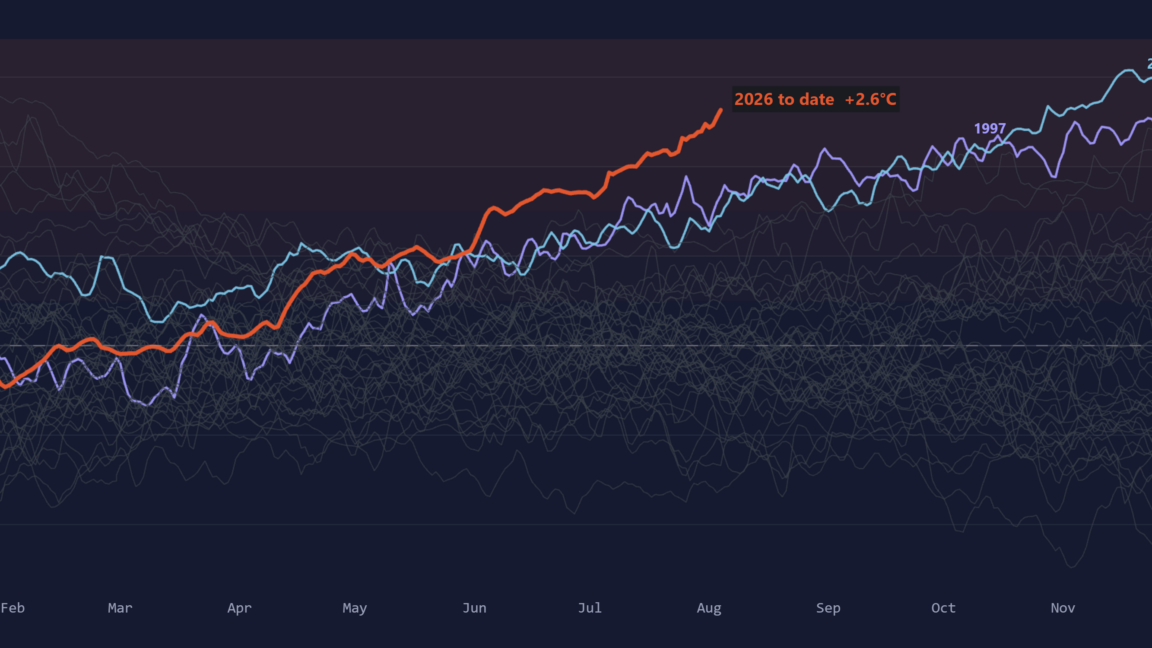
This Atlantic hurricane season is looking like a dud, but there will be a price to pay

The city of Houston, where I live, has been ground zero for the 2026 Atlantic hurricane season. So far this year there have been two named storms, Arthur and Bertha, that have formed. And the centers of both have passed near or directly over Houston.

Two "strikes" in a year might seem notable, but like the middling hurricane season to date, Arthur and Bertha were both middle-of-the road tropical storms in terms of intensity.

As a resident of a coastal region prone to hurricanes, one never wants to tempt fate. And in truth, since it is only early August, the bulk of seasonal activity definitely lies ahead of us. But all indications are we can look forward to a quiet season.

Read full article

Comments

© The Climate Brink

  •  

D-Wave shows off its new entry in quantum computing race

D-Wave is a bit of an oddity in the quantum computing space, having been founded back in the last century. And its initial offering wasn't a quantum computer like those being developed by IBM or Google. Instead, the company built what's now called a quantum annealer, a machine that isn't general-purpose but can solve a large class of optimization problems. While the hardware shares some similarities with the qubits used in gate-based quantum computers, it operates in a fundamentally different way.

But a few years back, D-Wave started working on gate-based hardware, apparently choosing a somewhat unusual qubit technology called fluxonium. And this year, the company acquired a startup called Quantum Circuits that spun out of Yale University and has been developing what's called a dual-rail qubit (the same technology used by Amazon), which promises to make most errors very easy to detect, simplifying error correction.

On Wednesday, the company is publishing a paper in Nature that describes a key step in validating this dual-rail technology, showing that two of the qubits can be entangled without altering their best feature: Most are a single type that is easy to detect.

Read full article

Comments

© D-Wave

  •  

Research roundup: 6 cool science stories we almost missed

It’s a regrettable reality that there is never enough time to cover all the interesting scientific stories we come across. So every month, we highlight a handful of the best stories that nearly slipped through the cracks. July’s list includes outfitting cyborg cockroaches with a tiny diving suit for navigating flooded terrain; confirmation that a Medici duke died of malaria, not poisoning; the best evidence to date that Betelgeuse is orbited by a companion star; and evidence that some ancient Egyptian princesses were skilled archers.

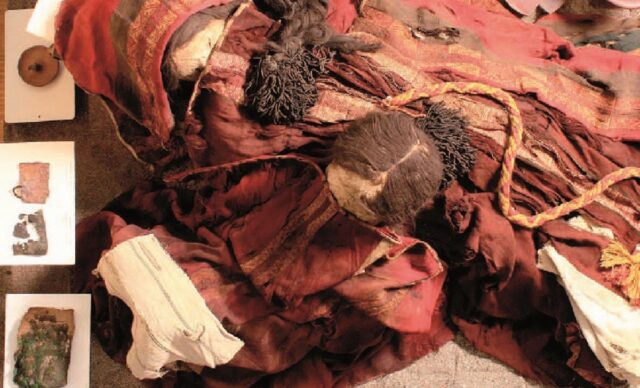
Sacrificial Incan boy died of blunt force trauma

Credit: Administrative Archive, Regional Museum of Iquique–CORMUDESI

It's known that the Incas practiced a human sacrifice ritual known as Capachoca, in which children were offered to the mountains and believed to become divine themselves, serving as intermediaries with the gods. This often involved pilgrimages to the remote sacrificial sites, with colonial accounts describing strangulation, asphyxiation, and blunt force trauma as the most common methods of sacrifice. Archaeologists have reanalyzed the remains of one such victim and concluded the boy died from blunt force trauma, rather than freezing to death as previously believed. They described their findings in a paper published in the journal Science Advances.

Read full article

Comments

© National Museum of Natural History of Chile

  •  

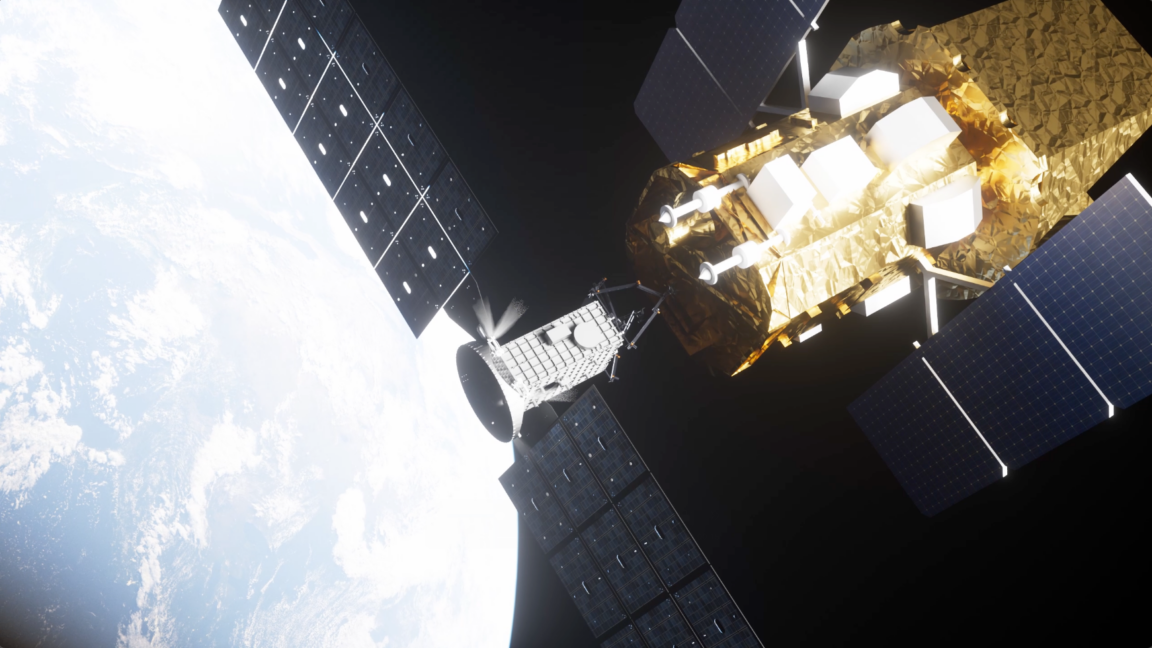
Here's how engineers plan to save the satellite sent to save NASA's Swift mission

One week ago, more than 200 miles above the Earth, a refrigerator-size satellite making its way toward an attempted rescue of NASA's $500 million Swift gamma-ray observatory suddenly spun out of control.

It didn't look good. The spacecraft, named Link, was rotating on multiple axes, rendering it unable to maintain a reliable communications link with the ground and complicating efforts to arrest the spin. Two of the satellite's three reaction wheels, used for pointing, also stopped working. Through sporadic radio contact, engineers discovered a problem with some of the spacecraft's cold gas thrusters used for finer attitude control.

The Link satellite is built, owned, and operated by Katalyst Space Technologies, a satellite servicing startup that won a $30 million contract from NASA to fly up to the Swift observatory, grab onto it, and boost its orbit before succumbing to aerodynamic drag and burning up in the atmosphere.

Read full article

Comments

© NASA

  •  

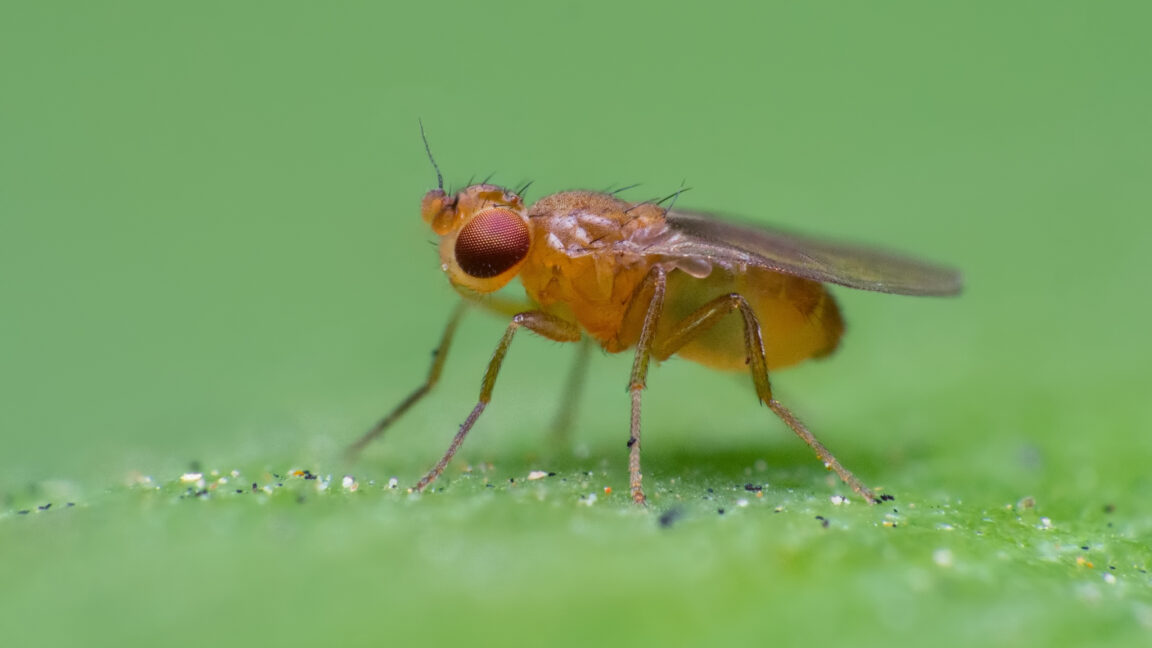
How fruit flies chase invisible ribbons of smell to get to their source

A fruit fly hunting a piece of rotting fruit or a mate navigates by smell, following plumes of odor. Out in the wild, turbulent air swirls these plumes into a chaotic, broken landscape—dense chemical filaments laced through long stretches of clean air. A fly trying to find the source gets the smell in stutters, from constantly shifting directions, with no guarantee that a next whiff is coming at all.

Scientist had little idea of how fruit flies manage this chaotic signal with a brain the size of a pinhead. For a long time, biologists stood by the “surge and cast” model, which posited that insects solved this with hardwired reflexes. The idea was that, when a fly registers the plume with olfactory neurons in its antennae, it simply flies upwind until it’s gone and then flies side to side attempting to catch it again. But now a team led by Vanessa Ruta, a neuroscientist at the Rockefeller University, has shown that fruit flies do something far more advanced.

A treadmill for flies

The trouble with the traditional surge and cast model is that it struggles to explain how an insect tracks a meandering plume across long distances. Chemical cues floating in the air in the natural environment are often sparse and unreliable. But those same features make the mechanism behind olfactory navigation notoriously difficult to test. "Odors are invisible," Ruta says, "and often they're carried along by turbulent airflow." We’ve got no way of knowing what the animal is smelling from one moment to the next.

Read full article

Comments

© Joao Paulo Burini

  •  

Not just Neanderthals: Ghost lineage in Africa left its mark on our DNA

When the history of our ancestry is written, the fact that we've interbred with some of our closest relatives, the Neanderthals and Denisovans, will have a central role. And it will be tempting to write it as a very tidy story: Once we got genomes from these other groups, it was possible to identify the sequences in our genomes that we shared with them.

But in reality, as scientists started poking large enough collections of data, there were regular hints of some strange ancestry in our genomes. It was hard to pin down, though, at least in part because the 2 percent on average of Neanderthal DNA found in many populations does not guarantee that any two individuals will have the same 2 percent. So having the genomes of those two groups made sense of some things researchers had already been seeing.

But knowing what we do about Neanderthal and Denisovan DNA is now allowing researchers to answer a somewhat different question: Is there anything else? Using recently developed analytical techniques, they find evidence of a third lineage that we apparently interbred with before any modern humans left Africa. Again, there were hints of this earlier, but so far, there has been no genome from a modern human relative to help us understand the details—the source of this DNA remains a "ghost lineage."

Read full article

Comments

© BSIP

  •  

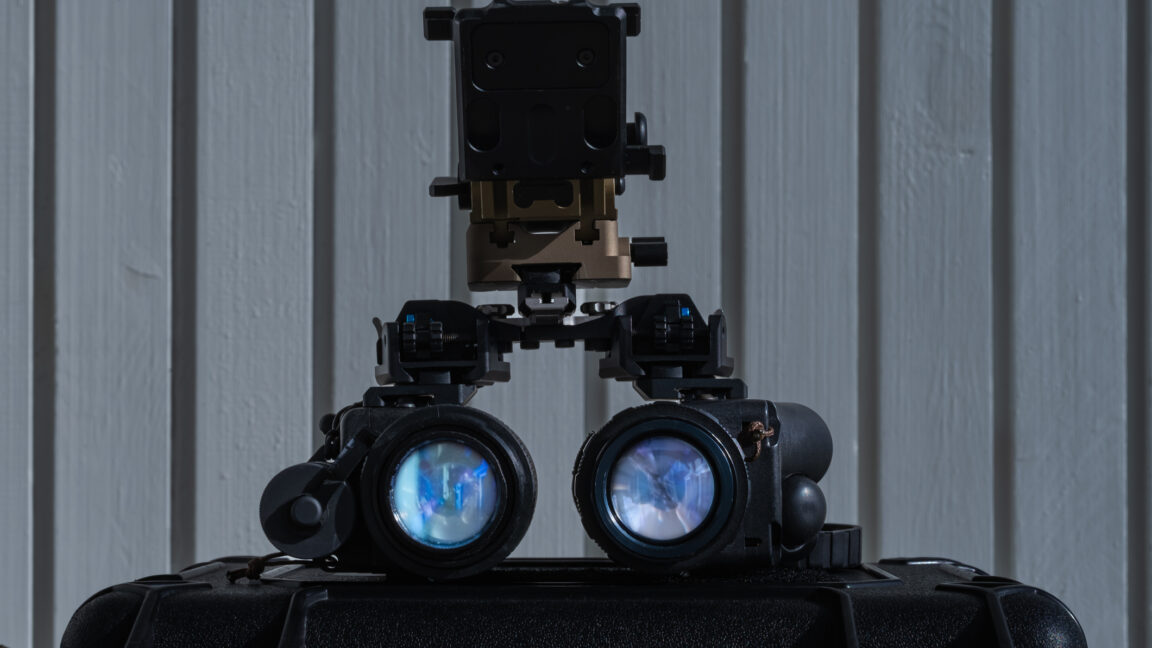
Researchers devise a full-color night vision goggle

Human eyes don’t register the infrared portion of the light spectrum because infrared photons don't carry enough energy to trigger the signaling pathway inside our light-sensing cells. But we’ve been able to make devices that give us a visual representation of what’s happening in the infrared.

A team at the Beijing Institute of Technology, led by Xin Tang and Ge Mu, has now built a device that lets people see infrared in a new way. Instead of just translating it to visible shades of green as it’s done in standard night-vision goggles, it translates different infrared wavelengths into distinct parts of the visual spectrum, giving the eye something closer to natural vision.

Researchers achieved that by combining mercury telluride colloidal quantum dots, which absorb infrared light, and a dual-layer OLED, which converts that absorbed energy into visible color. Stacked together with the right internal wiring, they make incoming infrared radiation come out the other side as an ordinary-looking, full-color image.

Read full article

Comments

© Dmitri Toms

  •  

China could supply EV manufacturing boom with recycled EVs

While recycling is a mathematically obvious response to the finite, non-renewable nature of many resources, the economic math is often challenging. For many materials, it can be hard to compete with virgin materials on a cost basis. Fast-moving technologies like electric vehicles throw in an added complication: By the time a car is scrapped, the industry may have moved on to a different battery chemistry. That reduces the value of recycling the car’s battery back into the production chain.

Still, a study led by Xin Xiong at Nanjing University finds that in China, recycling could become the dominant source of many key materials needed to manufacture EV components over the coming decades.

Modeling manufacturing needs

The researchers set out to model how the supply of recycled materials compares to manufacturing demand in China between 2010 and 2050. It covers materials relevant to batteries across hybrid, battery-electric, and even fuel-cell vehicles (lithium, cobalt, nickel, manganese, phosphorus, sodium, sulfur, and graphite), as well as several critical elements used in electric motors (copper, neodymium, dysprosium, samarium, and cerium).

Read full article

Comments

© General_4530

  •  
❌