❌

Reading view

Chemistry Nobel goes to reactions like those that gave life a hand

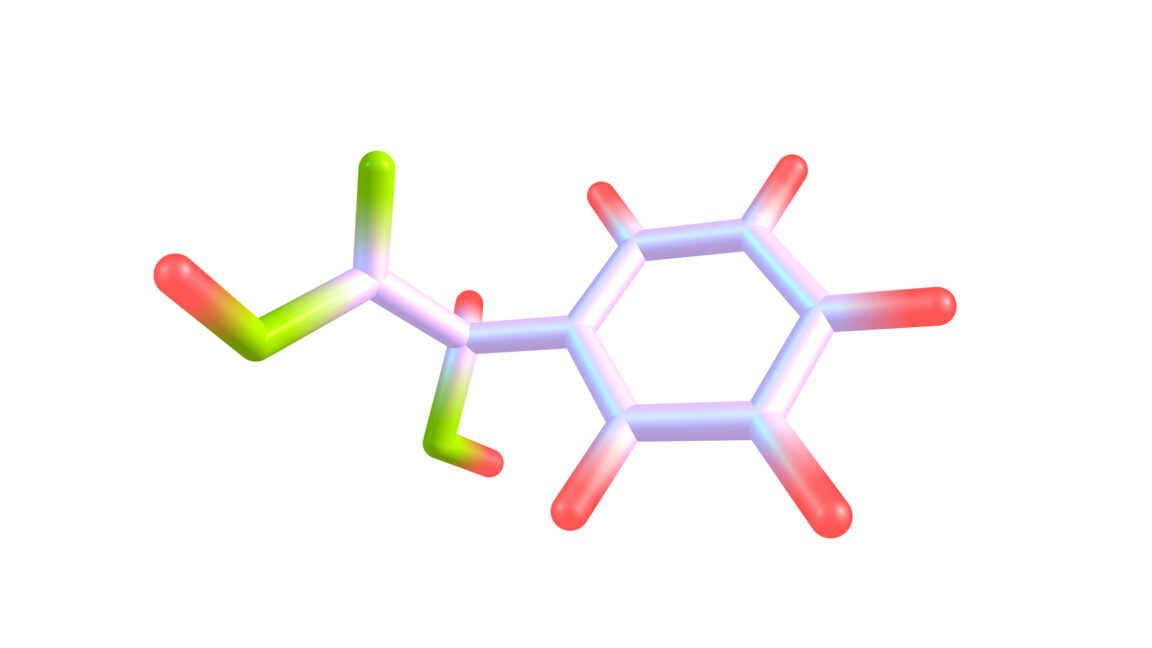
Life is remarkably selective. Life relies on many molecules with what is termed "handedness"—they're chemically identical but are mirror images of each other. Most chemical reactions will make a 50-50 mix of the left- and right-handed forms of a chemical, but life uses only one of them. In fact, because of the differences between left- and right-handed chemicals, most of the key enzymes used by organisms will fail to work if they're presented with chemicals that have the wrong handedness.

That poses a bit of a challenge for origin-of-life research, as we're forced to explain how a world that may have started with an even mix of left- and right-handed chemicals produced organisms that only used one of them.

Today's Nobel Prize in Chemistry goes to two individuals, Henri Kagan and Kenso Soai, who discovered chemical reactions could be biased, producing large excesses of one of the two forms of a chemical.
Read full article

Comments

© ollaweila

  •  

If you're looking, here's a "good deal" for NASA and the European Space Agency

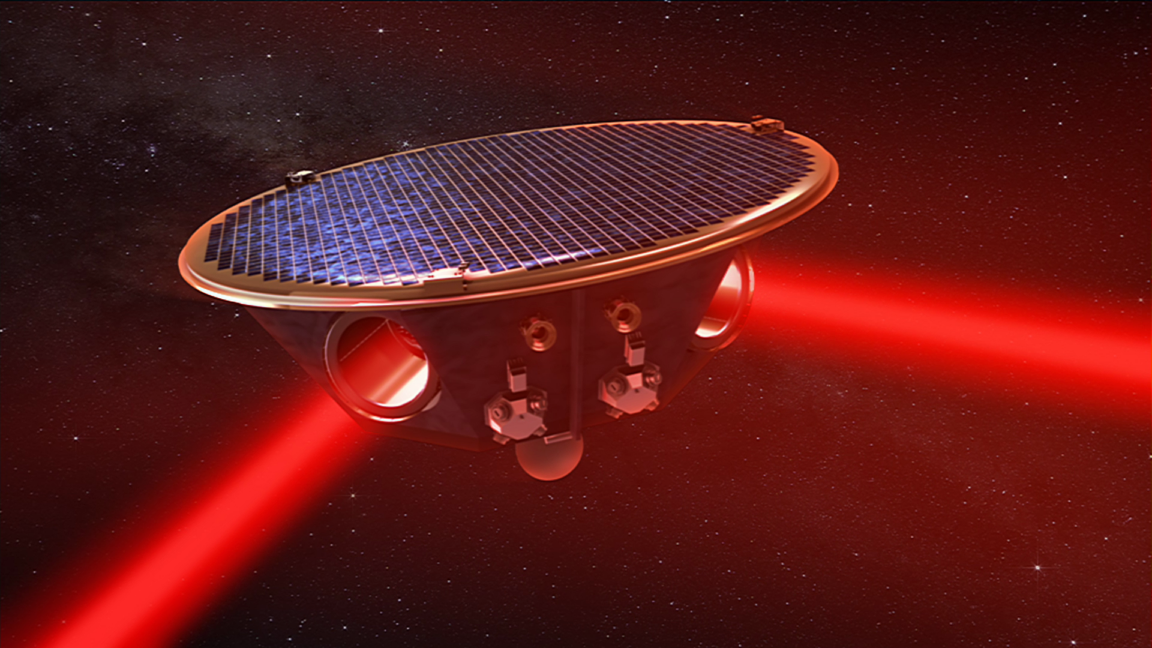
It's no surprise that NASA's new tack toward foreign partnerships—good deals only, please—is challenging preconceived notions of international cooperation in space.

Without a massive budget hike, the US space agency's emphasis on building a Moon Base and winning a competition for lunar real estate and resources with China will inevitably leave lesser priorities behind.

Gone is the Lunar Gateway, a space station that was to be assembled in orbit around the Moon. For the United States, Gateway was an unnecessary distraction and expense as NASA goes all-in on placing a surface station near the Moon's south pole.

Read full article

Comments

© AEI/MM/Exozet

  •  

It looks like the Atlantic storm season may finally produce a hurricane

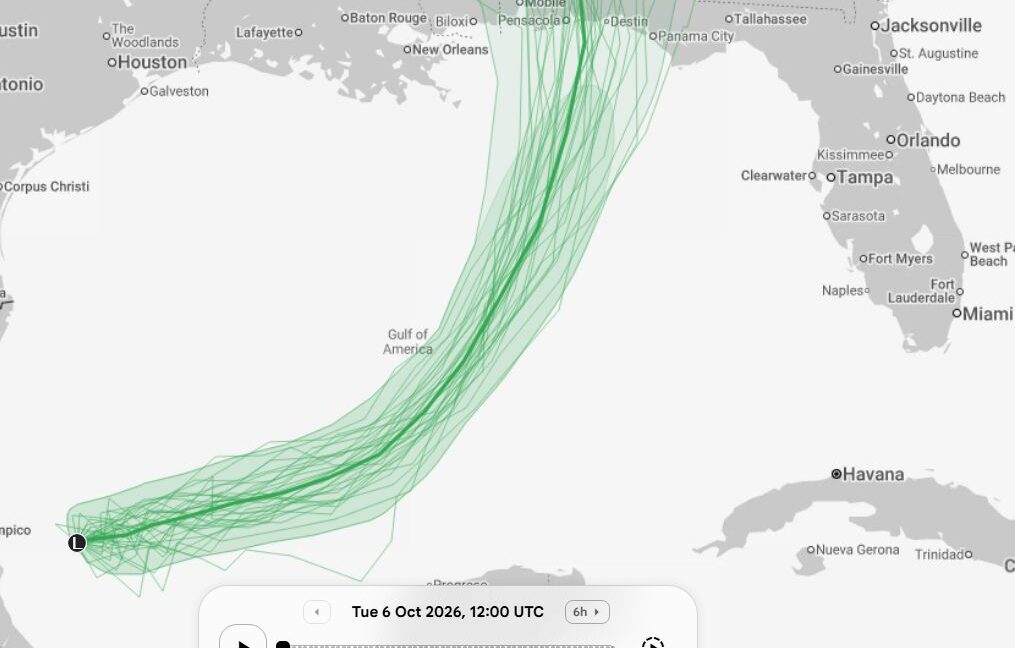
A low-pressure system in the western Gulf of Mexico should soon become a tropical storm, and based on the latest forecast modeling, it has a decent chance of becoming a hurricane.

Normally, a hurricane forming in early October would not be particularly noteworthy. However, this year the development of a hurricane would be a big deal—because it has not happened yet.

In the modern hurricane record—an era dating to about World War II when there has been aircraft reconnaissance and later continuous satellite coverage—there has never been an Atlantic season without a hurricane, and no season has gone this late without one forming.

Read full article

Comments

© Google Weather Lab

  •  

Neutrino physicist wins 2026 Nobel Physics Prize

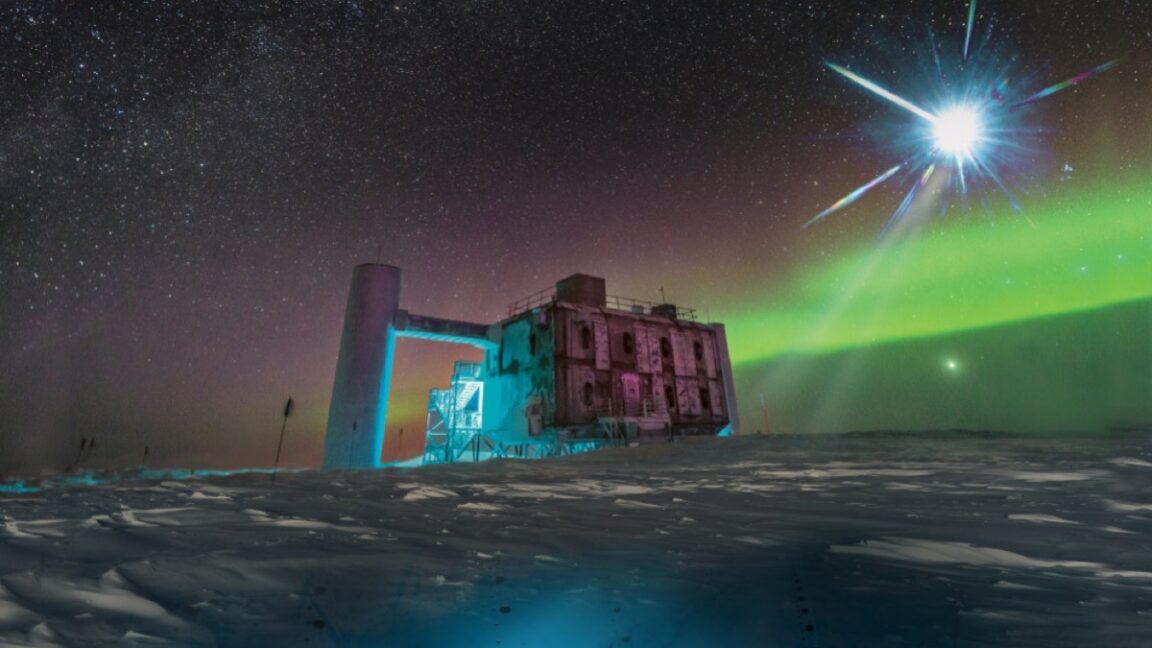
Francis Halzen, a physicist at the University of Wisconsin, Madison, has won the 2026 Nobel Prize in Physics "for decisive contributions to the IceCube Neutrino Observatory and the discovery of high-energy neutrinos of astrophysical origin.” Halzen spearheaded the development and construction of the IceCube Neutrino Observatory in Antarctica, enabling physicists to capture high-energy neutrinos created in the distant universe.

“It was a great surprise, and I obviously didn’t expect it,” Halzen said during a news conference in Stockholm, Sweden, speaking by phone from Italy. While the Nobel was awarded to Halzen, he emphasized that his work was the result of a “large collaboration” with other researchers.

“This reflects on the really courageous people who joined me in this project when really no respectable conservative physicist would have joined me. But many talented people did, and that’s why I’m here,” he said.

Read full article

Comments

© IceCube/NSF

  •  
❌