❌

Reading view

F1 in Singapore: There's a new fastest car now

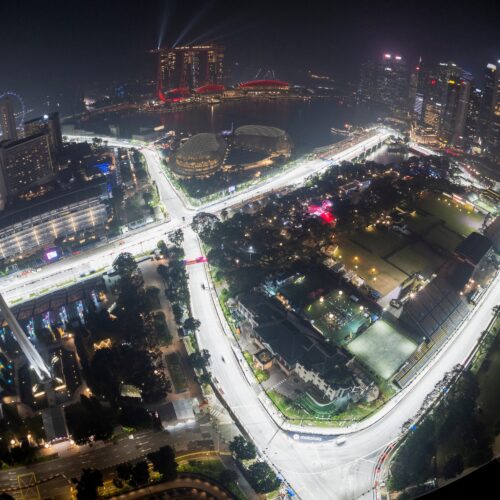
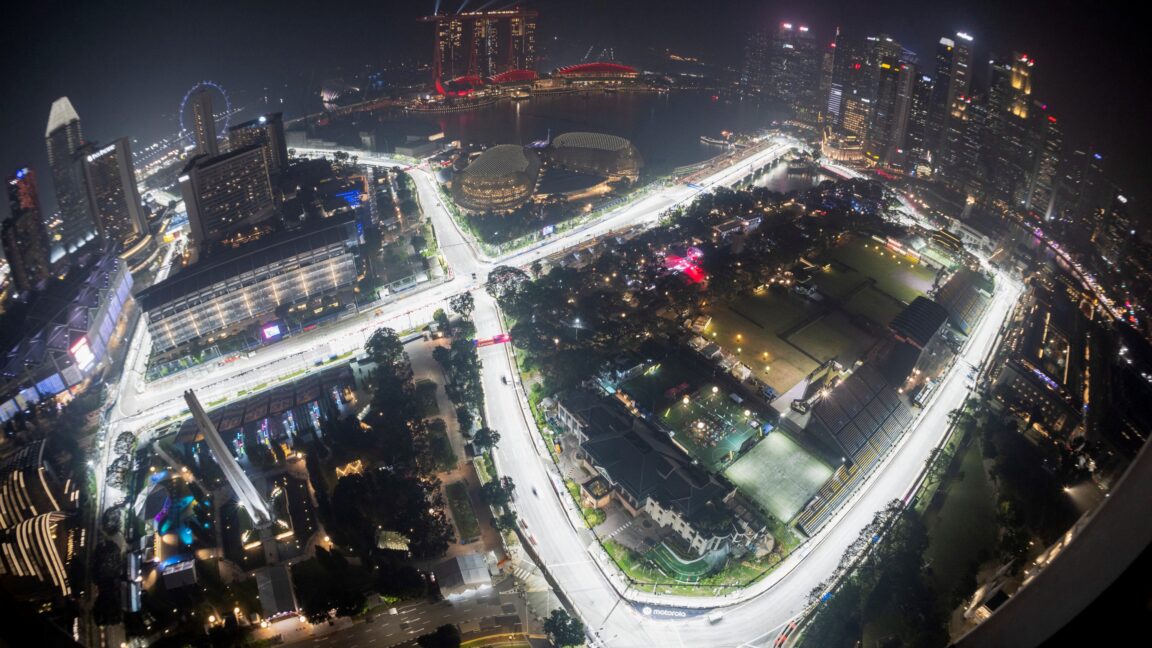
Formula 1’s lengthy 2026 season is entering its final stretch. The sport took to the floodlit streets of Singapore on Sunday night, but Saturday saw action, too; this Grand Prix weekend was also the final of six sprints this year. The night race might be one of modern F1’s greatest spectacles. From overhead shots, the track becomes a bright, illuminated ribbon among the looming darkness of the city-state’s overpasses and skyscrapers. At ground level, the cars shower glittering sparks from their titanium skid blocks as the drivers flirt with how close they can get to the walls. As tracks go, the 90-degree turns and concrete barrier-lined streets were a world away from the abrasive tarmac and ample runoff of Malaysia last time out. But the tropical heat and humidity were a constant given both locations’ proximity to the equator.

Showers for the sprint

In Malaysia (which was still technically the Bahrain GP), a pre-race downpour disrupted things mightily. On Saturday morning in Singapore, shortly before the start of the sprint, it seemed history was about to rhyme when the skies opened. With standing water in places on the track, the sprint was delayed by 30 minutes. The sprint format, where a short extra race replaces a practice session a day before the main event, is unloved by the drivers and teams. For one thing, there’s little prestige in winning Saturday’s sprint. And with qualifying just a few hours later, risk-taking is discouraged lest one wreck the car and ruin Sunday’s race a day early.
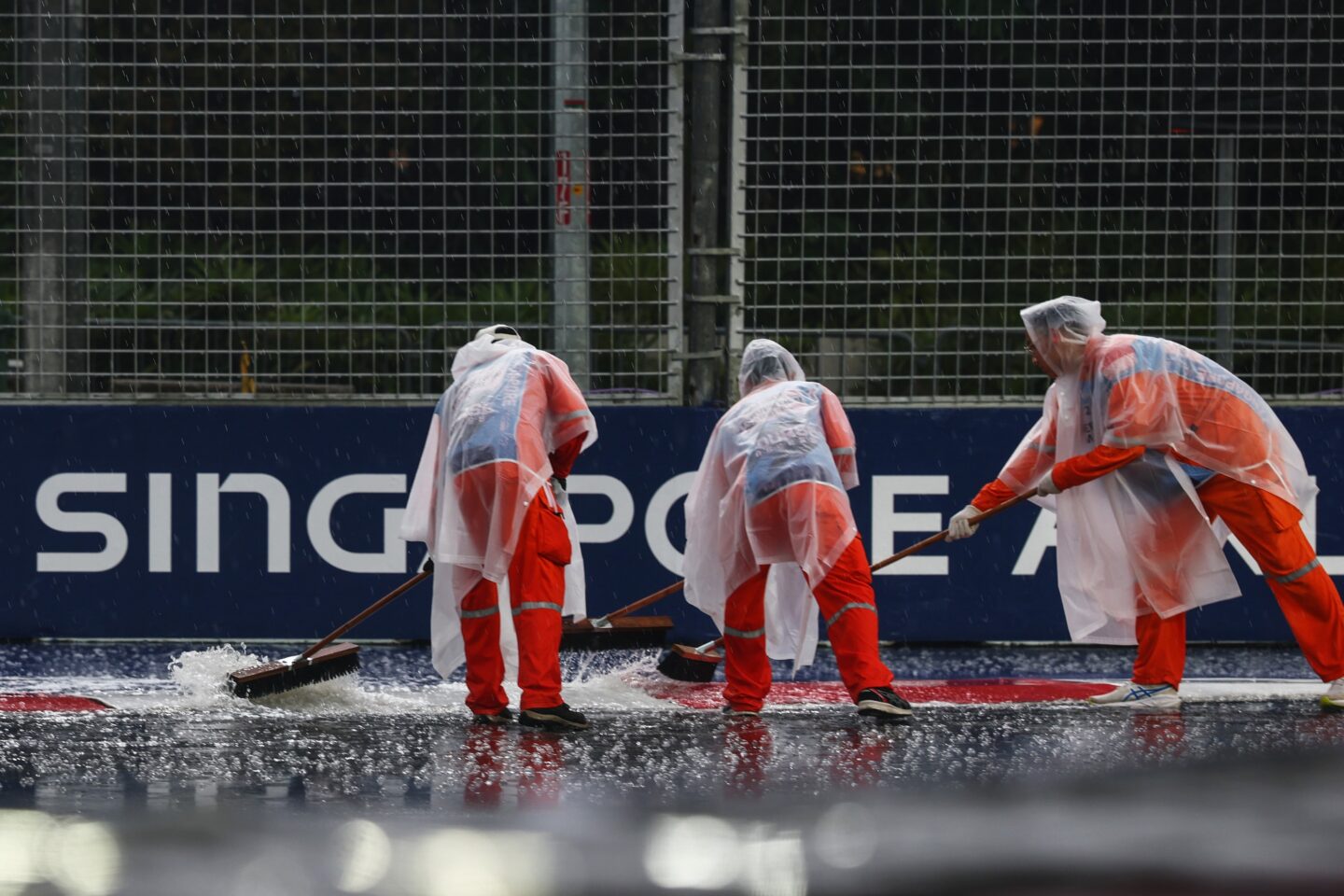
SINGAPORE, SINGAPORE - OCTOBER 10: Marshals sweep away the standing water on track as the rain falls prior to the Sprint ahead of the F1 Grand Prix of Singapore at Marina Bay Street Circuit on October 10, 2026 in Singapore, Singapore. (Photo by Mark Thompson/Getty Images) Oh no, not again! Credit: Mark Thompson/Getty Images

And in Singapore, like most street circuits, the proximity of the unyielding barriers that line the track means there are real, punishing consequences for getting it even a little wrong.
Read full article

Comments

© Then Chih Wey/Xinhua via Getty Images
  •  

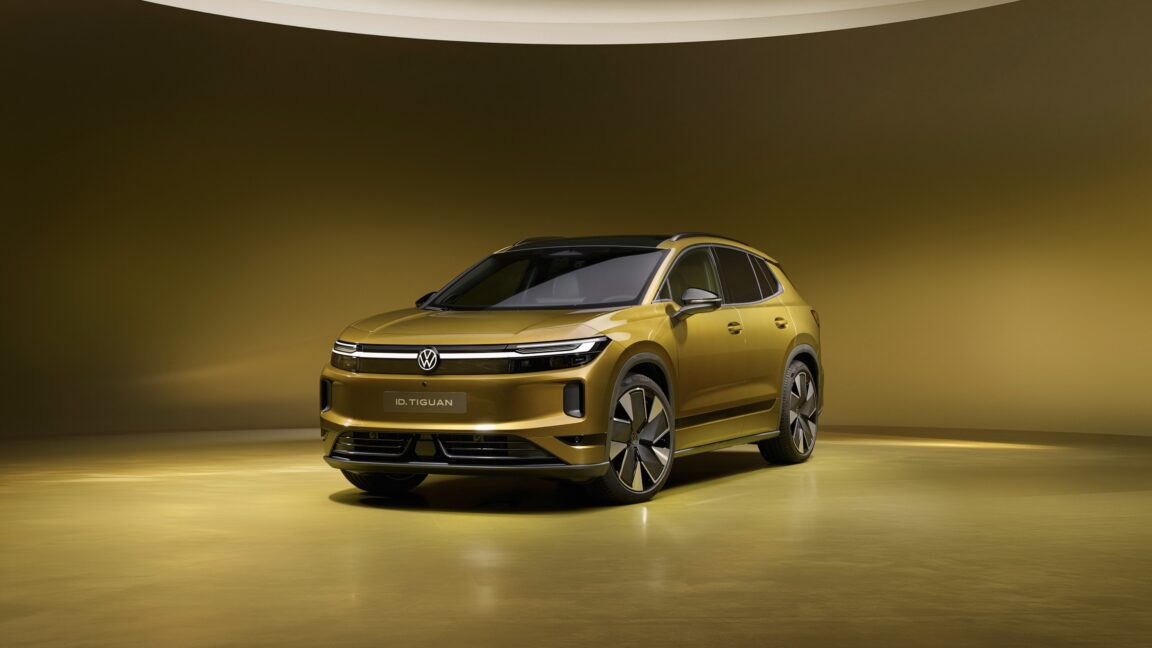
Volkswagen's replacement for the ID.4 crossover is here

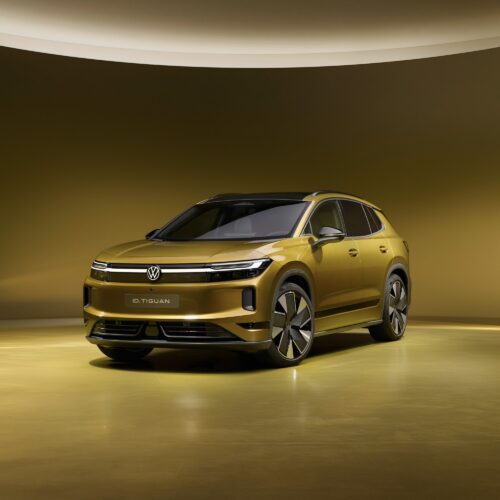
Volkswagen’s ID.4 is no more. The midsize crossover debuted in 2021, one of VW's first new electric vehicles designed in the wake of dieselgate. A year later, the company began local production in Chattanooga, Tennessee, and a couple of years ago facelifted the model, adding a much-improved rear drive unit in the process. But Chattanooga turned its attention away from the ID.4 earlier this year. And, having sold almost a million ID.4s (and near-identical ID.5s) globally, the German automaker has decided it’s time for its replacement. Meet the ID. Tiguan.

Dropping the numerical and adopting the moniker of VW’s big seller is a statement. “The Tiguan is our best-selling model worldwide, and the ID.4 and ID.5 are among our most successful electric cars. The ID. Tiguan brings these two success stories together,” said Thomas Schäfer, CEO of the VW brand.

VW was an early pioneer of using flexible vehicle architectures to create a multitude of bodystyles and sizes with common parts, and its transition into building EVs hasn’t changed that. The ID. Tiguan uses an updated version of the company’s mass-market EV platform, now called MEB+, with either 58 kWh or 77 kWh battery packs. The smaller pack is only available with a 187 hp (140 kW) rear electric motor, but the 77 kWh battery can be had with either a 281 hp (210 kW) rear-wheel drive powertrain or as a 295 hp (220 kW) all-wheel drive version. Range is up to 373 miles (600 km), at least according to the European WLTP test.

Read full article

Comments

© Volkswagen

  •  

Feds get ready to rewrite car headlight rules

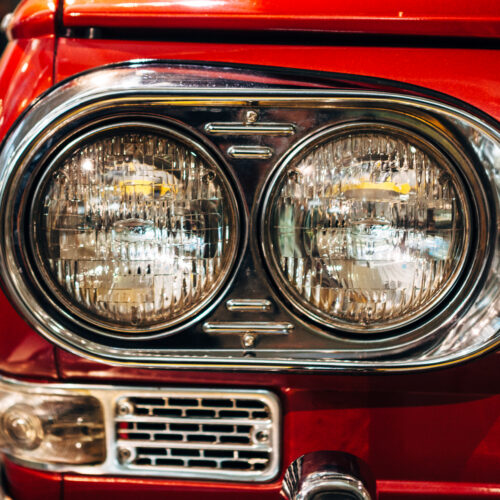
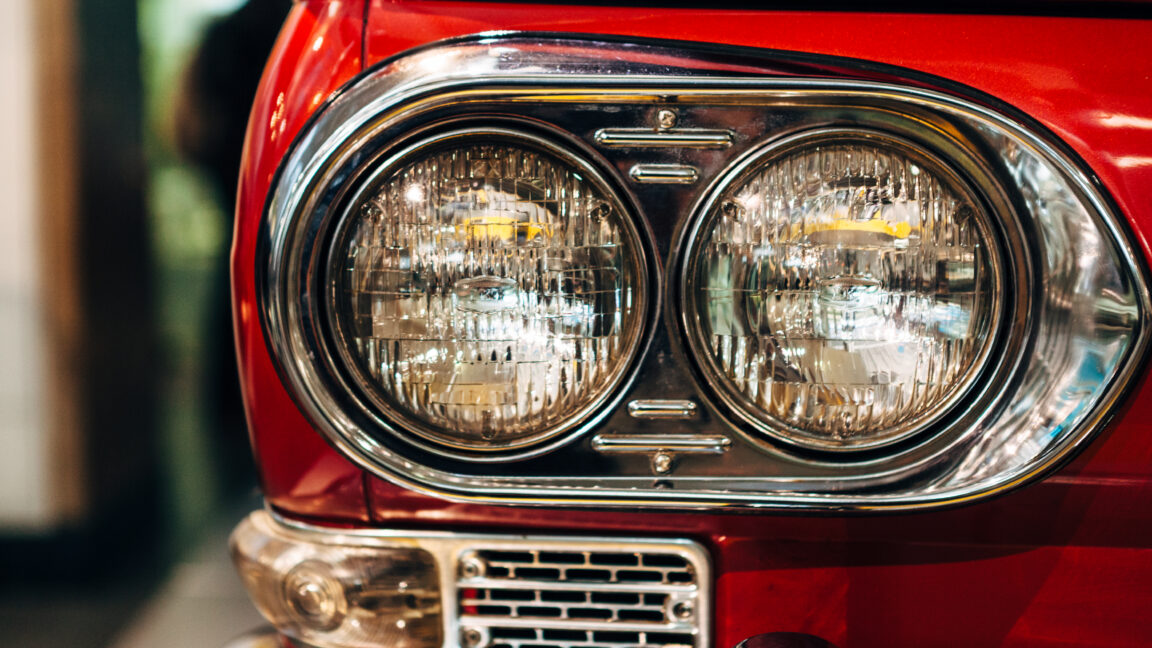
One of the regulations that make vehicles in the US different from those in Europe or Japan is our headlight rules. They’re laid out in the Federal Motor Vehicle Safety Standards (FMVSS), and changing them is—or used to be—a lengthy, laborious process, which is a major reason automotive lighting technology has lagged in the US. But the current administration says it’s time for “bolstering driver safety, slashing red tape, and embracing new technologies,” so it’s going to start a negotiated rulemaking process to rewrite the regulations to suit 2026.

“Today’s standards do not allow automakers to deploy the latest safety-improving lighting technologies, so we are bringing key experts and stakeholders together to modernize our standards and address potential causes of glare,” the National Highway Traffic Safety Administration's Jonathan Morrison said. “This collaborative approach will allow us to update outdated regulations, foster innovation, and keep everyone on our roads safer.”

While it is fair to be skeptical of the government's efforts to streamline bureaucracy, it is also fair to say US headlight regulations really could use an update.

Read full article

Comments

© Getty Images

  •  

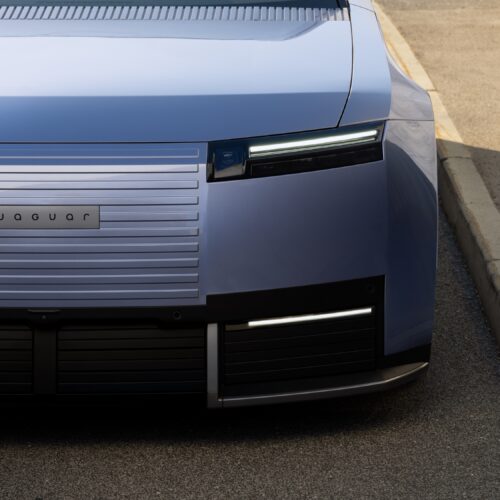
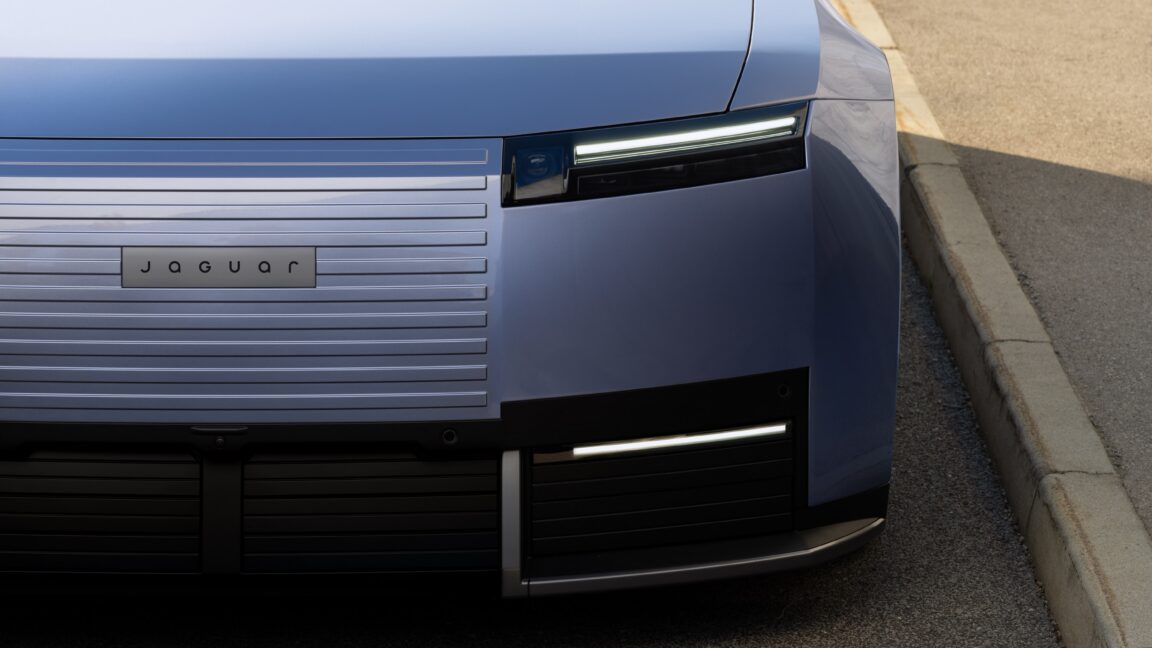
Jaguar Type 01 debuts; now, no one remembers the electric Ferrari

Does it feel like people are perhaps a little grumpier or more on edge these days? It’s not like it’s without reason. There are wars. The climate is going haywire. Someone just died of plague. Scientific research is under attack. Machines keep stealing humans’ work. The media is a mess. And just when it all starts to feel a little overwhelming, Jaguar goes and unveils a new car.

The Type 01 is the first model to arrive from Jaguar’s rebirth. The British carmaker was an early entrant to the modern EV market with the 2017 I-Pace, which was fun to drive even if it was too small inside and perhaps completely unreliable. An all-electric sedan was supposed to be next, but a year from the showroom, it was abruptly canceled, leaving the automaker with nothing to sell as old models like the F-Pace ceased production.

Instead, Jaguar got to work on an all-new electric vehicle platform called JEA, which will underpin an all-electric product line. An elevated ownership experience and a starting price of about double the brand’s previous $60,000 entry point was the idea, Jaguar boss Rawdon Glover told me in 2024. Then last year the brand started teasing its relaunch, and everyone got upset. Things got even worse when the first images of the slab-sided and pastel-shaded Type 00 coupe concept leaked.

Read full article

Comments

© Jaguar

  •  

AI/ML is becoming a performance factor in motorsport

There’s been something of a change in the world of motorsport over the past few years. It has to do with where the money comes from. In the old days, it was tobacco and, to a lesser extent, booze. Today such things are mostly banned, and when you look at a racecar covered in sponsor logos, you’re likely to see something crypto-, cyber-, or AI-related.

This makes sense—an ever-larger share of our GDP is wrapped up in those segments. They’re the ones with all the money, and it takes money to go racing. So at the amateur level, we’ve seen tech CEOs replace dentists as the privateer of choice: This past weekend’s Petit Le Mans included co-founders of GitHub, CrowdStrike, Shopify, and the creator of Ruby on Rails, to name a few.

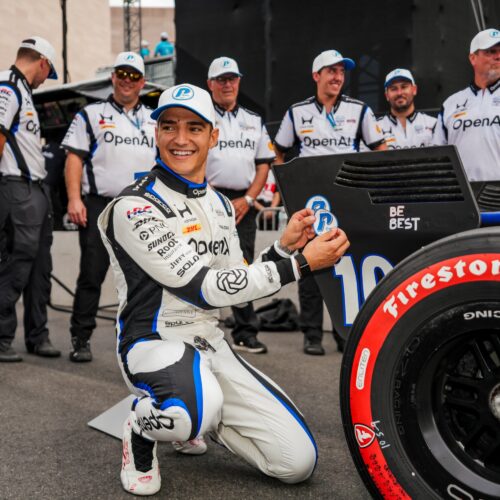
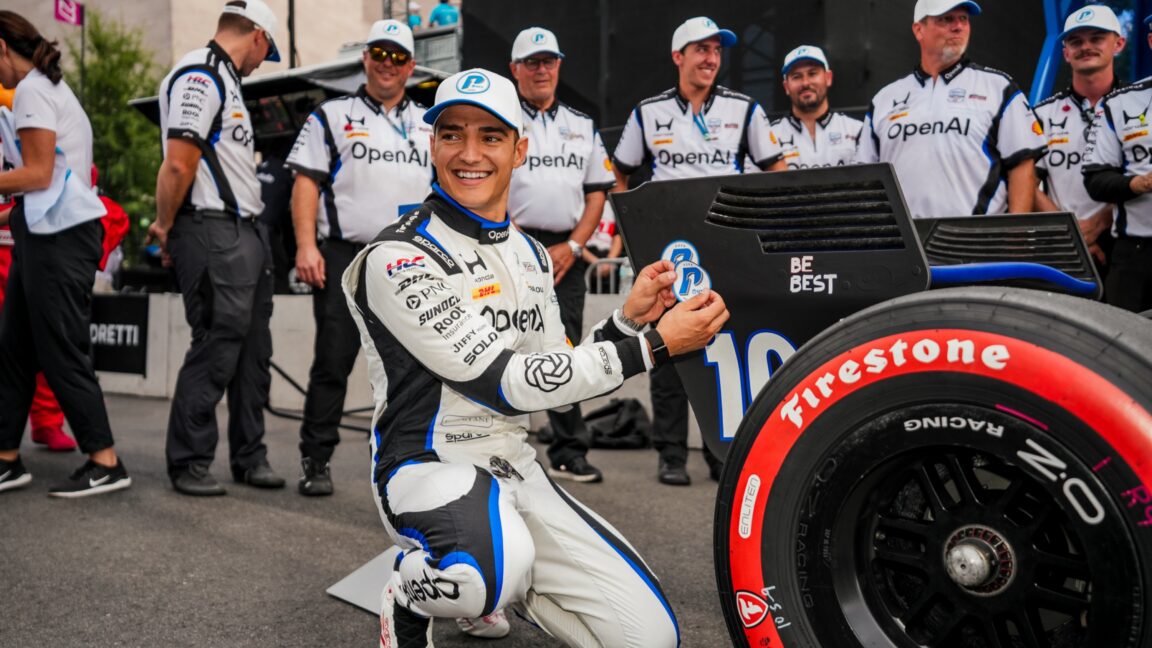
But this is an instance where a sponsor can provide tangible benefits to their motorsports partner beyond a bank transfer, as Chip Ganassi Racing (CGR) and OpenAI have been showing in IndyCar this year.

Read full article

Comments

© Chip Ganassi Racing

  •  
❌