❌

Reading view

Google announces the Fitbit Edge, a middle ground between Pixel Watch 5 and Fitbit Air

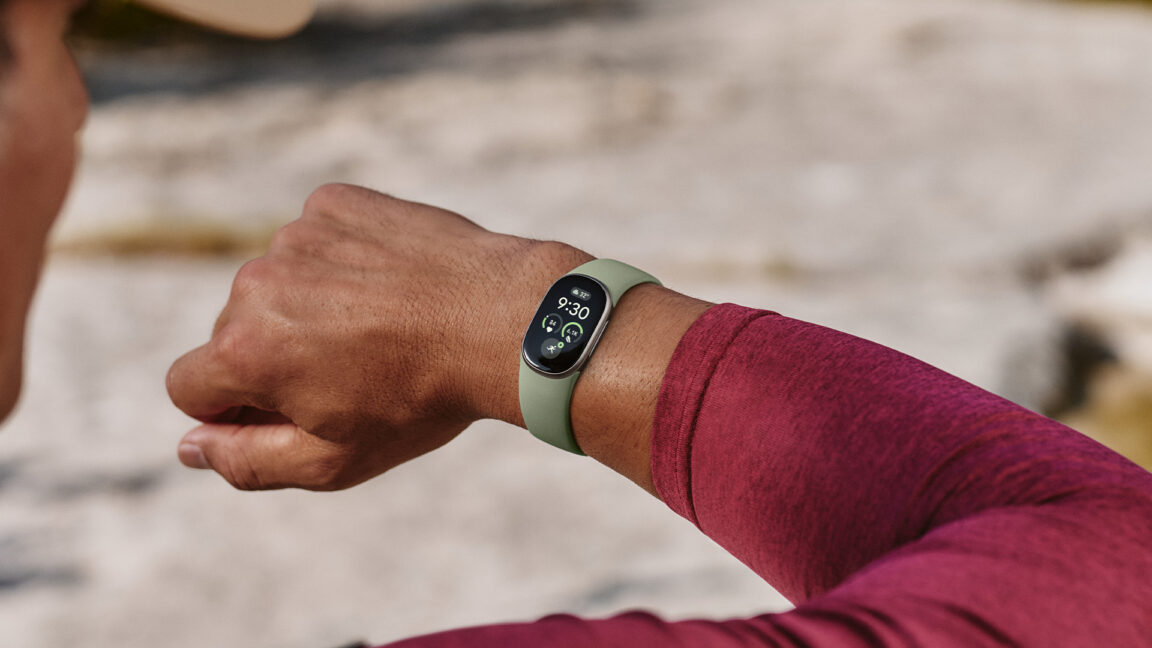
Google is releasing its second Fitbit tracker of 2026, offering fans of the aging Charge 6 a more refined option. The new Fitbit Edge slots right in between the Pixel Watch 5 and the Fitbit Air, featuring a compact screen and more health sensors than the Air. You won't get all the apps and features of the Pixel Watch 5, but the Edge is only about half as expensive.

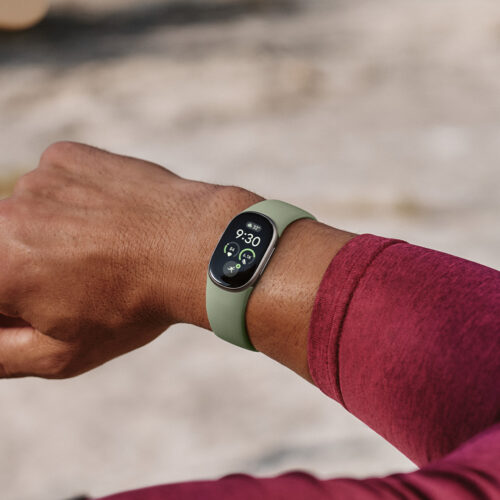
The Fitbit Edge is essentially a new Charge 6, but it has more of a Pixel Watch aesthetic. Squish Google's smartwatch from the sides, and you've got the Edge. It has a pill-shaped 1.34-inch OLED touch display inside a slender aluminum frame that is rated IP68 (5 ATM) for water and dust protection. Google says the screen has 46 percent more viewable area compared to the Charge 6. It's very close in overall size to the Fitbit Air and uses the same magnetic charging puck.
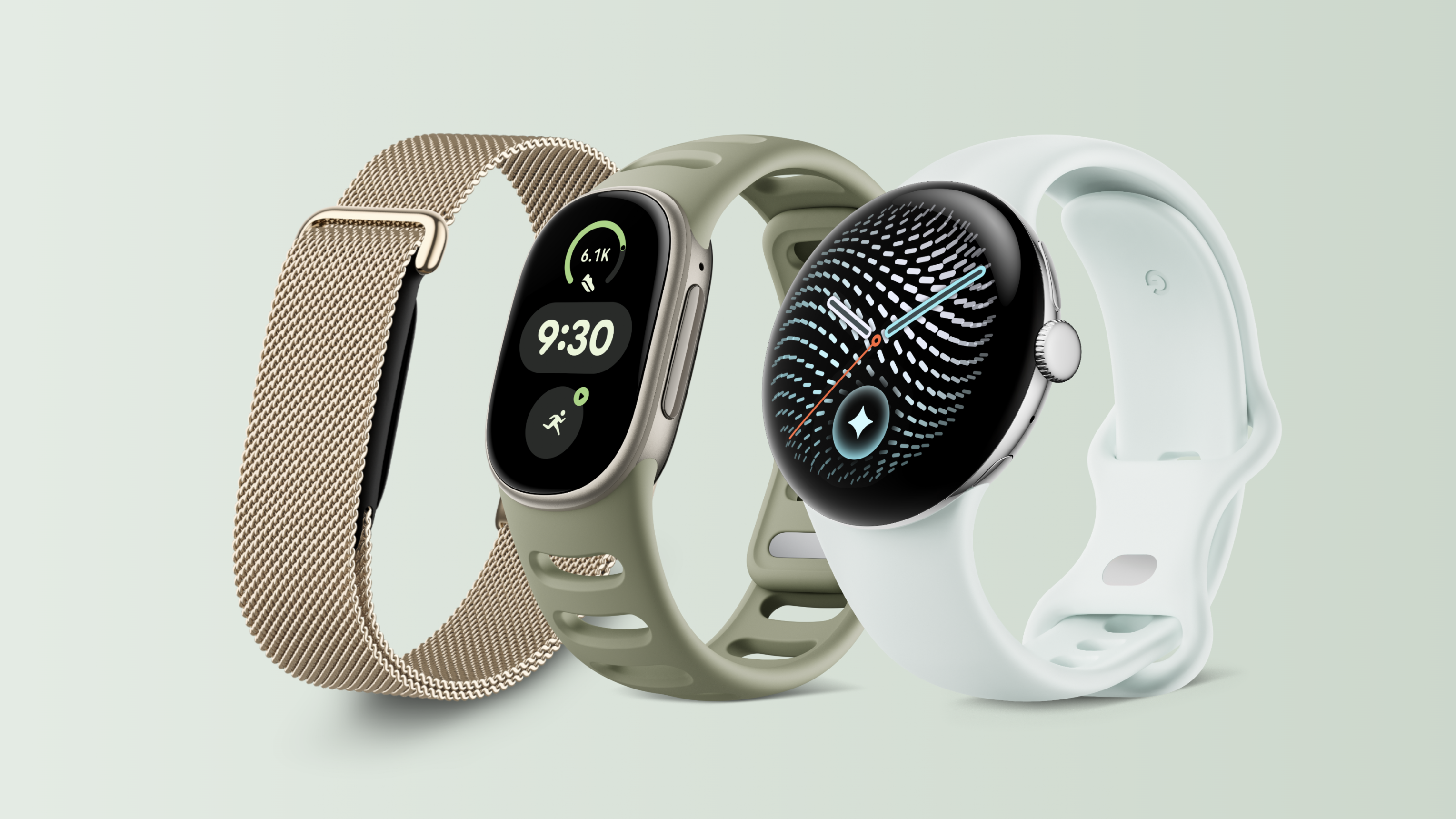
Left to right: Fitbit Air (with new metal mesh band), Fitbit Edge, and Pixel Watch 5. Credit: Google

The Edge works with Android or iPhones via the Google Health app, and it can run for about seven days on a charge. If the tracker is away from your phone, it can still follow your activity all week with support for seven days of full health data storage (or 30 days of basic data). However, the generous weeklong battery life does not include always-on display mode. If you turn it on, battery life drops to about two days, barely longer than the Pixel Watch 5.
Read full article

Comments

Β© Google

  •  

Amazon's new Alexa Tablets drop the Fire branding but are more Android than ever

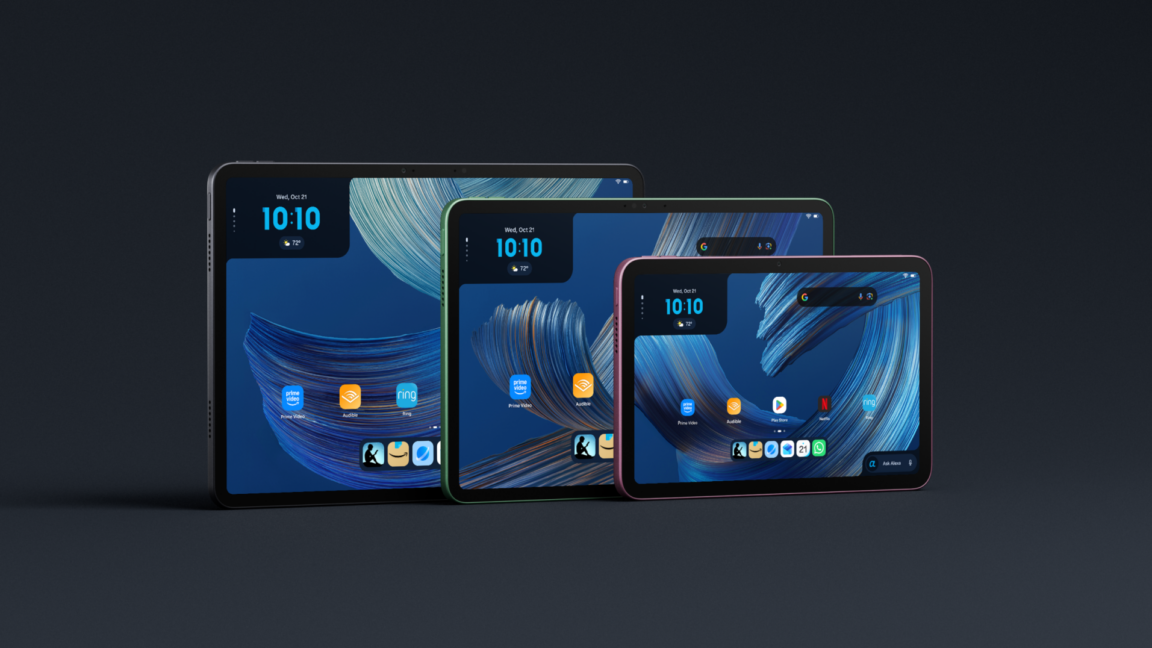
For the last 15 years, you've been able to buy a Fire tablet from Amazon. Which Fire tablet? It doesn't matterβ€”like Kindles, they have been pretty much the same year to year. The company's new tablet lineup is a big change, though. Amazon has dropped the Fire branding in favor of Alexa, and the new Alexa Tablets are now Google-certified Android devices.

Throughout the history of Fire Tablets, Amazon downplayed its use of Android. They ran Android apps from the company's Appstore platform, but there was no Google integration with "Fire OS." However, Amazon shut down its app store last year. The new Alexa Tablets run full-fledged Google-y versions of Android with the Play Store and all the apps you'd expect. This contrasts sharply with Amazon's Fire Sticks, which have abandoned Android forΒ the custom Linux-based Vega OS.

The Alexa Tablet lineup consists of three devices, all redesigned with unibody aluminum housings. The Alexa Tablet 8 starts at $230, and the Tablet 11 jumps to $330. They run on the budget MediaTek 8189 processor, but that's still an upgrade from the last-gen Fire tablets. Both devices have 16:10 display ratios that are better for watching video, but the flagship tablet is a little different.

Read full article

Comments

Β© Amazon

  •  

Google rolls out improved SynthID AI content detector, now available globally

Every piece of AI content from Google's Gemini models has a hidden SynthID label, which makes it very difficult to pass the content off as authentic. SynthID has also gotten buy-in from other major AI players, but actually checking for those invisible watermarks has been a convoluted process. It's going to be a little easier going forward, though. Google has announced that its SynthID detector now supports watermarks from all its partners, and it's available for anyone to use on a new dedicated website.

SynthID is an invisible signal encoded in the pixels of AI-generated images and videos, and in the waveform of AI audio. Google says Gemini alone has integrated SynthID with over 180 billion images and videos, plus 240,000 years of audio. Until now, the only way for those outside of Google's trusted tester program to check for SynthID was to ask Gemini. This is rather clunky, and the model's output could sometimes be confusing when you just wanted a simple "yes" or "no."

Now you can cut Gemini out of the loop. Starting today, you can go to the new SynthID.com website to check a piece of content for an AI watermark. A major limitation of Google's previous detector was that it only checked for Google's version of SynthID. Even though ChatGPT images, for example, have SynthID, they wouldn't be flagged in Google's detector. That's no longer a problem.

Read full article

Comments

Β© Aurich Lawson

  •  

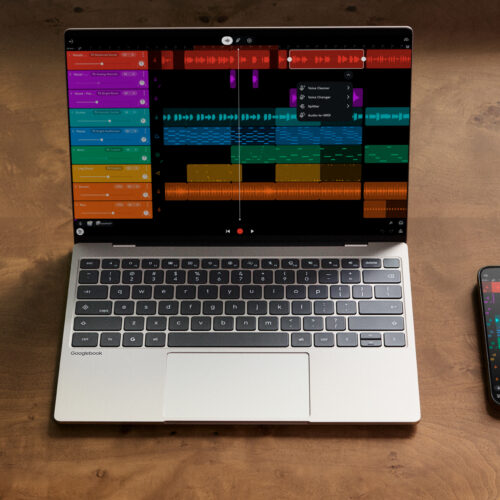
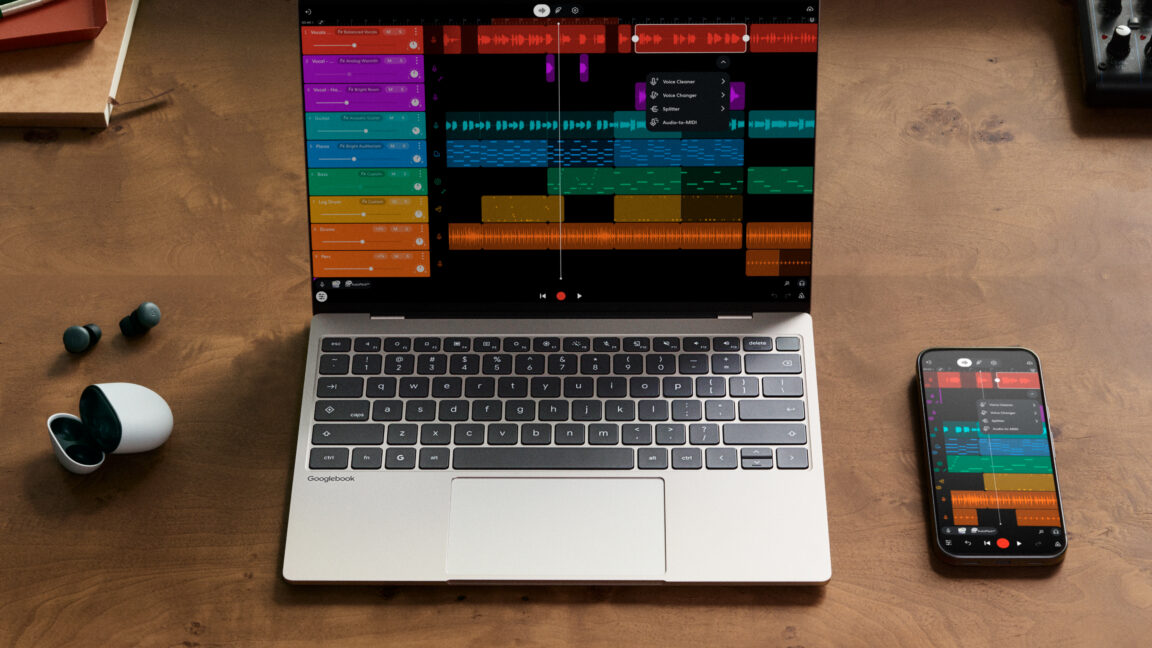
Googlebook "Better Together" phone features don't work with Samsung at launch

Googlebooks are Google's latest attempt to carve out a piece of the premium laptop market, and tight integration with Android phones is a key part of that effort. Now that Googlebooks are available, we're learning of some frustrating limitations of that plan. For now, Googlebooks will only play nicely with your phone if you have a Pixel.

When Google announced the launch window for Googlebooks, it said the laptops were "engineered to work with your Android phone right out of the box." But as with many things Google, the truth is more convoluted. We have since learned that you need Android 17 for any of the nifty integrations to work. With a compatible Android 17 phone, you can seamlessly stream apps to your laptop, access files on your phone, mirror notifications, and continue where you left off in certain apps when switching from phone to laptop.

You might think that the latest Samsung phones, which shipped with Android 17, would be ready for this experience. You'd be wrong, though. Some early Googlebook adopters have complained that phones like the Z Fold 8 won't work with the laptops. While the devices appear to see each other, the phone doesn't stay connected. Google representatives have since confirmed that these "Better Together" features are not currently supported on even the latest Samsung phones. An update that brings support to Samsung phones will roll out in "the coming weeks."

Read full article

Comments

Β© Google

  •  
❌