❌

Reading view

Microsoft reportedly projects $1,200 to $1,800 price for 2028 Project Helix

We haven't heard many details about Microsoft's upcoming "Project Helix" gaming hardware since the company announced it in March as a device that will "play your Xbox and PC games." In a new wide-ranging profile of Xbox CEO Asha Sharma, though, Fortune alludes to a dual release strategy for upcoming Microsoft gaming hardware, with "a next-generation handheld device" planned by the end of next year and a 2028 holiday season console release that could cost between $1,200 and $1,800.

That future console price range is based on what has "internally been projected" at the company, according to Fortune. But the price for consumers could come down if "Microsoft decides to subsidize the cost," the outlet says, as many console makers have done in the past.

While a $1,200 starting price would be historically high for the game console market, even accounting for inflation, it also reflects a new normal: The slowdown in Moore's Law and AI-driven component shortages means cutting-edge gaming hardware just isn't as cheap as it used to be. This year, the Steam Machine broke the $1,000 starting price, while the 2-year-old technology in the PlayStation 5 Pro is now going for $900, and the 6-year-old Xbox Series X now starts at $750.


Read full article

Comments

  •  

AI game clones are making indie developers afraid to show their work

Since its earliest days, the video game industry has been built on developers creating clones of competing games, with varying levels of originality and varying levels of enforcement from game platforms. Now, though, AI coding tools are making that cloning process so efficient that many developers are getting extremely cautious about sharing their early work too widely.

Developer Alliance Arts highlighted this trend over the weekend, delaying the launch of a planned public demo for its demon-themed Russian Roulette drinking game Drunken Goddess Reflux, which had been set to go live with today's launch of Steam Next Fest.

In a post on social media Friday evening, the Alliance Arts team wrote that, in addition to concerns about managing streaming restrictions, "we're concerned that the demo's content could be used to quickly imitate or replicate the game's presentation and gameplay with AI or other tools and that such works could be released before our launch."

Read full article

Comments

  •  

Why BioWare's Neverwinter Nights still has thousands of active players

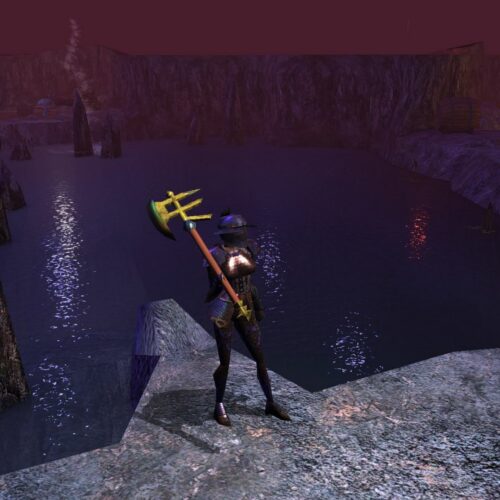
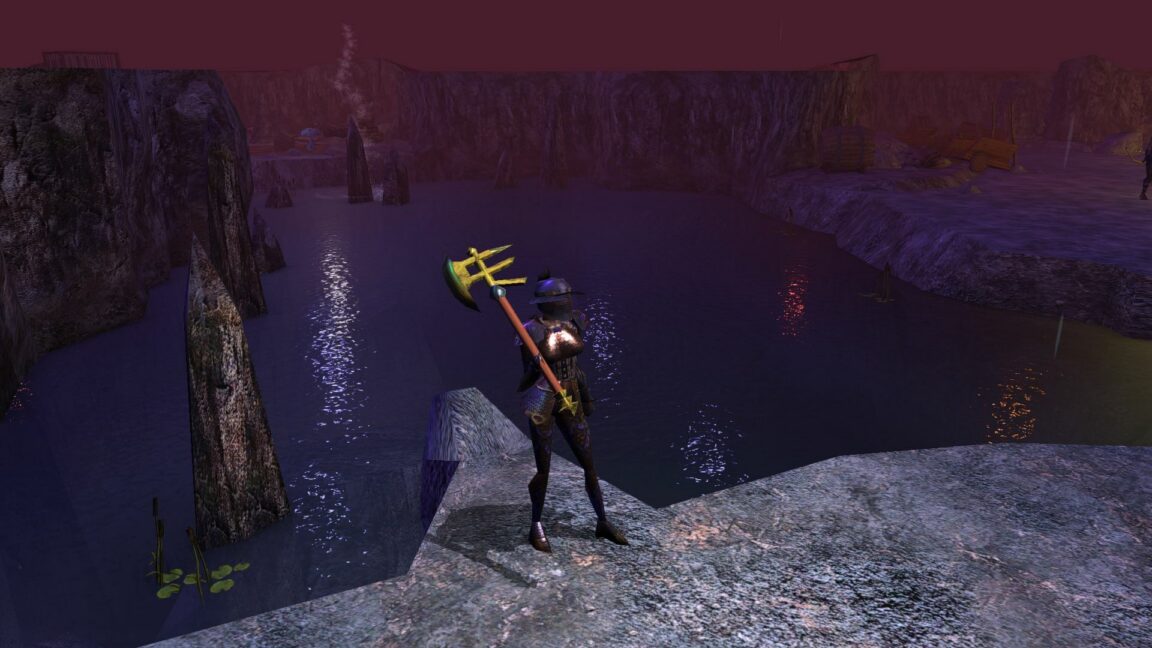
Neverwinter Nights was made by the studio that produced seminal RPGs Baldur's Gate, Star Wars: Knights of the Old Republic, Mass Effect, and Dragon Age. It sold well and was critically acclaimed at launch. Yet, somehow, it has not been canonized in most gamers' minds over the decades the same way the games that came before and after it were.

Nonetheless, more than two decades later, it still has a tight-knit and surprisingly active community that none of those other games can rival. I think that's partly because it was a completely different beast.

Read full article

Comments

Β© GOG

  •  

US Rep proposes bill to give video game buyers "ownership," not "a license"

A new bill proposed by Rep. Ritchie Torres (D-NY) aims to establish new regulations that would ensure that "buying a video game would give the consumer ownership of the game rather than a license to play it," including assurances that they can continue to access the games for years after they are released.

The announcement names NBA 2K25 as an example of the problem the bill aims to solve; that game launched on September 6, 2025, but is scheduled to become unplayable on December 31 due to server shutdowns. The bill, which is called the Power to Players Act, directs the FTC to take action to prevent outcomes like that in the future.

Read full article

Comments

Β© House of Representatives

  •  

Epic says its new vibe-coded Epic Games Launcher is faster than Steam

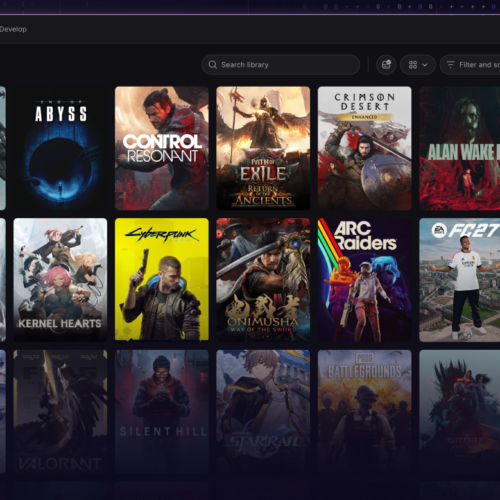
Nearly eight years after Epic took on Steam with its own Game Store and launcher, the Fortnite maker is deploying a new tool to give it an edge over Valve: vibe coding.

In announcing the new publicly available "Preview" build of its Epic Games Launcher, Epic writes that "programming is hard. So, instead of doing that, we vibe coded a new Epic Games Launcher that’s way faster and more responsive than the current one, and has a new look." And while that might sound a little tongue-in-cheek, Epic Games Store General Manager and VP Martin Keely told PC Gamer that the team "started from scratch" and used AI as "a tool to write and review new features and new capabilities from the ground up in a different tech stack than what we had previously." The goal, Keely said, was to "look at functionality that existed [in the current Epic Games Launcher] and [say] we want to replicate that, but not the code itself."

Speaking to IGN, Keely clarified that using AI to code the new Launcher "made us more efficient and allowed a small team to rewrite the code base and be able to launch it faster across platforms, support Windows and Mac, and we're going to have a Linux version as well."

Read full article

Comments

Β© Epic

  •  

Legendary FPS level designer Richard "Levelord" Gray dies at 68

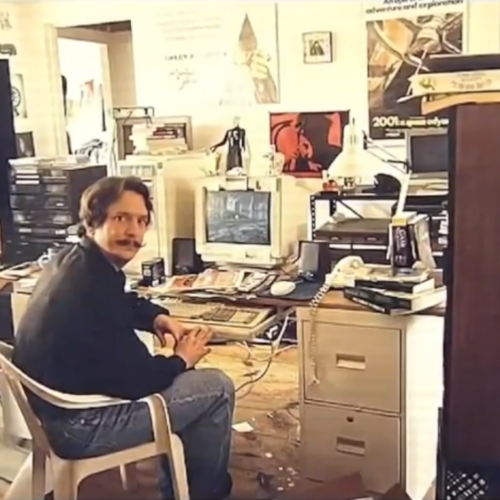
Prolific first-person shooter level designer Richard "Levelord" Gray died Monday at the age of 68, based on reports shared on social media by Apogee Entertainment yesterday. He had "dealt with cancer on and off for a while now," according to former colleague Joe Siegler.

After studying computer engineering in the '80s and tinkering on some early games in COBOL, Gray broke into the industry at the age of 35 in 1994 with the launch of GrayDoom, a set of four maps for the then-new Doom that were widely shared on CompuServe and beyond. The work attracted the attention of Q Studios' Nick Newhard, who contracted Gray to work on level design for the late '90s cult classic Blood.

Gray was subsequently hired by 3D Realms, where he said he was given free rein in designing "half the levels" for Duke Nukem 3D. There, he was also responsible for the famous, signed "You're Not Supposed to Be Here" easter egg, which players could find only by using cheats to explore outside of the usual confines of the map.

Read full article

Comments

Β© Apogee Entertainment

  •  

ESA targets Anbernic emulation handhelds as "superfake" piracy enablers

For years, Chinese hardware manufacturers have carved out a market niche with an array of handheld Android gaming devices focused on retro emulation and/or more modern game-streaming capabilities. Now, though, a major game industry trade group is targeting one of those manufacturers, Anbernic, asking the US Trade Representative (USTR) to add the company to its list of "Notorious Markets" that "engage in or facilitate substantial copyright piracy or trademark counterfeiting."

TorrentFreak was among the first to notice the request from the Entertainment Software Association (ESA), which was submitted to the USTR last week. In it, the US trade groupβ€”which represents major publishers including Nintendo, Microsoft, PlayStation, Amazon, Epic, EA, Ubisoft, and moreβ€”notes that Anbernic devices "are routinely offered or shipped with removable memory cards preloaded with hundreds or thousands of unauthorized copies of copyright-protected video games published by ESA members."

While many online sellers do include an SD card full of ROMs alongside emulation hardware of all types, Anbernic itself does not appear to do the same when selling directly from its website. Regardless, the ESA argues that these ROM-laden Anbernic devices selling through "normal retail channels" help to "normalize hardware-based piracy by delivering illicit catalogues through a polished consumer product." This, the ESA says, meets the threshold for a "superfake," an ill-defined designation that applies to "high-quality counterfeit trademark goods ... on a commercial scale."

Read full article

Comments

Β© Anbernic

  •  

Epic Games reportedly pivoting to "AI first" game development model

Epic Games is shifting to an "AI first" development strategy for its collaboration with the Walt Disney Company, letting AI models write all the code and guide all the artwork for an upcoming shooter. That's according to a Bloomberg report, which cites unnamed people familiar with the project who commented on the significant pivot in internal development at the Unreal Engine maker.

Human developers will be tasked with managing and guiding code and art assets generated by models such as Anthropic's Claude, according to internal Epic employee messages viewed by Bloomberg. That means "no more hand-written code" and art assets "generated with full AI workflows," according to the report.

The $1.5 billion collaboration between Epic and Disney, announced in early 2024, was slated to release a Marvel- and Star Wars-themed shooter in March 2027. That project has now been delayed indefinitely amid the AI-related shakeup and understaffed, slower-than-expected development thus far, according to the report.

Read full article

Comments

Β© Epic / Disney

  •  

After a 10-year redemption arc, No Man's Sky is coming to the iPhone and iPad

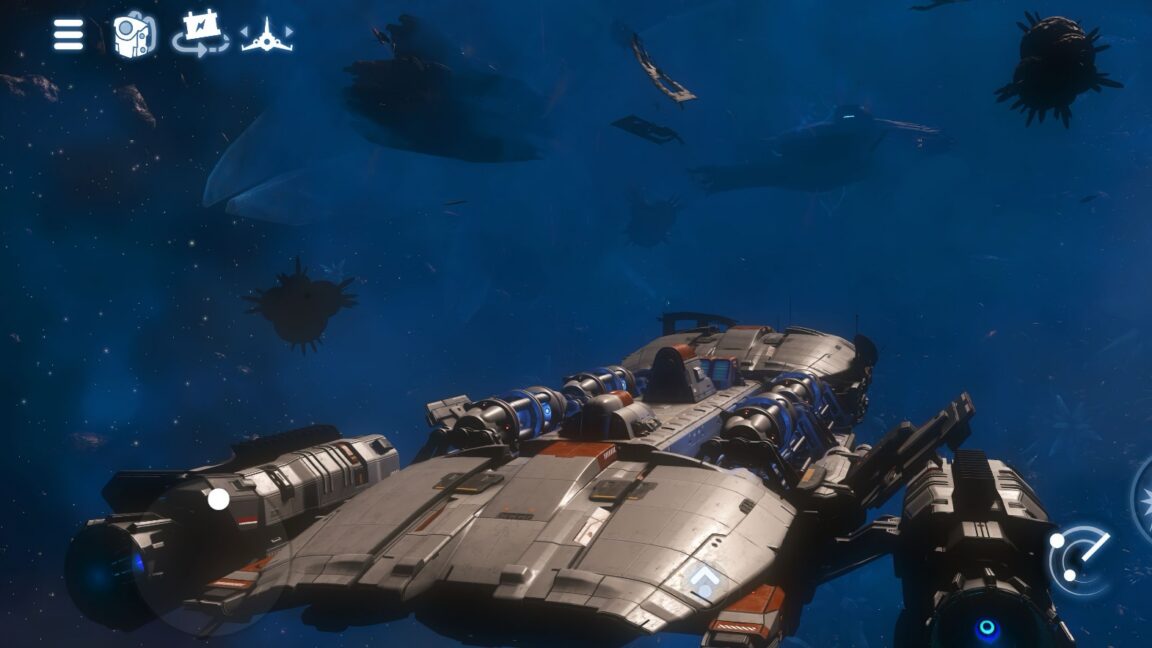
Just over 10 years after its initial release, space exploration and survival crafting game No Man's Sky is making its way to the iPhone and iPad, Apple and developer Hello Games announced today.

It will run on devices as far back as the iPhone 11 and the third-generation iPad Air. No Man's Sky might not have the most cutting-edge AAA graphics (though they're still strong, and they've come a long way since launch via updates), but the game's uncommon method of generating galaxies of incomprehensible scale on-device, and consistently for all players from a single-seed, happening on a phone is remarkable for those of us who remember phones performing far behind consoles or desktop PCs.

Read full article

Comments

Β© Hello Games

  •  

Long-lost horror gaming cult classic P.T. gets a much-needed PC port

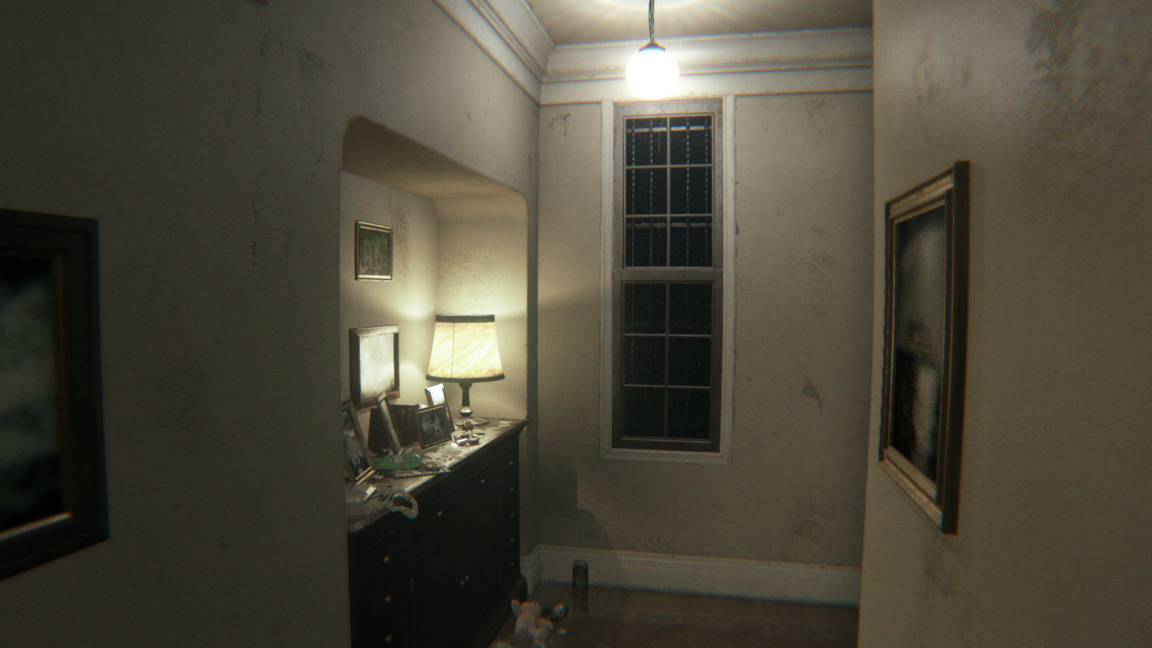
For over a decade now, the only "official" way to play Hideo Kojima's cult classic, P.T.β€”the long-discontinued "playable trailer" for Kojima's canceled "Silent Hills" projectβ€”has been via one of the increasingly rare PlayStation 4s that previously downloaded a copy during its monthslong availability window. Now, though, one coder is helping to preserve the game with a porting tool that builds a playable x86 PC executable from the original PS4 files.

Coder Lorean Xavier said he was inspired to work on the "P.T. for PC" project "because P.T. deserved to keep existing somewhere other than on consoles that still have it installed." The open source porting effort rebuilds the P.T. engine in C++ and Vulkan, using the original files from the PS4 game to re-create "every level, model, texture, sound, script and cutscene," according to its GitHub listing. That means players without their own legitimate decrypted copy of the original P.T. will have to track one down in order to generate a playable PC version.

The reliance on real P.T. files makes this port more authentic than previous hobbyist efforts to re-create the look and feel of P.T. for a PC audience. And while PS4 emulators recently reached a point where they could run P.T. completely, this native port also sports extra features, like upscaling and frame-generation, a camera mode, experimental third-person and VR support, and a "museum" section where you can look at and listen to in-game assets (including "unused content").

Read full article

Comments

Β© Kyle Orland / PT on PC

  •  
❌