Reading view

Scientists ejected from diabetes conference for distributing journal reprints

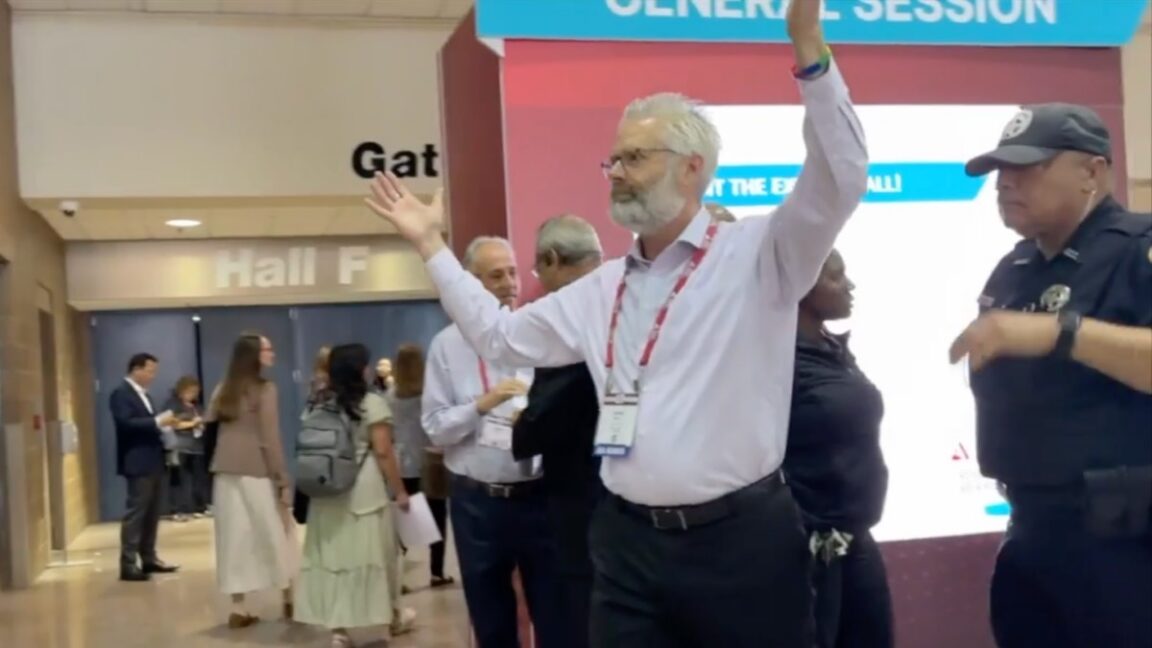
Five leading scientists were ousted from the annual meeting of the American Diabetes Association (ADA) in New Orleans on Friday. Their crime: handing out copies of an editorial, published in the journal Diabetes Care on April 29, sharply criticizing the Trump administration's ongoing attacks on scientific research.

Those ousted were Steven Kahn, professor of medicine at the University of Washington and editor-in-chief of Diabetes Care, who co-authored the published editorial; former ADA President Desmond Schatz of the University of Florida, Gainesville; Aaron Kelly, pediatrics professor at the University of Minnesota; Justin Ryder of Northwestern University; and Irl Hirsch, also of the University of Washington. The five were handing out reprints of the editorial outside a room where NIH director Jay Bhattacharya had been scheduled to speak. Bhattacharya canceled and another NIH official spoke in his stead.

"They physically grabbed us, forced us out of the conference center, and now are telling us we can no longer attend this meeting," Kelly told MedPage Today, which first reported the incident. "They're taking our lanyards. It really has come to this in America. Censorship is real. America needs to stand up. Scientists, stand up. Physicians, stand up."
Read full article

Comments

© Screenshot/MedPage Today

  •  

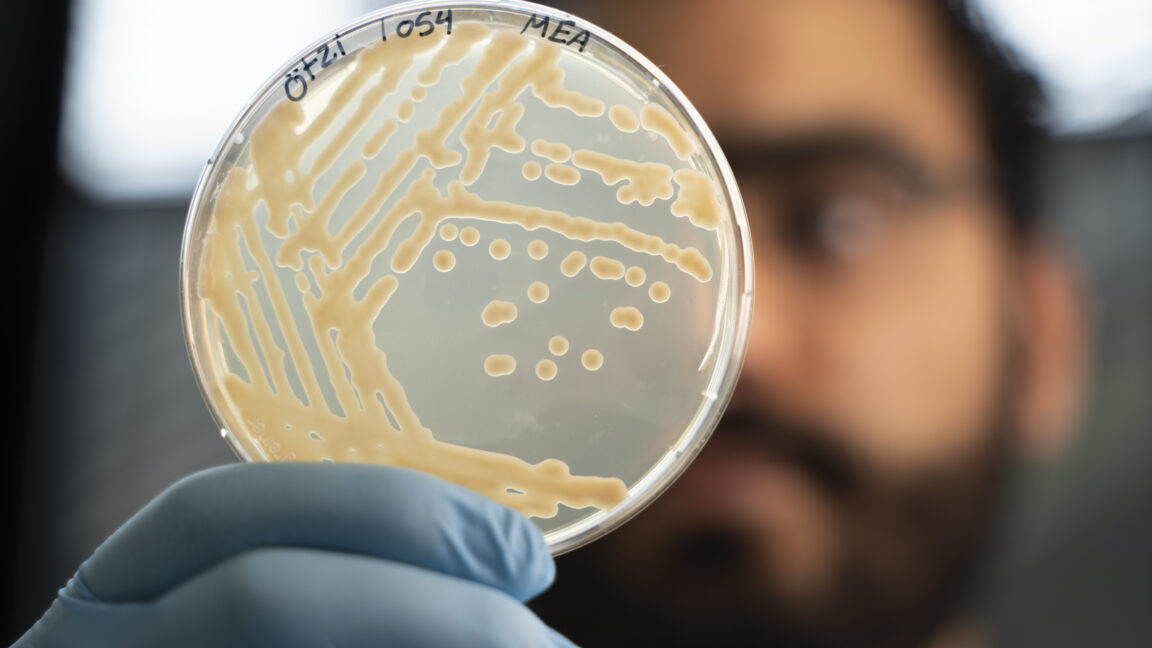
Some ancient microbes frozen with Ötzi the Iceman are still growing

Ötzi the Iceman, Europe’s most famous mummy, is crawling with microbes, some long dead, some still eking out a living after thousands of years, and some very modern.

After he died in the Ötztal Alps, the Copper Age man now known as Ötzi lay alone and forgotten for 5,300 years, until a group of hikers stumbled on his freeze-dried remains in 1991. Since then, he’s received a lot of attention from scientists, who have sequenced his DNA, pored over his last meal and the remains of his gut microbes, and examined his clothes and his broken tools. Today, Ötzi lies in a high-tech resting place at the South Tyrol Museum of Archaeology in Italy, where, it turns out, his body is still home to a handful of cold-adapted yeast species that have probably been with him since just after he died.

Slightly morbid souvenirs from the Alps

Microbiologist Mohamed S. Sarhan (of the Institute of Mummy Studies at the private Eurac Research center) and his colleagues recently sampled material from Ötzi’s stomach and meltwater from inside his body, swabbed his skin, and even sampled airborne microbes from his frozen storage room and the lab outside it. They also took samples from a block of frozen alpine soil taken from next to Ötzi’s body back in 1991.

Read full article

Comments

© Sarhan et al. 2026

  •  
❌