Reading view

macOS 27 requires Apple Silicon, as Apple draws down the Intel Mac era

As Apple announced last year, this year's macOS release will end support for Intel Macs. The macOS 27 Golden Gate release will require a Mac with an Apple Silicon chip inside, including the original M1 that launched in the MacBook Air, MacBook Pro, and Mac mini back in late 2020.

Intel Macs running macOS 26 Tahoe can expect security and Safari patches for about two more years after the release of macOS 27 Golden Gate. Macs running macOS 15 Sequoia will receive one more year of updates. Apple Silicon Macs will still be able to run Intel Mac apps via the Rosetta 2 compatibility layer in macOS 27, but future releases will begin to limit the technology (Apple has said it will mainly be used to support older games that still use Intel code).

This change has been a long time coming, and every new macOS release has left a longer and longer list of Intel Macs behind. But many Mac owners who purchased late-model Intel machines in 2019 and 2020 could still run the latest version of the operating system, and third-party utilities like the OpenCore Legacy Patcher helped more adventurous Mac owners use their unsupported hardware a bit longer.
Read full article

Comments

© Apple

  •  

iOS 27 and iPadOS 27 don't drop support for any iPhones—and just a few iPads

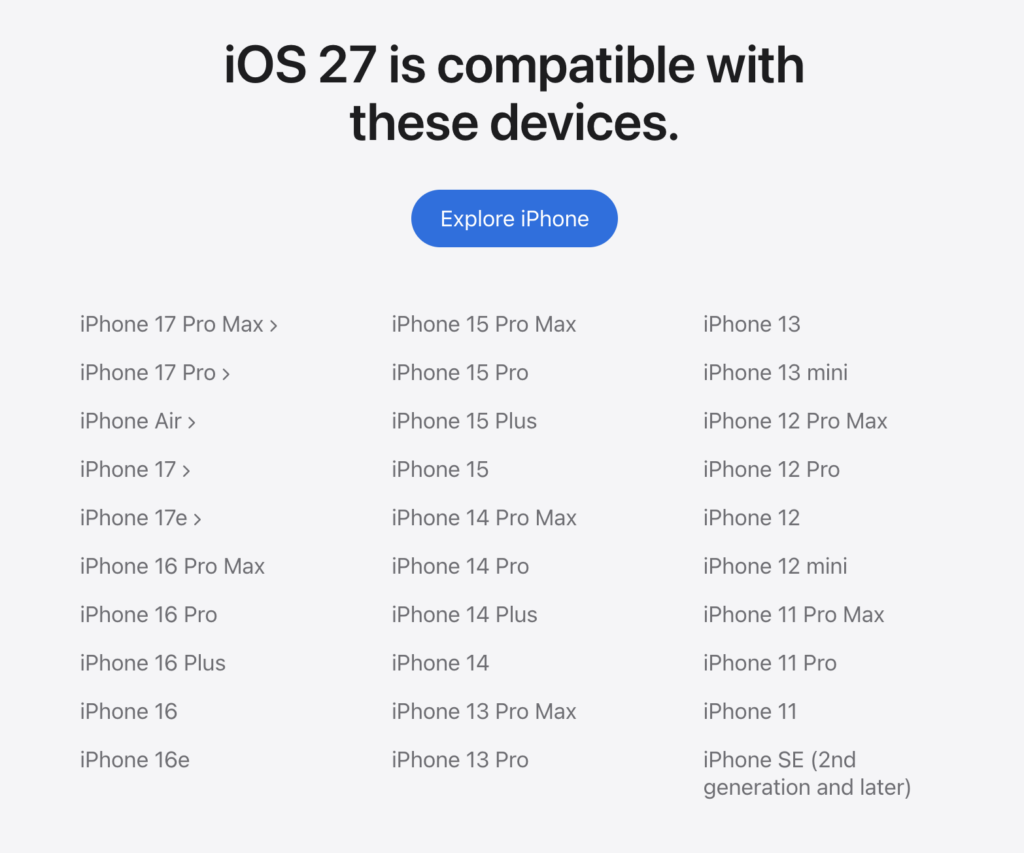
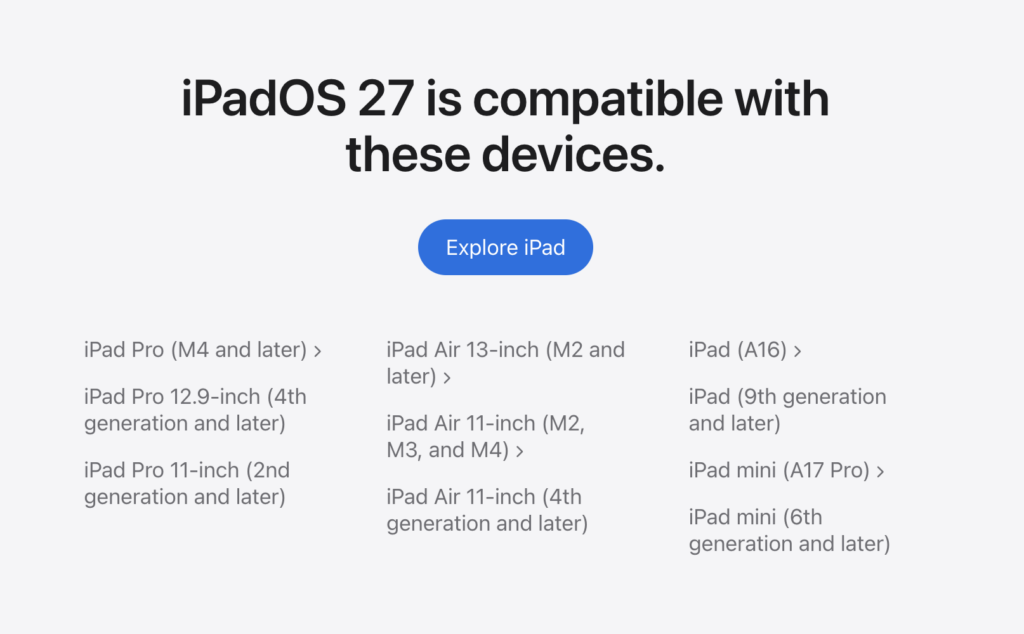
If you're using older iPhone or iPad hardware and you're hoping to keep running Apple's latest operating systems, this year's releases bring mostly good news. The iOS 27 update will run on all iPhones that can run iOS 26, all the way back to the iPhone 11 and second-generation iPhone SE. The iPadOS 27 update is slightly less generous, dropping support for the 3rd-generation iPad Air, 8th-generation iPad, and 5th-generation iPad mini (all of these devices used an older A12 Bionic chip; supported devices now use an A13 or better).

Apple says owners of older devices should see performance improvements in iOS 27, thanks in part to an updated CPU scheduler. This scheduler was apparently already included with newer iPhones but has been ported back to older devices with this release.

Apple's iOS 27 compatibility list. Credit: Apple
Apple's iPadOS 27 compatibility list. Credit: Apple

But many of the new features Apple mentioned require support for Apple Intelligence, which remains confined to newer devices with at least 8GB of RAM. Apple Intelligence still requires an iPhone 15 Pro or newer, an iPhone 16 or newer, or an iPhone Air. On the iPad, support requires an iPad Air or iPad Pro with an M1 or newer.

Read full article

Comments

© Apple

  •  

Meta alleges NSO violated spyware injunction with new WhatsApp attacks

Meta today accused spyware maker NSO Group of violating a court order that barred it from targeting users of WhatsApp.

"WhatsApp caught and disrupted spear phishing attempts linked to NSO, a spyware firm blacklisted by the US government," WhatsApp owner Meta said in an announcement. Meta said it is asking a court "to hold NSO in contempt for violating a permanent injunction that barred them from ever targeting WhatsApp and its users."

NSO is an Israeli company that developed the Pegasus spyware. The US government added NSO to the Entity List in 2021, saying it “developed and supplied spyware to foreign governments that used this tool to maliciously target government officials, journalists, businesspeople, activists, academics, and embassy workers.”

Read full article

Comments

© Getty Images | stockcam

  •  

The fastest humans in the galaxy just got a spiffy patch to prove it

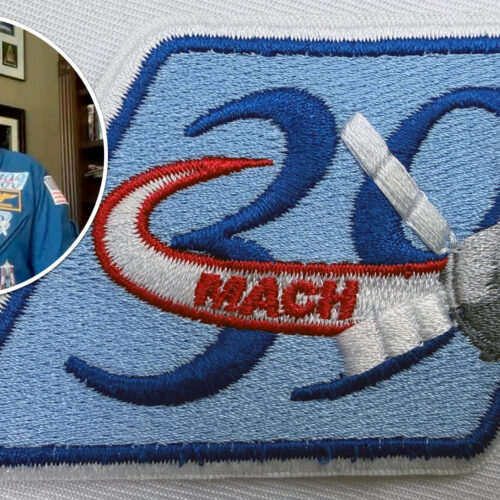
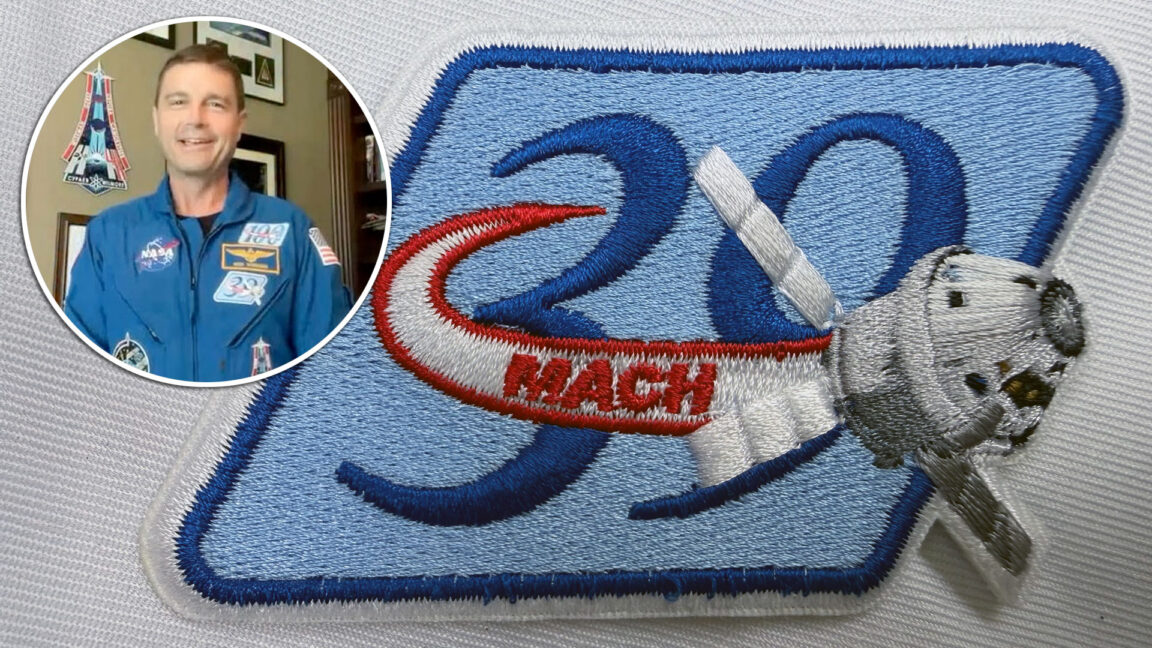
NASA's Artemis II crew are the fastest people alive, and now they have the patch to prove it.

Mission Commander Reid Wiseman, pilot Victor Glover, and mission specialists Christina Koch and Jeremy Hansen (the latter with the Canadian Space Agency) spent 10 days in early April flying by the Moon. Their journey took them farther away from Earth than any humans have gone (52,756 miles [406,771 km]) and then, on the way back on board their Orion spacecraft Integrity, they sped up to about 24,664 miles per hour (39,693 k/ph) reentering the atmosphere.

Only three other people in history have traveled faster. NASA's Apollo 10 astronauts Thomas Stafford, John Young, and Eugene Cernan set the record for the highest speed attained by a crewed vehicle relative to the Earth's surface: 24,791 mph (39,897 kph) on May 26, 1969.

Read full article

Comments

© Reid Wiseman/A-B Emblem/collectSPACE

  •  

Say hi to "Siri AI"—Apple announces new, more "conversational" voice assistant

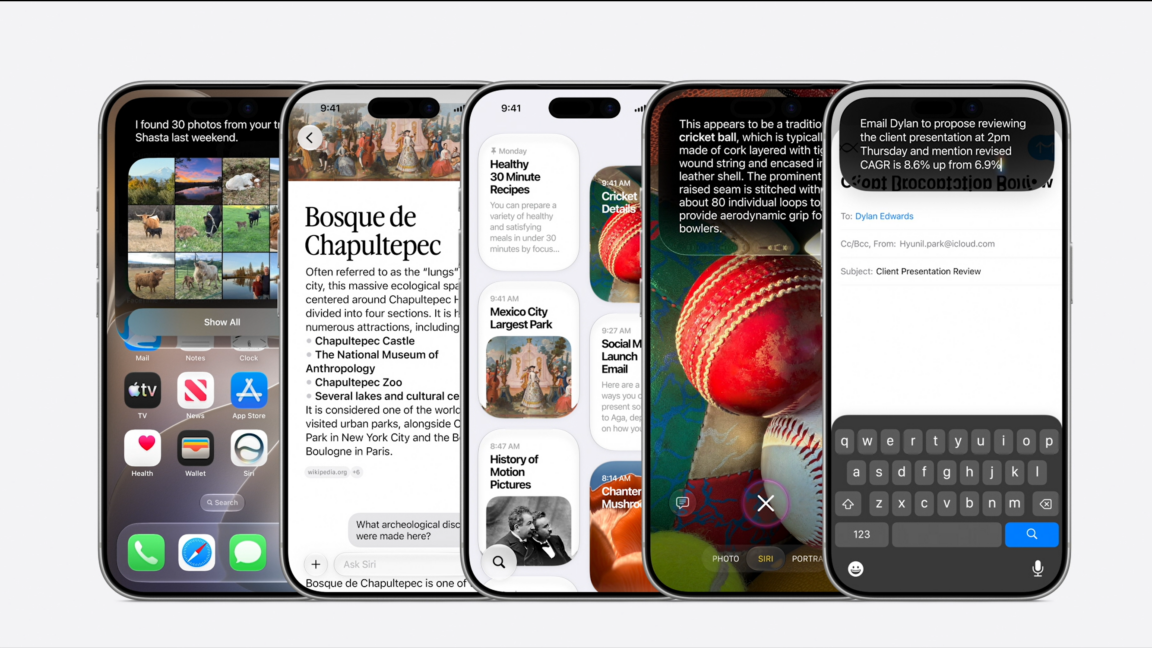
Today at its pre-filmed Worldwide Developers Conference keynote, Apple was finally prepared to fully introduce the long-delayed "Apple Intelligence" update for its Siri voice assistant. The new "Siri AI"—now being promised for OS updates rolling out "this fall"—will come alongside a new Google-powered update to Apple's on-device Foundation Models, as well as tighter integration of all these AI capabilities across Apple's many operating systems.

Unlike other companies that "appear to be racing forward, seemingly pursuing AI for the sake of AI, with little regard for the people... it's meant to serve," Apple's SVP of Software Engineering Craig Federighi said, "we believe that truly helpful AI must be centered around you and your needs."

Just a friendly chat with your AI assistant

The company highlighted this kind of focus in a series of scripted conversational demos with Siri AI, complete with seemingly unedited, multi-second pauses between each spoken prompt and Siri's response. In these demos, Apple executives showed Siri AI bouncing between different usage modes and app-based tasks as needed in an effort to highlight how Apple Intelligence can now be used "well beyond one-shot tasks" for a "brand new conversational experience" with the virtual assistant.

Read full article

Comments

© Apple

  •  

Gemini 3.5 and Antigravity come to Google NotebookLM

Google's NotebookLM was one of the company's first forays into generative AI technology, and in un-Googley fashion, it hasn't been shut down yet. In fact, NotebookLM is getting one of its biggest updates, ever, today, moving to the latest Gemini 3.5 model, support for more file types, and streamlined web source integration. Google also says NotebookLM will be able to do more with all those queries thanks to embedded support for Antigravity.

Gemini 3.5 Flash debuted at Google I/O this year, promising much faster and more efficient processing. Google has claimed that companies worried about token costs can save big by moving their projects to the new Flash model while also getting outputs that are of similar or better quality. Those improvements are now filtering down to other Google products. NotebookLM, which launched in 2023 at the very beginning of the AI boom, lets you analyze specific sources like documents and webpages with Google's latest AI models.

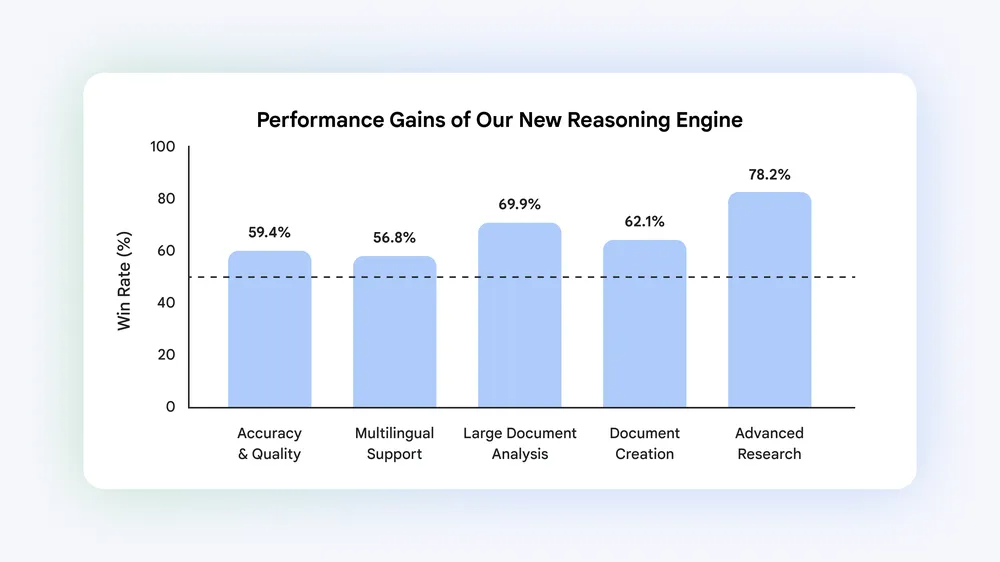
NotebookLM evaluation graph The upgraded NotebookLM beats the old version in all of Google's "core evaluation dimensions." Credit: Google

Google conducted side-by-side evaluations of NotebookLM on the old Gemini 3.1 branch and with the updated 3.5. The company is being somewhat vague about the nature of the tests, breaking things up into "top five core evaluation dimensions," which are Accuracy and Quality, Multilingual Support, Large Document Analysis, Document Creation, and Advanced Research. In these tests, Google says NotebookLM averaged a 65 percent win rate versus the older model.

Read full article

Comments

© Google

  •  

Your empty cuppa could capture carbon

Humanity has littered the sky with the refuse of fossil fuel use, releasing enough CO2 to change the planet’s climate. We are also chucking incredible sums of carbon in the form of plastics into landfills and into the environment around (and inside of) us. What if cleaning up one of these problems could also help clean up the other?

A new study led by Ruth Ebenbauer at Aarhus University experiments with this idea by upcycling discarded polystyrene into (part of) a material commonly used in carbon-capture systems.

Adding amines

This material is based on amines—a simple chemical group that conveniently acts like a sponge for CO2. An amine will grab CO2 molecules when exposed to them, but let go of the CO2 when heated or depressurized, leaving it ready to go again. The first “CO2 scrubbers” tried in smokestacks used amines dissolved in water to do this, but solid amines are used in all kinds of carbon-capture systems now because they require less energy. These solid materials—often made into granules similar to the activated carbon in a water filter—have high surface area and high porosity, so the amines can efficiently partner up with CO2 molecules.

Read full article

Comments

© Jamesmcq24

  •  

For the 2nd time in weeks, Microsoft packages laced with credential stealer

Dozens of cryptographically verified open source packages from Microsoft were compromised late last week to add advanced credential-stealing code that was triggered when developers opened them in AI coding agents.

In all, multiple researchers said, 73 packages were flagged as malicious when automated systems on GitHub blocked them on the platform. Rather than noting they are malicious—and that developers who used AI agents to work with them should assume their systems are compromised—the Microsoft-owned GitHub said it disabled the packages “due to a violation of GitHub's terms of service.” The text went on to encourage the package owner to contact GitHub.

Devs: Assume compromise and proceed accordingly

It wasn’t until Monday that Microsoft even raised the possibility the packages were infected. In an email, the company stated: “We have temporarily removed some repositories as we investigate potential malicious content.”

Read full article

Comments

© Getty Images

  •  

Apple's iOS 27, macOS 27 Golden Gate, and other updates focus on refinement

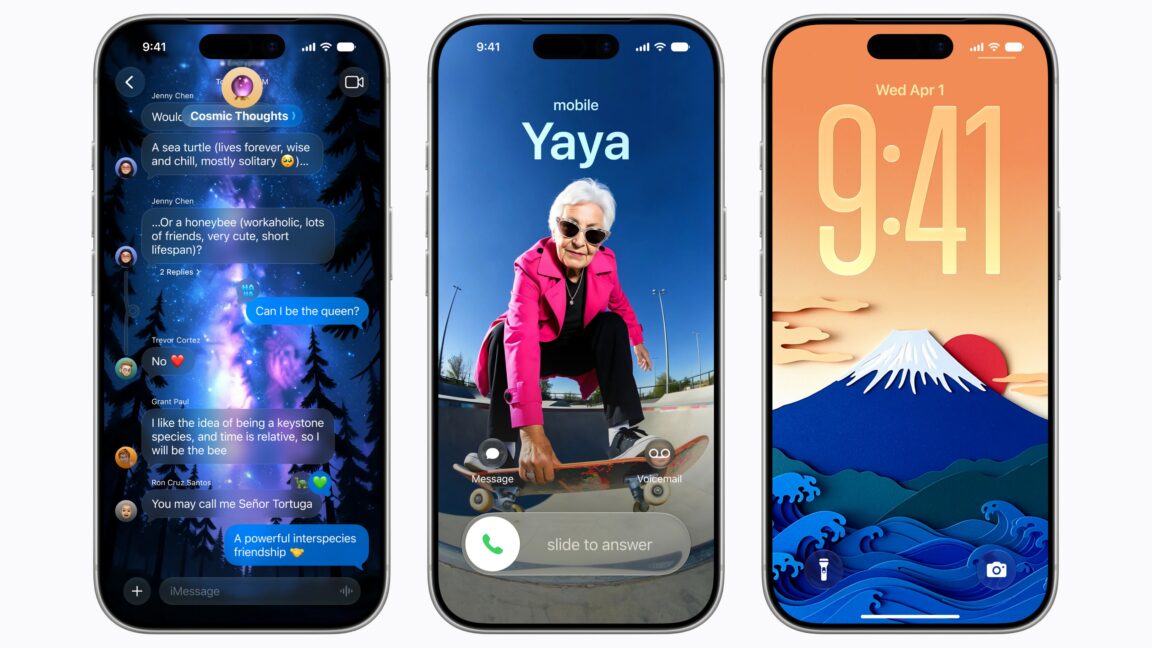
Apple has taken the wraps off of its next-generation operating system updates at its Worldwide Developers Conference today, including iOS 27, iPadOS 27, and macOS 27 Golden Gate. And while the long-awaited Siri AI update is the headliner, Apple also emphasized its efforts to optimize its software, improving its performance and reliability.

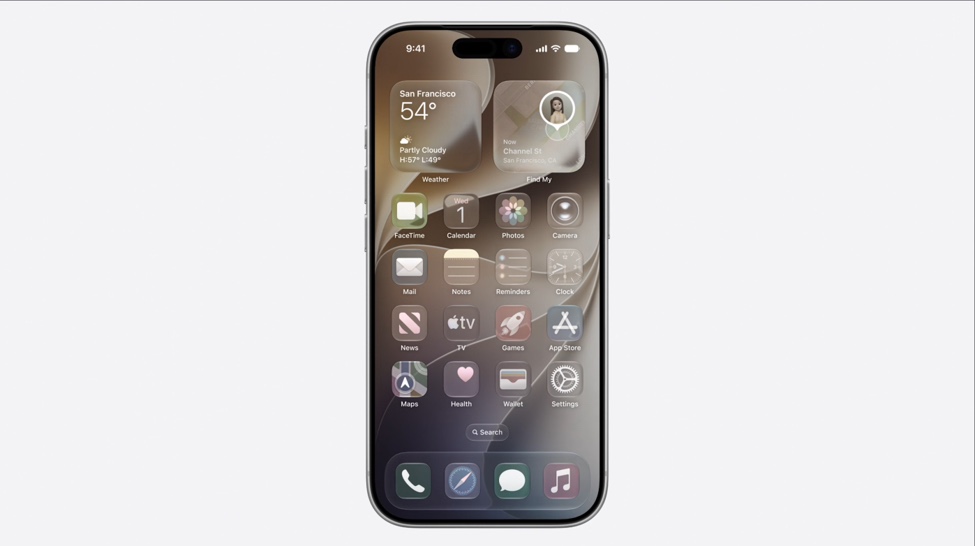
For starters, the company is continuing to refine the Liquid Glass design language that it introduced last year. A slider in the Settings will allow users fine-grained control over the translucency of the Liquid Glass effect, ranging from maximally transparent and glassy to fully tinted. Last year's redesigned icons are also being re-redesigned with more glass layers, which Apple says will make them sharper and more distinctive.

On macOS, Apple has also changed the way app toolbars and sidebars work, making toolbars more distinct, making the contents of sidebars extend all the way to the edge of the window, and reintroducing color to sidebar icons. Mac windows are also getting a "tighter corner radius," to address complaints about the way window resizing works in macOS 26 Tahoe.

Read full article

Comments

© Apple

  •  

Man jailed for a month despite Flock showing he was 5 miles from crime scene

A San Diego police department is facing a lawsuit after jailing a man for a month based on a Flock camera alert that cops allegedly should have known, based on the timestamp, did not depict the car that they were looking for.

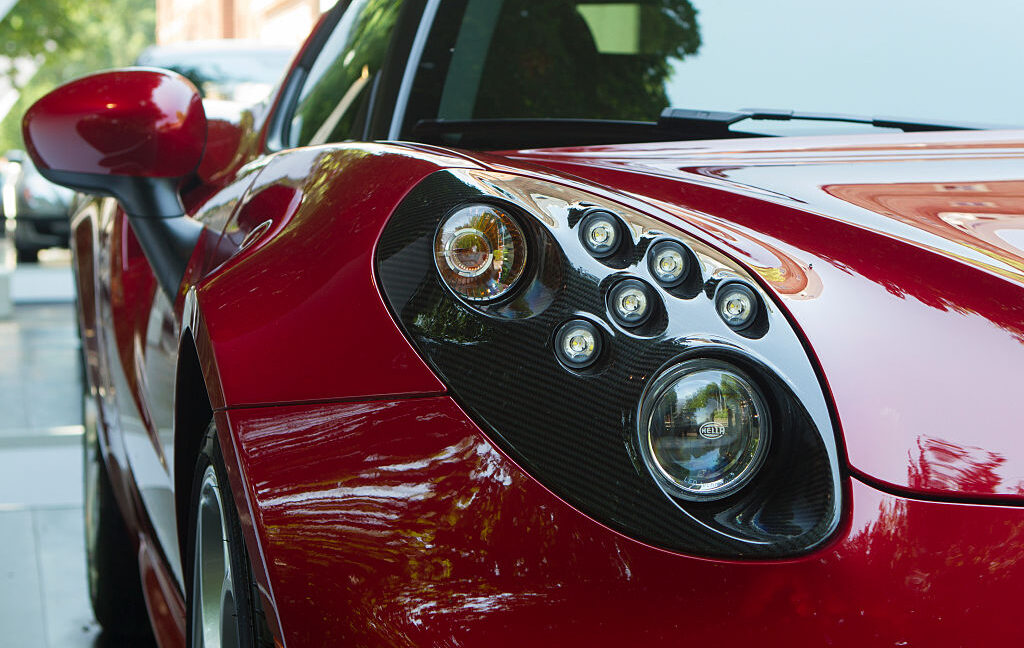
Last November, Hugo Parra was arrested on felony charges after San Diego police relied on Flock data and a witness statement to wrongly connect him to an attempted carjacking at gunpoint, the Times of San Diego reported. Cops were looking for a red Alfa Romeo car with tinted windows and a man wearing a gray hoodie, and Parra happened to be wearing a white hoodie while riding in a friend's car that roughly matched the vehicle description.

Although Flock cameras can capture license plate data, cops did not have even a partial plate to help them verify if the car was involved in a violent crime. But the Flock data cops used to justify the arrest actually showed that Parra was five miles away at the time of the crime, Parra's attorney, Alex Coolman, told the Times of San Diego. Rather than arrest him, cops could have used that data, as well as Parra's cellphone location data, to corroborate Parra's statement that he was innocent, Coolman said.

Read full article

Comments

© Pacific Press / Contributor | LightRocket

  •  

F1 in Monaco: Finally, the cars were flat-out in qualifying

Formula 1 held its annual race on the streets of Monte Carlo this past weekend. The event predates the sport—the first Monaco Grand Prix was held in 1929 on a layout that isn't too different from the one used today.

Over the years, the buildings have changed, crash barriers appeared, the swimming pool section grew, and the cars eventually got too big and fast to race each other properly on the tight confines of a circuit that one world champion described as "riding a bicycle in your living room." But nestled by the Mediterranean, surrounded by super yachts, F1's least-good race is also its most famous and glamorous. After their home Grands Prix, it's the one many drivers most want to win.

Overtaking here is virtually impossible; to see race cars do that around the principality, you'll want to tune into Formula E's visits there. So qualifying on Saturday, which sets the grid order for Sunday's race, was more important than usual. Everyone expected pole to go to one of the two Ferraris. And for the first time this season, the cars raced completely flat-out; with no long straights and plenty of braking zones, the cars were not energy-limited for once this season.

Read full article

Comments

© Alessio Morgese/NurPhoto via Getty Images

  •  

A Falcon 9 booster turns 5 years old—and just set a remarkable reuse record

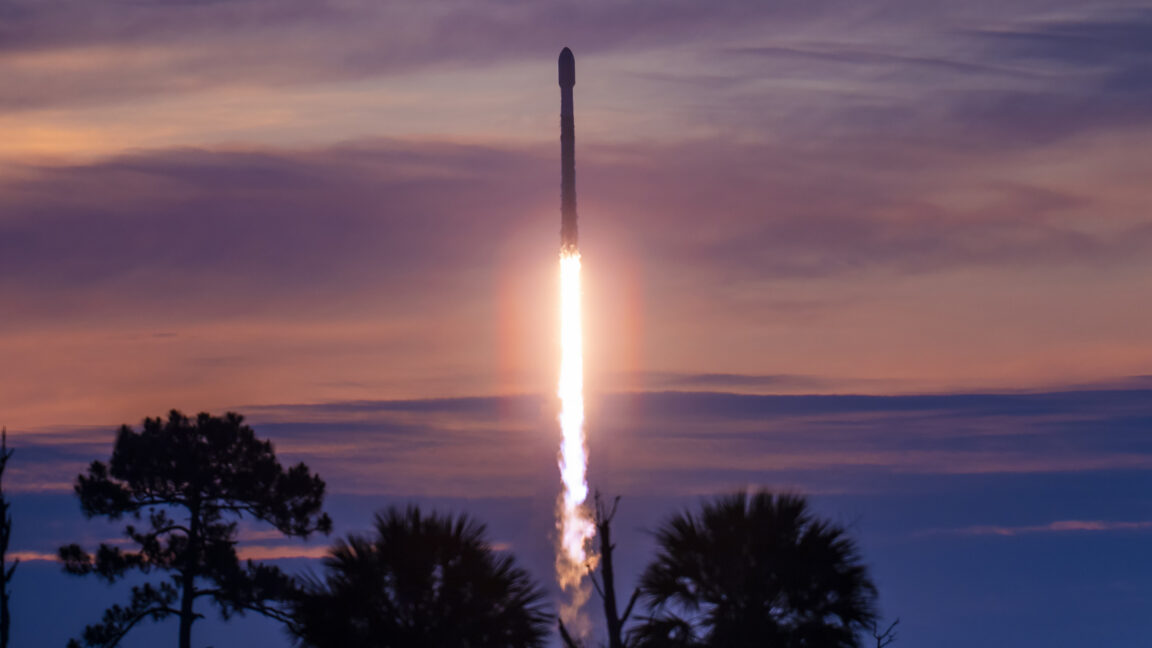
A little more than five years ago, a shiny white Falcon 9 rocket made its debut flight, boosting a Cargo Dragon spacecraft to the International Space Station. Over the next year, it would launch a pair of astronaut missions and a handful of commercial spacecraft.

But since then, this first stage booster, designated B 1067, has mostly flown Starlink missions. It has launched them one after another, always returning safely to a drone ship before undergoing refurbishment and flying again. Sometimes it has flown twice in a single month.

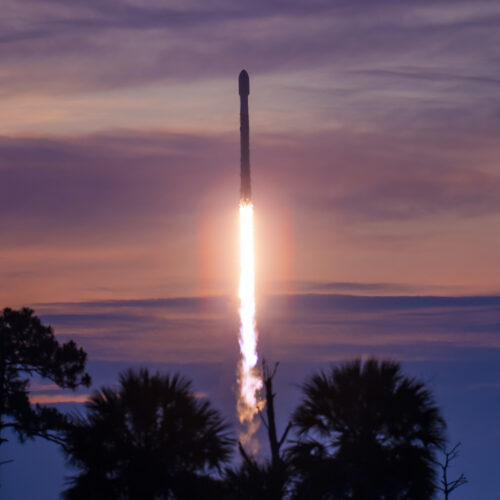
On Monday morning, B 1067 once again took to the skies, launching 29 Starlink Internet satellites into low-Earth orbit from Florida. Upon landing on the A Shortfall of Gravitas drone ship in the Atlantic Ocean, the vehicle completed its 35th mission overall, retaining its title as fleet leader for SpaceX.

Read full article

Comments

© SpaceX

  •  

Michigan politicians want to ban Chinese-badged cars from even visiting the US

It's an election year, and that means politicians are putting in extra work to pander to special interest groups they think will help them cross the finish line. If you're looking to be elected in Michigan, there aren't many interests more special than the automotive industry, and a good way to get the industry on your side is by going after the thing it fears the most: China.

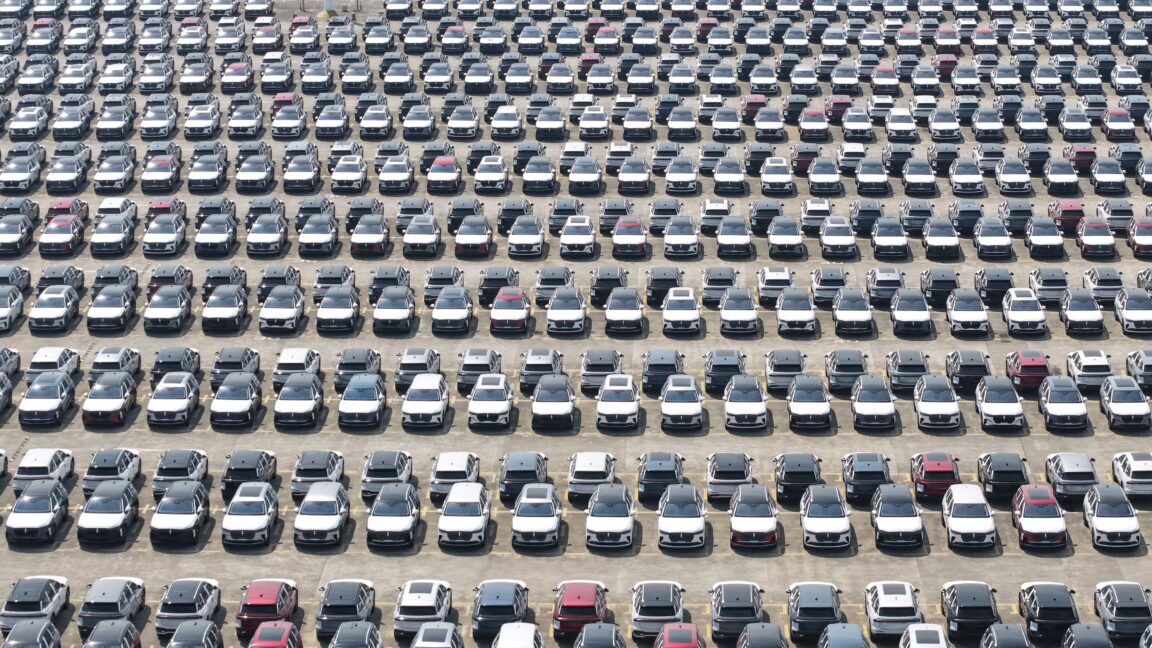
Now, if a pair of lawmakers get their way, Chinese-badged vehicles wouldn't just be restricted from sale or import in the US, they'd also be banned from entering the country, even for a simple day trip from Canada or Mexico.

Moves to protect the US auto industry are nothing new, and they're popular across party lines. Former President Biden added an additional 100 percent import tariff on all Chinese-made cars during his term and then had the Department of Commerce draw up new rules—later implemented by the Trump administration—that banned the import of connected cars manufactured by companies owned by or with links to the Chinese government, starting in 2027.

Read full article

Comments

© Costfoto/NurPhoto via Getty Images

  •  

"Chat is dead": OpenAI preps overhaul of ChatGPT

OpenAI is preparing the biggest overhaul of ChatGPT since its launch kicked off the AI boom, as the $850 billion group hunts for new engines of growth ahead of a planned listing this year.

The company intends to transform the chatbot into a “superapp” that combines coding tools and AI agents, adding products that executives believe will generate more revenue.

The changes are part of a broader reorganization at OpenAI as the San Francisco-based company shifts resources into trying to win lucrative business customers and compete more fiercely with rival Anthropic, according to more than a dozen current and former employees.

Read full article

Comments

© Getty Images | Vincent Feuray

  •  

The weather and climate science AI revolution isn’t revolutionary

It feels like there's no escaping AI right now, whether you’re trying to type a sentence without being interrupted by a digital “assistant” or struggling to find a new refrigerator that doesn’t require a Wi-Fi connection for some reason. You’d be forgiven for wondering if we’re in the midst of a quantum leap in tech or whether people are just hyping up a heap of slop.

So what should we make of the growing use of AI in weather and climate modeling?

The conversation didn't get off to a great start earlier this year when a National Weather Service office posted a forecast map featuring nonexistent cities in Idaho with names like “Whata Bod” and “Orangeotild.” Thankfully, that was just an AI-generated image produced for social media, not the actual forecast model. Meteorologists and climate scientists are not yet being replaced by large language model prompt engineers.

Read full article

Comments

© Aurich Lawson | Getty Images

  •  
❌