❌

Reading view

NASA assigns crew for Artemis III, sets aggressive timeline for flying it

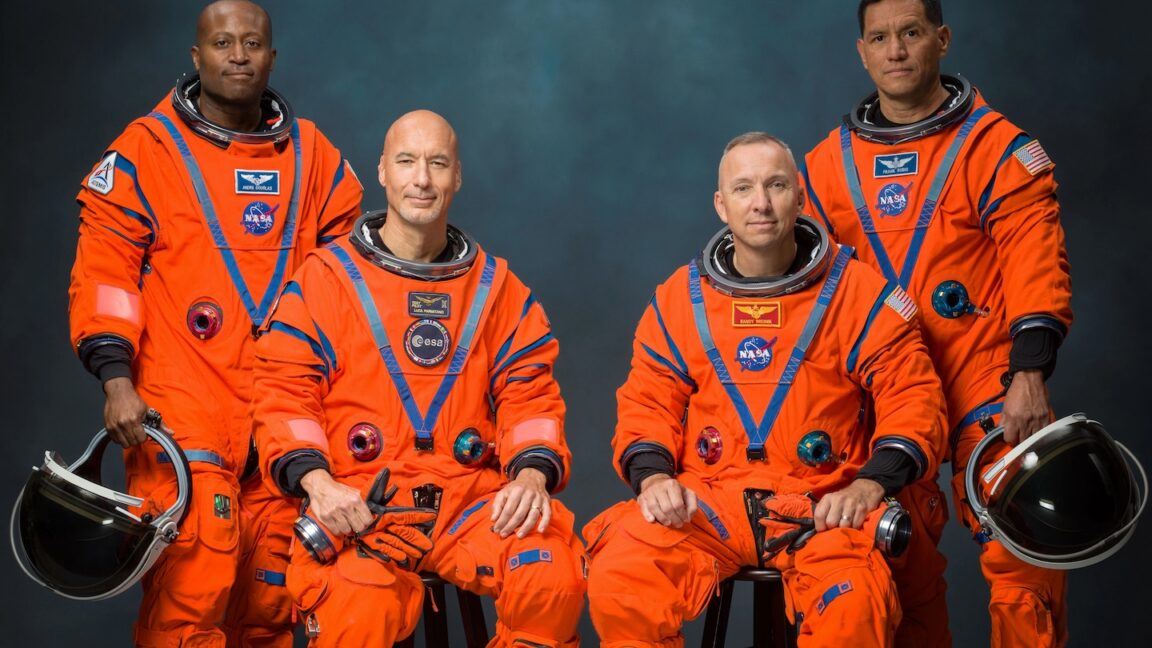
The US space agency unveiled the crew for its Artemis III mission on Tuesday during an enthusiastic event at Johnson Space Center in Houston.

For this spaceflight into low-Earth orbit, which will see the Orion spacecraft rendezvous and dock with lunar lander prototypes, NASA chose an experienced, all-male crew with military backgrounds. They were revealed inside a darkened Teague Auditorium where hundreds of friends, family members, and NASA employees cheered enthusiastically.

The four crew members are:
Read full article

Comments

Β© NASA

  •  

FCC lifts looming deadline for Amazon Leo satellite broadband constellation

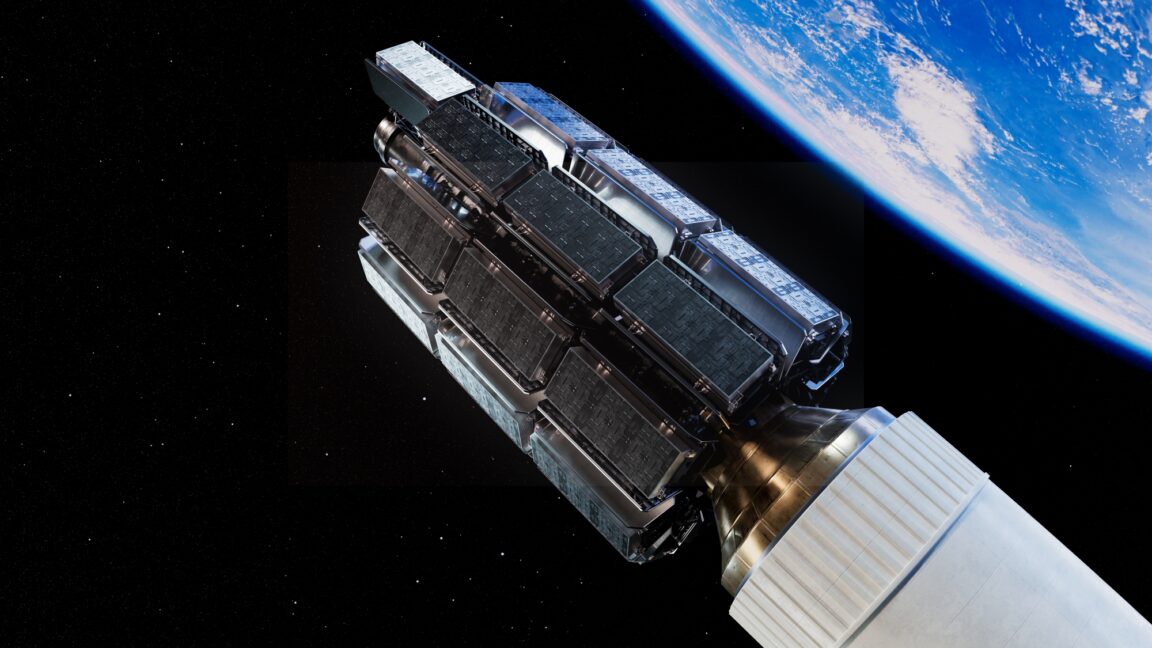
The Federal Communications Commission has waived a requirement for Amazon to launch half of its satellite broadband constellation by the end of July, a key regulatory reprieve that buys the tech giant time to get more of its spacecraft into orbit.

Amazon won regulatory approval for the Amazon Leo network in July 2020. The FCC's authorization came with two deadlines. First, Amazon had to launch half of its 3,232 satellites by July 30, 2026, in order to maintain authorization to launch the rest of the network. The regulator gave Amazon a deadline of July 30, 2029, to have all of its first-generation satellites in orbit.

It has been apparent for some time that Amazon would not meet the FCC's requirement to launch half of its satellitesβ€”1,616 spacecraftβ€”by the end of next month. Amazon filed an application in January requesting the FCC extend the deadline to July 2028 or waive it altogether. The commission decided on the latter option, removing any time limit for the 50 percent deployment milestone, but keeping the July 2029 deadline in place for the entire constellation.

Read full article

Comments

Β© Amazon

  •  

Tests suggest Russian satellites can jam GPS on a continental scale

Russian satellites have been identified as the cause of mysterious, seconds-long bursts of GPS interference across Europeβ€”a rare example of human-made GPS interference coming from space. But uncertainty still hangs over whether such interference is intentional and if it could be more powerfully weaponized as GPS jamming with continental reach in the future.

The discovery came from an investigation detailed in a June 2 preprint paper by Todd Humphreys and his student Zach Clements at The University of Texas at Austin, along with Argyris KriezisΒ at Stanford University in California. By sifting through public data from ground-based stations with global navigation satellite system (GNSS) receivers, they identified a pattern of high-powered interference lasting less than 10 seconds each time but simultaneously detectable by ground stations across Europe from Norway to Spain to Poland, and even reaching as far west as Greenland and Canada.

By analyzing the ground station data from January 2019 to April 2026, the researchers found 75 days with at least one widespread GNSS interference event overlapping with the GPS L1 frequency band centered on 1575.42 megahertz. That represents the main band used for signal transmission by the US-made GPS satellite constellation and GNSS constellations from other countries.

Read full article

Comments

Β© European Space Agency

  •  
❌