Reading view

$130 billion in data center projects blocked by protests so far this year

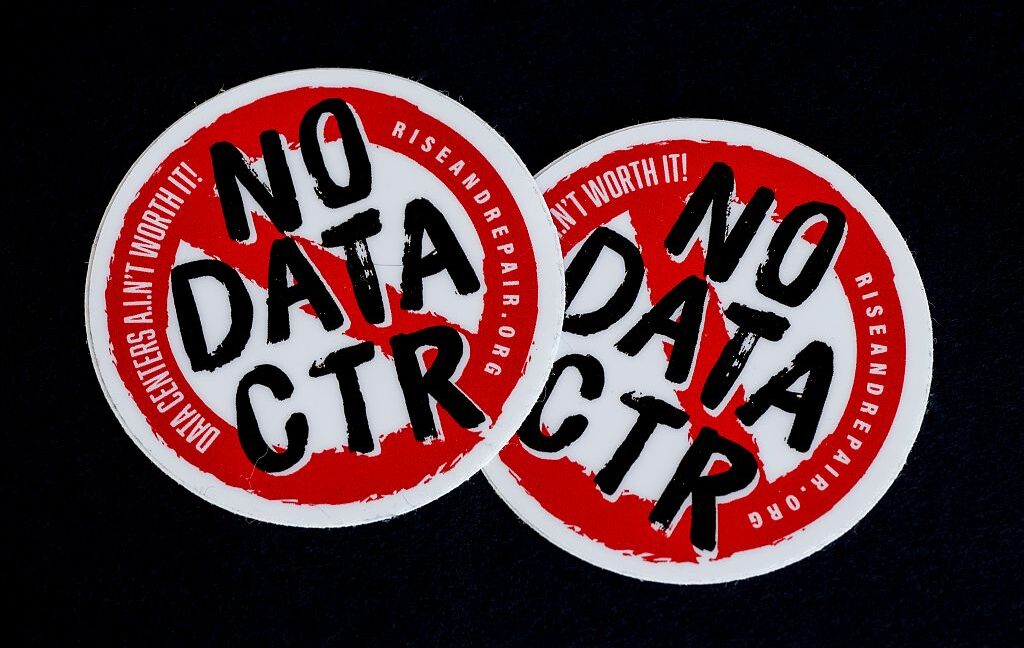
It's clear that communities now have an effective playbook to block data center construction. This week, researchers flagged the first quarter of 2026 as producing the "most blocked and delayed data center projects on record," NBC News reported.

Data Center Watch, a project from AI intelligence firm 10a Labs that tracks data center fights around the US, reported that protestors "blocked or delayed at least 75 projects nationwide worth about $130 billion from January through March," NBC News reported.

That's "the most in a three-month period since the group began tracking in 2023," and it shouldn't be parsed as "a cyclical spike," the researchers said. Instead, there's been a "structural shift," as "communities have internalized an opposition playbook, legislative sessions introduced formal regulatory uncertainty, and the number of active opposition groups more than doubled to 833 across 49 states," researchers said.

Read full article

Comments

© UCG / Contributor | Universal Images Group

  •  

Google sues Chinese cybercrime network that used Gemini to automate scams

Google loves telling us all the ways people are using its generative AI products to build new things, grow businesses, and save the world. Supposedly. Of course, people are also using AI for crime. Google has announced a new legal salvo aimed at a Chinese group called Outsider Enterprise, which is allegedly responsible for a massive AI-powered scam campaign. Google says it's working with law enforcement and mobile carriers to fight back.

According to Google's legal filing, Outsider Enterprise operates through Telegram. The group offers phishing-as-a-service to individuals who may not be technically savvy enough to set up fraudulent websites and text campaigns on their own. In its Telegram channels, Outsider Enterprise reportedly provided instructions on how to use Google's Gemini AI to create websites that imitate those of Google, YouTube, and government agencies such as New York’s E-ZPass. The group offered nearly 300 scam templates.

Google says that scams enabled by Outsider Enterprise resulted in more than 2.5 million text messages being sent to Android users. About 55,000 of those messages happened in a two-week period last month. In all, Google has tracked 9,000 fake websites and 1 million URLs connected to the scam network.

Read full article

Comments

© Aurich Lawson

  •  

Pokémon Go players unwittingly contributed to tech with military drone uses

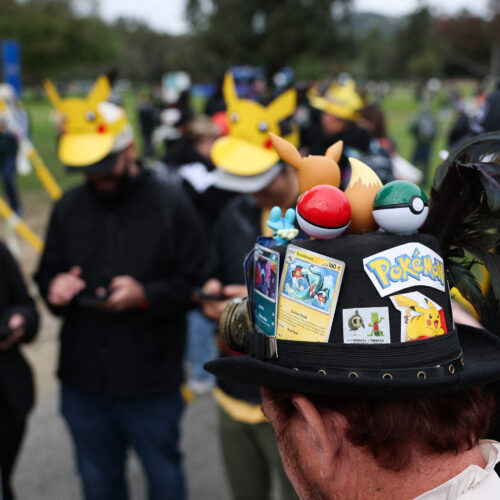
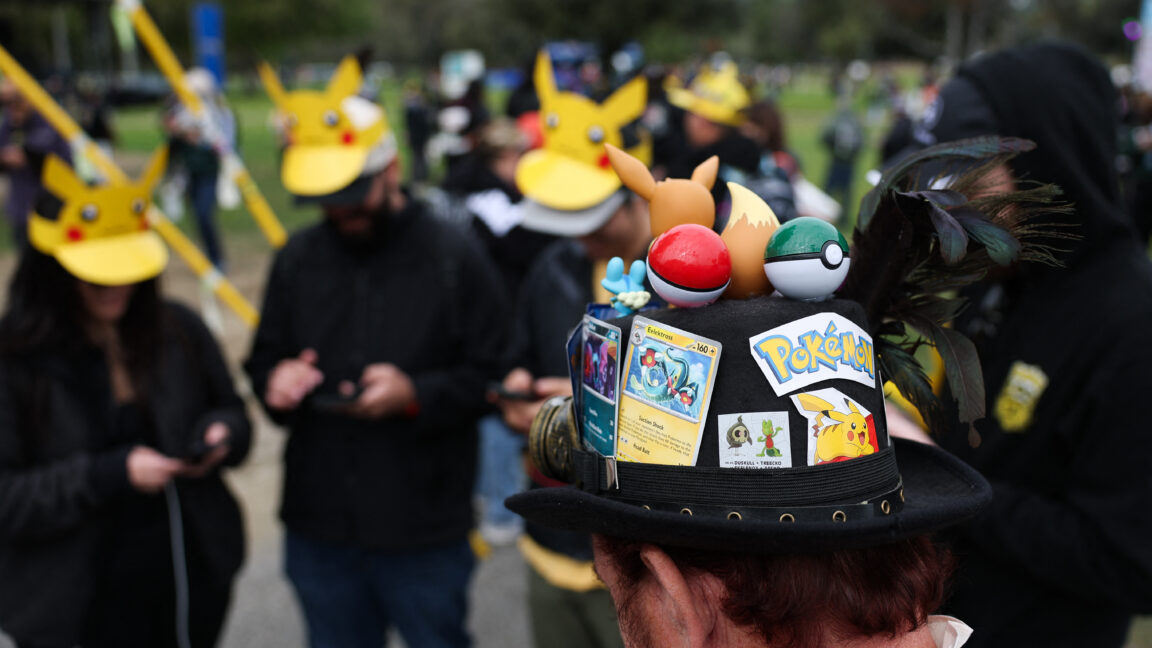
A decade after the global craze for Pokémon Go peaked, an AI company has been using billions of real-world images captured by millions of players to develop navigation technologies for delivery robots and possibly military drones. That represents an intriguing but potentially discomfiting legacy for an augmented reality mobile game that has incentivized gamers to capture short smartphone videos of physical neighborhoods and landmarks.

The AI company, Niantic Spatial, was spun out of Pokémon Go game developer Niantic in May 2025, after Niantic separately sold its licensed games such as Pokémon Go to the Saudi-backed video game publisher Scopely. But before that deal, Niantic publicly announced plans to use scans from millions of Pokémon Go players along with data captured by users of the company’s Scaniverse app to train and develop a “large geospatial model”—a 3D model of the physical world trained on the geolocated images provided by app users scanning real-world locations.

“Ground scans were one component to help train Niantic Spatial's real-world foundation models —AI systems that learn to recognize and interpret physical spaces,” a Niantic Spatial spokesperson told Ars. “The models are the product of that training, not a copy of or a means of accessing the underlying scans, which were of public points of interest such as statues and fountains.”

Read full article

Comments

© Patrick T. Fallon / AFP via Getty Images

  •  
❌