Reading view

Large genome models used to design new viruses

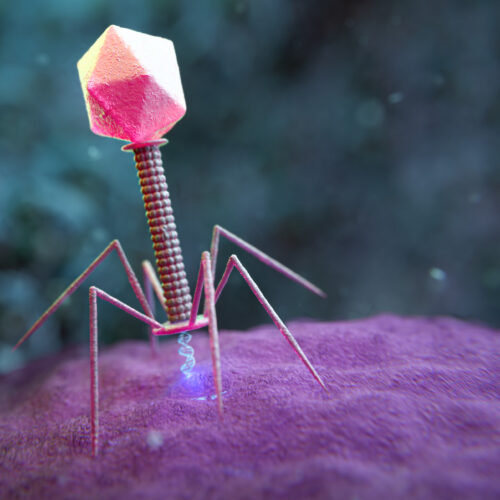
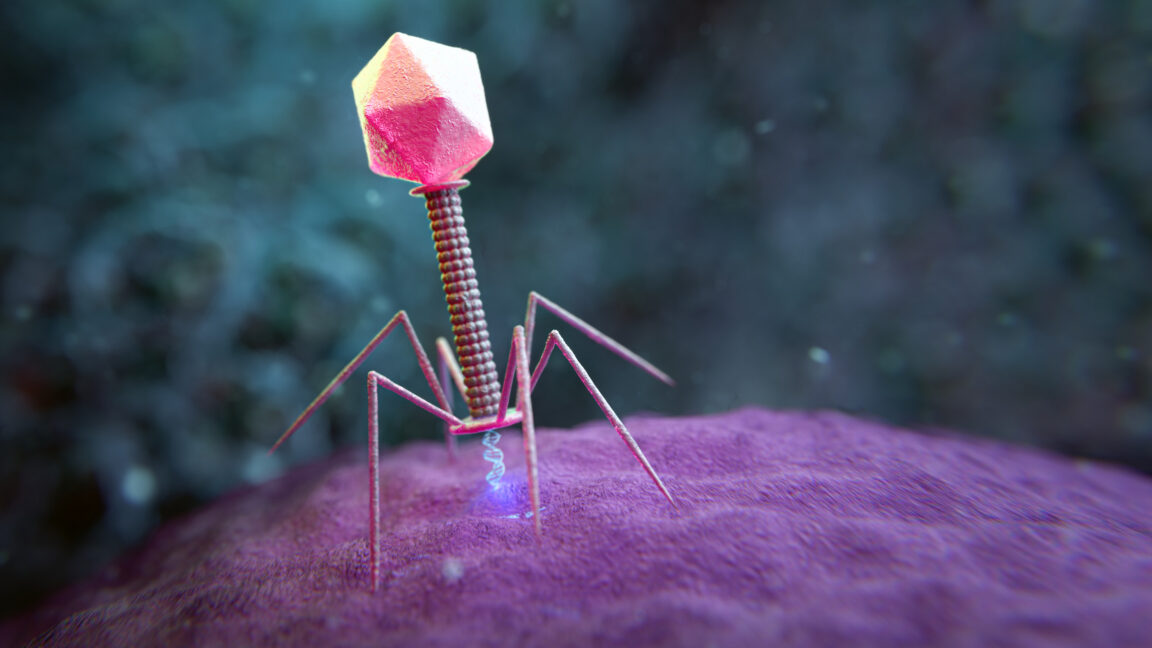
A lot of the AI work in biology has been focused on designing proteins. That's partly because proteins do most of the business of life, catalyzing the interesting chemistry and structuring cells. So, figuring out how to make a new protein can mean directly tinkering with biochemistry, providing new and potentially useful functions.

Since the genetic code provides a layer of abstraction between DNA and proteins, it wasn't obvious what a model trained on DNA could do. Yet people went ahead and made a large genome model, and it turned out to be able to output DNA sequences that could encode functional proteins in bacteria and mimic the gene structures found in complex cells. Now, those same models have been used to output the genomes of viruses that infect bacteria.

This isn't science fiction—all the viruses the models created are closely related to an existing virus. But they do have some distinct features that would be challenging to evolve. And the researchers who did the work, based at Stanford University, suggest we may want to start thinking now about preparing for the potential that someone could develop a related AI that can design a virus that targets vertebrates.
Read full article

Comments

© THOM LEACH / SCIENCE PHOTO LIBRARY
  •  

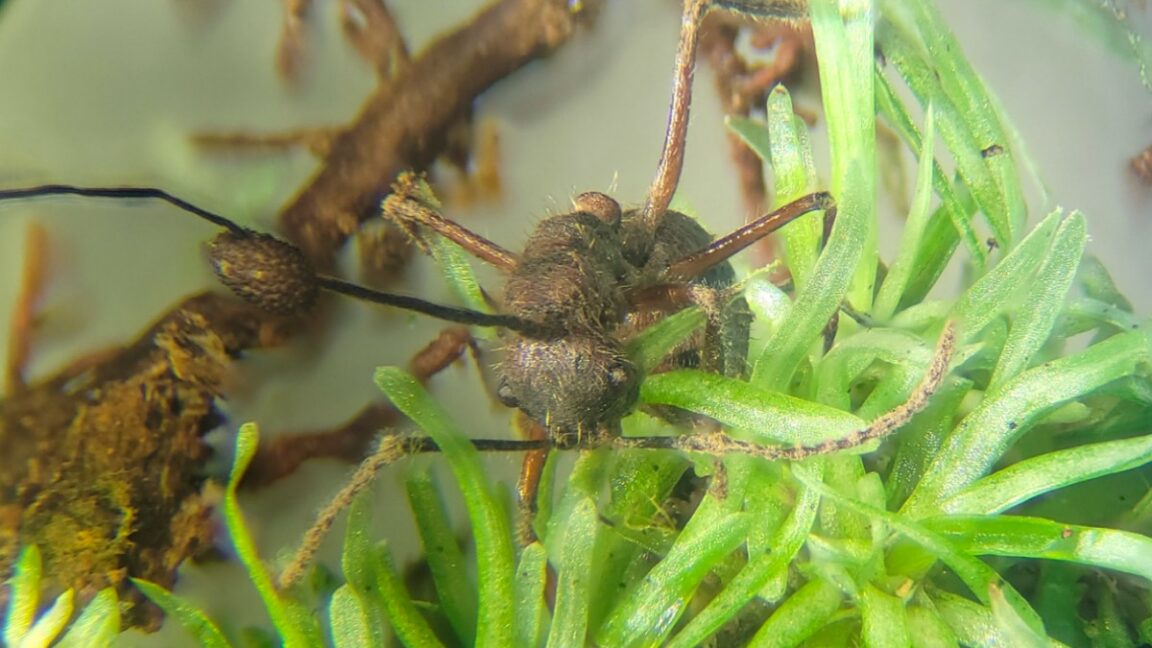
Parasitic zombie-ant fungus thrives in mosses, too

The parasitic fungi in the Cordyceps genus are a favorite subject of nature documentaries. They've also infiltrated popular culture via the zombie-apocalypse video game The Last of Us (2013) and its TV adaptation, in which a parasitic fungus mutates to infect humans. Scientists are keen to study Cordyceps to learn more about the origins and intricate mechanisms underlying these pathogen-based diseases.

The latest finding: DNA analysis revealed the same fungus in both parasitized insects and surrounding mosses, according to a paper published in the journal IMA Fungus. (Yes, really.) This suggests a second life stage during which the fungus lives inside the moss, possibly an evolutionary adaptation to survive when insect hosts may be scarce. It could also explain why the host species seems to prefer biting into mosses during their final death throes.

As we've previously reported, there are more than 400 different species of Cordyceps fungi, each targeting a particular insect species, like ants, dragonflies, cockroaches, aphids, or beetles. The spores attach to the target insect, such as a carpenter ant, and germinate, spreading through the host’s body via long tendrils called mycelia. Cordyceps essentially turns its host into a zombie slave, compelling the ant to climb to the top of the nearest plant and clamp its tiny jaws in a death grip around a leaf or twig.

Read full article

Comments

© Tales Alves-Júnior et al., 2026

  •  
❌