Reading view

Judge rules Meta caused "public nuisance" and must fund mental health treatment

A New Mexico judge yesterday ordered Meta to pay $567 million for a fund that would alleviate the "public nuisance" created by its social media services. The order to pay for youth mental health care is in addition to $375 million in civil penalties that a jury ordered Meta to pay earlier in the same case.

New Mexico Attorney General Raul Torrez sued Meta in a Santa Fe County court in 2023. A jury found in March 2026 that Meta's social media platforms do not effectively protect kids from child exploitation and ordered the company to pay civil damages for violating state consumer protections and misleading parents about the safety of its apps.

The jury trial was just phase 1 of the case involving Meta, the owner of Facebook, Instagram, and WhatsApp. "The Phase 1 jury trial considered the State’s Unfair Practices Act claims and resulting civil penalties. The Phase 2 bench trial considered the State’s request for abatement based upon the State’s allegation that the Defendant, Meta, created a public nuisance," Judge Bryan Biedscheid wrote yesterday in the $567 million judgment. Meta reported $60.8 billion in revenue and $15.85 billion in net income in Q2 2026.


Read full article

Comments

© Getty Images | Cavan Images

  •  

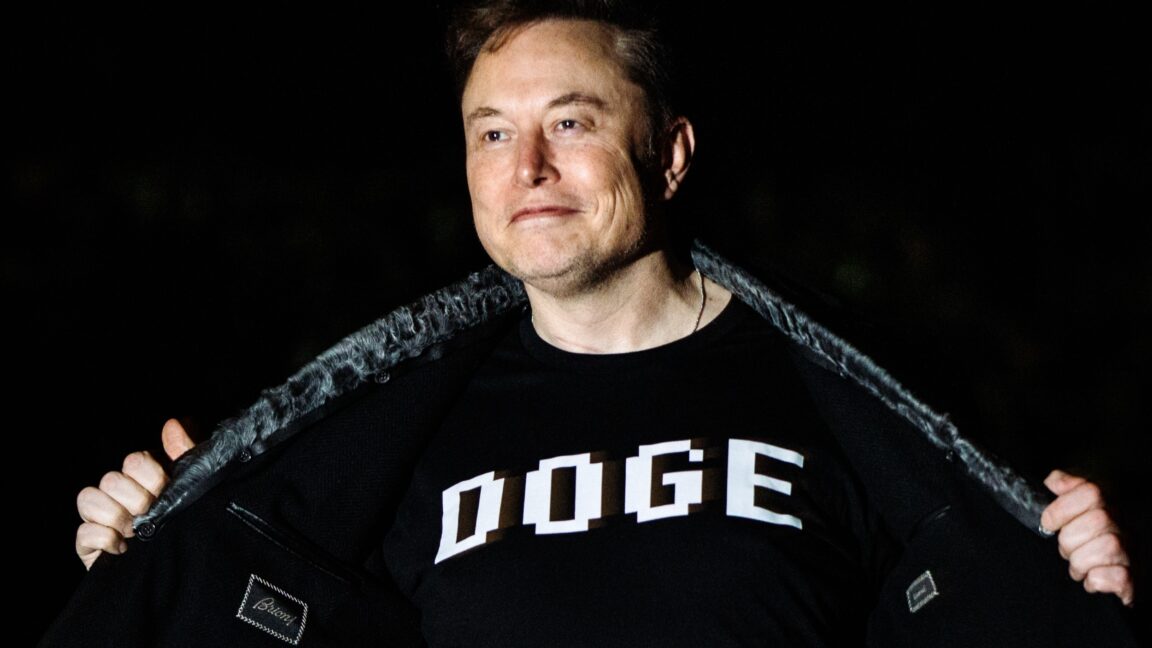
DOGE's wild, unverifiable savings claims discredited in US government report

It won't come as a surprise that Trump's Department of Government Efficiency (DOGE) didn't save taxpayers nearly as much as it claimed. Analysis from outside the government showed savings claims were heavily inflated, and now the government's own watchdog has said it wasn't able to confirm savings claims made in DOGE's so-called "Wall of Receipts."

For example, DOGE reported savings of $49.2 billion from cutting grants, but almost none of it could be verified, the US Government Accountability Office (GAO) said in its report yesterday. The GAO is the auditing and investigating arm of Congress and issued the DOGE report in response to a June 2025 request from Sens. Gary Peters (D-Mich.) and Richard Blumenthal (D-Conn.).

"The Wall of Receipts did not provide sufficient information to verify the method DOGE used to calculate savings, or what the savings consisted of, for 13,553 of the 15,887 grants it reported as terminated. This corresponds to about 96 percent of the DOGE-reported grant savings," the GAO report said.

Read full article

Comments

© Getty Images | Samuel Corum

  •  

AI chatbots have failed people in crisis. Can that be fixed?

This year alone, there have been numerous known instances—often via lawsuits—of AI chatbots (most often, OpenAI’s ChatGPT) that have gone horrifically wrong.

A January lawsuit described the story of a man who took his own life after being allegedly “coached” into suicide. A college student in Georgia sued OpenAI, claiming that ChatGPT “pushed him into psychosis.”

In June, a Canadian family also sued OpenAI and argued that ChatGPT agreed with the young woman’s dismissiveness when it first gave her the option to seek professional mental health advice. ChatGPT allegedly “encouraged” her to end her life, too, and she did so.

Read full article

Comments

© Oscar Wong via Getty

  •  

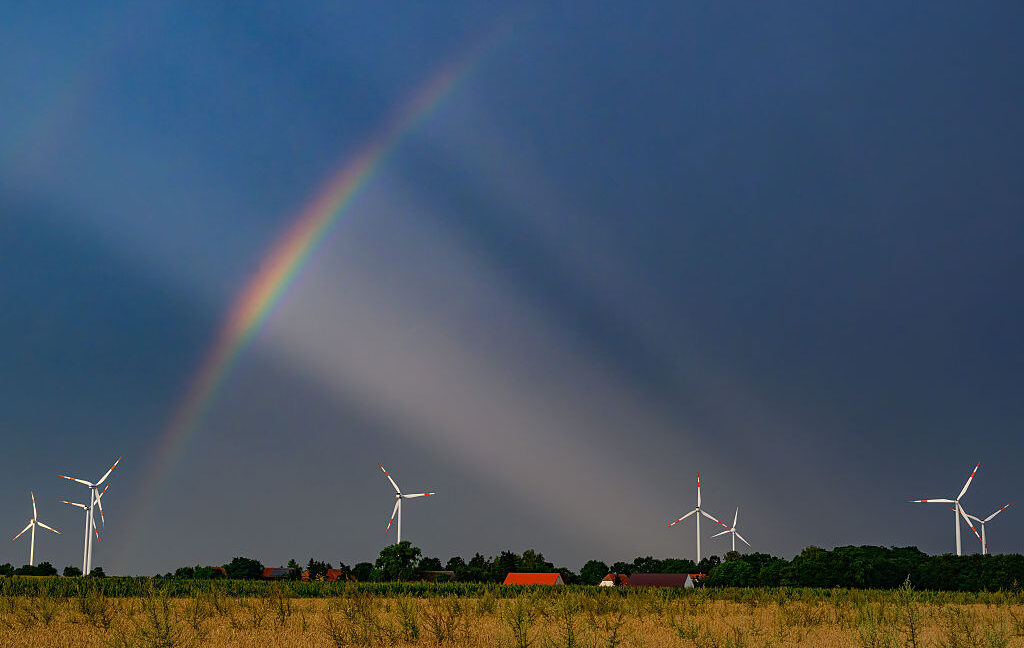
Trump is losing his war on wind power

On Thursday, a US District Court in Oregon ordered the US government to restart the process of approving wind projects. All new wind development in the US has been on hold since August 2025, when the Department of Defense (DoD) stopped participating in a process that allows it to compel developers to alter projects in order to limit their interference with radar equipment. The court ruled, however, that the DoD's national security claims did not allow it to opt out of a process that is legally mandated.

The Trump administration has made many attempts to block wind development, both offshore and land based. Its attempts to stop offshore wind included the same approach at issue in this case: Claim that drone developments mean that radar interference by wind turbines creates a national security risk. The courts were not sympathetic to this claim, including in cases where judges examined a classified report that the DoD was using to justify blocking offshore wind construction. As a result, the administration has turned to paying companies not to pursue wind development.

In parallel, the government was pursuing a similar approach for onshore wind. Here, a law lays out a process for the DoD to evaluate any problems posed by wind turbines and negotiate changes to planned wind farms with the developers. As laid out in the new decision, the government simply stopped participating in this process in August 2025, first by refusing to sign off on previously negotiated agreements, and later by refusing to draft agreements entirely. Eventually, it simply refused to participate in negotiations at all. This has brought a halt to all wind development in the US.

Read full article

Comments

© picture alliance

  •  
❌