Reading view

US distributor of China’s most popular humanoid robots pivots after US ban

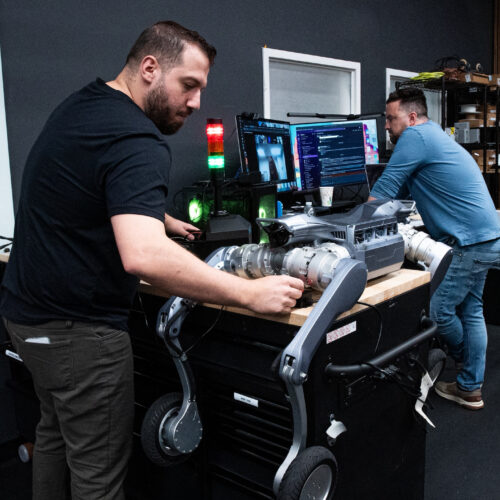
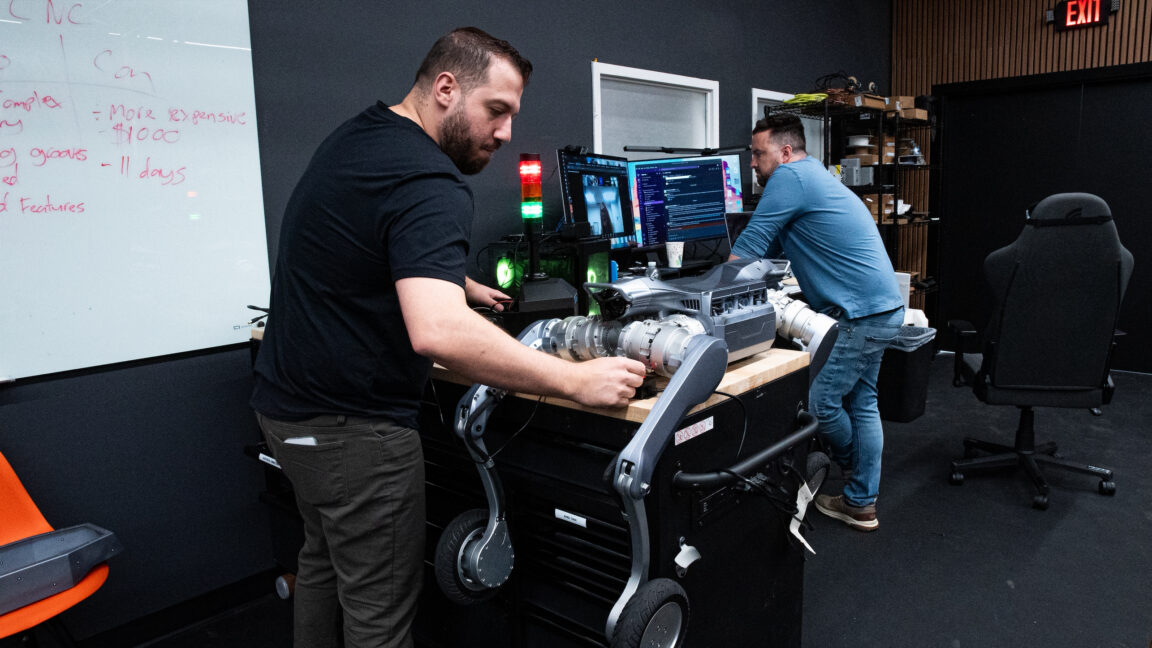
A leading US distributor of China’s most popular humanoid robots and robot dogs now plans to produce its own robots at a facility on Long Island, New York. The business pivot comes amid the US government’s growing crackdown on foreign-made robots.

The company, RoboStore, had previously become the main North American distributor for humanoid robots and quadruped robots from Unitree Robotics, a Chinese robotics company that produces some of the most affordable and popular humanoid robot models. Universities like Harvard and MIT, along with tech companies like Amazon and Nvidia, purchased such robots made in China through RoboStore for their own research and development purposes.

“We’ve sold over 1,500 robots and deployed them and worked with customers like Cisco, OpenAI, Nvidia, and over 150 universities,” Teddy Haggerty, founder and CEO of RoboStore, told Ars.
Read full article

Comments

© Robo Inc.

  •  

Reverse-lookup service exposed millions of photos of people’s faces

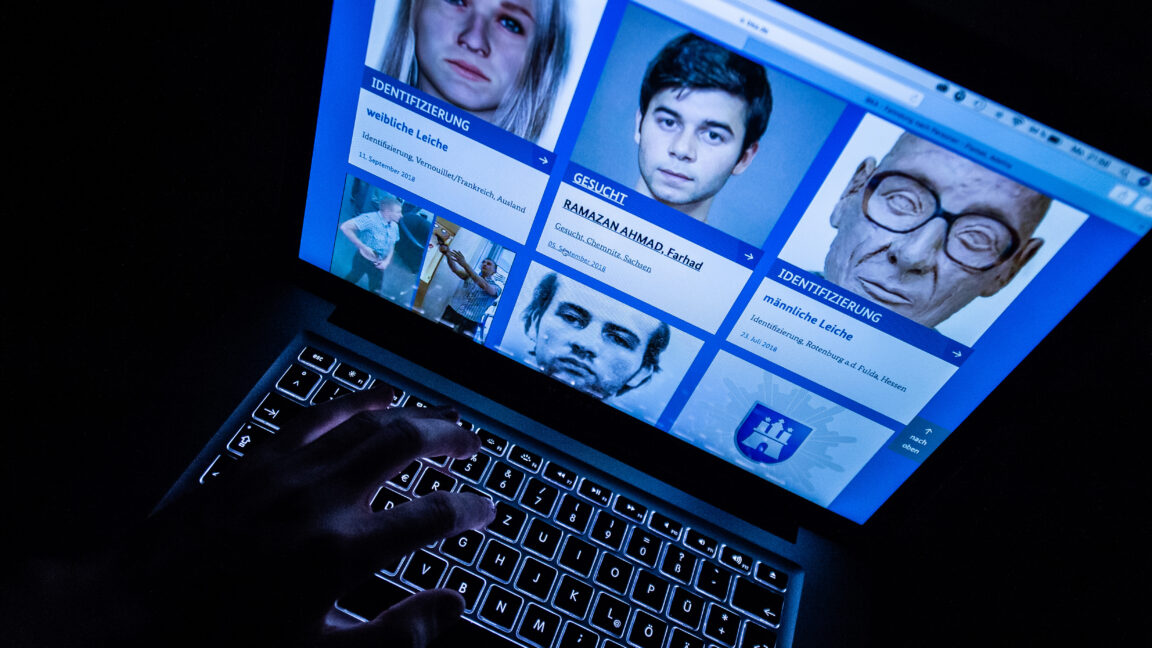
When someone uploads a photo to the people-search tool ClarityCheck, the website has a clear message: “Your reverse image search is private and secure.” New research, though, shows that the website left more than 9 million image files, including photographs of people’s faces, publicly exposed. And a second misconfiguration publicly exposed people’s email addresses and phone numbers.

Overall, according to findings from independent security researcher Jeremiah Fowler, the exposed ClarityCheck database contained roughly 450 GB of images, including what appeared to be profile images, screenshots, and other photographs of adults, teenagers, and children. All of the images were stored in an unsecured Amazon S3 bucket, with files in folders named “faces” and “profiles,” which could be accessed by anyone online through a URL included in the company’s publicly available website code.

ClarityCheck is one of a number of so-called people-finder tools that have appeared online in recent years. These websites broadly claim to be able to search the web, public records, and other databases to identify individuals. ClarityCheck’s website says it can run searches on phone numbers, email addresses, vehicle identification numbers, and names. Its photo-search page says it can help “identify anyone in a photo” and find social media profiles “in seconds.”

Read full article

Comments

© picture alliance / Contributor

  •  

Amazon aims for delivery drones to reach 500 US neighborhoods by end of 2026

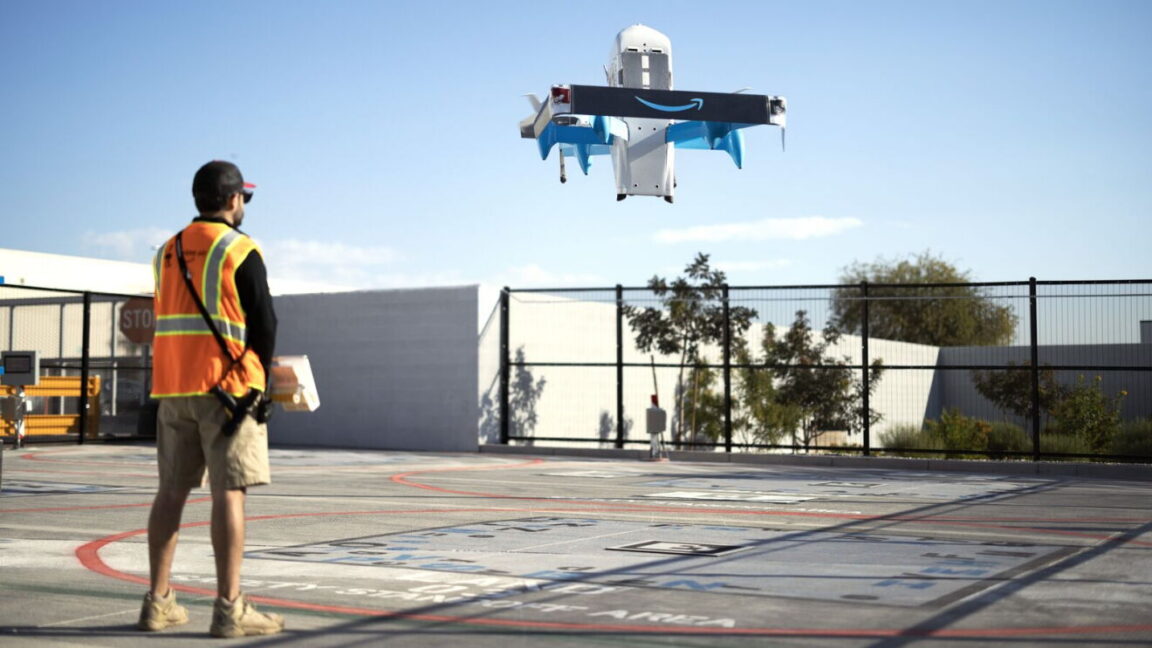
Amazon wants to grow its Prime Air delivery drone service sixfold to reach nearly 500 cities and towns across the United States by the end of 2026. The planned expansions from Amazon and its rivals could make the convenience of delivery drone services available to tens of millions more people in the coming months—but will also test more communities’ tolerance for increased noise from daily drone flights.

On August 19, Amazon announced it would soon launch Prime Air in the metropolitan areas of Chicago; Cleveland; Atlanta; Syracuse, New York; and Boise, Idaho, with more to come later in the year. Each Prime Air site offers delivery drone service within an area of about 175 square miles, with delivery times ranging from half an hour to an hour.

Prime Air already operates out of Amazon warehouses in 10 cities across seven states. Those include primarily suburban neighborhoods of Phoenix; Tampa; Kansas City; Omaha, Nebraska; Baton Rouge, Louisiana; Detroit; Houston; and San Antonio, Dallas, and Waco, Texas.

Read full article

Comments

© Amazon

  •  
❌