
Reading view

Hidden Zillow listings created fake supply shock, raising NYC rents, lawsuit says

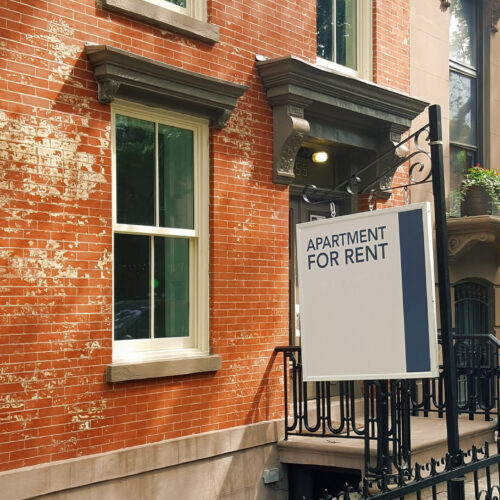
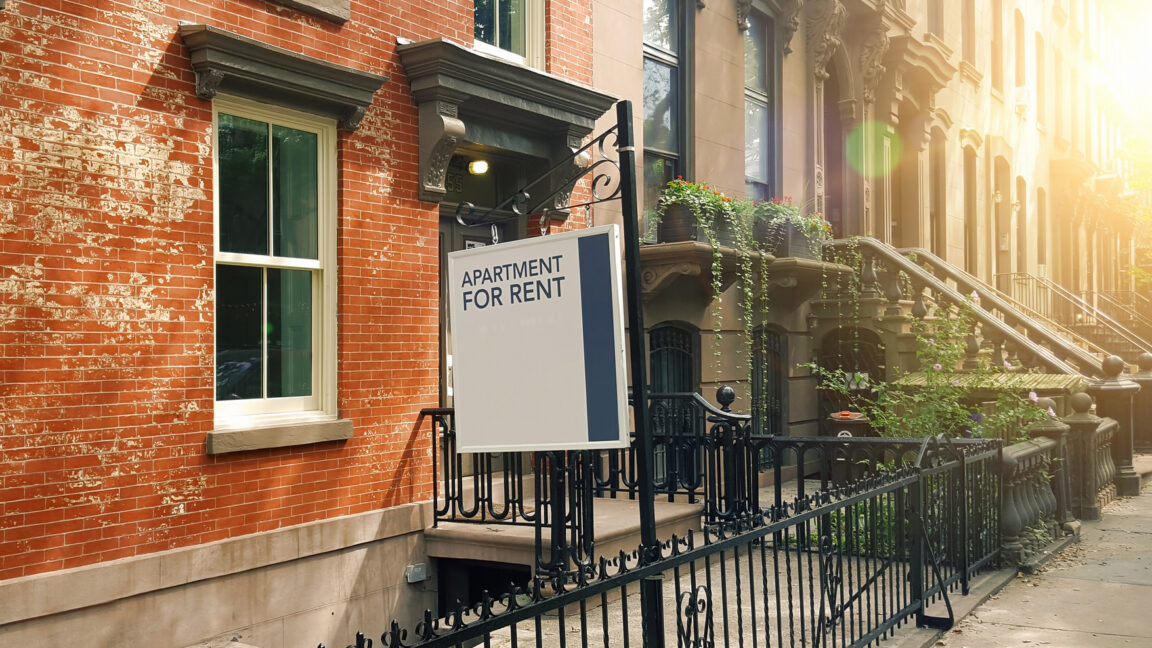
This week, two New York City renters filed a class action complaint alleging that a brokerage business called Compass—which has been boycotting posting listings on free digital platforms like Zillow—has now delisted so many rental units that it has created a fake supply shock that is artificially raising rents.

According to plaintiffs, Peter Castaneda and Haley Gelfand, Compass has bought so many brokerage firms over the past decade-plus that it maintains a monopoly, controlling “over 80 percent of the rental unit listings available for renters in Manhattan based on 2025 data.”

With that monopoly, Compass can “literally dictate pricing for as much as 80 percent of Manhattan’s rental units,” renters argued. And now, Compass is allegedly trying to manipulate prices on other platforms, as well.
Read full article

Comments

© Busà Photography | Moment

  •  

Lawsuit demands Logitech hand tariff refunds over to customers

Logitech is facing a proposed class action lawsuit for not giving customers tariff refunds.

In April 2025, Logitech raised the prices on 51 percent of its portfolio, with some prices increasing by as much as 25 percent.

The complaint seeks to “recover monies that Logitech extracted from American consumers as offset for import tariffs that the United States Supreme Court has since declared unlawful, tariffs for which Logitech now stands to be reimbursed by the federal government. This is all while Logitech retained every dollar of the corresponding price increases it charged its customers due to the illegal tariffs.”

Read full article

Comments

© Logitech

  •  

Personalized pricing is “abhorrent,” but FTC limits may increase costs, critics say

Some Americans worry that the Federal Trade Commission's rush to limit personalized pricing in the name of consumer protection could end up killing discounts they depend on or, counterintuitively, raising prices.

The FTC has no power to ban personalized pricing, in which a business uses a customer’s personal data to determine the highest price that person might be willing to pay for a product or service. But the agency believes it could set limits on the practice, including potential penalties for businesses that fail to disclose when customers may be paying more because data suggests they won't balk at the price.

In a request for public comment on a proposed policy statement, the FTC acknowledged that personalized pricing is common in some industries. But FTC Chair Andrew Ferguson said new industries are increasingly tracking customers to set individualized prices, blindsiding consumers who expect a listed price in markets like retail “to be the same price that everyone else sees,” Ferguson said.

Read full article

Comments

© Andrew Harnik / Staff | Getty Images News

  •  

As demand for Meta AI glasses explodes, it’s harder to avoid creepy recordings

Can you tell when someone nearby is wearing Meta AI glasses?

As millions of people buy into the smart glasses fad each year, the odds are increasing that you could be secretly recorded while simply going about your day.

Meta is not the only smart glasses maker, but its AI glasses are by far the most popular. And as the devices become more common, some public places, including schools, courts, restaurants, and entertainment venues, have begun to ban them. Even tech lovers have rejected Meta glasses in certain settings. The hackers behind DEF CON 2026 reportedly banned smart glasses with no exceptions, reminding attendees with prescription pairs to “be sure to pack non-violating eyewear if you need them.”

Read full article

Comments

© Aurich Lawson | Getty Images

  •  
❌