Reading view

GM vehicles under federal scrutiny after hundreds of reports

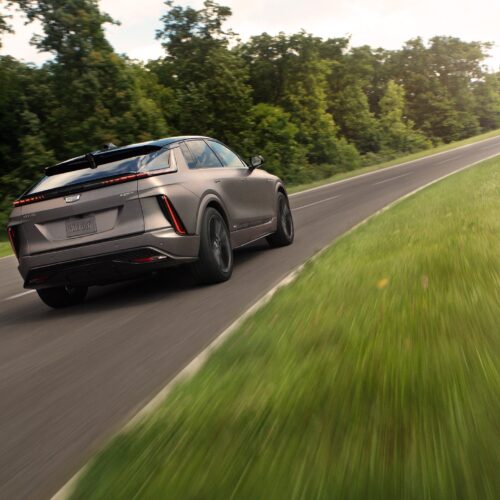
The federal government is expanding a safety investigation into a number of vehicles manufactured by General Motors after receiving hundreds of reports of brake failure. The problem affects more than 1.1 million cars, including many of GM's electric vehicles, as well as ones it has built for Honda and Acura. The problem is with the brake-by-wire system (which GM calls eBoost), which can suffer a spindle fracture while driving.

GM says that in the event of that happening, the car should still retain a number of critical safety features—antilock brakes, traction control, and stability control—at least until it comes to a complete stop, at which point they become inoperable. But NHTSA's ODI says that it has received many reports that contradict this behavior and allege that eBoost failures are followed by an immediate loss of braking, which obviously poses a safety risk.

Indeed, NHTSA has received 227 incident reports, a number that grows to 745 once you include the hundreds of occurrences reported to GM. Twenty-two cases resulted in crashes, and while six people have been injured in five crashes, thankfully there have been no fatal incidents.

Read full article

Comments

© Cadillac

  •  

Inaudible sounds used to fingerprint browsers catch AliExpress red-handed

Chinese retailer AliExpress has been caught fingerprinting visitors after one of the metrics—an outdated technique that measures inaudible sounds it sends to browsers—impeded a researcher's ability to use his bluetooth headphones.

Researcher Matthew Callaghan said he stumbled on the stealthy tracking by mistake. After loading the AliExpress homepage, audio from his phone stopped playing over his multipoint headphones, which accept connections from more than one device at a time. He set the headphones to play sounds from his phone except when his PC was producing audio. Each time he loaded AliExpress, the phone audio stopped. Each time he closed the tab the site was loaded into, the phone was once again audible.

Users can't hear it, but browsers can

While investigating the odd behavior, Callaghan said he found two highly obfuscated scripts. Together, they rendered a graph that analyzed the WebAudio readings of each visiting browser. This graph acted as an oscillator that measured Sawtooth waves, which are common in output from digital audio.

Read full article

Comments

© Getty Images

  •  

Buyer beware: Those mummified remains might carry toxic spores

Mummified human and animal remains have long been in demand among collectors, and such items are sufficiently rare that their acquisition may involve unregulated, occasionally clandestine trade practices—if not outright illegal ones. According to the authors of a paper published in the International Journal of Cultural Property, the risks to would-be collectors aren't just legal. Mummified remains may also pose a significant health hazard due to toxic substances used in their preservation and microbial growth due to improper storage. In fact, toxic spores or fungi are often cited as the source of the legendary "mummy's curse" tied to the excavation of King Tutankhamen's tomb.

Per the authors, the mummification process throughout history has relied on various toxic materials and substances to help preserve the remains—heavy metals like arsenic, mercury, and lead, for example—which is why careful handling is necessary to avoid adverse health effects. (Professionals typically don masks, gloves, and lab coats when working with such remains.) Various micro-organisms (bacteria, fungi, yeasts) can also lie dormant in the tissues for centuries and can recolonize and multiply due to a ready supply of organic material—particularly if the remains have been stored in suboptimal conditions.

A 1962 case, for example, revealed the presence of poisonous fungi spores in mummified remains that would cause respiratory inflammation and infection if inhaled, as well as fever. A 2013 study found that the hundreds of mummies on display at the Capuchin Catacombs in Palermo, Sicily, are prone to microbial and fungal growth after years of unstable environmental conditions. Similarly, in 2012, scientists identified three species of fungi (Aspergillus, Penicillium, and Stachybotrys) on human remains, coffins, walls, and in the air in the crypts of the Church of St. Peter and Paul in Krakow, Poland.

Read full article

Comments

© Universal Pictures

  •  

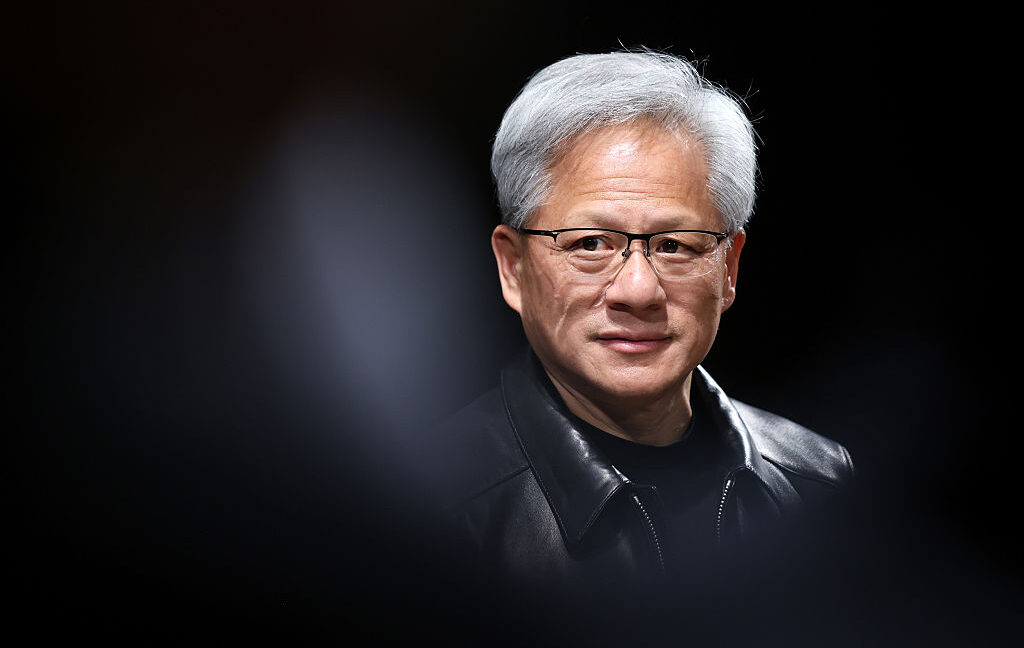
Nvidia senior manager linked to Supermicro scheme smuggling AI servers to China

Taiwan has indicted nine people—reportedly including an Nvidia senior manager and two Supermicro employees based in the country—who allegedly helped forge documents to cover up illegal exports of high-end AI servers to China in violation of US export controls.

On Monday, Reuters reported that prosecutors in Keelung did not release any names but confirmed that the suspects were “charged with breach of trust and document forgery.” One suspect linked to a related case remains at large, accused of the “siphoning of funds from a distributor company involved” in helping China get access to restricted Nvidia chips.

Since 2022, the US has required a license to export semiconductors to China, with the intent of protecting national security by staying ahead of China in the AI race. But after the US arrested Supermicro co-founder Wally Liaw in March for allegedly funneling $2.5 billion in restricted AI servers to China since 2024, Taiwan launched a separate probe to learn more about the scheme.

Read full article

Comments

  •  

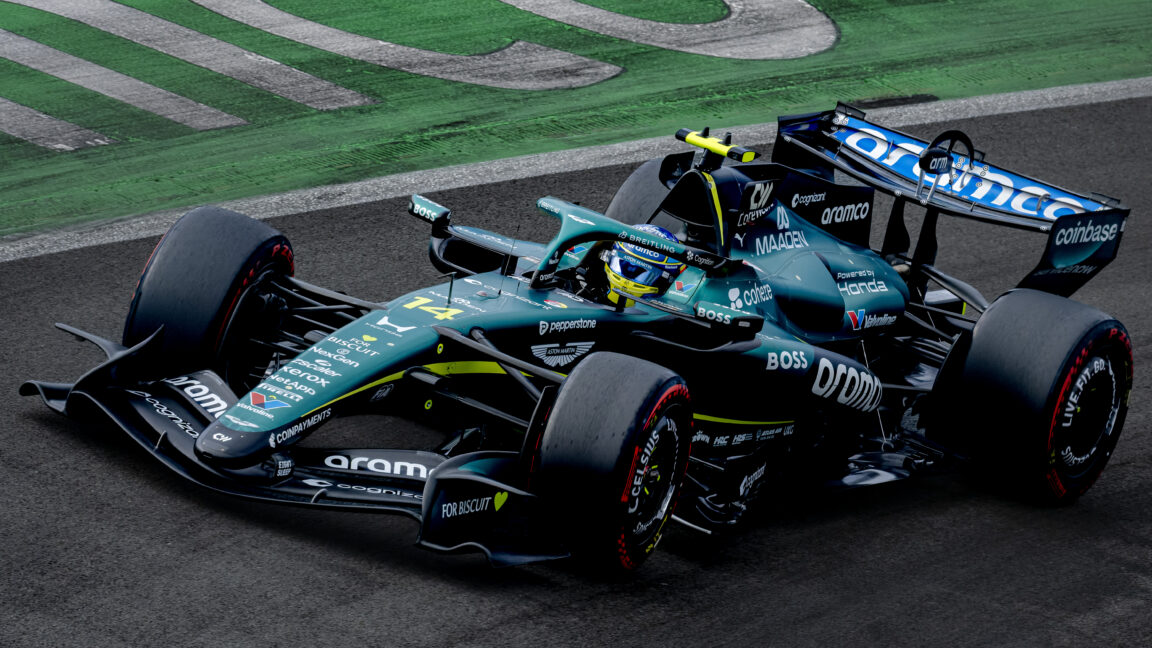
F1 in the Netherlands: The driver you most want to beat is your teammate

After months of rumors surrounding his future, now we know: Four-time champion Max Verstappen is staying in the sport for the foreseeable future. The news broke on the eve of the Dutch Grand Prix, held this past weekend at Zandvoort in the Netherlands as F1 returned from its mandatory summer vacation.

Verstappen's wasn't the only contract news—Williams will keep both Alex Albon and Carlos Sainz, too. More than once I've noticed a driver having an underwhelming weekend following a freshly signed contract; in this case, all three had a weekend they'd probably rather forget. They weren't the only ones, though. Up and down the grid, we saw friction between teammates. And there's no one an F1 driver wants to beat more than the only other person to have the same car as they do.

Formula 1 returned from its summer break with this weekend's Dutch Grand Prix.

Read full article

Comments

© EYE4Images/NurPhoto via Getty Images

  •  

Trump tried to curb clean energy. It’s booming anyway.

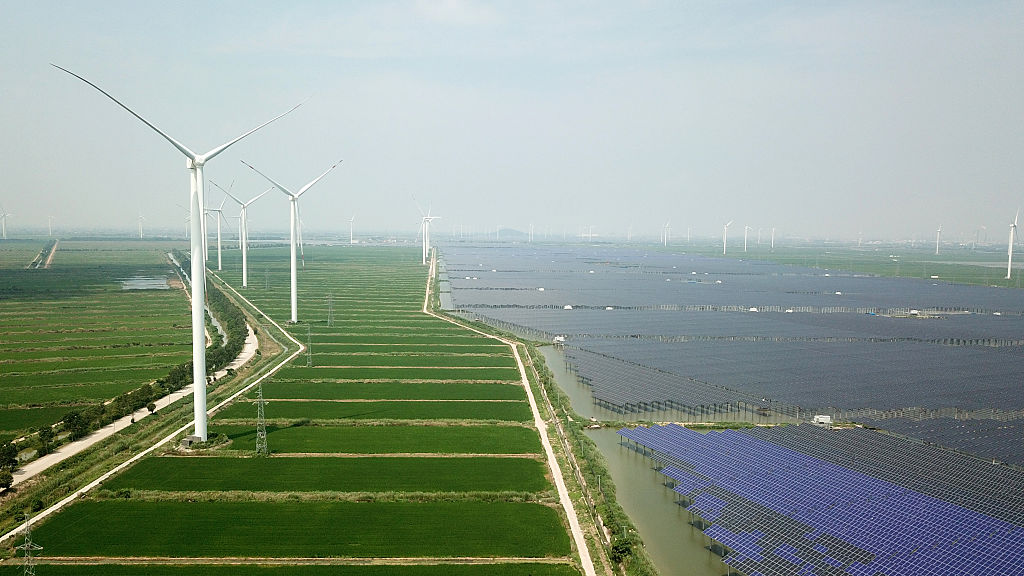
Donald Trump is presiding over an unexpected clean energy boom, as rising electricity demand spurs investment in new capacity despite the US administration’s efforts to thwart a solar and wind rollout.

Clean energy additions will rise by a record 45 gigawatts this year, according to S&P Global Energy—equivalent to the average electricity demand of Turkey. The increase is roughly 25 percent higher than the record set in 2024.

The US president’s war in Iran, which has driven up global energy prices, along with surging power demand from AI data centers and developers’ rush to capitalize on expiring tax credits, are driving the cleantech boom, said analysts. Trump’s administration has also been pragmatic in the face of its energy needs.

Read full article

Comments

© CFOTO/Future Publishing via Getty Images

  •  

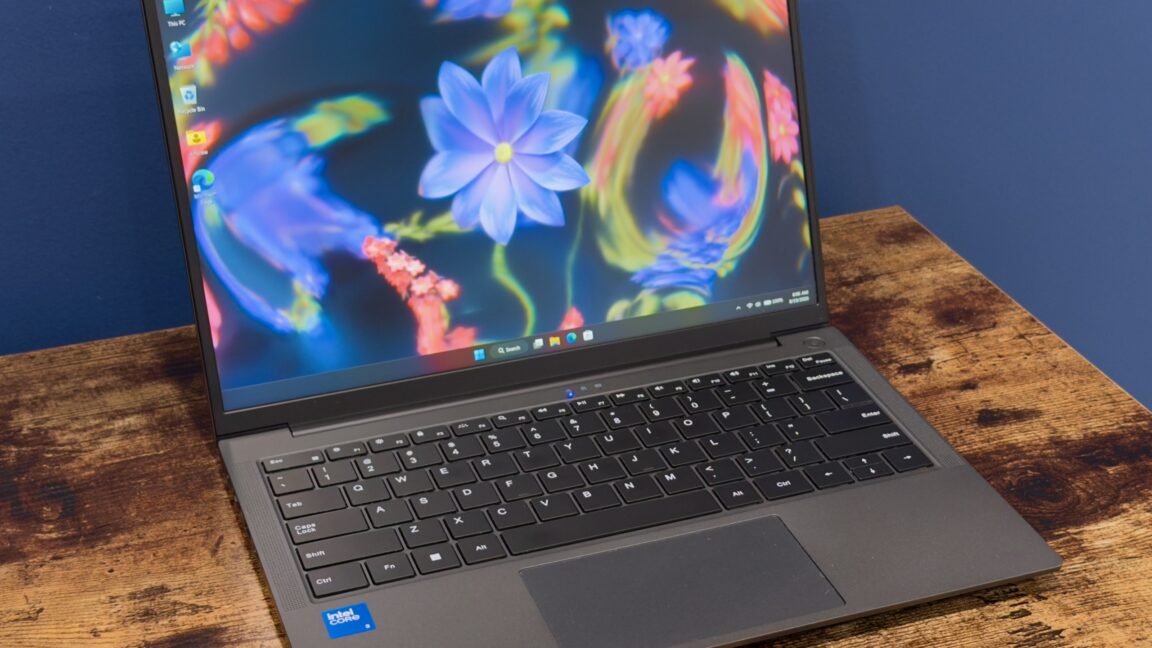
Review: Chuwi's $449 Unibook laptop is a funhouse-mirror MacBook Neo

In another time, the MacBook Neo could have caused a substantial realignment of the lowish-end laptop business. Sure, it has shortcomings compared to the MacBook Air, but it could have at least encouraged PC makers to start shipping consistently decent keyboards, screens, and build quality in the Neo's $599 price window.

The PC makers did start responding, thanks in part to Intel's actually new non-Ultra Core Series 3 processors (codenamed Wildcat Lake). Intel has resisted its usual compunction to serve the budget market with aging, re-labeled silicon and has created a lower-end, lower-performance processor with the same building blocks (and the same manufacturing processes) as this year's high-end, high-performance models.

The likes of Dell, Acer, Asus, and Lenovo began hopping on the Wildcat Lake train fairly quickly, announcing would-be Neo competitors. But it felt like most of them were having trouble matching the Neo's barebones specs, let alone undercutting them. Dell's XPS 13 started at $599, but only for students. It would be $699 for everyone else. Acer's Swift Air 14 was announced at $699, too. Sure, sometimes these offered features the Neo didn't have. But the point of the Neo is that it eschews frills and frippery in favor of nailing the basics.

Read full article

Comments

© Andrew Cunningham

  •  
❌