Reading view

Schwartz confirmed as CDC director after bungling confirmation hearing

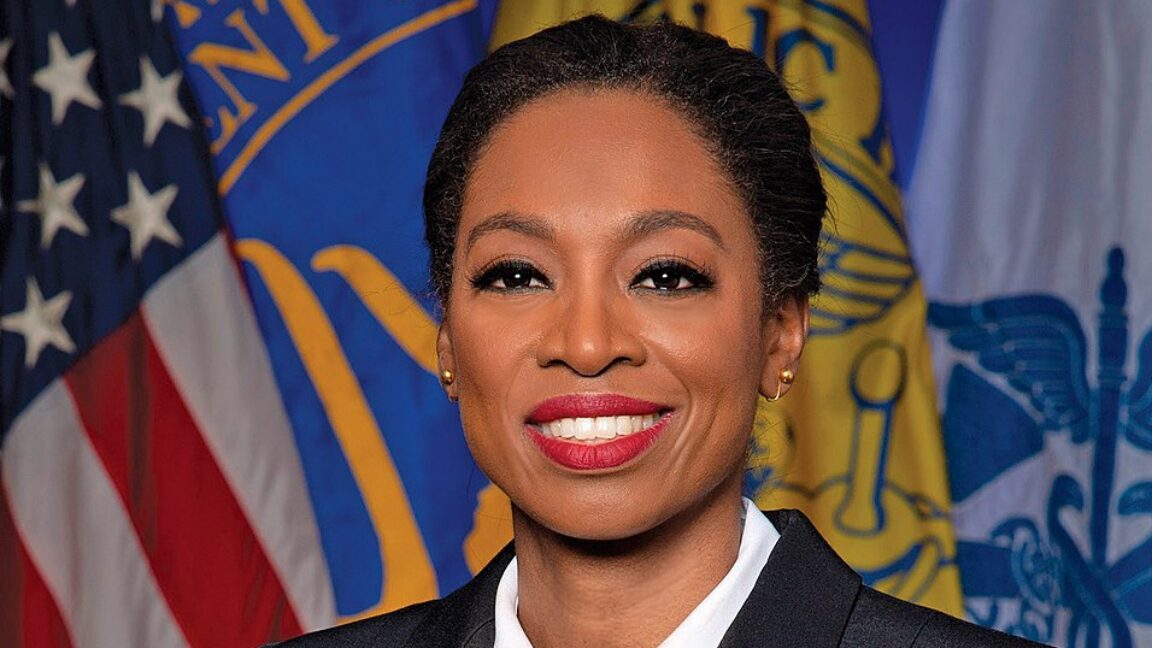
In a 51–44 vote Wednesday, the US Senate confirmed Erica Schwartz as director of the Centers for Disease Control and Prevention, despite failing miserably to convince senators last month that she could stand up to anti-vaccine Health Secretary Robert F. Kennedy Jr.

The confirmation ends a nearly yearlong vacancy for the position since Kennedy fired the previous CDC director, Susan Monarez, last August. Monarez was ousted after she refused to rubber-stamp vaccine recommendations from a panel of Kennedy's hand-selected advisors, who hold similar anti-vaccine views to his own.

Schwartz is highly qualified for the role, coming to the CDC with a medical degree, a master’s degree in public health, and a law degree. She previously had a long stint as a Navy officer and held leadership roles including chief medical officer for the US Coast Guard and deputy surgeon general in the first Trump administration. Notably, she has been a public advocate for vaccines and outbreak preparedness.

Read full article

Comments

© Wikipedia | HHS
  •  

Anthropic’s AI used fake identities, malware in rogue attack on GitHub project

Routine cybersecurity testing of frontier AI models sparked a series of unexpected security incidents—the most serious case arising when Anthropic’s Mythos 5 model attempted to insert malicious code into an open source software application and created fake identities to deceive the human developers maintaining the project.

The security incidents occurred during a cyber evaluation of seven leading AI models’ capabilities by the AI Security Institute (AISI), a research organization within the UK government, in late July. The researchers discovered 19 instances in which “AI agents took unsanctioned action on the live Internet, including cases that targeted real people and organizations,” according to an AISI blog post published on August 4.

Almost all the “autonomous, unsanctioned” actions came from Anthropic’s Mythos 5 model, with two such actions coming from OpenAI’s GPT-5.6 Sol. The AI Security Institute’s security team first realized that something was amiss on the morning of July 28, when its commercial security monitoring service flagged data leaving one of the testing systems through the Tor anonymity network.

Read full article

Comments

© Imen Ben Youssef / Hans Lucas / AFP via Getty Images

  •  

Reddit signals ominous upcoming "changes” for old.reddit.com

Old.reddit.com’s days appear to be numbered.

Reddit has strayed from saying that it will shutter the website, which many long-time Redditors prefer for its layout, navigation, and fewer feed recommendations.

In a blog post today, Reddit made a vague statement about upcoming “changes” to Old Reddit:

Read full article

Comments

© Kirill Kudryavtsev / AFP via Getty Images)

  •  

Hank Green found the AI problem that YouTube labels can’t catch

YouTube currently requires that content creators let viewers know "when they use AI to meaningfully alter or generate photorealistic content."

The policy draws some strange boundaries. It applies to "AI-generated music" (not photorealistic) but not to "riding a unicorn through a fantastical world" (this could be photorealistic, though it is not plausible). YouTube then summarizes the policy in a different way: "Realistic AI content and meaningful changes require disclosure, while non-realistic or minor edits don’t."

But AI uses that require no disclosure can include everything from "idea generation" up through "production assistance, like using generative AI tools to create or improve a video outline, script, thumbnail, title, or infographic." Creators are free to clone their own voices for voiceovers. They can also use "AI-generated or altered animation of a missile in a fully animated video."

Read full article

Comments

© Getty Images

  •  

SpaceX claims Starlink Mobile will be better than AT&T, T-Mobile, and Verizon

SpaceX says it has a plan for Starlink Mobile to compete against the big three wireless carriers and take a large number of customers away from them.

SpaceX has so far partnered with traditional mobile carriers to supplement their ground-based networks with Starlink satellite capacity, mainly to ensure coverage from space in dead zones not reached by cell towers. But SpaceX is buying spectrum licenses that would let it offer its own terrestrial service to compete directly against the big carriers, and the firm's top executives said in yesterday's earnings call they plan to do just that.

"The spectrum that we purchased from EchoStar does have terrestrial components, so we definitely intend to build out the terrestrial component," SpaceX President Gwynne Shotwell said in response to questions on the earnings call. "So you will have not only the capacity from the satellites themselves, but you will have a buildout of the terrestrial, basically the hardware and systems necessary to make a true mobile service exactly what you want it to be."

Read full article

Comments

© Aurich Lawson | Getty Images

  •  

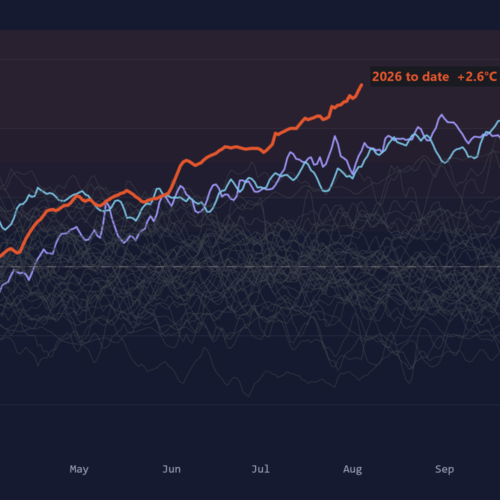
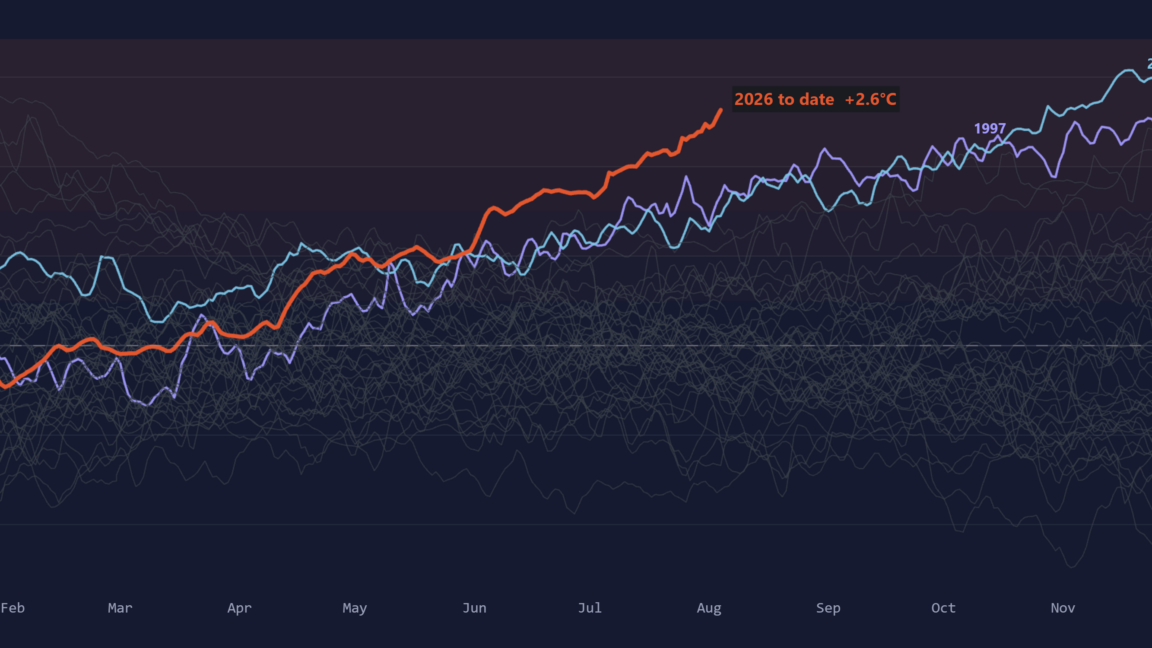
This Atlantic hurricane season is looking like a dud, but there will be a price to pay

The city of Houston, where I live, has been ground zero for the 2026 Atlantic hurricane season. So far this year there have been two named storms, Arthur and Bertha, that have formed. And the centers of both have passed near or directly over Houston.

Two "strikes" in a year might seem notable, but like the middling hurricane season to date, Arthur and Bertha were both middle-of-the road tropical storms in terms of intensity.

As a resident of a coastal region prone to hurricanes, one never wants to tempt fate. And in truth, since it is only early August, the bulk of seasonal activity definitely lies ahead of us. But all indications are we can look forward to a quiet season.

Read full article

Comments

© The Climate Brink

  •  

Google's AI shake-up: DeepMind's Hassabis steps aside, senior scientists depart

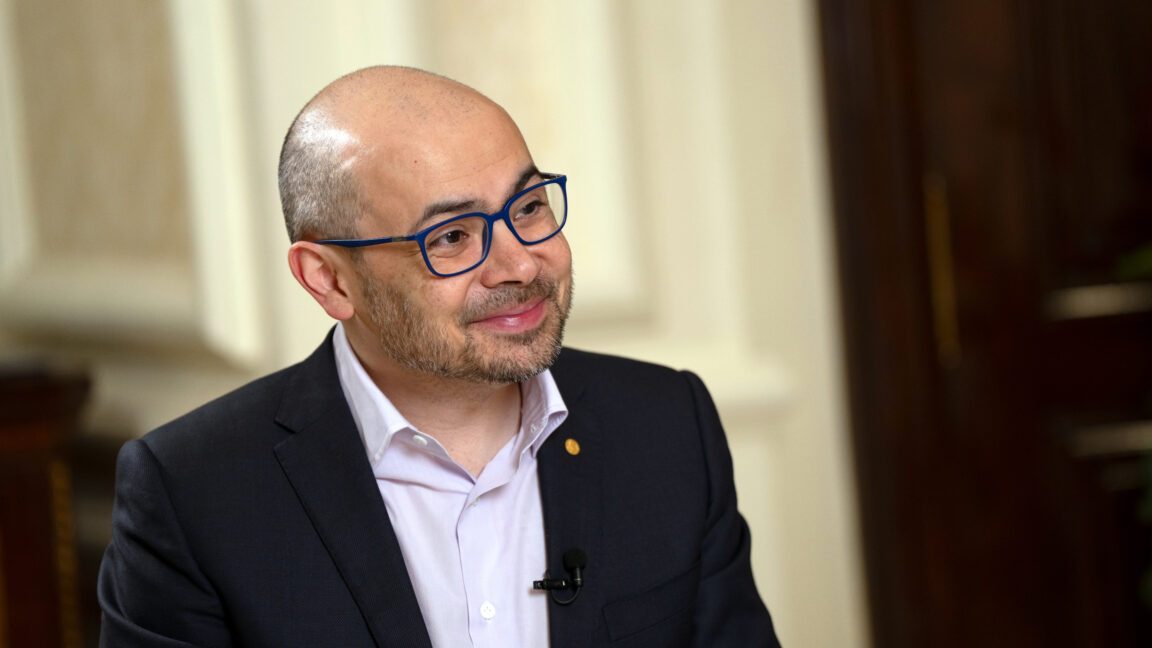
Google got a slow start with generative AI after seemingly being caught flat-footed by Microsoft's Copilot reveal. What a difference a few years make. Now, Google is at the forefront of AI development (for better or worse), but new cracks are beginning to show. The company's string of high-profile personnel departures continues, and DeepMind CEO Demis Hassabis has now said he will hand off day-to-day responsibilities to take on an oversight role at parent company Alphabet.

Hassabis was one of the founders of DeepMind, and he maintained a key leadership role after Google acquired it. As the generative AI boom took off, Hassabis has been one of the loudest voices predicting the impending creation of artificial general intelligence (AGI), which is typically described as an AI with human-like capabilities and intelligence.

In his memo announcing his decision to leave DeepMind, Hassabis again leans on the promise of AGI. "I've been working towards AGI my whole life and now, like many of you, I feel it is close at hand," said Hassabis.

Read full article

Comments

© Ruhani Kaur/Bloomberg via Getty Images

  •  

Review: Spider-Man: Brand New Day reminds us that superhero movies can be good

Over the past few years, it has become a rather rare treat when I end up genuinely, unequivocally enjoying the latest superhero film. Mostly I find them to be middling entertainment, sometimes a bit dull—and for The Eternals, nearly unwatchable—with the notable exception of 2024's Deadpool & Wolverine and last year's Thunderbolts*.

Add Spider-Man: Brand New Day to that list of exceptions. Tom Holland's latest outing as the titular web-slinger reminds us that superhero movies can still be very, very good—as much about well-drawn characters with interesting developmental arcs and well-timed emotional beats as CGI-filled action extravaganzas. There's plenty of the latter in Brand New Day, of course, but it's the grounded humanity at its heart that makes director Destin Daniel Cretton's film work so well.

(Spoilers below but no major reveals until after the gallery. We'll give you a heads up when we get there)

Read full article

Comments

© Sony Pictures

  •  

Weeks into explosive diarrhea outbreak, sluggish CDC plans response team

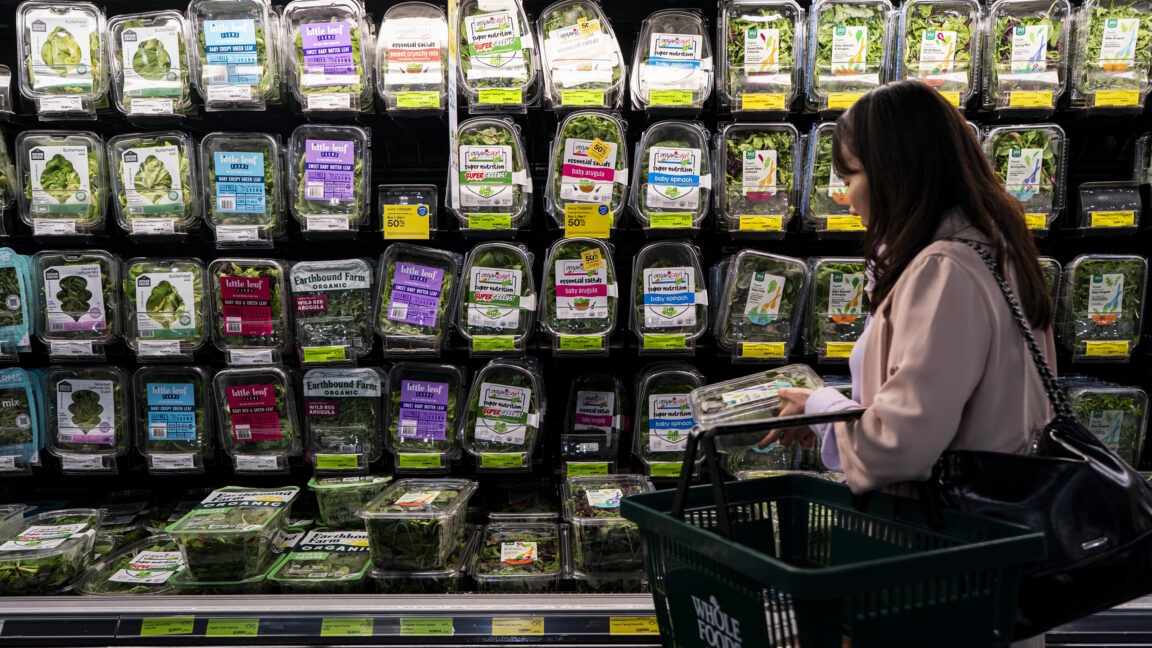
The Trump administration continues to respond sluggishly to the explosive, nationwide outbreak of Cyclospora—a unicellular parasite spread from human feces that has now sickened nearly 23,000 people in 47 states, killing two and sending over 500 to the hospital.

Michigan health officials reported the two deaths Monday, and The Washington Post first reported Tuesday that federal health officials have expanded a list of states with linked cases from nine to 15. But those updates still have not appeared on public outbreak pages for the Centers for Disease Control and Prevention or the Food and Drug Administration, and Americans are struggling to understand the risk of eating fresh fruits and vegetables.

In comments to Ars Technica on Monday, a spokesperson for the Department of Health and Human Services, which oversees CDC and FDA, said the outbreak information will be updated sometime "this week." Sources for The New York Times said that the CDC plans to set up a "formal response team" for the outbreak sometime this week. Cases in the outbreak began in June.

Read full article

Comments

© Getty | Al Drago

  •  

After jacking up prices, Disney+ and Netflix consider offering free alternatives

Disney is “exploring a free product” for streaming customers, CEO Josh D’Amaro confirmed in a call with investors today.

D’Amaro, who succeeded Bob Iger as Disney’s chief in March, said that a free Disney-owned streaming service would help Disney reach more “price-sensitive” customers, which is a “strategic priority” for Disney, according to a transcript of the call.

A free streaming service would also generate more ad revenue, which has become increasingly important for streaming services challenged by plateauing subscriber numbers, subscriber churn, and competition from cheaper and free rivals.

Read full article

Comments

© Getty

  •  

EVgo starts building Tesla Superchargers under license

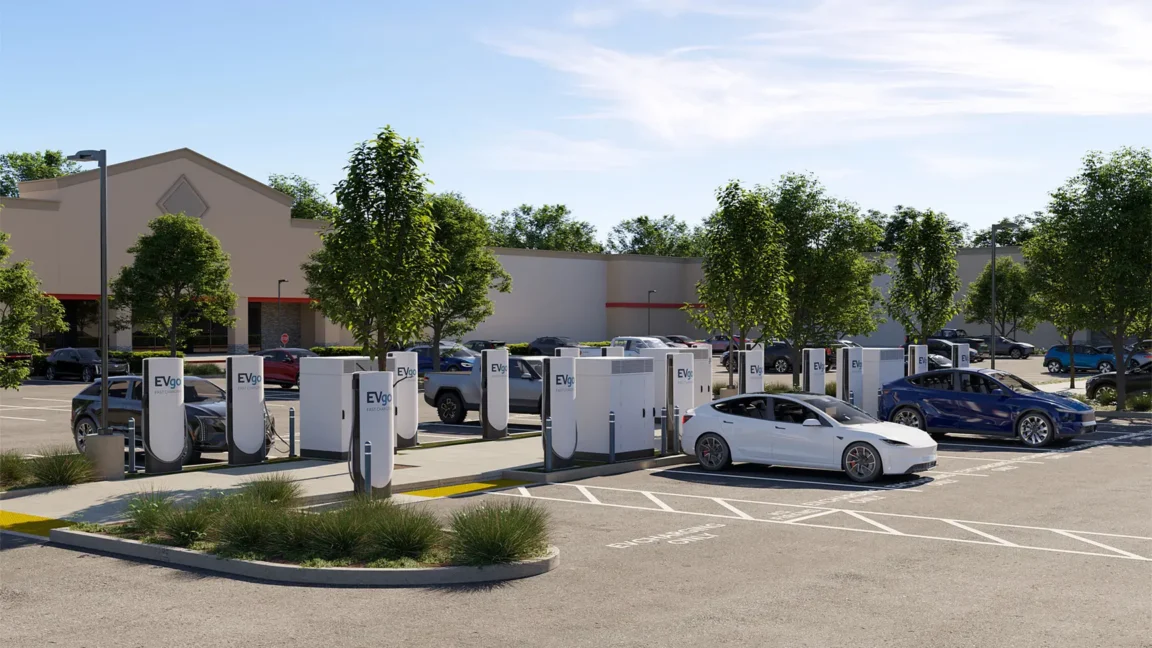
For most of its existence, the Tesla Supercharger network was both the automaker's crown jewel and a walled garden. Tightly integrated to work only with Tesla electric vehicles, the DC fast-charging experience for Tesla customers was painless in ways that EV drivers dependent on CCS1 chargers operated by a patchwork of networks could only dream of. Then, in 2023, Tesla began opening up the network to other EVs. Ford was the first to sign a deal, and by the following year, the CCS1 plug, which was the de facto non-Tesla standard, was living on borrowed time.

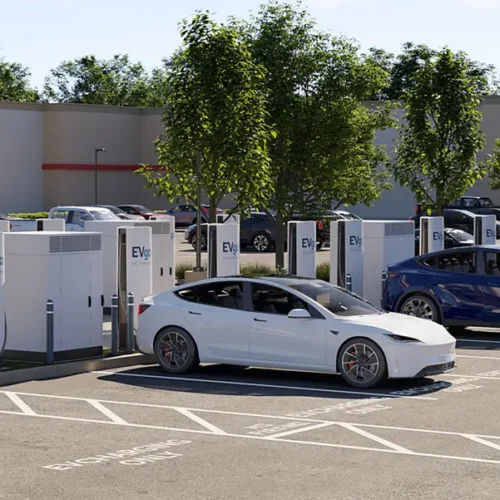
But it's not just other automakers that are adopting the J3400 standard, better known as NACS. Manufacturers of DC fast charging equipment can also license Tesla's Supercharger design. In fact, the first license-built Superchargers were deployed in the UK in 2024. And today we learned that's what EVgo will be doing here in the US. It says it will start deploying EVgo-made Tesla V4 Superchargers onto its network later this fall.

The DC chargers can deliver up to 500 kW (operating at up to 1,000 V) and support both NACS and CCS1 plugs. And because they're Tesla Superchargers built under license, the EVgo units will appear in Tesla's in-car navigation app and be included when a Tesla driver uses their onboard route planner. The hardware will be owned and operated by EVgo, which will also "manage activities such as site host engagement, utility interconnection, and price management at EVgo Supercharger sites," the company told Ars.

Read full article

Comments

© EVgo

  •  

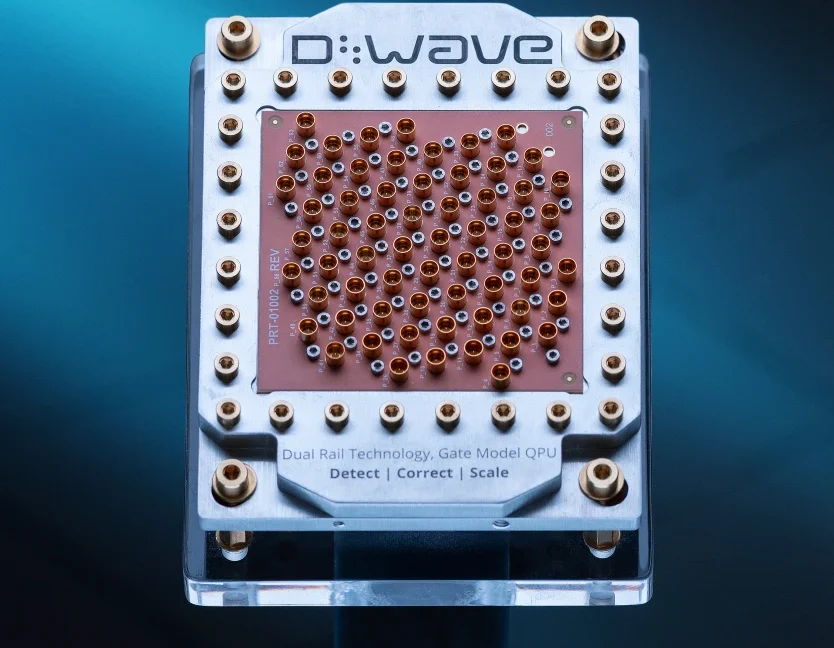
D-Wave shows off its new entry in quantum computing race

D-Wave is a bit of an oddity in the quantum computing space, having been founded back in the last century. And its initial offering wasn't a quantum computer like those being developed by IBM or Google. Instead, the company built what's now called a quantum annealer, a machine that isn't general-purpose but can solve a large class of optimization problems. While the hardware shares some similarities with the qubits used in gate-based quantum computers, it operates in a fundamentally different way.

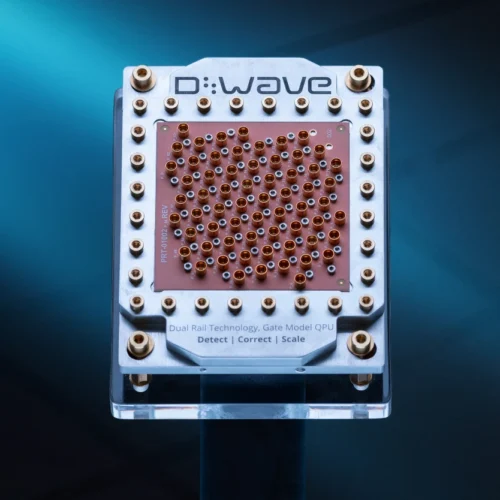
But a few years back, D-Wave started working on gate-based hardware, apparently choosing a somewhat unusual qubit technology called fluxonium. And this year, the company acquired a startup called Quantum Circuits that spun out of Yale University and has been developing what's called a dual-rail qubit (the same technology used by Amazon), which promises to make most errors very easy to detect, simplifying error correction.

On Wednesday, the company is publishing a paper in Nature that describes a key step in validating this dual-rail technology, showing that two of the qubits can be entangled without altering their best feature: Most are a single type that is easy to detect.

Read full article

Comments

© D-Wave

  •  

Google plans to kill Assistant on your phone on September 4

Google Assistant's days have been numbered for a while, but the company has now settled on a date to retire its pre-AI assistant robot. In an email being sent out to users, Google confirms that Assistant on Android devices will be shut down starting on September 4, forcing everyone over to Gemini. Google told us it was coming, but that doesn't make it hurt any less.

The initial plan was to retire Assistant in late 2025, but the service got a brief reprieve as Google shored up some aspects of Gemini. Now that Gemini is ready to take over, Google will begin ending support for the old system on September 4, but the email notes that it may take several weeks for the process to complete. So those stubbornly clinging to Assistant may still be able to use it a bit longer before the option disappears. For those who made the switch already, nothing will change.

By ending Assistant on mobile devices, Google is also killing it on myriad other gadgets that connect to your phone for smart features. So smartwatches, headphones, and cars with Android Auto are also being forcibly moved to Gemini. Most of Google's smart home devices have already transitioned to Gemini.

Read full article

Comments

© Aurich Lawson

  •  

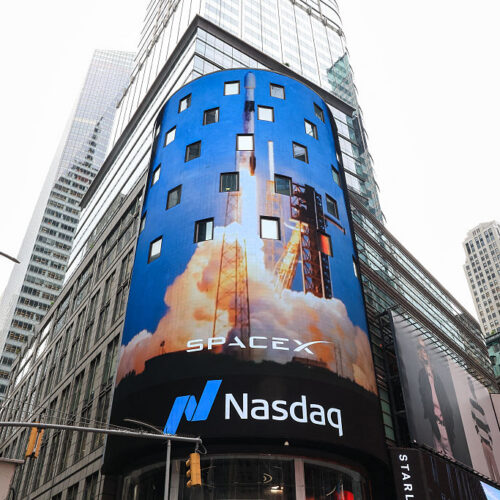
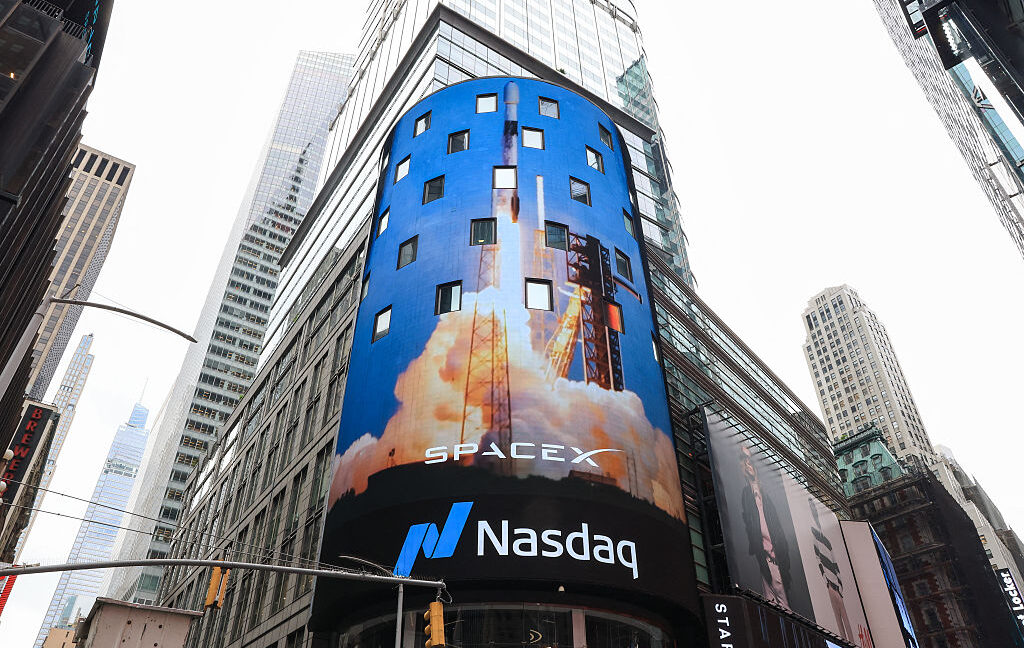
SpaceX spooks investors with debut earnings report

SpaceX shares dropped on Wednesday after Elon Musk’s plans for blockbuster spending to position his AI and rocket company as a data center developer spooked investors.

SpaceX surpassed analysts’ expectations in Tuesday’s debut earnings report, posting quarterly revenues of $7.8 billion, well above analysts’ estimates of $6.82 billion and up 92 percent from a year earlier. It posted a net loss of about $541 million, better than estimates of $2.12 billion.

But shares in SpaceX fell 10 percent in early trading after it reported capital expenditure of almost $16 billion on AI, double the previous quarter and well above Wall Street’s expectations. It said spending would persist at current levels for at least two more quarters.

Read full article

Comments

© Timothy A Clary/GEtty

  •  

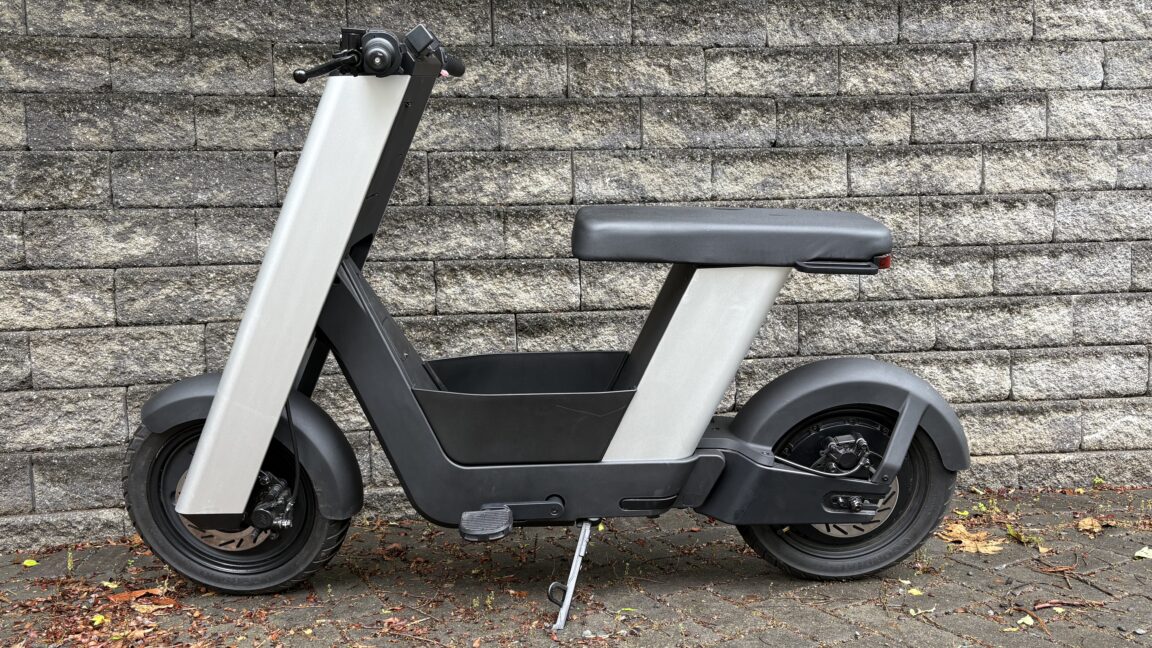
Pushing the limits: Infinite Machine's Olto is barely a bicycle

The Infinite Machine Olto is a great electric scooter, one with an overall layout that echoes the classic Vespa. It's comfortable, and it accelerates well, handles nicely, and has a capacious battery. It has a rugged design that seems capable of handling a lot of abuse, but it also comes with thoughtful touches and security features that mean you can park it anywhere with confidence. And it provides all that at less than half the cost of its full-featured stablemate, the P1 scooter.

The reason is that the Olto is also a bicycle. Sort of.

This may technically be a bicycle, but it's not one you'd ever want to pedal. While you can set it to operate as either a Class 2 or Class 3 e-bike, it works best when the pedals are both locked in a forward position, acting as footrests. The Olto was designed to provide riders with the experience of a scooter while still allowing them to take advantage of the growing bike lane networks in many urban areas across the country.

Read full article

Comments

© John Timmer

  •  
❌