Reading view

Ars Live recap: How can we stop publishers from killing their own games?


Video Game Preservation: Saving Yesterday's Games for Tomorrow's Players | Ars Live

This week, Ars hosted a live discussion with Ross Scott about the Stop Killing Games movement and its ongoing efforts to ensure that games remain playable even after the original publisher shuts down the online servers undergirding them.

Scott talked with Ars Technica Senior Gaming Editor Kyle Orland, saying said he felt the situation around long-term game access was already "intolerable a decade and a half ago" and that he "kept hoping someone else would kick this off, [someone] more experienced or knowledgeable, but it felt like nothing was happening." Scott said he felt making the effort to organize a movement against the practice was like "[drawing] the short straw on this, essentially."

During the conversation, Scott noted how the standard practice of shutting down game access for any reason, at any time, with minimal notice, would seem ludicrous in other areas of life:


Read full article

Comments

© Flickr / Myki Roventine

  •  

Judge gives Google one week to fix "anticompetitive" app store download in Google Play

Google began offering third-party app store downloads in the Play Store earlier this week, but US District Judge James Donato says the company isn't doing enough. After reviewing the process for accessing the first non-Google store, Donato ruled that Google has added unnecessary "anticompetitive friction," ordering the company to rectify the issues.

While Epic and Google are patching things up with a global partnership agreement, the two are still on opposite sides of the antitrust case in the US. Google lost the case in 2023, and the intervening years have been about determining how to implement remedies to address Google's anticompetitive behavior. One of the court's key elements is the requirement that Google include third-party app stores in the Play Store, giving users an easy way to get apps from non-Google sources. Aptoide Games became the first such app store recently.

However, Google worked hard to avoid this outcome, attempting to settle with Epic to keep third-party app stores out. When it was forced to admit the Aptoide store under the terms of the ruling, Google didn't exactly put up a banner welcoming third-party app stores. In fact, Judge Donato found in a Thursday hearing that Google's implementation was not good enough, according to The Verge.

Read full article

Comments

© Google

  •  

Following Epic loss, Google has started hosting rival app stores in the Play Store

A new day has dawned in the Play Store, and it's one that Google tried very hard to avoid. The first third-party app store has arrived in Google Play as a result of the long-running antitrust lawsuit with Epic. Those in the US can now head into Google Play and download Aptoide, a game-focused store that has been available as a sideloaded client since the early days of Android.

Forcing Google to distribute third-party app stores in Google Play was one of several remedies imposed by Judge James Donato after Epic emerged victorious in 2023. The remedies also included lowering developer fees, mirroring Google Play apps in other app stores, and allowing developers to use alternative payment systems. But it was the app store stipulation that seemed to irk Google the most.

Google almost avoided this outcome when it agreed to a settlement with Epic, which was announced early this year. Under the terms, Google would certify third-party app stores to allow users to install and use them with less friction, but it would not host them in Google Play. However, Google and Epic withdrew the settlement when it appeared the court would not approve it. This Registered App Store program is still slated to launch internationally, but in the US, Google is only doing what it must to comply with the judge's orders.

Read full article

Comments

© Mateusz Slodkowski/SOPA Images/LightRocket via Getty Images

  •  

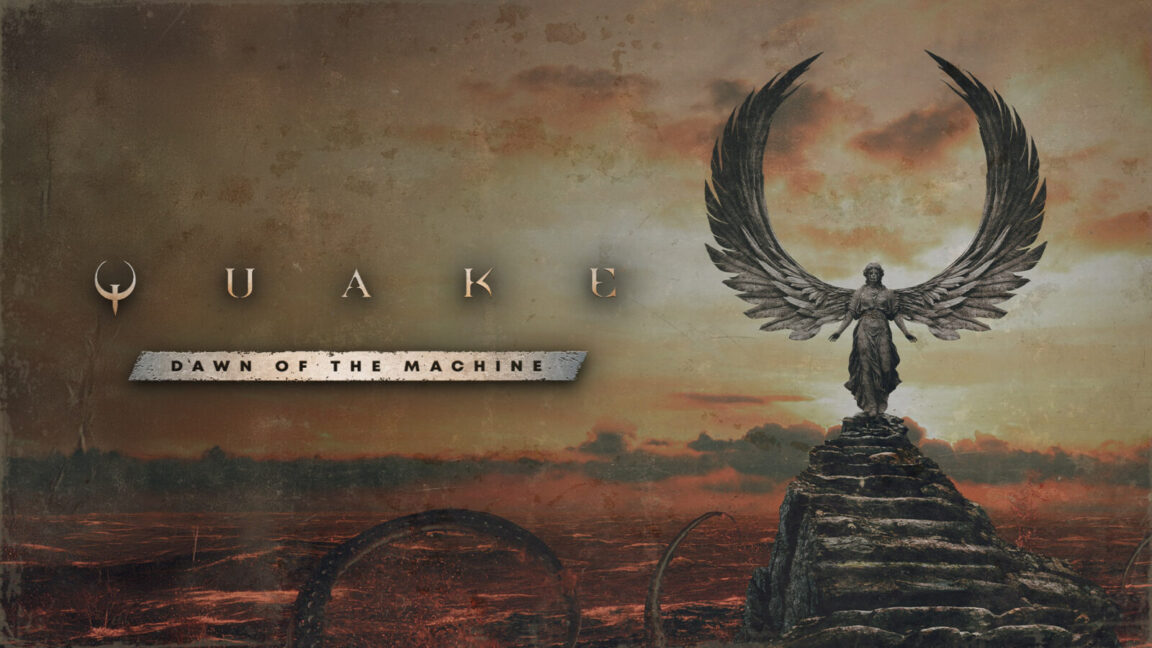
New official 30th anniversary Quake mission pack adds new maps and mechanics

This year is the 30th anniversary of the launch of the original Quake by id Software, if you could believe it. To commemorate that, publisher Bethesda has released a new campaign chapter for the game, titled "Dawn of the Machine."

This is part of a series of new campaign chapters, all developed by MachineGames "in collaboration with id Software." MachineGames is best known for making the games in the relatively recent Wolfenstein reboot series, as well as Indiana Jones and the Great Circle. The Quake maps are made by a team dubbed "Quake Club," which includes several MachineGames employees who work on Quake maps in their spare time.

The ambition and scope of some of these maps is beyond what was typical for Quake maps back in the late '90s, thanks in part to the team's use of TrenchBroom, a newer map editor that works well on modern systems and is easier to work with and more capable than what folks were using in those days.

Read full article

Comments

© Bethesda

  •  

Pathogenic review: Damn, it feels good to be a virus

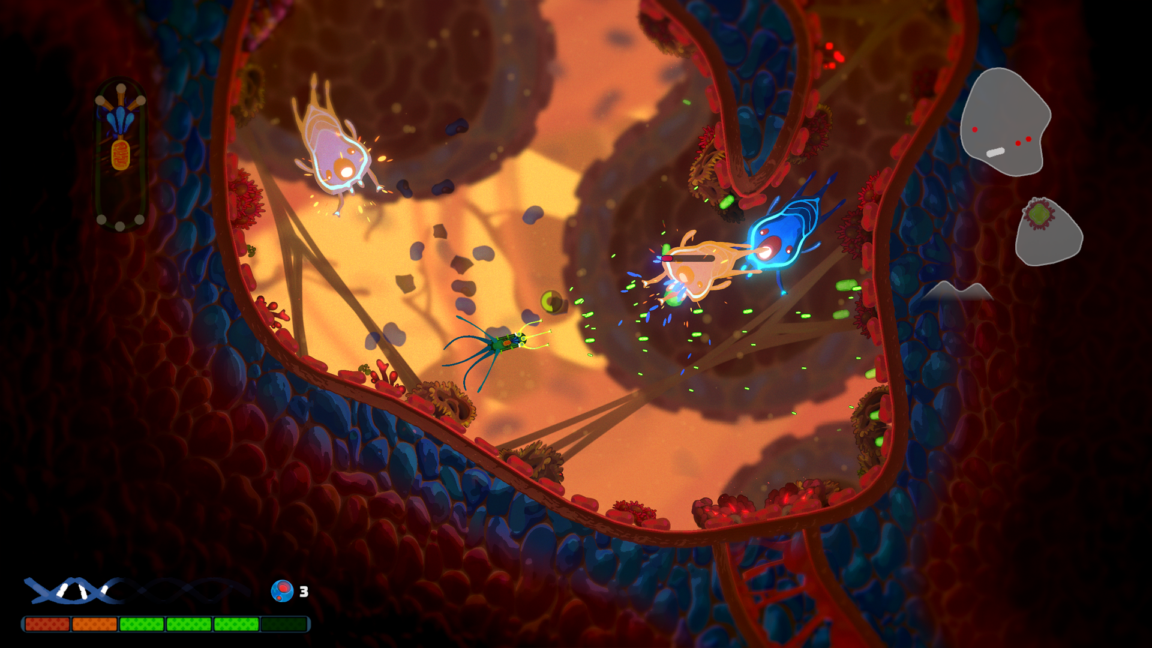
Over the past couple of weeks, my immune system has been struggling to fight off a cold. It’s been unpleasant, as all colds are. But throughout this time—in defiance of my plight—I’ve been waging my own war against immune systems, thanks to Pathogenic, a new roguelite twin-stick shooter from developer Aberrant Labs.

As I've downed endless shots of ineffective cough syrup, I’ve done little else with my free time than repeatedly take on the role of a bodily invader. And let me tell you: Being on the enemy’s side is much more fun. Really fun, as it turns out.

Action roguelites are a dime a dozen these days, and it takes something special to stand out. So as quiet Internet whispers turned into widespread cacophonous praise—the little indie game quickly racked up 100,000 sales and an “overwhelmingly positive” review score on Steam—I set aside my default skepticism and gave it a shot.

Read full article

Comments

© Aberrant Labs/Slug Disco

  •  
❌