Reading view

Paramount accuses Netflix of "scorched-earth campaign" against WBD merger

Paramount Skydance is accusing Netflix of maintaining a campaign against its proposed acquisition of Warner Bros. Discovery (WBD).

In a June 5 letter (PDF) addressed to Jared A. Hughes, acting section chief of the Media, Entertainment, and Communications Section of the US Department of Justice's (DOJ's) Antitrust Division, and A. Maya Kahn, a trial attorney for the Antitrust Division, and first reported on by Politico today, Paramount chief legal officer Makan Delrahim accused Netflix of trying to influence stakeholders about the merger. The letter reads:

Indeed, Netflix’s panic-level response and scorched-earth campaign to try and poison regulators and other stakeholders against the Transaction shows just how seriously Netflix takes Paramount as a scaled competitor.

The letter from Delrahim, a former assistant attorney general for the Antitrust Division, is a response to a letter that The International Brotherhood of Teamsters sent to the DOJ in March. The teamsters' letter argued that Paramount and WBD's merger would threaten film and TV workers. The union, which has 1.3 million members, asked the DOJ to block the merger "unless substantial and enforceable safeguards are put in place to increase domestic production and protect jobs," per an announcement from the group.


Read full article

Comments

© Mike Cohen/Getty Images for The New York Times
  •  

One day after discovery, Meta pulls facial recognition code from its smart glasses

One day after WIRED revealed that Meta had quietly embedded an unreleased face-recognition system into an app installed on more than 50 million phones, the company removed it, according to a WIRED analysis of the latest version’s code.

The most recent version of Meta AI, a companion app for its line of smart glasses, strips out the unactivated software components that powered the system Meta internally called NameTag. The version published the day of WIRED’s report included several code libraries explicitly named for face recognition. Friday’s release includes none of them.

Andy Stone, Meta's vice president of communications, told WIRED on Monday that the feature is purely exploratory, adding: “No final decision has been made on what to do here, if anything.”

Read full article

Comments

© David Paul Morris/Bloomberg/Getty

  •  

Drone boat picked up downed US Army helicopter pilots—a first for sea rescues

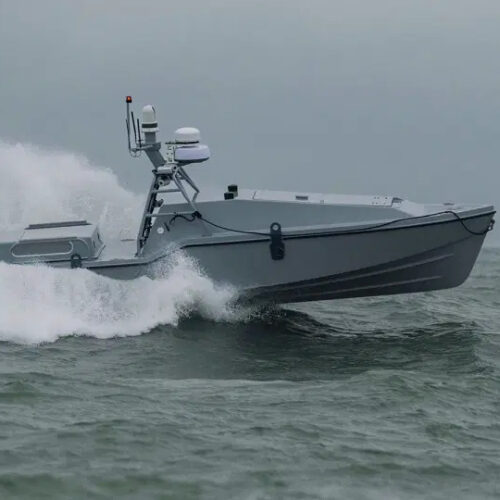
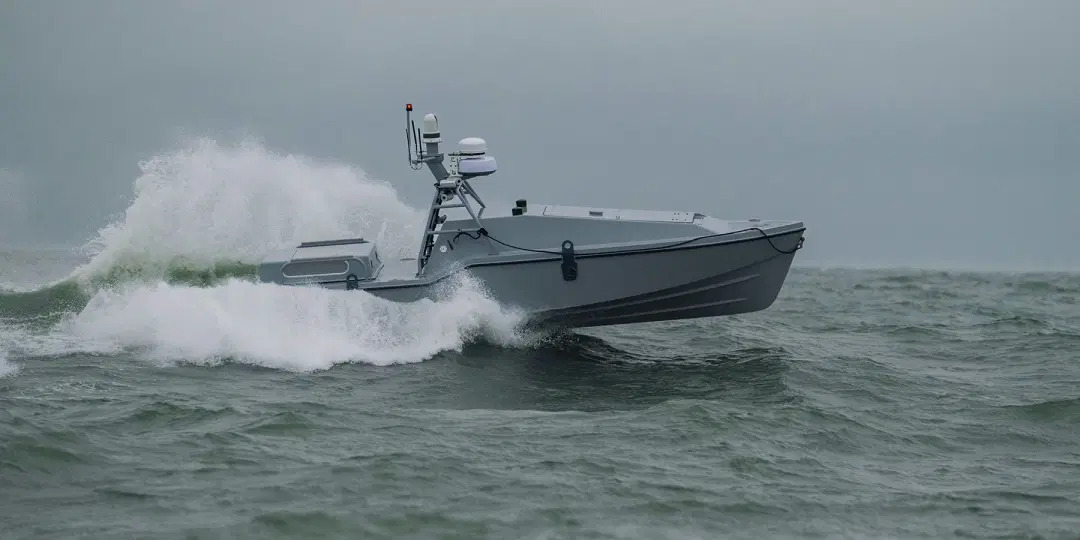
A drone boat picked up two US Army pilots from waters near the Strait of Hormuz after their helicopter gunship went down, US military officials said. The incident apparently represents the first time the US military has used a drone for such a rescue mission at sea.

The two crew members from the US Army AH-64 Apache were “rescued by American forces” at 7:33 pm US Eastern Time after their helicopter went down off the coast of Oman on June 8, according to a US Central Command press release. That press release mentioned support from US Navy units including the US 5th Fleet’s Task Force 59, which is charged with integrating uncrewed aerial, surface, and underwater vehicles, alongside AI, into 5th Fleet maritime operations.

Anonymous US military officials initially told CBS News that the Apache air crew was rescued by an uncrewed surface drone operated by Task Force 59 from the US Fifth Fleet in Bahrain. The officials also described the incident as the first time the military had used a drone to rescue people from the water.

Read full article

Comments

© Saronic Technologies

  •  

macOS 27 requires Apple Silicon, as Apple draws down the Intel Mac era

As Apple announced last year, this year's macOS release will end support for Intel Macs. The macOS 27 Golden Gate release will require a Mac with an Apple Silicon chip inside, including the original M1 that launched in the MacBook Air, MacBook Pro, and Mac mini back in late 2020.

Intel Macs running macOS 26 Tahoe can expect security and Safari patches for about two more years after the release of macOS 27 Golden Gate. Macs running macOS 15 Sequoia will receive one more year of updates. Apple Silicon Macs will still be able to run Intel Mac apps via the Rosetta 2 compatibility layer in macOS 27, but future releases will begin to limit the technology (Apple has said it will mainly be used to support older games that still use Intel code).

This change has been a long time coming, and every new macOS release has left a longer and longer list of Intel Macs behind. But many Mac owners who purchased late-model Intel machines in 2019 and 2020 could still run the latest version of the operating system, and third-party utilities like the OpenCore Legacy Patcher helped more adventurous Mac owners use their unsupported hardware a bit longer.

Read full article

Comments

© Apple

  •  

iOS 27 and iPadOS 27 don't drop support for any iPhones—and just a few iPads

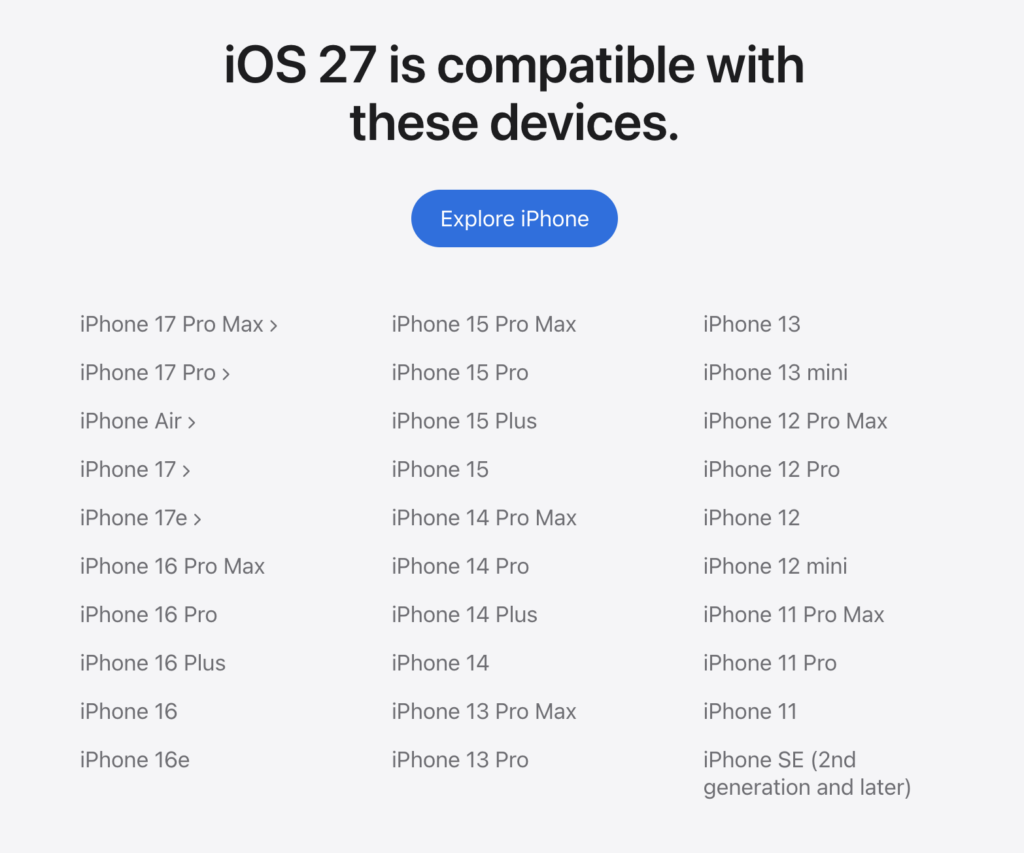
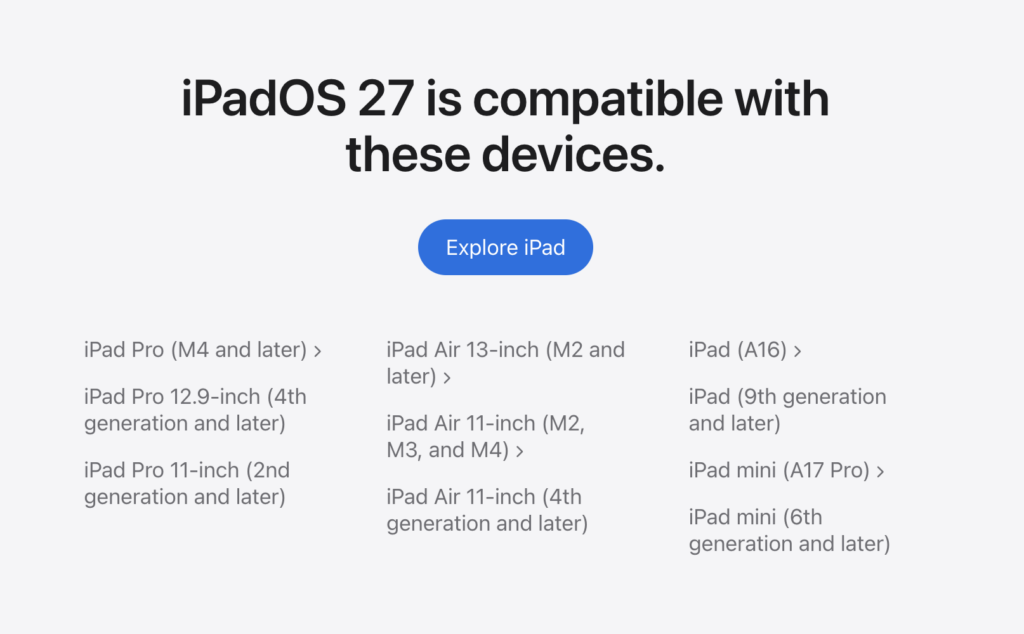
If you're using older iPhone or iPad hardware and you're hoping to keep running Apple's latest operating systems, this year's releases bring mostly good news. The iOS 27 update will run on all iPhones that can run iOS 26, all the way back to the iPhone 11 and second-generation iPhone SE. The iPadOS 27 update is slightly less generous, dropping support for the 3rd-generation iPad Air, 8th-generation iPad, and 5th-generation iPad mini (all of these devices used an older A12 Bionic chip; supported devices now use an A13 or better).

Apple says owners of older devices should see performance improvements in iOS 27, thanks in part to an updated CPU scheduler. This scheduler was apparently already included with newer iPhones but has been ported back to older devices with this release.

Apple's iOS 27 compatibility list. Credit: Apple
Apple's iPadOS 27 compatibility list. Credit: Apple

But many of the new features Apple mentioned require support for Apple Intelligence, which remains confined to newer devices with at least 8GB of RAM. Apple Intelligence still requires an iPhone 15 Pro or newer, an iPhone 16 or newer, or an iPhone Air. On the iPad, support requires an iPad Air or iPad Pro with an M1 or newer.

Read full article

Comments

© Apple

  •  

Gemini 3.5 and Antigravity come to Google NotebookLM

Google's NotebookLM was one of the company's first forays into generative AI technology, and in un-Googley fashion, it hasn't been shut down yet. In fact, NotebookLM is getting one of its biggest updates, ever, today, moving to the latest Gemini 3.5 model, support for more file types, and streamlined web source integration. Google also says NotebookLM will be able to do more with all those queries thanks to embedded support for Antigravity.

Gemini 3.5 Flash debuted at Google I/O this year, promising much faster and more efficient processing. Google has claimed that companies worried about token costs can save big by moving their projects to the new Flash model while also getting outputs that are of similar or better quality. Those improvements are now filtering down to other Google products. NotebookLM, which launched in 2023 at the very beginning of the AI boom, lets you analyze specific sources like documents and webpages with Google's latest AI models.

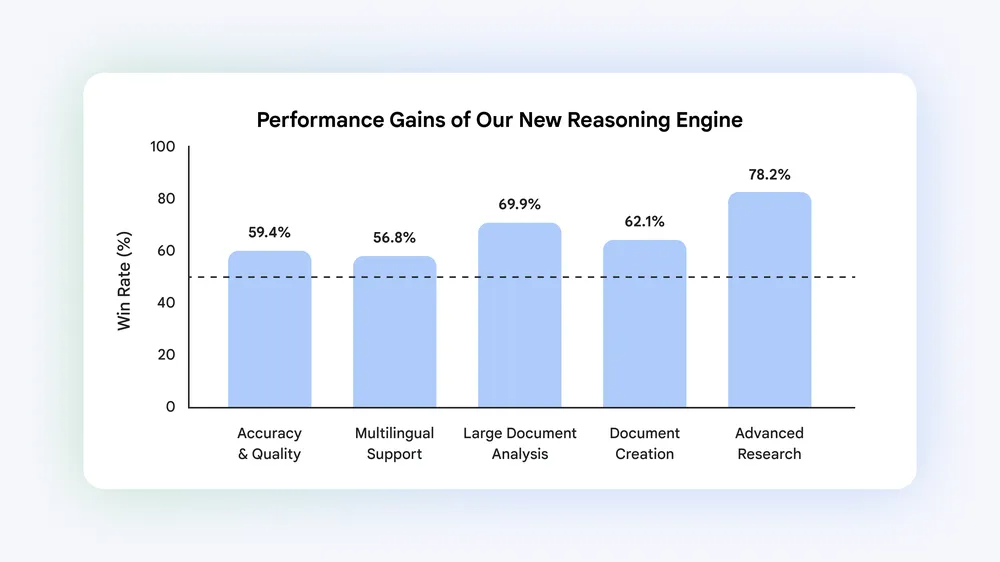
NotebookLM evaluation graph The upgraded NotebookLM beats the old version in all of Google's "core evaluation dimensions." Credit: Google
Google conducted side-by-side evaluations of NotebookLM on the old Gemini 3.1 branch and with the updated 3.5. The company is being somewhat vague about the nature of the tests, breaking things up into "top five core evaluation dimensions," which are Accuracy and Quality, Multilingual Support, Large Document Analysis, Document Creation, and Advanced Research. In these tests, Google says NotebookLM averaged a 65 percent win rate versus the older model.

Read full article

Comments

© Google

  •  

Apple's iOS 27, macOS 27 Golden Gate, and other updates focus on refinement

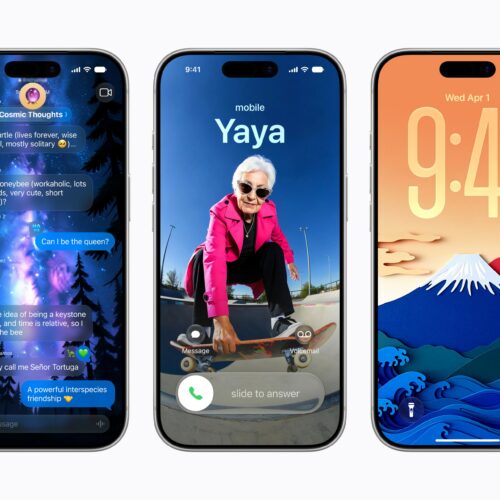
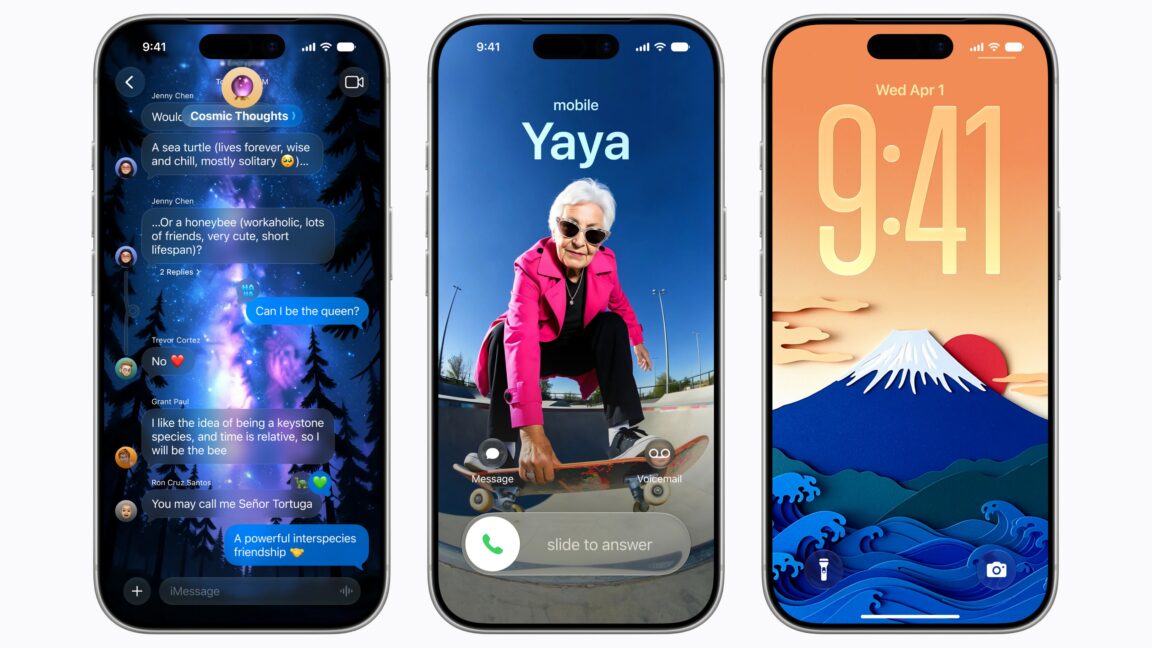
Apple has taken the wraps off of its next-generation operating system updates at its Worldwide Developers Conference today, including iOS 27, iPadOS 27, and macOS 27 Golden Gate. And while the long-awaited Siri AI update is the headliner, Apple also emphasized its efforts to optimize its software, improving its performance and reliability.

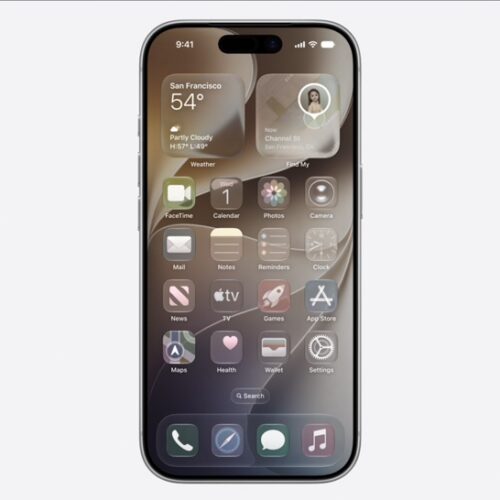
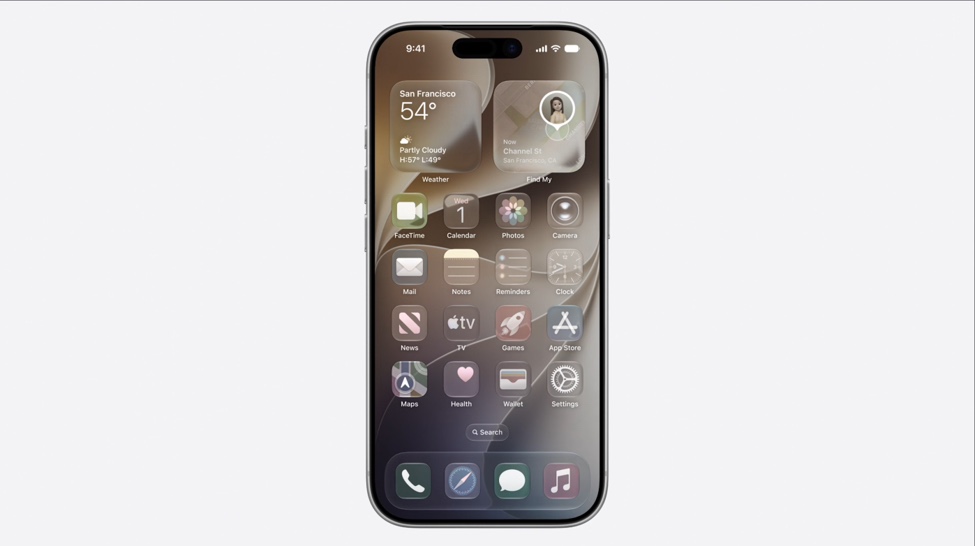
For starters, the company is continuing to refine the Liquid Glass design language that it introduced last year. A slider in the Settings will allow users fine-grained control over the translucency of the Liquid Glass effect, ranging from maximally transparent and glassy to fully tinted. Last year's redesigned icons are also being re-redesigned with more glass layers, which Apple says will make them sharper and more distinctive.

On macOS, Apple has also changed the way app toolbars and sidebars work, making toolbars more distinct, making the contents of sidebars extend all the way to the edge of the window, and reintroducing color to sidebar icons. Mac windows are also getting a "tighter corner radius," to address complaints about the way window resizing works in macOS 26 Tahoe.

Read full article

Comments

© Apple

  •  

The Fitbit Air is a good wearable weighed down by a chatty AI "coach"

Smartwatches can track your health stats, but they also do a lot of other things you might not always want or need. The $100 Fitbit Air tracker ditches the screens that have become common on people's wrists, leaving behind a tiny puck of health sensors you can often forget you're wearing. You will not, however, forget that Google's new health platform is built around AI.

The Air has no speaker, and there's only one LED on the side to indicate battery level. You can double-tap the tracker to check the level, and that's about the end of on-device features. The vibration motor is only for alarms—it can't sync with notifications on your phone. That makes sense, given there is no screen to tell you what that buzz was all about.

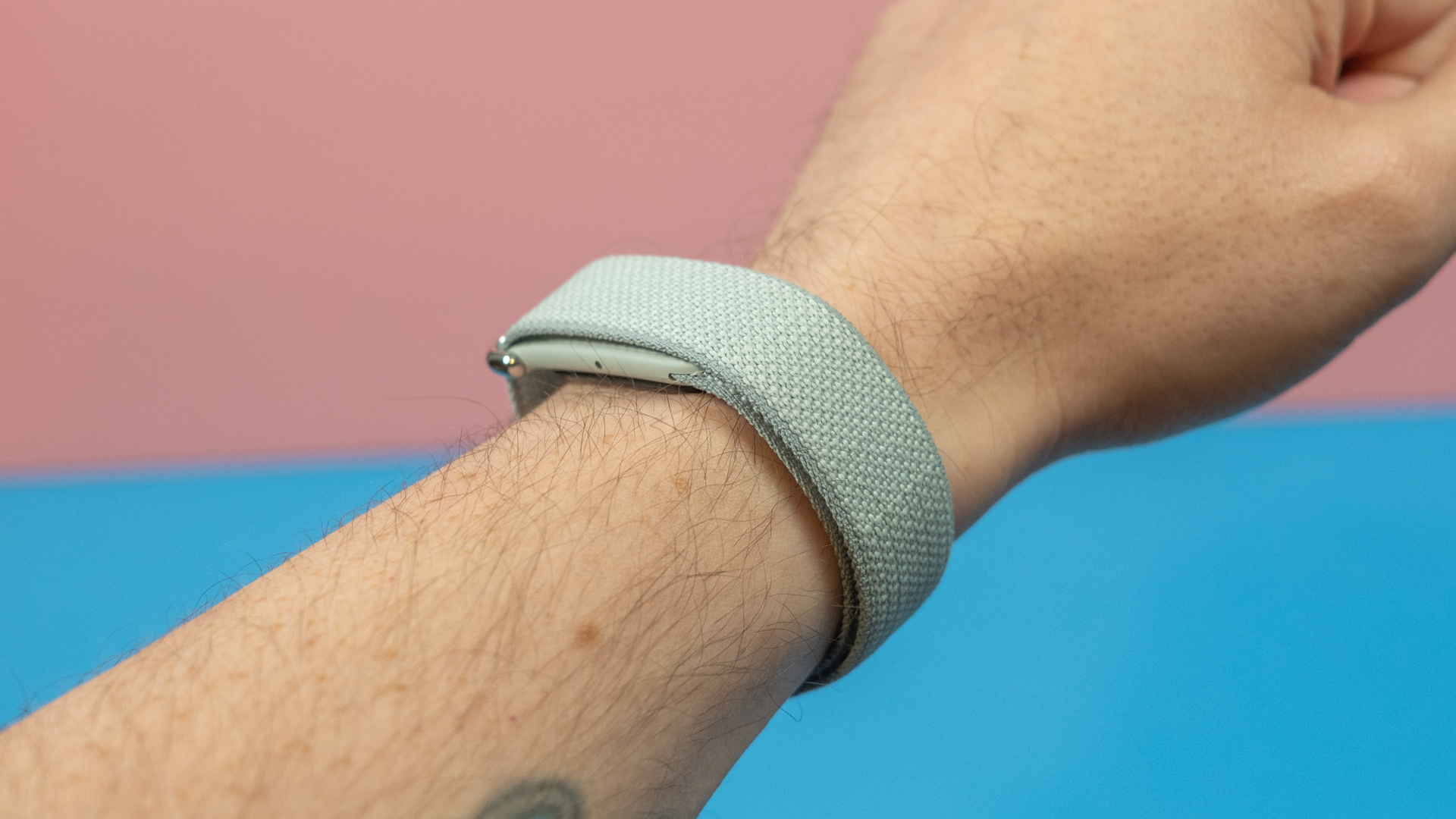
Fitbit Air side view The Fitbit Air doesn't have a display or buttons—just a small LED on the side for battery status. Credit: Ryan Whitwam
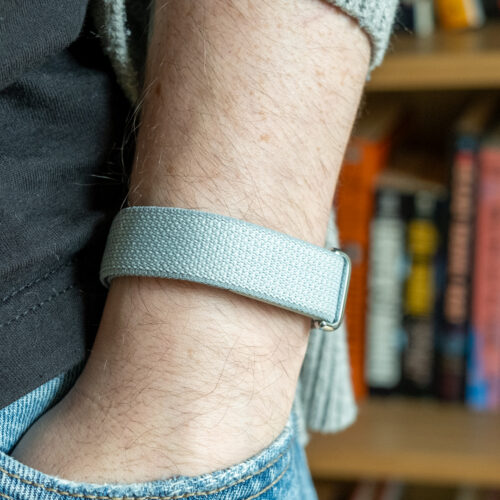
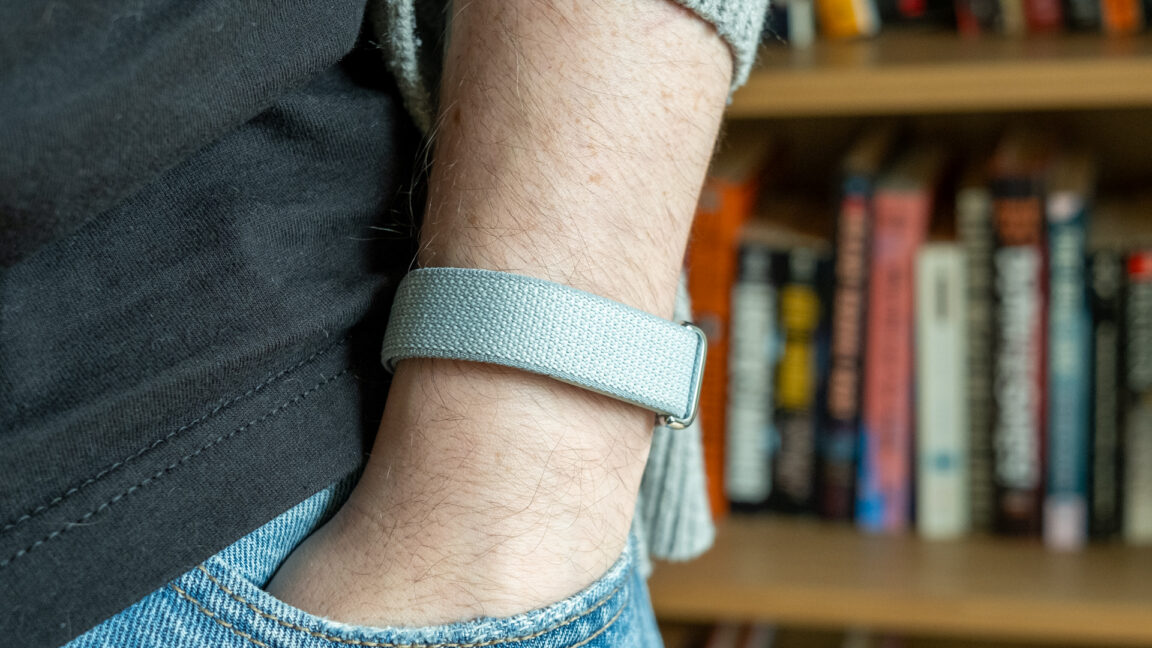
The stock Performance Band is simple, consisting of a smooth polyester yarn with small velcro pads and a metal loop. It's durable but does seem to absorb a bit of moisture. For swimming or heavy workouts, you'll probably want the silicone active band. This one hides the Air puck a bit more effectively, and it looks good in a sporty way.

Read full article

Comments

© Ryan Whitwam

  •  

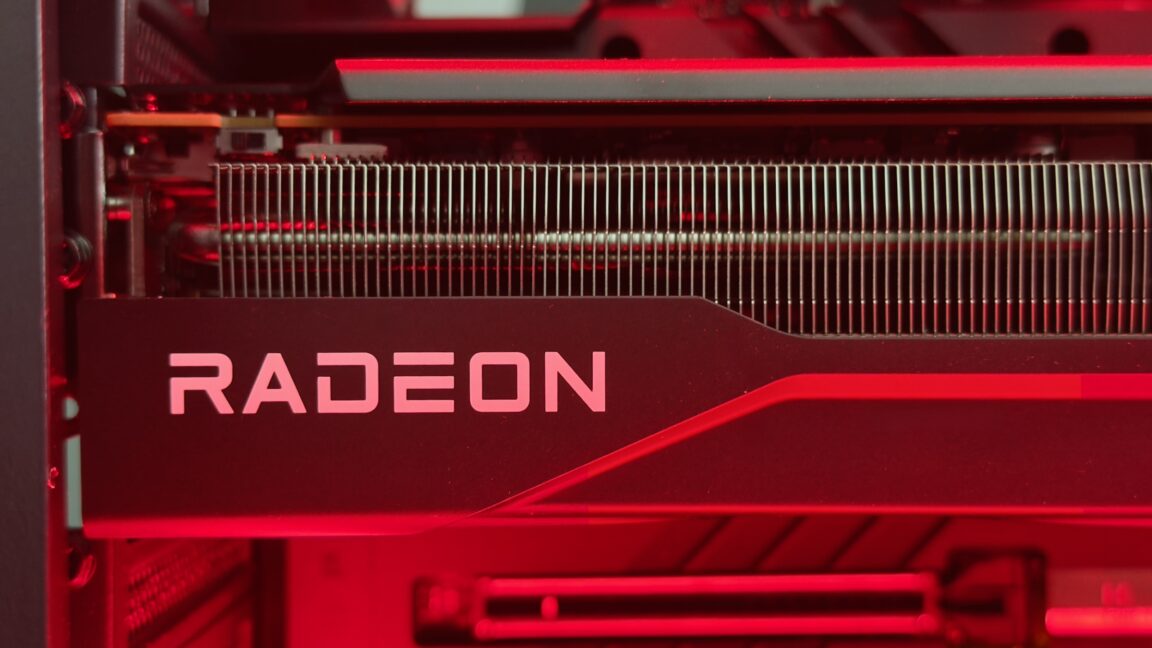
Review: AMD's Radeon RX 9070 GRE is a disappointing way to spend $549

At some point during the fog of 2021 or 2022, I noticed that my son's preferred brand of fruit snacks had switched from including 0.9 ounces per pouch to 0.8 ounces per pouch. Most shrinkflation is meant to fly under the radar, but in this case, I just happened to notice it. It felt bad! It's tangible evidence that your money is not going as far as it did in the very recent past.

A little over a year ago, AMD launched the Radeon RX 9070 for a suggested retail price of $549. This month, it's launching the similarly named Radeon RX 9070 GRE for a suggested retail price of $549. This new card (actually the US launch of a GPU that's been available in China for a year or so) has 85 percent as many GPU cores, 75 percent as much memory, and 66 percent as much memory bandwidth as the regular RX 9070.

We'll evaluate the RX 9070 GRE in the context of the current GPU market, where prices have been edging upward due to the same AI-driven RAM shortages and price hikes that have made PC building and buying such a miserable experience for the last few months. But it's hard not to be a little upset about such a clear example of GPU shrinkflation—the same money for a markedly inferior product.

Read full article

Comments

© Andrew Cunningham

  •  
❌