Reading view

Private security firms will soon be allowed to hack overseas cybercriminals

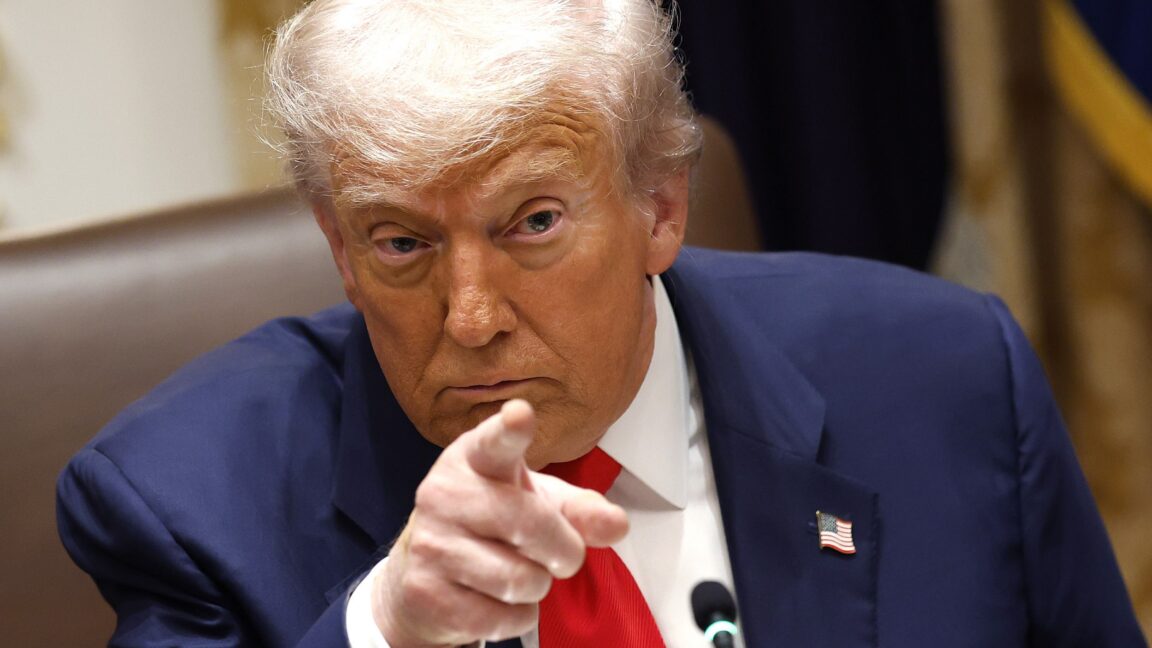
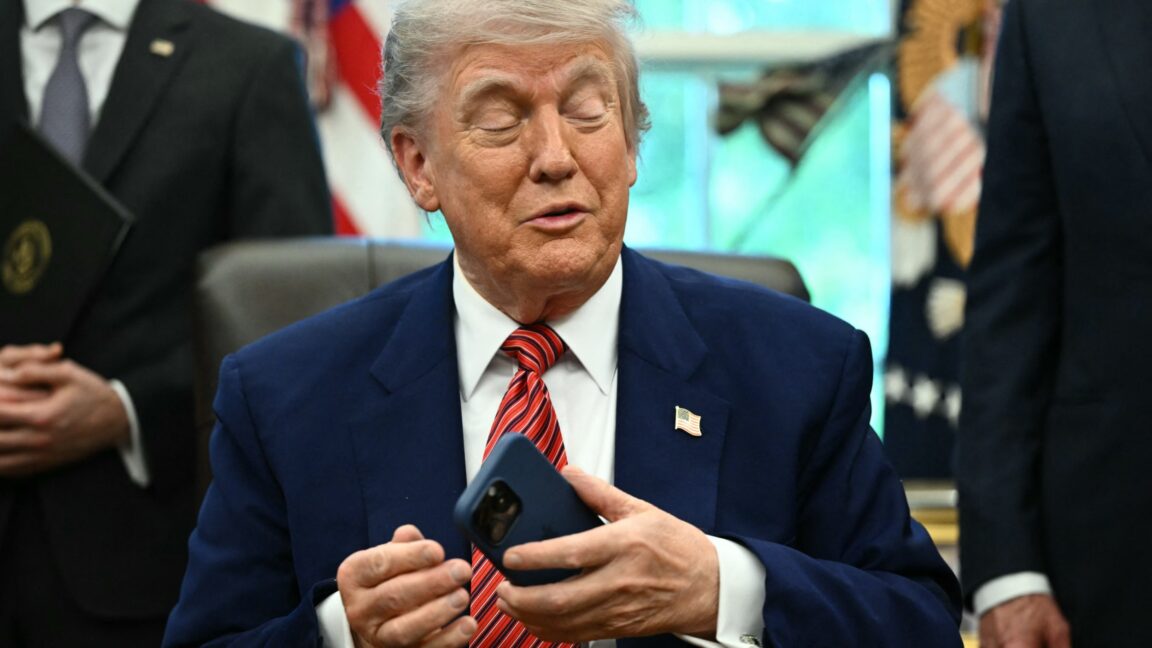
The Trump administration is recruiting private security firms to conduct federal government-authorized operations, including cyberattacks, against overseas-based criminal organizations that commit hacks on US persons, organizations, or government entities.

In a National Security Presidential Memorandum issued Thursday, US President Donald Trump directed the National Coordination Center (NCC), which operates under the Homeland Security Task Force, to develop a program for conducting specific cyber operations that combat foreign transnational criminal organizations (TCOs). The Departments of Justice and Homeland Security will provide oversight. The lynchpin of that program is bringing in private sector companies to participate.

Devil will be in the still-undefined details

A fact sheet that accompanied Thursday’s memo listed ransomware, sextortion schemes, phishing campaigns, financial fraud, and impersonation scams as activities eligible for private-sector security firms to target. The memo said such firms could “conduct Cyber Surveillance Operations and Cyber Effects Operations” against “cyber-enabled” TCOs. Such groups are defined as “any foreign group that conducts cyber-enabled crime against the United States Government, a United States person, or United States interests, and that is not an institutional part of a foreign government or wholly operated under a foreign government’s direction.”

Read full article

Comments

© Getty Images | cokada

  •  

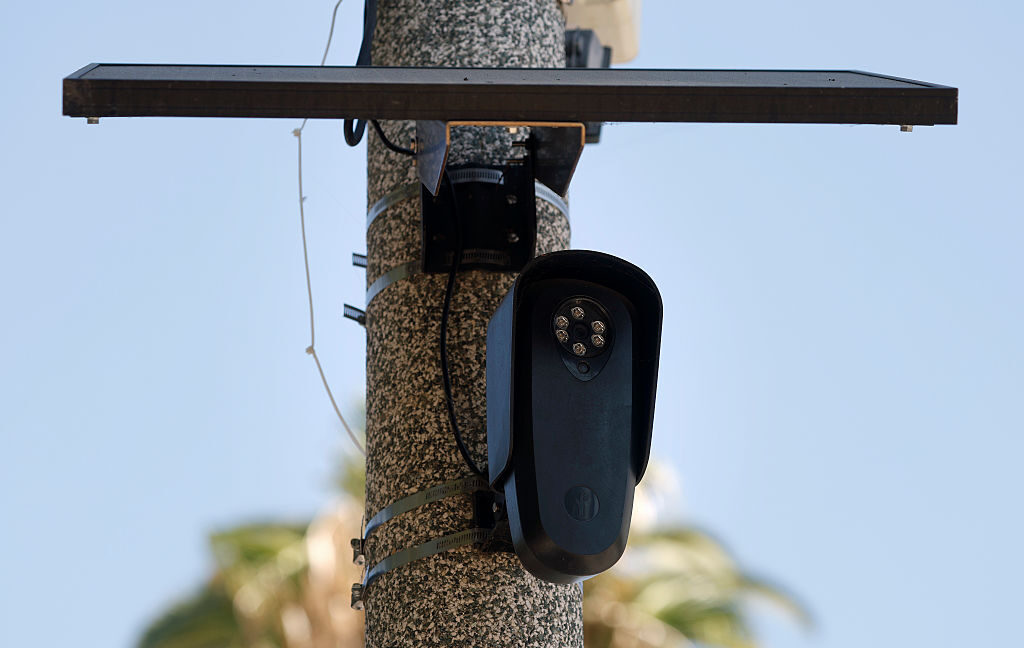
Flock “can’t tech its way out” of the stalker cop problem, experts say

On Thursday, Flock announced plans to require all agencies with access to license plate reader data to use a safety tool that automatically detects abnormal activity and locks out cops who abuse their access to stalk people they know in their personal lives.

Flock’s audit assistance tool suspends access when user activity “meets defined criteria for abnormal behavior,” Flock said. The suspension can only be lifted by administrator review, with the goal being “to intervene before misuse becomes recurring or widespread.”

The tech has been available as an optional free feature since April, but only a third of agencies had opted in, Flock said. However, after a single Georgia sheriff’s office used the tool and subsequently arrested three cops who were separately using Flock cameras to stalk acquaintances, Flock CEO Garrett Langley told The Verge that dozens of incidents like these helped his company realize they made a mistake and had to act to correct it.

Read full article

Comments

© Justin Sullivan / Staff | Getty Images News

  •  

Claude's new Scarlet Letter watermark is invisible—for now

Anthropic has revealed that it will soon watermark content that is processed (not just generated!) by any of its models. In a support article, Anthropic explained that it was rolling out machine-readable watermarks to comply with the European Union’s AI Act, which requires all AI system providers to watermark AI-generated or manipulated audio, image, text, and video outputs. The law applies to any AI model released after August 2 and provides a grace period until December 2026 for providers to update previously released models.

Anthropic confirmed that moving forward, all new models offered globally—not just in the EU—will mark AI-generated content “from day one.” Text outputs will “carry embedded watermarks,” invisible to the user, and other “generated files will include digitally signed provenance metadata where supported,” Anthropic said.

Notably, Anthropic is deploying a "nuke it from orbit" approach, applying the watermarks to all processed content where supported, even though the EU does not require it for cases where an AI system performs "an assistive function for standard editing" (the guidance's own example is grammar correction), or where it doesn't "substantially alter" the user's text or its meaning.

Read full article

Comments

© Aurich Lawson | American Psycho (Lions Gate Films)

  •  

Twitch content has trained Amazon AI for years, but users can opt out now

Twitch now lets users opt out of Amazon's use of content from their channels to train Amazon's "generative AI content models." The change, announced today, comes more than two years after a company executive confirmed that Amazon was using Twitch content for AI training.

In an updated support page, Twitch confirms that users must opt out if they don’t want their “streams, VODs, clips, stream chats, and pictures and text on your channel [to] be used in future training of a model developed by Amazon whose purpose is to generate or synthesize text, audio, images, or video.”

To opt out, users must go to the proper settings at www.twitch.tv/settings/security.

Read full article

Comments

© Omar Marques/SOPA Images/LightRocket via Getty Images

  •  

Trump sued over "brazen" scheme to sell Truth Social API access for $100K a month

President Trump was sued by nonprofit news groups today over Truth Social's "Truth API" that sells real-time access to posts from Trump and other top users of the social network. Trump is profiting from selling preferential access to government information, the lawsuit said.

Trump's social media company this month started charging customers up to $100,000 per month for the earliest access to posts that can have immediate impacts on financial markets. The first customers are mostly high-frequency trading firms that could benefit financially from getting official government news milliseconds before others.

"This scheme is profoundly corrupt. The President stands to gain financially by giving 'market-moving' government information to those who are willing and able to pay his personal company," the lawsuit said.

Read full article

Comments

© Getty Images | Kevin Dietsch

  •  

US tries to override New York gambling laws, orders Kalshi to keep operating

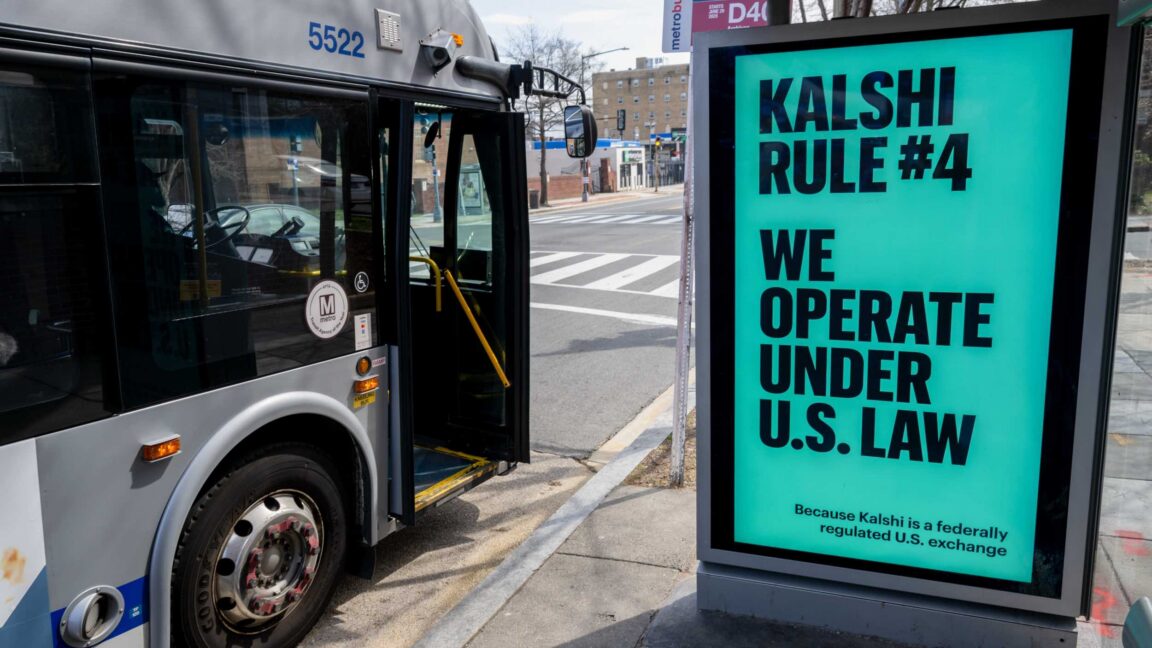
The Trump administration is trying to stop New York from enforcing its gambling laws against Kalshi, and yesterday said it ordered the prediction market to continue operating in the state.

The Commodity Futures Trading Commission (CFTC) announced that it exercised its emergency authority in response to a "market emergency." The CFTC said it acted "to ensure market stability" and "ordered the exchange to continue to operate in accordance with the Commodity Exchange Act’s Core Principles." The Trump administration took the action after a request from Kalshi.

The market emergency alleged by the CFTC is that New York Attorney General Letitia James sued Kalshi on July 31. James' lawsuit seeks a court order to permanently enjoin Kalshi "from operating an unlawful gambling business" in the state. The lawsuit also demands that Kalshi "make full restitution to customers who have engaged in betting" and pay financial penalties.

Read full article

Comments

© Getty Images | Bloomberg

  •  

Booksellers suspect AI firms are buying and then destroying rare books

If you can truly appreciate an old book—and maybe even marvel at how its fragile, yellowing pages contain some of the earliest ways that people tried to make sense of the world around them—then headlines about tech companies that are destroying books to train AI likely torture a tender part of your soul.

It’s indeed depressing to imagine piles of book spines waiting to be fed into wood chippers while torn-out pages are cropped, scanned, and trashed. But that’s the cheapest and easiest way to scan books as fast as possible, and AI companies are in a race to advance their models by training on the kind of engaging, high-quality long-form texts that can only be found in books. So book lovers fear it’s likely that the practice is happening on a grander scale than is currently being reported and that some physical copies of books will be lost forever.

What makes this destruction extra painful, though, is that it doesn’t have to be this way.

Read full article

Comments

© hexvivo | iStock / Getty Images Plus

  •  

Meta can't stop states' $1.4 trillion lawsuit from going to trial

Meta and TikTok tried to defeat thousands of social media addiction lawsuits in one fell swoop, but an appeals court rejected the attempt in a ruling issued yesterday.

First up among the lawsuits is a case brought against Meta by the California attorney general and other state AGs. Meta said in a July court filing that the state AGs' demands for damages would amount to more than $1.4 trillion. A trial in district court is scheduled to start on August 19, with jury selection beginning August 12.

In a 3-0 ruling yesterday, a judges' panel from the US Court of Appeals for the 9th Circuit rejected the Meta and TikTok claims that they have legal immunity to the lawsuits under Section 230 of the Communications Decency Act.

Read full article

Comments

© Getty Images | NurPhoto

  •  

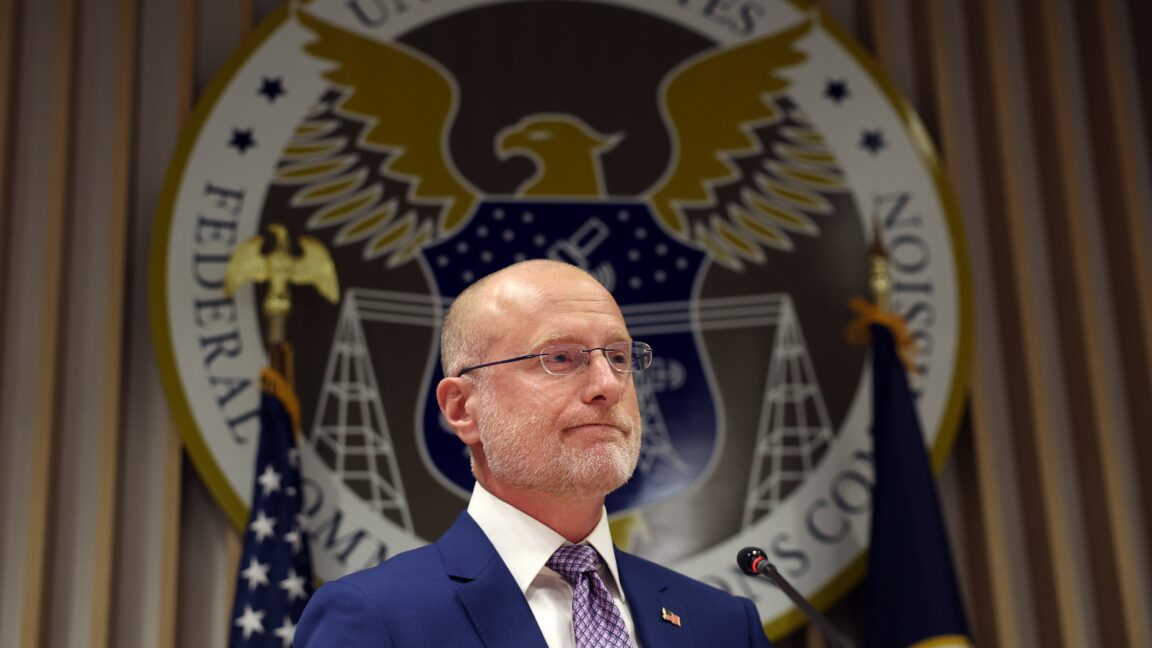
Trump to give Republicans a 3-1 FCC majority, isn't filling empty Democratic seat

The Federal Communications Commission has been shorthanded throughout President Trump's second term, but it's about to get a new commissioner. Unsurprisingly, Trump is breaking a historical norm with a nomination that would give Republicans a 3-1 advantage on the FCC.

Historically, the president and Senate worked together to ensure that the president's party maintained only a one-vote majority. Normally, the president's party has three FCC members while the minority party has two.

Instead of the typical 3-2 split, the FCC has operated with a 2-1 Republican majority during Trump's second term. On Friday, Trump nominated Republican Danielle Thumann Severs to take one of the empty spots. Thumann Severs, a lawyer, has been working as FCC Chairman Brendan Carr's senior counsel. She must be confirmed by the Republican-controlled Senate before being sworn in as a commissioner.

Read full article

Comments

© Getty Images | Anna Moneymaker

  •  

Amazon backs power plant that may become top source of US climate pollution

Amazon’s artificial intelligence ambitions will soon be partly fueled by a natural gas-burning power plant in Texas that “could become the largest single source of climate pollution in the United States,” The New York Times reported.

These gas-burning plants are increasingly lumped into data center projects. They produce harmful pollutants, which can accelerate climate change impacts and harm public health—contributing to conditions like asthma, heart disease, lung cancer, and strokes. Some communities are demanding more stringent environmental reviews, but the Trump administration favors fast-tracking that can include skipping the permitting process entirely.

Since Elon Musk’s xAI controversially began relying on gas turbines last spring to power its biggest AI data center, Colossus, there has been public backlash to off-the-grid data centers like the one Amazon is building.

Read full article

Comments

© eric1513 | iStock / Getty Images Plus

  •  

Judge rules Meta caused "public nuisance" and must fund mental health treatment

A New Mexico judge yesterday ordered Meta to pay $567 million for a fund that would alleviate the "public nuisance" created by its social media services. The order to pay for youth mental health care is in addition to $375 million in civil penalties that a jury ordered Meta to pay earlier in the same case.

New Mexico Attorney General Raul Torrez sued Meta in a Santa Fe County court in 2023. A jury found in March 2026 that Meta's social media platforms do not effectively protect kids from child exploitation and ordered the company to pay civil damages for violating state consumer protections and misleading parents about the safety of its apps.

The jury trial was just phase 1 of the case involving Meta, the owner of Facebook, Instagram, and WhatsApp. "The Phase 1 jury trial considered the State’s Unfair Practices Act claims and resulting civil penalties. The Phase 2 bench trial considered the State’s request for abatement based upon the State’s allegation that the Defendant, Meta, created a public nuisance," Judge Bryan Biedscheid wrote yesterday in the $567 million judgment. Meta reported $60.8 billion in revenue and $15.85 billion in net income in Q2 2026.

Read full article

Comments

© Getty Images | Cavan Images

  •  

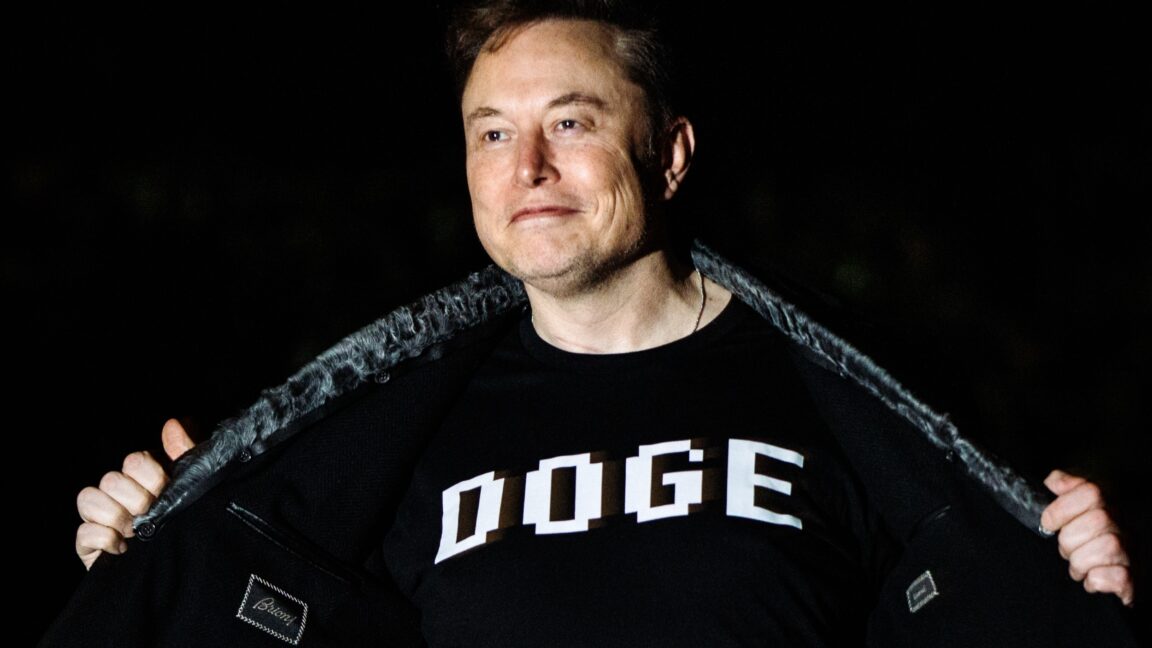
DOGE's wild, unverifiable savings claims discredited in US government report

It won't come as a surprise that Trump's Department of Government Efficiency (DOGE) didn't save taxpayers nearly as much as it claimed. Analysis from outside the government showed savings claims were heavily inflated, and now the government's own watchdog has said it wasn't able to confirm savings claims made in DOGE's so-called "Wall of Receipts."

For example, DOGE reported savings of $49.2 billion from cutting grants, but almost none of it could be verified, the US Government Accountability Office (GAO) said in its report yesterday. The GAO is the auditing and investigating arm of Congress and issued the DOGE report in response to a June 2025 request from Sens. Gary Peters (D-Mich.) and Richard Blumenthal (D-Conn.).

"The Wall of Receipts did not provide sufficient information to verify the method DOGE used to calculate savings, or what the savings consisted of, for 13,553 of the 15,887 grants it reported as terminated. This corresponds to about 96 percent of the DOGE-reported grant savings," the GAO report said.

Read full article

Comments

© Getty Images | Samuel Corum

  •  

AI chatbots have failed people in crisis. Can that be fixed?

This year alone, there have been numerous known instances—often via lawsuits—of AI chatbots (most often, OpenAI’s ChatGPT) that have gone horrifically wrong.

A January lawsuit described the story of a man who took his own life after being allegedly “coached” into suicide. A college student in Georgia sued OpenAI, claiming that ChatGPT “pushed him into psychosis.”

In June, a Canadian family also sued OpenAI and argued that ChatGPT agreed with the young woman’s dismissiveness when it first gave her the option to seek professional mental health advice. ChatGPT allegedly “encouraged” her to end her life, too, and she did so.

Read full article

Comments

© Oscar Wong via Getty

  •  

Trump is losing his war on wind power

On Thursday, a US District Court in Oregon ordered the US government to restart the process of approving wind projects. All new wind development in the US has been on hold since August 2025, when the Department of Defense (DoD) stopped participating in a process that allows it to compel developers to alter projects in order to limit their interference with radar equipment. The court ruled, however, that the DoD's national security claims did not allow it to opt out of a process that is legally mandated.

The Trump administration has made many attempts to block wind development, both offshore and land based. Its attempts to stop offshore wind included the same approach at issue in this case: Claim that drone developments mean that radar interference by wind turbines creates a national security risk. The courts were not sympathetic to this claim, including in cases where judges examined a classified report that the DoD was using to justify blocking offshore wind construction. As a result, the administration has turned to paying companies not to pursue wind development.

In parallel, the government was pursuing a similar approach for onshore wind. Here, a law lays out a process for the DoD to evaluate any problems posed by wind turbines and negotiate changes to planned wind farms with the developers. As laid out in the new decision, the government simply stopped participating in this process in August 2025, first by refusing to sign off on previously negotiated agreements, and later by refusing to draft agreements entirely. Eventually, it simply refused to participate in negotiations at all. This has brought a halt to all wind development in the US.

Read full article

Comments

© picture alliance

  •  

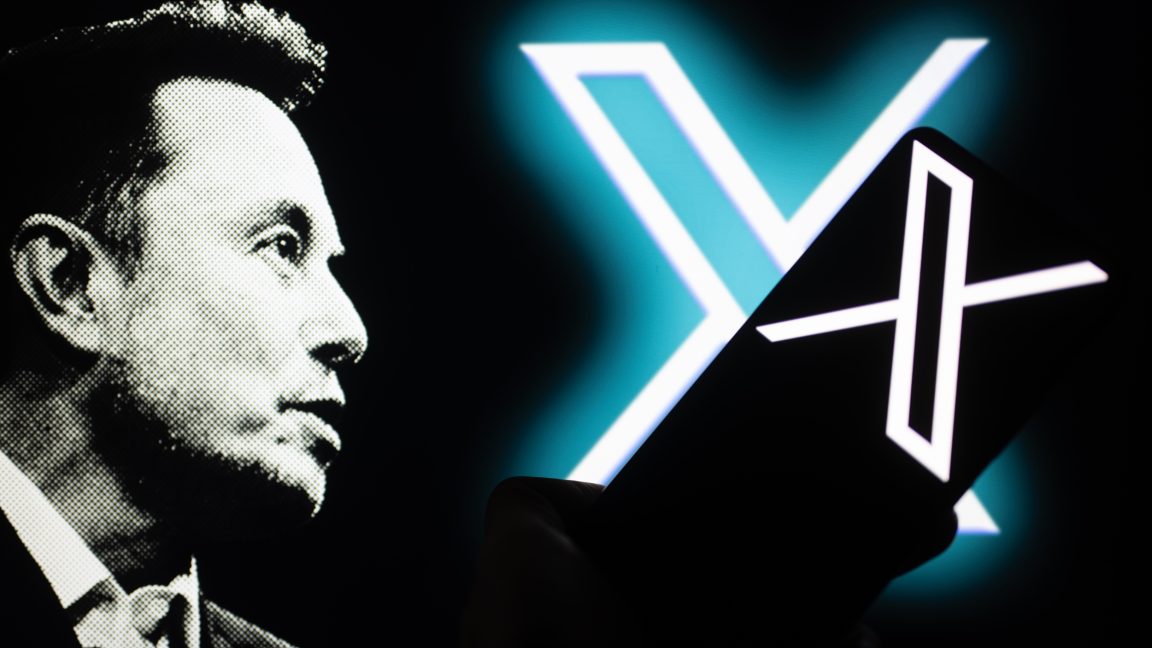
X wants to keep suing advertisers, asks 5th Circuit to overrule district judge

Elon Musk's X is trying to revive a lawsuit against advertisers it's accusing of illegally boycotting the social media platform, despite previously reaching a settlement to end litigation against an ad-industry trade group.

"This case involves an unusually brazen group boycott," X said in a filing yesterday. "That misconduct has drawn the attention of regulators and Congress. There is no valid reason that this effort by the direct victim to recover its massive economic losses from that boycott should not move forward."

X's lawsuit was thrown out in March when US District Judge Jane Boyle in the Northern District of Texas ruled that advertisers did not commit any antitrust violation. Last week, Musk reached a settlement with the World Federation of Advertisers, the first defendant named in the lawsuit.

Read full article

Comments

© Getty Images | NurPhoto

  •  

Trump FCC kills TV ownership cap, claiming authority over limit set by Congress

The Federal Communications Commission voted 2–1 today to eliminate the National Television Ownership Rule, claiming authority to repeal a limit that was set by Congress over 20 years ago.

The rule prohibits any single broadcast station owner from reaching more than 39 percent of all TV households in the US. Under Chairman Brendan Carr, the FCC is replacing the rule with a “case-by-case review” of each proposed merger.

"This will empower the FCC to approve deals that promote the public interest while allowing the agency to reject any deals that do not meet that standard," Carr's office said in a press release today. Without the 39 percent rule, broadcasters will be better able to compete against streaming companies that don't face similar limits, Carr's office said.

Read full article

Comments

© Getty Images | Brandon Bell

  •  

SpaceX claims Starlink Mobile will be better than AT&T, T-Mobile, and Verizon

SpaceX says it has a plan for Starlink Mobile to compete against the big three wireless carriers and take a large number of customers away from them.

SpaceX has so far partnered with traditional mobile carriers to supplement their ground-based networks with Starlink satellite capacity, mainly to ensure coverage from space in dead zones not reached by cell towers. But SpaceX is buying spectrum licenses that would let it offer its own terrestrial service to compete directly against the big carriers, and the firm's top executives said in yesterday's earnings call they plan to do just that.

"The spectrum that we purchased from EchoStar does have terrestrial components, so we definitely intend to build out the terrestrial component," SpaceX President Gwynne Shotwell said in response to questions on the earnings call. "So you will have not only the capacity from the satellites themselves, but you will have a buildout of the terrestrial, basically the hardware and systems necessary to make a true mobile service exactly what you want it to be."

Read full article

Comments

© Aurich Lawson | Getty Images

  •  

Senators demand crackdown on wildfire "prediction market" bets

Several US senators have written a letter to the Commodity Futures Trading Commission (CFTC), inquiring about the agency’s “plans to crack down on prediction markets” that offer “contracts for individuals to bet on wildfires.”

“Offering bets on destructive wildfires threatens to minimize communities’ suffering, all so the rich and powerful can profit,” wrote the group of senators, who represent Oregon, California, Nevada, Minnesota, and New Hampshire.

The document specifically cites that Polymarket hosted bets in January 2025 on the wildfires in Los Angeles, and it mentions another website that specifically accepts “simulated bets” exclusively on California wildfires.

Read full article

Comments

© Getty Images

  •  

Trump killed the Digital Equity Act but US was forced to bring part of it back

The Trump administration said it will reinstate a broadband grant program to comply with a court ruling that prevented it from fully ignoring the Digital Equity Act enacted by Congress in 2021. The US government said in a court filing that it plans to start taking applications for grants in December.

However, the Trump administration won a partial victory because the judge ruled the government can't allocate money based on the race or ethnicity of people who would benefit from grants. The government program can still award broadband grants based on factors like income, age, and disability.

The Digital Equity Act of 2021 provided $2.75 billion for three grant programs aimed at closing gaps in broadband access. The Biden administration started awarding $60 million in planning grants to states in 2022, and in 2024 it started taking applications to distribute the rest of the $2.75 billion. Trump announced in May 2025 that he would end the grant programs, claiming the Digital Equity Act itself is racist and unconstitutional.

Read full article

Comments

© Getty Images | Mandel Ngan

  •  

Tom DeLay helped create TV ownership cap—he says Trump FCC has no authority to repeal it

Tom DeLay, the Texas Republican who was House majority leader from 2003 to 2005, said the Federal Communications Commission has no legal authority to repeal the National Television Ownership Rule. Despite DeLay's warning, the Trump FCC appears ready to eliminate the rule at its meeting this week.

DeLay wrote an op-ed describing how he helped write the law that prohibited any single broadcast station owner from reaching more than 39 percent of all TV households in the US. DeLay said that only Congress, not the Trump FCC, can change the cap because the 39 percent limit is specified in US law and wasn't chosen by the commission.

DeLay gave his view in an op-ed for The Daily Wire yesterday, less than three weeks after FCC Chairman Brendan Carr announced a plan to eliminate the cap. The FCC is scheduled to vote on Carr's proposal on Thursday.

Read full article

Comments

© Getty Images | Kevin Dietsch

  •  

OpenAI says Apple's trade secrets lawsuit is "aggressive and oddly personal"

OpenAI has accused Apple of waging a “careless, aggressive and oddly personal lawsuit” in a blog post rebutting the iPhone maker’s claims that the AI start-up stole top-secret information.

“We do not have, nor want, any of their trade secrets,” the ChatGPT maker wrote on Monday evening, accusing Apple of “making vague accusations” and “trying to change their narrative.”

The post marks the latest escalation in a dispute that began last month when Apple filed a lawsuit claiming OpenAI had stolen hardware designs as it planned to launch its own AI-focused consumer devices.

Read full article

Comments

© Getty Images | Vincent Feuray

  •  

Trump wants the power to stop the public from suing polluters

Reducing rampant pollution across the United States was so important that when Congress passed many environmental protection laws, including the Clean Air Act, Clean Water Act, and Safe Drinking Water Act, it didn’t want to leave enforcement only to the executive branch.

Congress specifically wrote into those laws ways for citizens to enforce them through the courts when the government does not act to address the problem. Called “citizen suit provisions,” those parts of the laws allow regular people and advocacy groups to sue companies they believe are violating the law. Citizens can also sue federal agencies that fail to enforce the laws.

Since the 1970s, those provisions have been used in over 2,000 lawsuits. In fact, a majority of environmental cases are citizen suit cases. Citizen suits have been used to halt the construction of dams to protect endangered species, end the injection of wastewater into groundwater, and secure US$14.2 million in civil penalties for illegal emissions from a petrochemical facility. In short, these cases have shaped modern environmental law.

Read full article

Comments

© Brandon Bell/Getty

  •  

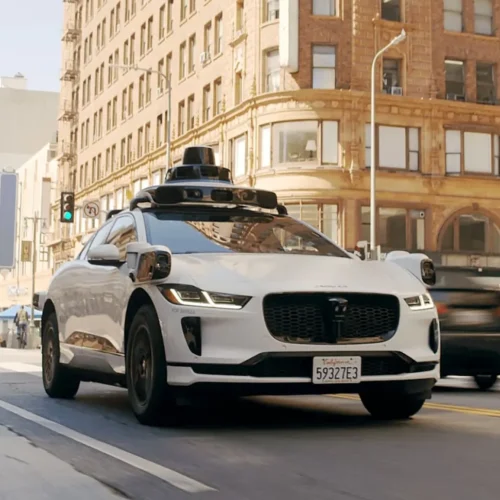
After noise complaints, judge orders Waymo to stop overnight charging in Santa Monica

A local judge has ruled that Waymo can no longer use its side-by-side charging facilities overnight in Santa Monica, California, as these may pose a “public nuisance.”

Los Angeles Superior Court Judge Bradley S. Phillips granted this week the City of Santa Monica’s motion for a preliminary injunction in the city’s ongoing public nuisance lawsuit against the autonomous vehicle giant.

City officials and neighbors assert that the constant stream of vehicles at the charging stations create light and sound pollution and cause undue traffic congestion on the streets and nearby alleys, creating a collective bother and disruption.

Read full article

Comments

© Waymo

  •  

Reddit keeps its strange DMCA fight over Google search results alive

On Friday, a judge largely denied a motion to dismiss from a web scraper, SerpApi, which is accused of conspiring with Perplexity AI to illegally scrape copyrighted Reddit content from Google search results.

In his opinion, US District Judge Paul A. Engelmayer said that at this early stage, Reddit has plausibly pleaded that there was a conspiracy, with SerpApi providing a product to circumvent Google access controls and Perplexity AI paying for it.

Engelmayer’s decision came less than two weeks after another court dismissed a similar action raised by Google, finding that the company had not proven that rights holders, such as Reddit, had ever authorized the search engine to prevent the scraping of protected content. Google told Ars that it planned to amend its complaint to keep its lawsuit alive, but SerpApi told Ars that Google and Reddit were both trying to “use the DMCA to wall off the open Internet by retroactively claiming control over content that they didn’t author and don’t own.”

Read full article

Comments

© picture alliance / Contributor | picture alliance

  •  

High school defends staying silent while boys made AI nudes of 59 classmates

One of the first schools to shut down after students were found making AI nudes of female classmates is now asking a court to toss a lawsuit filed by victims who claimed that the school stayed silent for months while the emboldened boys targeted many more girls.

In a motion to dismiss this week, Lancaster Country Day School (LCDS)—a private K-12 school in Pennsylvania with fewer than 600 students—argued that it was false to say the school never reported the harm to law enforcement. The tip that the school received came from the Pennsylvania Office of the Attorney General, which is itself a law enforcement agency, the filing said.

It’s also false to say the school knew that girls were being targeted, the school argued, because the tip did not mention any specific student victims.

Read full article

Comments

© uniquepixel | iStock / Getty Images Plus

  •  

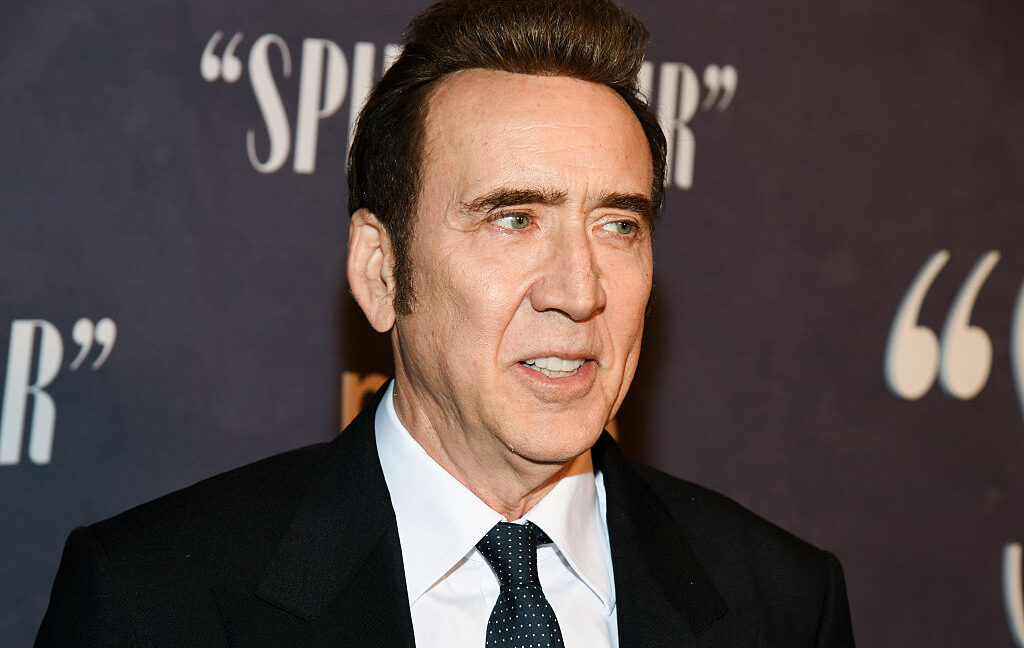
Man invested $45M in a Nicolas Cage movie. It got stolen off Netflix’s desk.

Netflix has been sued after admitting that an unencrypted drive containing an unreleased, hotly anticipated 2026 blockbuster starring Nicolas Cage was stolen from its offices.

In a lawsuit filed Wednesday, Netflix was accused of waiting a week to warn the production company, Op-Fortitude, that the movie, Fortitude, was swiped, along with other drives that were “stolen right off a Netflix desk.”

“Someone stole a good amount of drives from our office desks this past week,” Sean Berney, director of Netflix Original Film, said in an email to a production company representative after several attempts to get Netflix to return the drives were allegedly ignored.

Read full article

Comments

© Kristina Bumphrey / Contributor | Variety

  •  

How a Yale AI-cheating dispute became a 13-count federal lawsuit

Thierry Rignol is furious at Yale.

Rignol paid Yale $208,500 in tuition for its Executive MBA program. But after he was accused of cheating, the school suspended him for a year and gave him an F in the course Sourcing and Managing Funds.

This happened despite the fact that Rignol was a "top student, on track to graduate first in his class," he says. As a result, Rignol missed out on being named class valedictorian, an honor he claims to have earned "under Yale's own stated criterion."

Read full article

Comments

© Getty Images

  •  

Trump FCC faces blowback in attempt to police speech on broadcast TV

Conservatives and liberals lined up in opposition to the Federal Communications Commission's attempt to punish ABC for speech that President Trump dislikes.

Liberal advocacy groups urged FCC Chairman Brendan Carr to end his attacks on ABC, and conservative groups warned Carr not to set a precedent that would harm conservatives in future administrations. Former FCC chairs and commissioners from prior Republican and Democratic administrations also joined in opposition to what they call Carr's "campaign to censor disfavored speech and advance the president’s personal interest."

The FCC recently ordered ABC to file early license-renewal applications for the eight TV stations it owns and operates. A petition to deny ABC's license renewals was then submitted by the Center for American Rights, a conservative group whose previous petitions factored heavily into Carr's "news distortion" investigations into broadcasters accused of bias against Republicans and Trump. Another petition to deny was filed by the conservative Media Research Center.

Read full article

Comments

© Getty Images | John Lamparski

  •  
❌